Complete classic literature • Five-line readings • Clear US narration
VELMORA ACADEMY
Academy of Archival Languages & Memory Studies
Menu Close
The best British short stories of 1922

Chapter XVII · Chapter 17

Chapter 17 of The best British short stories of 1922 is here in full — 393 sentences across 79 reading sections, with audio for every sentence and word.

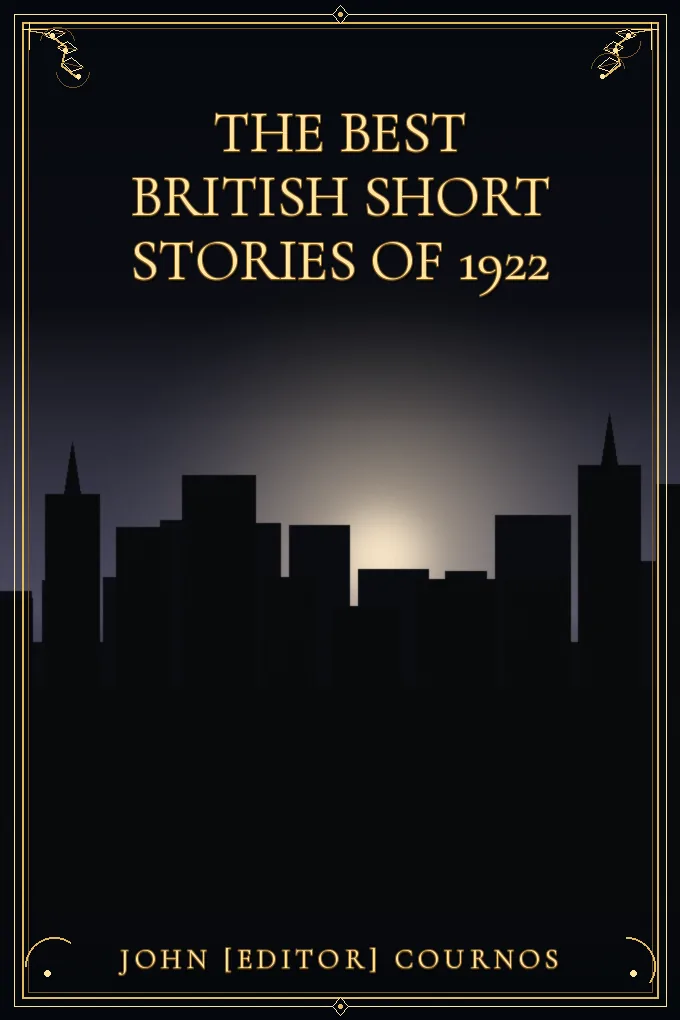
Cover illustration for The best British short stories of 1922
Context Illustration Reading 1/78 · 5 lines
English subtitles · tap any word to listen 1 / 5
It was Hippisley's death that ended it.
You know how it happened--suddenly, of heart failure, in Paris.
He'd gone there with Furnival to get material for that book they were doing together.
Lena was literally "prostrated" with the shock; and Ethel Reeves had to go over to Paris to bring back his papers and his body.
It was the day after the funeral that it all came out.
0:00 / 0:00
Speed 0.75x
AI-generated narration by OpenAI · Slow US English
LEARNER DICTIONARY
Archivist
/ˈɑːrkɪvɪst/
Editorial verification pending

A keeper or guardian of historical records and memories.

The best British short stories of 1922

Chapter XVII · Chapter 17

Chapter 17 of The best British short stories of 1922 is here in full — 393 sentences across 79 reading sections, with audio for every sentence and word.

Reading 1/78 · 5 reading units · Lines 1–5

Line 1
It was Hippisley's death that ended it.
Line 2
You know how it happened--suddenly, of heart failure, in Paris.
Line 3
He'd gone there with Furnival to get material for that book they were doing together.
Line 4
Lena was literally "prostrated" with the shock; and Ethel Reeves had to go over to Paris to bring back his papers and his body.
Line 5
It was the day after the funeral that it all came out.
/ɪt wɑːz ðə deɪ ˈæftər ðə ˈfjuːnərəl ðæt ɪt ɔːl keɪm aʊt/

Learner Dictionary

These definitions explain words found in the current reading and keep every example grounded in its original sentence.

Oxford-style entry order: headword, part of speech, US IPA, concise definition, contextual example, and audio.

ended adjective US /ˈendəd/

having come or been brought to a conclusion

From this reading “It was Hippisley's death that ended it.”

failure noun US /ˈfeɪljər/

an act that fails

From this reading “You know how it happened--suddenly, of heart failure, in Paris.”

funeral noun US /ˈfjuːnərəl/

a ceremony at which a dead person is buried or cremated

From this reading “It was the day after the funeral that it all came out.”

Lena noun US /ˈliːnə/

a Russian river in Siberia; flows northward into the Laptev Sea

From this reading “Lena was literally "prostrated" with the shock; and Ethel Reeves had to go over to Paris to bring back his papers and his body.”

literally adverb US /ˈlɪtərəli/

in a literal sense

From this reading “Lena was literally "prostrated" with the shock; and Ethel Reeves had to go over to Paris to bring back his papers and his body.”

material adjective US /məˈtɪriəl/

concerned with worldly rather than spiritual interests

From this reading “He'd gone there with Furnival to get material for that book they were doing together.”

Reeves noun US /riːvz/

plural of “reeve” — female ruff

From this reading “Lena was literally "prostrated" with the shock; and Ethel Reeves had to go over to Paris to bring back his papers and his body.”

shock noun US /ʃɑːk/

the feeling of distress and disbelief that you have when something bad happens accidentally

From this reading “Lena was literally "prostrated" with the shock; and Ethel Reeves had to go over to Paris to bring back his papers and his body.”

All words in this reading · 52

Every word in these five lines is listed here, and every one of them can be played on its own.

Dictionary details are shown only when verified; these are not licensed Oxford entries.

afterprepositionUS /ˈæftər/

later than; following

From this reading It was the day after the funeral that it all came out.

alladjectiveUS /ɔːl/

(quantifier) used with either mass or count nouns to indicate the whole number or amount of or every one of a class

From this reading It was the day after the funeral that it all came out.

andconjunctionUS /ənd/

used to join words or parts of a sentence that go together

From this reading Lena was literally "prostrated" with the shock; and Ethel Reeves had to go over to Paris to bring back his papers and his body.

backadverbUS /bæk/

in or to or toward a former location

From this reading Lena was literally "prostrated" with the shock; and Ethel Reeves had to go over to Paris to bring back his papers and his body.

bodynounUS /ˈbɑːdi/

the entire physical structure of an organism (an animal, plant, or human being)

From this reading Lena was literally "prostrated" with the shock; and Ethel Reeves had to go over to Paris to bring back his papers and his body.

booknounUS /bʊk/

a written work or composition that has been published (printed on pages bound together)

From this reading He'd gone there with Furnival to get material for that book they were doing together.

bringverbUS /brɪŋ/

take something or somebody with oneself somewhere

From this reading Lena was literally "prostrated" with the shock; and Ethel Reeves had to go over to Paris to bring back his papers and his body.

cameverbUS /keɪm/

inflected form of “come” — move toward, travel toward something or somebody or approach something or somebody

From this reading It was the day after the funeral that it all came out.

daynounUS /deɪ/

time for Earth to make a complete rotation on its axis

From this reading It was the day after the funeral that it all came out.

deathnounUS /deθ/

the event of dying or departure from life

From this reading It was Hippisley's death that ended it.

doingverbUS /ˈduːɪŋ/

-ing form of “do” — engage in

From this reading He'd gone there with Furnival to get material for that book they were doing together.

endedadjectiveUS /ˈendəd/

having come or been brought to a conclusion

From this reading It was Hippisley's death that ended it.

Ethel

Dictionary entry pending editorial verification. Tap Listen to hear the word.

From this reading Lena was literally "prostrated" with the shock; and Ethel Reeves had to go over to Paris to bring back his papers and his body.

failurenounUS /ˈfeɪljər/

an act that fails

From this reading You know how it happened--suddenly, of heart failure, in Paris.

forprepositionUS /fɔːr/

intended to be given to, or used by, somebody

From this reading He'd gone there with Furnival to get material for that book they were doing together.

funeralnounUS /ˈfjuːnərəl/

a ceremony at which a dead person is buried or cremated

From this reading It was the day after the funeral that it all came out.

Furnival

Dictionary entry pending editorial verification. Tap Listen to hear the word.

From this reading He'd gone there with Furnival to get material for that book they were doing together.

getverbUS /ɡet/

come into the possession of something concrete or abstract

From this reading He'd gone there with Furnival to get material for that book they were doing together.

goverbUS /ɡoʊ/

change location; move, travel, or proceed, also metaphorically

From this reading Lena was literally "prostrated" with the shock; and Ethel Reeves had to go over to Paris to bring back his papers and his body.

goneadjectiveUS /ɡɔːn/

destroyed or killed

From this reading He'd gone there with Furnival to get material for that book they were doing together.

hadauxiliary verbUS /hæd/

the past form of “have”, used to form the past perfect

From this reading Lena was literally "prostrated" with the shock; and Ethel Reeves had to go over to Paris to bring back his papers and his body.

happenedverbUS /ˈhæpənd/

past form of “happen” — come to pass

From this reading You know how it happened--suddenly, of heart failure, in Paris.

He'd

Dictionary entry pending editorial verification. Tap Listen to hear the word.

From this reading He'd gone there with Furnival to get material for that book they were doing together.

heartnounUS /hɑːrt/

the locus of feelings and intuitions

From this reading You know how it happened--suddenly, of heart failure, in Paris.

Hippisley's

Dictionary entry pending editorial verification. Tap Listen to hear the word.

From this reading It was Hippisley's death that ended it.

hisdeterminerUS /hɪz/

belonging to a man, boy, or male animal already mentioned

From this reading Lena was literally "prostrated" with the shock; and Ethel Reeves had to go over to Paris to bring back his papers and his body.

how

Dictionary entry pending editorial verification. Tap Listen to hear the word.

From this reading You know how it happened--suddenly, of heart failure, in Paris.

inprepositionUS /ɪn/

inside something, or within a place, period, or state

From this reading You know how it happened--suddenly, of heart failure, in Paris.

ItpronounUS /ɪt/

a thing, animal, or idea already mentioned

From this reading It was Hippisley's death that ended it.

knowverbUS /noʊ/

be cognizant or aware of a fact or a specific piece of information; possess knowledge or information about

From this reading You know how it happened--suddenly, of heart failure, in Paris.

LenanounUS /ˈliːnə/

a Russian river in Siberia; flows northward into the Laptev Sea

From this reading Lena was literally "prostrated" with the shock; and Ethel Reeves had to go over to Paris to bring back his papers and his body.

literallyadverbUS /ˈlɪtərəli/

in a literal sense

From this reading Lena was literally "prostrated" with the shock; and Ethel Reeves had to go over to Paris to bring back his papers and his body.

materialadjectiveUS /məˈtɪriəl/

concerned with worldly rather than spiritual interests

From this reading He'd gone there with Furnival to get material for that book they were doing together.

ofprepositionUS /ʌv/

belonging to, or connected with, somebody or something

From this reading You know how it happened--suddenly, of heart failure, in Paris.

outadjectiveUS /aʊt/

not allowed to continue to bat or run

From this reading It was the day after the funeral that it all came out.

overprepositionUS /ˈoʊvər/

above and across; more than

From this reading Lena was literally "prostrated" with the shock; and Ethel Reeves had to go over to Paris to bring back his papers and his body.

papersnounUS /ˈpeɪpərz/

writing that provides information (especially information of an official nature)

From this reading Lena was literally "prostrated" with the shock; and Ethel Reeves had to go over to Paris to bring back his papers and his body.

ParisnounUS /ˈperɪs/

the capital and largest city of France; and international center of culture and commerce

From this reading You know how it happened--suddenly, of heart failure, in Paris.

prostrated

Dictionary entry pending editorial verification. Tap Listen to hear the word.

From this reading Lena was literally "prostrated" with the shock; and Ethel Reeves had to go over to Paris to bring back his papers and his body.

ReevesnounUS /riːvz/

plural of “reeve” — female ruff

From this reading Lena was literally "prostrated" with the shock; and Ethel Reeves had to go over to Paris to bring back his papers and his body.

shocknounUS /ʃɑːk/

the feeling of distress and disbelief that you have when something bad happens accidentally

From this reading Lena was literally "prostrated" with the shock; and Ethel Reeves had to go over to Paris to bring back his papers and his body.

suddenlyadverbUS /ˈsʌdənli/

happening unexpectedly

From this reading You know how it happened--suddenly, of heart failure, in Paris.

thatconjunctionUS /ðæt/

used to introduce what somebody said, thought, or felt

From this reading It was Hippisley's death that ended it.

thedeterminerUS /ðə/

used before a noun that is already known, already mentioned, or the only one of its kind

From this reading Lena was literally "prostrated" with the shock; and Ethel Reeves had to go over to Paris to bring back his papers and his body.

thereadverbUS /ðer/

in or at that place or location

From this reading He'd gone there with Furnival to get material for that book they were doing together.

theypronounUS /ðeɪ/

the people, animals, or things already mentioned, as the subject

From this reading He'd gone there with Furnival to get material for that book they were doing together.

toparticleUS /tuː/

used before the base form of a verb to make the infinitive

From this reading He'd gone there with Furnival to get material for that book they were doing together.

togetheradverbUS /təˈɡeðər/

in contact with each other or in proximity

From this reading He'd gone there with Furnival to get material for that book they were doing together.

wasauxiliary verbUS /wɑːz/

the past form of “be” used with I, he, she, it, or a singular noun

From this reading It was Hippisley's death that ended it.

wereauxiliary verbUS /wɜːr/

the past form of “be” used with you, we, they, or a plural noun

From this reading He'd gone there with Furnival to get material for that book they were doing together.

withprepositionUS /wɪð/

in the company of; together with

From this reading He'd gone there with Furnival to get material for that book they were doing together.

YoupronounUS /juː/

the person or people being spoken to

From this reading You know how it happened--suddenly, of heart failure, in Paris.

Chapter 17 of The best British short stories of 1922 by John [Editor] Cournos holds 393 sentences, grouped into 79 reading sections of at most 5 sentences. The text is the source edition, unabridged, and the chapter records which sentences cover which part of the work so that nothing is dropped. Every word can be tapped for its pronunciation and dictionary entry.

What does chapter 17 of The best British short stories of 1922 contain?

Chapter 17 holds 393 sentences of The best British short stories of 1922, unabridged, divided into 79 reading sections.

This page carries chapter 17 of The best British short stories of 1922 by John [Editor] Cournos exactly as it stands in the source edition, without abridgement. It runs to 393 sentences, grouped into 79 sections of at most 5 sentences so that a reader can take the chapter in steady, finishable pieces. The chapter also stores a coverage record mapping every one of its sentences to a part of the work, which is how the edition demonstrates that no line was dropped.

How do I study chapter 17 of The best British short stories of 1922?

Work through the 79 sections in order, replaying any sentence and tapping unfamiliar words for their entries.

Each of the 79 sections in this chapter is short enough to read once, hear once, and then re-read with the vocabulary in view. Tapping a word plays it alone and opens its dictionary entry with IPA, part of speech and meaning, so the reader is never forced to guess a pronunciation from spelling. Working section by section keeps a long chapter from becoming an undifferentiated wall of text, which is the usual reason a reader abandons a work of this period.

Can chapter 17 be read aloud to me?

Yes — every sentence and every individual word in chapter 17 can be played aloud in United States English.

Audio covers the whole chapter: any sentence can be played, and any single word within it can be played on its own. The voice uses United States English. For a work of this period that matters, because spelling is an unreliable guide to pronunciation for vocabulary that has fallen out of daily use, and a learner who guesses wrong tends to keep the error. Hearing the word in its own sentence, and then alone, settles it.

Questions about reading The best British short stories of 1922

Common questions about reading The best British short stories of 1922 by John [Editor] Cournos on this page, its source edition and its audio.

Is this the complete text of The best British short stories of 1922?

Yes. All 8120 sentences of Project Gutenberg eBook #9363 are kept, with a record of which sentences cover which part.

Which edition of The best British short stories of 1922 is used?

Project Gutenberg eBook #9363, unabridged. The Project Gutenberg header, footer and licence are removed.

How long does The best British short stories of 1922 take to read?

About 600 minutes of reading across 1624 sections of 5 sentences each, at an unhurried pace.

How to read The best British short stories of 1922 section by section

How to work through The best British short stories of 1922 section by section, using the audio and the tap-to-define vocabulary.

  1. Open a chapter

    Choose one of the 21 chapters of The best British short stories of 1922 to begin.

  2. Read one section

    Each section holds 5 sentences; read it once through.

  3. Listen and tap

    Play the section aloud, then tap any unfamiliar word for its entry.

Vocabulary met early in The best British short stories of 1922

Words and structures a reader meets early in The best British short stories of 1922, each tappable for pronunciation and meaning.

Editor
A word that appears in the opening chapter of The best British short stories of 1922; the reader can tap it to hear it and see its dictionary entry.
Saturday
A word that appears in the opening chapter of The best British short stories of 1922; the reader can tap it to hear it and see its dictionary entry.
Evening
A word that appears in the opening chapter of The best British short stories of 1922; the reader can tap it to hear it and see its dictionary entry.
Freeman
A word that appears in the opening chapter of The best British short stories of 1922; the reader can tap it to hear it and see its dictionary entry.