14
Dictionary entry pending editorial verification. Tap Listen to hear the word.
From this reading A mere matter of news: The first instalment of this fabulous novel was featured in Argosy-All-Story-Weekly for May 14, 1921.
1921
Dictionary entry pending editorial verification. Tap Listen to hear the word.
From this reading A mere matter of news: The first instalment of this fabulous novel was featured in Argosy-All-Story-Weekly for May 14, 1921.
AdeterminerUS /ə/
used before a singular noun to mean one of a group, when it is not a particular one
From this reading A mere matter of news.”
AndconjunctionUS /ənd/
used to join words or parts of a sentence that go together
From this reading By Austin Hall And Homer Eon Flint The Blind Spot opens with the words: “Perhaps it were just as well to start at the beginning.
Argosy-All-Story-Weekly
Dictionary entry pending editorial verification. Tap Listen to hear the word.
From this reading A mere matter of news: The first instalment of this fabulous novel was featured in Argosy-All-Story-Weekly for May 14, 1921.
asconjunctionUS /æz/
at the same time that; because; in the way that
From this reading By Austin Hall And Homer Eon Flint The Blind Spot opens with the words: “Perhaps it were just as well to start at the beginning.
atprepositionUS /æt/
in or near a particular place or position
From this reading By Austin Hall And Homer Eon Flint The Blind Spot opens with the words: “Perhaps it were just as well to start at the beginning.
AustinnounUS /ˈɔːstən/
state capital of Texas on the Colorado River; site of the University of Texas
From this reading By Austin Hall And Homer Eon Flint The Blind Spot opens with the words: “Perhaps it were just as well to start at the beginning.
beginningnounUS /bɪˈɡɪnɪŋ/
the event consisting of the start of something
From this reading By Austin Hall And Homer Eon Flint The Blind Spot opens with the words: “Perhaps it were just as well to start at the beginning.
BlindnounUS /blaɪnd/
people who have severe visual impairments, considered as a group
From this reading By Austin Hall And Homer Eon Flint The Blind Spot opens with the words: “Perhaps it were just as well to start at the beginning.
ByprepositionUS /baɪ/
showing who or what does the action
From this reading By Austin Hall And Homer Eon Flint The Blind Spot opens with the words: “Perhaps it were just as well to start at the beginning.
coververbUS /ˈkʌvər/
provide with a covering or cause to be covered
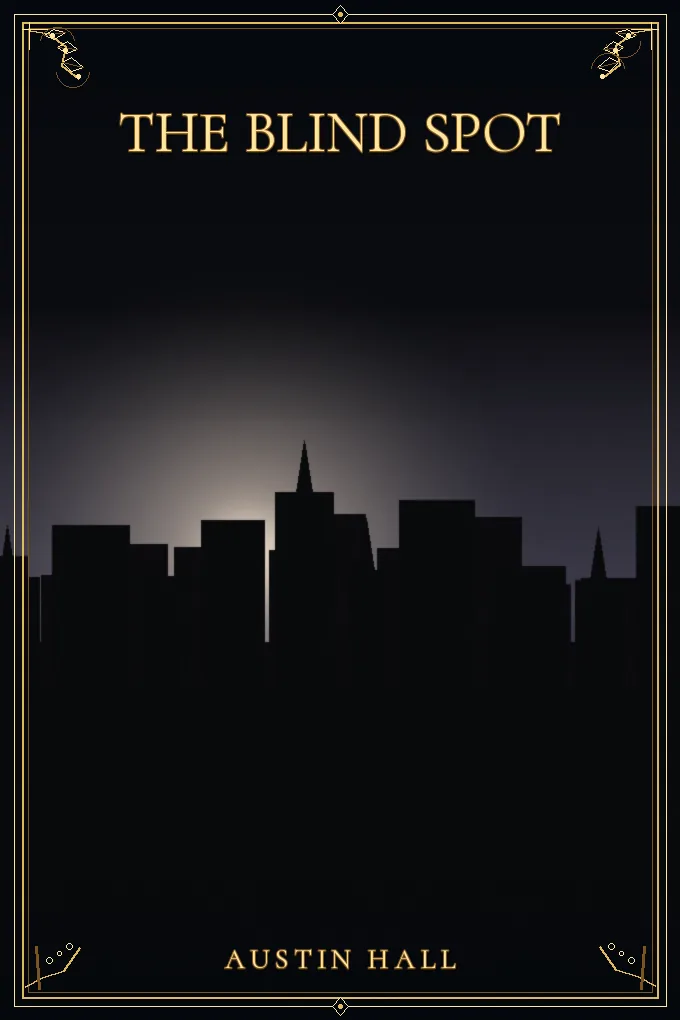
From this reading Described as a “different” serial, it was introduced by a cover by Modest Stein.
DescribedadjectiveUS /dɪˈskraɪbd/
represented in words especially with sharpness and detail
From this reading Described as a “different” serial, it was introduced by a cover by Modest Stein.
differentadjectiveUS /ˈdɪfərənt/
unlike in nature or quality or form or degree
From this reading Described as a “different” serial, it was introduced by a cover by Modest Stein.
EonnounUS /ˈiːən/
the longest division of geological time
From this reading By Austin Hall And Homer Eon Flint The Blind Spot opens with the words: “Perhaps it were just as well to start at the beginning.
fabulousadjectiveUS /ˈfæbjələs/
extremely pleasing
From this reading A mere matter of news: The first instalment of this fabulous novel was featured in Argosy-All-Story-Weekly for May 14, 1921.
featuredadjectiveUS /ˈfiːtʃərd/
made a feature or highlight; given prominence
From this reading A mere matter of news: The first instalment of this fabulous novel was featured in Argosy-All-Story-Weekly for May 14, 1921.
firstadjectiveUS /fɜːrst/
preceding all others in time or space or degree
From this reading A mere matter of news: The first instalment of this fabulous novel was featured in Argosy-All-Story-Weekly for May 14, 1921.
FlintnounUS /flɪnt/
a hard kind of stone; a form of silica more opaque than chalcedony
From this reading By Austin Hall And Homer Eon Flint The Blind Spot opens with the words: “Perhaps it were just as well to start at the beginning.
forprepositionUS /fɔːr/
intended to be given to, or used by, somebody
From this reading A mere matter of news: The first instalment of this fabulous novel was featured in Argosy-All-Story-Weekly for May 14, 1921.
HallnounUS /hɔːl/
an interior passage or corridor onto which rooms open
From this reading By Austin Hall And Homer Eon Flint The Blind Spot opens with the words: “Perhaps it were just as well to start at the beginning.
HomernounUS /ˈhoʊmər/
a base hit on which the batter scores a run
From this reading By Austin Hall And Homer Eon Flint The Blind Spot opens with the words: “Perhaps it were just as well to start at the beginning.
IpronounUS /aɪ/
the person speaking or writing, as the subject of the verb
From this reading Suppose I use them in the same sense:
inprepositionUS /ɪn/
inside something, or within a place, period, or state
From this reading Suppose I use them in the same sense:
instalmentnoun
a part of a broadcast serial
From this reading A mere matter of news: The first instalment of this fabulous novel was featured in Argosy-All-Story-Weekly for May 14, 1921.
introducedverbUS /ˌɪntrəˈduːst/
past form of “introduce” — cause to come to know personally
From this reading Described as a “different” serial, it was introduced by a cover by Modest Stein.
itpronounUS /ɪt/
a thing, animal, or idea already mentioned
From this reading By Austin Hall And Homer Eon Flint The Blind Spot opens with the words: “Perhaps it were just as well to start at the beginning.
justadverbUS /dʒʌst/
and nothing more
From this reading By Austin Hall And Homer Eon Flint The Blind Spot opens with the words: “Perhaps it were just as well to start at the beginning.
matternounUS /ˈmætər/
a vaguely specified concern
From this reading A mere matter of news.”
Maymodal verbUS /meɪ/
used to say something is possible, or to give permission
From this reading A mere matter of news: The first instalment of this fabulous novel was featured in Argosy-All-Story-Weekly for May 14, 1921.
mereadjectiveUS /mɪr/
being nothing more than specified
From this reading A mere matter of news.”
ModestadjectiveUS /ˈmɑːdəst/
marked by simplicity; having a humble opinion of yourself
From this reading Described as a “different” serial, it was introduced by a cover by Modest Stein.
newsnounUS /nuːz/
information about recent and important events
From this reading A mere matter of news.”
novelnounUS /ˈnɑːvəl/
an extended fictional work in prose; usually in the form of a story
From this reading A mere matter of news: The first instalment of this fabulous novel was featured in Argosy-All-Story-Weekly for May 14, 1921.
ofprepositionUS /ʌv/
belonging to, or connected with, somebody or something
From this reading A mere matter of news.”
opensnounUS /ˈoʊpənz/
plural of “open” — a clear or unobstructed space or expanse of land or water
From this reading By Austin Hall And Homer Eon Flint The Blind Spot opens with the words: “Perhaps it were just as well to start at the beginning.
PerhapsadverbUS /pərˈhæps/
by chance
From this reading By Austin Hall And Homer Eon Flint The Blind Spot opens with the words: “Perhaps it were just as well to start at the beginning.
sameadjectiveUS /seɪm/
Identical; not different.
From this reading Suppose I use them in the same sense:
sensenounUS /sens/
a general conscious awareness
From this reading Suppose I use them in the same sense:
serialadjectiveUS /ˈsɪriːəl/
in regular succession without gaps
From this reading Described as a “different” serial, it was introduced by a cover by Modest Stein.
SpotnounUS /spɑːt/
a point located with respect to surface features of some region
From this reading By Austin Hall And Homer Eon Flint The Blind Spot opens with the words: “Perhaps it were just as well to start at the beginning.
startverbUS /stɑːrt/
take the first step or steps in carrying out an action
From this reading By Austin Hall And Homer Eon Flint The Blind Spot opens with the words: “Perhaps it were just as well to start at the beginning.
SteinnounUS /staɪn/
a mug intended for serving beer
From this reading Described as a “different” serial, it was introduced by a cover by Modest Stein.
SupposeverbUS /səˈpoʊz/
express a supposition
From this reading Suppose I use them in the same sense:
ThedeterminerUS /ðə/
used before a noun that is already known, already mentioned, or the only one of its kind
From this reading By Austin Hall And Homer Eon Flint The Blind Spot opens with the words: “Perhaps it were just as well to start at the beginning.
thempronounUS /ðem/
the people or things already mentioned, as the object
From this reading Suppose I use them in the same sense:
thisdeterminerUS /ðɪs/
used for a person or thing that is near, or that has just been mentioned
From this reading A mere matter of news: The first instalment of this fabulous novel was featured in Argosy-All-Story-Weekly for May 14, 1921.
toparticleUS /tuː/
used before the base form of a verb to make the infinitive
From this reading By Austin Hall And Homer Eon Flint The Blind Spot opens with the words: “Perhaps it were just as well to start at the beginning.
usenounUS /juːs/
the act of using
From this reading Suppose I use them in the same sense:
wasauxiliary verbUS /wɑːz/
the past form of “be” used with I, he, she, it, or a singular noun
From this reading A mere matter of news: The first instalment of this fabulous novel was featured in Argosy-All-Story-Weekly for May 14, 1921.
welladverbUS /wel/
(often used as a combining form) in a good or proper or satisfactory manner or to a high standard (“good” is a nonstandard dialectal variant for “well”)
From this reading By Austin Hall And Homer Eon Flint The Blind Spot opens with the words: “Perhaps it were just as well to start at the beginning.
wereauxiliary verbUS /wɜːr/
the past form of “be” used with you, we, they, or a plural noun
From this reading By Austin Hall And Homer Eon Flint The Blind Spot opens with the words: “Perhaps it were just as well to start at the beginning.
withprepositionUS /wɪð/
in the company of; together with
From this reading By Austin Hall And Homer Eon Flint The Blind Spot opens with the words: “Perhaps it were just as well to start at the beginning.
wordsnounUS /wɜːrdz/
the words that are spoken
From this reading By Austin Hall And Homer Eon Flint The Blind Spot opens with the words: “Perhaps it were just as well to start at the beginning.