Learn English through classic literature • Five-line readings • Clear US narration
VELMORA ACADEMY
Academy of Archival Languages & Memory Studies
Menu Close
The Blind Spot
The Blind Spot

Chapter XXIII · Chapter 23

Chapter 23 of The Blind Spot is here in full — 418 sentences across 84 reading sections, with audio for every sentence and word.

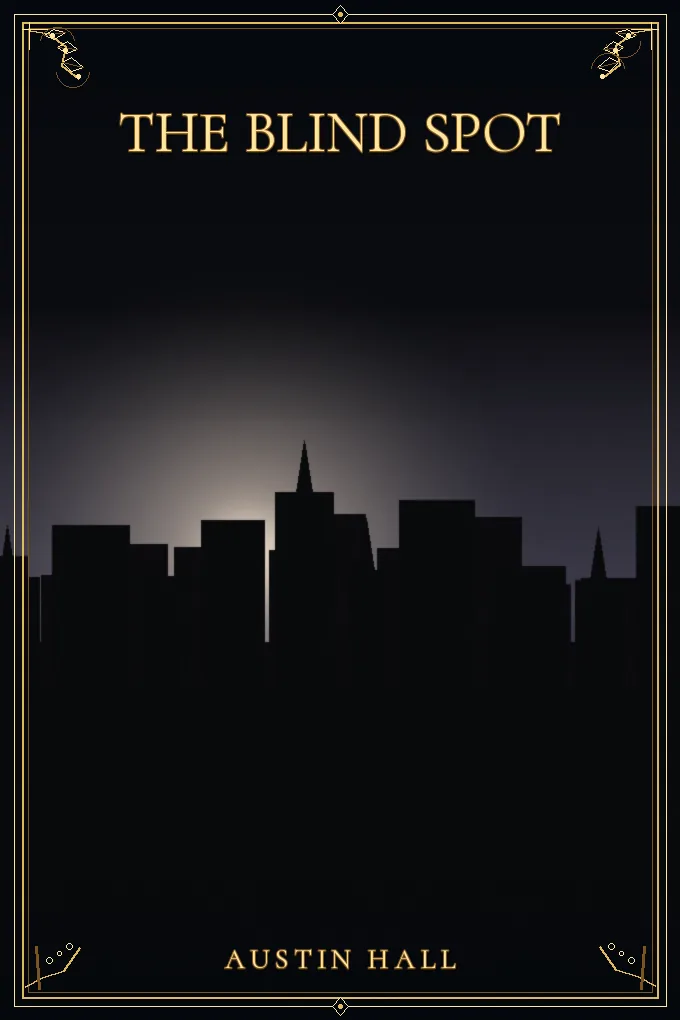
Cover illustration for The Blind Spot
Context Illustration Reading 1/83 · 5 lines
English subtitles · tap any word to listen 1 / 5
It was a stagger for both young men.
Neither could reconcile the great professor of his schooldays with this strange, philosophic prophet of the occult Thomahlians.
What was the connection?
What was the fate that was leading, urging, compelling it all?
Professor, you will pardon our eagerness.
0:00 / 0:00
Speed 0.75x
AI-generated narration by OpenAI · Slow US English
LEARNER DICTIONARY
Archivist
/ˈɑːrkɪvɪst/
Editorial verification pending

A keeper or guardian of historical records and memories.

The Blind Spot

Chapter XXIII · Chapter 23

Chapter 23 of The Blind Spot is here in full — 418 sentences across 84 reading sections, with audio for every sentence and word.

Reading 1/83 · 5 reading units · Lines 1–5

Line 1
It was a stagger for both young men.
/ɪt wɑːz ə ˈstæɡər fɔːr boʊθ jʌŋ men/
Line 2
Neither could reconcile the great professor of his schooldays with this strange, philosophic prophet of the occult Thomahlians.
Line 3
What was the connection?
/wʌt wɑːz ðə kəˈnekʃən/
Line 4
What was the fate that was leading, urging, compelling it all?
/wʌt wɑːz ðə feɪt ðæt wɑːz ˈliːdɪŋ ˈɜːrdʒɪŋ kəmˈpelɪŋ ɪt ɔːl/
Line 5
Professor, you will pardon our eagerness.
/prəˈfesər juː wɪl ˈpɑːrdən ˈaʊər ˈiːɡərnəs/

Learner Dictionary

These definitions explain words found in the current reading and keep every example grounded in its original sentence.

Oxford-style entry order: headword, part of speech, US IPA, concise definition, contextual example, and audio.

compelling adjective US /kəmˈpelɪŋ/

driving or forcing

From this reading “What was the fate that was leading, urging, compelling it all?”

eagerness noun US /ˈiːɡərnəs/

a positive feeling of wanting to push ahead with something

From this reading ““Professor, you will pardon our eagerness.”

occult verb US /əˈkʌlt/

cause an eclipse of (a celestial body) by intervention

From this reading “Neither could reconcile the great professor of his schooldays with this strange, philosophic prophet of the occult Thomahlians.”

philosophic adjective US /ˌfɪləˈsɑːfɪk/

of or relating to philosophy or philosophers

From this reading “Neither could reconcile the great professor of his schooldays with this strange, philosophic prophet of the occult Thomahlians.”

prophet noun US /ˈprɑːfət/

an authoritative person who divines the future

From this reading “Neither could reconcile the great professor of his schooldays with this strange, philosophic prophet of the occult Thomahlians.”

reconcile verb US /ˈrekənsaɪl/

make (one thing) compatible with

From this reading “Neither could reconcile the great professor of his schooldays with this strange, philosophic prophet of the occult Thomahlians.”

stagger verb US /ˈstæɡər/

walk as if unable to control one's movements

From this reading “It was a stagger for both young men.”

urging noun US /ˈɜːrdʒɪŋ/

a verbalization that encourages you to attempt something

From this reading “What was the fate that was leading, urging, compelling it all?”

All words in this reading · 37

Every word in these five lines is listed here, and every one of them can be played on its own.

Dictionary details are shown only when verified; these are not licensed Oxford entries.

adeterminerUS /ə/

used before a singular noun to mean one of a group, when it is not a particular one

From this reading It was a stagger for both young men.

alladjectiveUS /ɔːl/

(quantifier) used with either mass or count nouns to indicate the whole number or amount of or every one of a class

From this reading What was the fate that was leading, urging, compelling it all?

bothdeterminerUS /boʊθ/

the two together, not just one

From this reading It was a stagger for both young men.

compellingadjectiveUS /kəmˈpelɪŋ/

driving or forcing

From this reading What was the fate that was leading, urging, compelling it all?

connectionnounUS /kəˈnekʃən/

a relation between things or events (as in the case of one causing the other or sharing features with it)

From this reading What was the connection?

couldmodal verbUS /kʊd/

the past of “can”; used for possibility or polite requests

From this reading Neither could reconcile the great professor of his schooldays with this strange, philosophic prophet of the occult Thomahlians.

eagernessnounUS /ˈiːɡərnəs/

a positive feeling of wanting to push ahead with something

From this reading “Professor, you will pardon our eagerness.

fatenounUS /feɪt/

an event (or a course of events) that will inevitably happen in the future

From this reading What was the fate that was leading, urging, compelling it all?

forprepositionUS /fɔːr/

intended to be given to, or used by, somebody

From this reading It was a stagger for both young men.

greatadjectiveUS /ɡreɪt/

relatively large in size or number or extent; larger than others of its kind

From this reading Neither could reconcile the great professor of his schooldays with this strange, philosophic prophet of the occult Thomahlians.

hisdeterminerUS /hɪz/

belonging to a man, boy, or male animal already mentioned

From this reading Neither could reconcile the great professor of his schooldays with this strange, philosophic prophet of the occult Thomahlians.

ItpronounUS /ɪt/

a thing, animal, or idea already mentioned

From this reading It was a stagger for both young men.

leadingadjectiveUS /ˈliːdɪŋ/

indicating the most important performer or role

From this reading What was the fate that was leading, urging, compelling it all?

mennounUS /men/

the force of workers available

From this reading It was a stagger for both young men.

NeitherdeterminerUS /ˈniːðər/

not one and not the other of two

From this reading Neither could reconcile the great professor of his schooldays with this strange, philosophic prophet of the occult Thomahlians.

occultverbUS /əˈkʌlt/

cause an eclipse of (a celestial body) by intervention

From this reading Neither could reconcile the great professor of his schooldays with this strange, philosophic prophet of the occult Thomahlians.

ofprepositionUS /ʌv/

belonging to, or connected with, somebody or something

From this reading Neither could reconcile the great professor of his schooldays with this strange, philosophic prophet of the occult Thomahlians.

ourdeterminerUS /ˈaʊər/

belonging to the speaker and others

From this reading “Professor, you will pardon our eagerness.

pardonverbUS /ˈpɑːrdən/

accept an excuse for

From this reading “Professor, you will pardon our eagerness.

philosophicadjectiveUS /ˌfɪləˈsɑːfɪk/

of or relating to philosophy or philosophers

From this reading Neither could reconcile the great professor of his schooldays with this strange, philosophic prophet of the occult Thomahlians.

professornounUS /prəˈfesər/

someone who is a member of the faculty at a college or university

From this reading Neither could reconcile the great professor of his schooldays with this strange, philosophic prophet of the occult Thomahlians.

prophetnounUS /ˈprɑːfət/

an authoritative person who divines the future

From this reading Neither could reconcile the great professor of his schooldays with this strange, philosophic prophet of the occult Thomahlians.

reconcileverbUS /ˈrekənsaɪl/

make (one thing) compatible with

From this reading Neither could reconcile the great professor of his schooldays with this strange, philosophic prophet of the occult Thomahlians.

schooldaysnoun

the time of life when you are going to school

From this reading Neither could reconcile the great professor of his schooldays with this strange, philosophic prophet of the occult Thomahlians.

staggerverbUS /ˈstæɡər/

walk as if unable to control one's movements

From this reading It was a stagger for both young men.

strangeadjectiveUS /streɪndʒ/

being definitely out of the ordinary and unexpected; slightly odd or even a bit weird

From this reading Neither could reconcile the great professor of his schooldays with this strange, philosophic prophet of the occult Thomahlians.

thatconjunctionUS /ðæt/

used to introduce what somebody said, thought, or felt

From this reading What was the fate that was leading, urging, compelling it all?

thedeterminerUS /ðə/

used before a noun that is already known, already mentioned, or the only one of its kind

From this reading Neither could reconcile the great professor of his schooldays with this strange, philosophic prophet of the occult Thomahlians.

thisdeterminerUS /ðɪs/

used for a person or thing that is near, or that has just been mentioned

From this reading Neither could reconcile the great professor of his schooldays with this strange, philosophic prophet of the occult Thomahlians.

Thomahlians

Dictionary entry pending editorial verification. Tap Listen to hear the word.

From this reading Neither could reconcile the great professor of his schooldays with this strange, philosophic prophet of the occult Thomahlians.

urgingnounUS /ˈɜːrdʒɪŋ/

a verbalization that encourages you to attempt something

From this reading What was the fate that was leading, urging, compelling it all?

wasauxiliary verbUS /wɑːz/

the past form of “be” used with I, he, she, it, or a singular noun

From this reading It was a stagger for both young men.

WhatpronounUS /wʌt/

used to ask for information about something

From this reading What was the connection?

willmodal verbUS /wɪl/

used to talk about the future, or about willingness

From this reading “Professor, you will pardon our eagerness.

withprepositionUS /wɪð/

in the company of; together with

From this reading Neither could reconcile the great professor of his schooldays with this strange, philosophic prophet of the occult Thomahlians.

youpronounUS /juː/

the person or people being spoken to

From this reading “Professor, you will pardon our eagerness.

youngadjectiveUS /jʌŋ/

(used of living things especially persons) in an early period of life or development or growth

From this reading It was a stagger for both young men.

Chapter 23 of The Blind Spot by Austin Hall holds 418 sentences, grouped into 84 reading sections of at most 5 sentences. The text is the public-domain source, unabridged, and the chapter records which sentences cover which part of the work so that nothing is dropped. Every word can be tapped for its pronunciation and dictionary entry.

What does chapter 23 of The Blind Spot contain?

Chapter 23 holds 418 sentences of The Blind Spot, unabridged, divided into 84 reading sections.

This page carries chapter 23 of The Blind Spot by Austin Hall exactly as it stands in the public-domain source edition, without abridgement. It runs to 418 sentences, grouped into 84 sections of at most 5 sentences so that a reader can take the chapter in steady, finishable pieces. The chapter also stores a coverage record mapping every one of its sentences to a part of the work, which is how the edition demonstrates that no line was dropped.

How do I study chapter 23 of The Blind Spot?

Work through the 84 sections in order, replaying any sentence and tapping unfamiliar words for their entries.

Each of the 84 sections in this chapter is short enough to read once, hear once, and then re-read with the vocabulary in view. Tapping a word plays it alone and opens its dictionary entry with IPA, part of speech and meaning, so the reader is never forced to guess a pronunciation from spelling. Working section by section keeps a long chapter from becoming an undifferentiated wall of text, which is the usual reason a reader abandons a work of this period.

Can chapter 23 be read aloud to me?

Yes — every sentence and every individual word in chapter 23 can be played aloud in United States English.

Audio covers the whole chapter: any sentence can be played, and any single word within it can be played on its own. The voice uses United States English. For a work of this period that matters, because spelling is an unreliable guide to pronunciation for vocabulary that has fallen out of daily use, and a learner who guesses wrong tends to keep the error. Hearing the word in its own sentence, and then alone, settles it.

Questions about reading The Blind Spot

Common questions about reading The Blind Spot by Austin Hall on this page, its source edition and its audio.

Is this the complete text of The Blind Spot?

Yes. All 9924 sentences of Project Gutenberg eBook #4920 are kept, with a record of which sentences cover which part.

Which edition of The Blind Spot is used?

Project Gutenberg eBook #4920, a public-domain edition. The Project Gutenberg header, footer and licence are removed.

How long does The Blind Spot take to read?

About 600 minutes of reading across 1985 sections of 5 sentences each, at an unhurried pace.

How to read The Blind Spot section by section

How to work through The Blind Spot section by section, using the audio and the tap-to-define vocabulary.

  1. Open a chapter

    Choose one of the 24 chapters of The Blind Spot to begin.

  2. Read one section

    Each section holds 5 sentences; read it once through.

  3. Listen and tap

    Play the section aloud, then tap any unfamiliar word for its entry.

Vocabulary met early in The Blind Spot

Words and structures a reader meets early in The Blind Spot, each tappable for pronunciation and meaning.

Austin
A word that appears in the opening chapter of The Blind Spot; the reader can tap it to hear it and see its dictionary entry.
Homer
A word that appears in the opening chapter of The Blind Spot; the reader can tap it to hear it and see its dictionary entry.
Flint
A word that appears in the opening chapter of The Blind Spot; the reader can tap it to hear it and see its dictionary entry.
Blind
A word that appears in the opening chapter of The Blind Spot; the reader can tap it to hear it and see its dictionary entry.