Complete classic literature • Five-line readings • Clear US narration
VELMORA ACADEMY
Academy of Archival Languages & Memory Studies
Menu Close
The Book of Nature Myths

Chapter II · Chapter 2

Chapter 2 of The Book of Nature Myths is here in full — 323 sentences across 65 reading sections, with audio for every sentence and word.

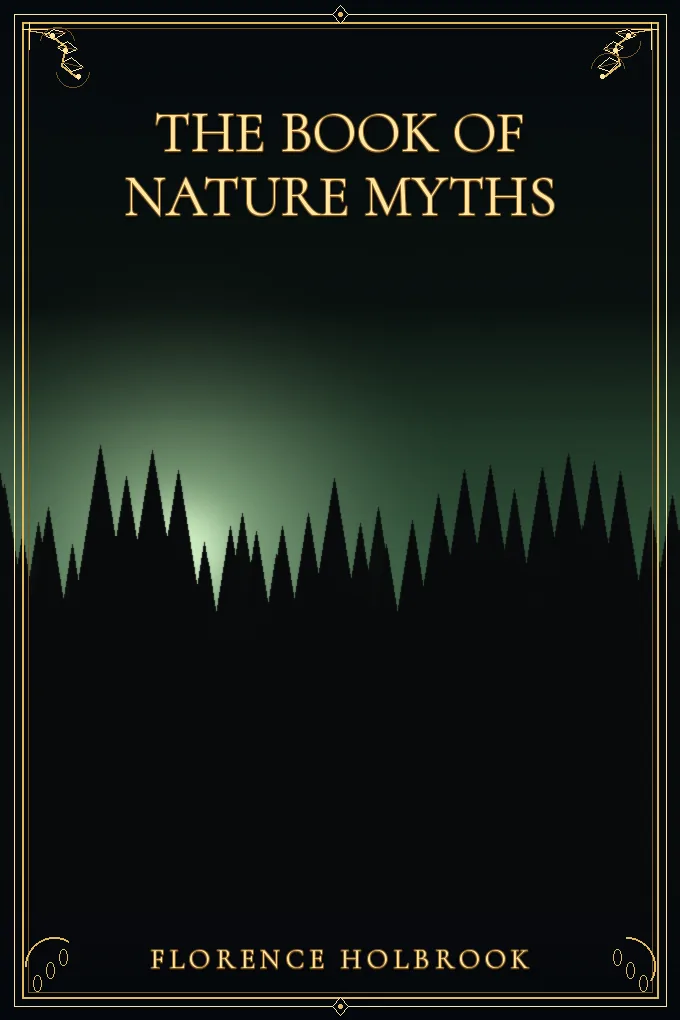
Cover illustration for The Book of Nature Myths
Context Illustration Reading 1/64 · 5 lines
English subtitles · tap any word to listen 1 / 5
When the Great Spirit saw the work of the flames, he was very angry.
"The fires of this mountain must perish," he said.
"No longer shall its red flames light the midnight sky."
The mountain trembled with fear at the angry words of the Great Spirit.
"O father of all fire and light," cried the Fire Spirit, "I know that the flames have been cruel.
0:00 / 0:00
Speed 0.75x
AI-generated narration by OpenAI · Slow US English
LEARNER DICTIONARY
Archivist
/ˈɑːrkɪvɪst/
Editorial verification pending

A keeper or guardian of historical records and memories.

The Book of Nature Myths

Chapter II · Chapter 2

Chapter 2 of The Book of Nature Myths is here in full — 323 sentences across 65 reading sections, with audio for every sentence and word.

Reading 1/64 · 5 reading units · Lines 1–5

Line 1
When the Great Spirit saw the work of the flames, he was very angry.
/wen ðə ɡreɪt ˈspɪrət sɔː ðə wɜːrk ʌv ðə fleɪmz hiː wɑːz ˈveri ˈæŋɡri/
Line 2
"The fires of this mountain must perish," he said.
/ðə ˈfaɪərz ʌv ðɪs ˈmaʊntən mʌst ˈperɪʃ hiː sed/
Line 3
"No longer shall its red flames light the midnight sky."
/noʊ ˈlɔːŋɡər ʃæl ɪts red fleɪmz laɪt ðə ˈmɪdnaɪt skaɪ/
Line 4
The mountain trembled with fear at the angry words of the Great Spirit.
/ðə ˈmaʊntən ˈtrembəld wɪð fɪr æt ðə ˈæŋɡri wɜːrdz ʌv ðə ɡreɪt ˈspɪrət/
Line 5
"O father of all fire and light," cried the Fire Spirit, "I know that the flames have been cruel.
/oʊ ˈfɑːðər ʌv ɔːl ˈfaɪər ənd laɪt kraɪd ðə ˈfaɪər ˈspɪrət aɪ noʊ ðæt ðə fleɪmz hæv bɪn ˈkruːəl/

Learner Dictionary

These definitions explain words found in the current reading and keep every example grounded in its original sentence.

Oxford-style entry order: headword, part of speech, US IPA, concise definition, contextual example, and audio.

angry adjective US /ˈæŋɡri/

feeling or showing anger

From this reading “When the Great Spirit saw the work of the flames, he was very angry.”

cruel adjective US /ˈkruːəl/

(of persons or their actions) able or disposed to inflict pain or suffering

From this reading “"O father of all fire and light," cried the Fire Spirit, "I know that the flames have been cruel.”

fires noun US /ˈfaɪərz/

plural of “fire” — the event of something burning (often destructive)

From this reading “"The fires of this mountain must perish," he said.”

flames noun US /fleɪmz/

plural of “flame” — the process of combustion of inflammable materials producing heat and light and (often) smoke

From this reading “When the Great Spirit saw the work of the flames, he was very angry.”

midnight noun US /ˈmɪdnaɪt/

12 o'clock at night; the middle of the night

From this reading “"No longer shall its red flames light the midnight sky."”

mountain noun US /ˈmaʊntən/

a land mass that projects well above its surroundings; higher than a hill

From this reading “"The fires of this mountain must perish," he said.”

perish verb US /ˈperɪʃ/

pass from physical life and lose all bodily attributes and functions necessary to sustain life

From this reading “"The fires of this mountain must perish," he said.”

trembled verb US /ˈtrembəld/

past form of “tremble” — move or jerk quickly and involuntarily up and down or sideways

From this reading “The mountain trembled with fear at the angry words of the Great Spirit.”

All words in this reading · 43

Every word in these five lines is listed here, and every one of them can be played on its own.

Dictionary details are shown only when verified; these are not licensed Oxford entries.

alladjectiveUS /ɔːl/

(quantifier) used with either mass or count nouns to indicate the whole number or amount of or every one of a class

From this reading "O father of all fire and light," cried the Fire Spirit, "I know that the flames have been cruel.

andconjunctionUS /ənd/

used to join words or parts of a sentence that go together

From this reading "O father of all fire and light," cried the Fire Spirit, "I know that the flames have been cruel.

angryadjectiveUS /ˈæŋɡri/

feeling or showing anger

From this reading When the Great Spirit saw the work of the flames, he was very angry.

atprepositionUS /æt/

in or near a particular place or position

From this reading The mountain trembled with fear at the angry words of the Great Spirit.

beenauxiliary verbUS /bɪn/

the past participle of “be”

From this reading "O father of all fire and light," cried the Fire Spirit, "I know that the flames have been cruel.

criedverbUS /kraɪd/

inflected form of “cry” — utter a sudden loud cry

From this reading "O father of all fire and light," cried the Fire Spirit, "I know that the flames have been cruel.

crueladjectiveUS /ˈkruːəl/

(of persons or their actions) able or disposed to inflict pain or suffering

From this reading "O father of all fire and light," cried the Fire Spirit, "I know that the flames have been cruel.

fathernounUS /ˈfɑːðər/

a male parent (also used as a term of address to your father)

From this reading "O father of all fire and light," cried the Fire Spirit, "I know that the flames have been cruel.

fearverbUS /fɪr/

be afraid or feel anxious or apprehensive about a possible or probable situation or event

From this reading The mountain trembled with fear at the angry words of the Great Spirit.

fireverbUS /ˈfaɪər/

start firing a weapon

From this reading "O father of all fire and light," cried the Fire Spirit, "I know that the flames have been cruel.

firesnounUS /ˈfaɪərz/

plural of “fire” — the event of something burning (often destructive)

From this reading "The fires of this mountain must perish," he said.

flamesnounUS /fleɪmz/

plural of “flame” — the process of combustion of inflammable materials producing heat and light and (often) smoke

From this reading When the Great Spirit saw the work of the flames, he was very angry.

GreatadjectiveUS /ɡreɪt/

relatively large in size or number or extent; larger than others of its kind

From this reading When the Great Spirit saw the work of the flames, he was very angry.

haveauxiliary verbUS /hæv/

used with a past participle to form the perfect tenses

From this reading "O father of all fire and light," cried the Fire Spirit, "I know that the flames have been cruel.

hepronounUS /hiː/

a man, boy, or male animal already mentioned, as the subject

From this reading When the Great Spirit saw the work of the flames, he was very angry.

IpronounUS /aɪ/

the person speaking or writing, as the subject of the verb

From this reading "O father of all fire and light," cried the Fire Spirit, "I know that the flames have been cruel.

itsdeterminerUS /ɪts/

belonging to the thing or animal already mentioned

From this reading "No longer shall its red flames light the midnight sky."

knowverbUS /noʊ/

be cognizant or aware of a fact or a specific piece of information; possess knowledge or information about

From this reading "O father of all fire and light," cried the Fire Spirit, "I know that the flames have been cruel.

lightadjectiveUS /laɪt/

of comparatively little physical weight or density

From this reading "No longer shall its red flames light the midnight sky."

longeradverbUS /ˈlɔːŋɡər/

for more time

From this reading "No longer shall its red flames light the midnight sky."

midnightnounUS /ˈmɪdnaɪt/

12 o'clock at night; the middle of the night

From this reading "No longer shall its red flames light the midnight sky."

mountainnounUS /ˈmaʊntən/

a land mass that projects well above its surroundings; higher than a hill

From this reading "The fires of this mountain must perish," he said.

mustmodal verbUS /mʌst/

used to say something is necessary, or almost certainly true

From this reading "The fires of this mountain must perish," he said.

NodeterminerUS /noʊ/

not any; not one

From this reading "No longer shall its red flames light the midnight sky."

OnounUS /oʊ/

a nonmetallic bivalent element that is normally a colorless odorless tasteless nonflammable diatomic gas; constitutes 21 percent of the atmosphere by volume; the most abundant element in the earth's crust

From this reading "O father of all fire and light," cried the Fire Spirit, "I know that the flames have been cruel.

ofprepositionUS /ʌv/

belonging to, or connected with, somebody or something

From this reading When the Great Spirit saw the work of the flames, he was very angry.

perishverbUS /ˈperɪʃ/

pass from physical life and lose all bodily attributes and functions necessary to sustain life

From this reading "The fires of this mountain must perish," he said.

rednounUS /red/

red color or pigment; the chromatic color resembling the hue of blood

From this reading "No longer shall its red flames light the midnight sky."

saidadjectiveUS /sed/

being the one previously mentioned or spoken of

From this reading "The fires of this mountain must perish," he said.

sawverbUS /sɔː/

cut with a saw

From this reading When the Great Spirit saw the work of the flames, he was very angry.

shallmodal verbUS /ʃæl/

used with I and we for the future, or to offer and suggest

From this reading "No longer shall its red flames light the midnight sky."

skynounUS /skaɪ/

the atmosphere and outer space as viewed from the earth

From this reading "No longer shall its red flames light the midnight sky."

SpiritnounUS /ˈspɪrət/

the vital principle or animating force within living things

From this reading When the Great Spirit saw the work of the flames, he was very angry.

thatconjunctionUS /ðæt/

used to introduce what somebody said, thought, or felt

From this reading "O father of all fire and light," cried the Fire Spirit, "I know that the flames have been cruel.

thedeterminerUS /ðə/

used before a noun that is already known, already mentioned, or the only one of its kind

From this reading When the Great Spirit saw the work of the flames, he was very angry.

thisdeterminerUS /ðɪs/

used for a person or thing that is near, or that has just been mentioned

From this reading "The fires of this mountain must perish," he said.

trembledverbUS /ˈtrembəld/

past form of “tremble” — move or jerk quickly and involuntarily up and down or sideways

From this reading The mountain trembled with fear at the angry words of the Great Spirit.

veryadjectiveUS /ˈveri/

precisely as stated

From this reading When the Great Spirit saw the work of the flames, he was very angry.

wasauxiliary verbUS /wɑːz/

the past form of “be” used with I, he, she, it, or a singular noun

From this reading When the Great Spirit saw the work of the flames, he was very angry.

WhenconjunctionUS /wen/

at the time that

From this reading When the Great Spirit saw the work of the flames, he was very angry.

withprepositionUS /wɪð/

in the company of; together with

From this reading The mountain trembled with fear at the angry words of the Great Spirit.

wordsnounUS /wɜːrdz/

the words that are spoken

From this reading The mountain trembled with fear at the angry words of the Great Spirit.

workverbUS /wɜːrk/

exert oneself by doing mental or physical work for a purpose or out of necessity

From this reading When the Great Spirit saw the work of the flames, he was very angry.

Chapter 2 of The Book of Nature Myths by Florence Holbrook holds 323 sentences, grouped into 65 reading sections of at most 5 sentences. The text is the source edition, unabridged, and the chapter records which sentences cover which part of the work so that nothing is dropped. Every word can be tapped for its pronunciation and dictionary entry.

What does chapter 2 of The Book of Nature Myths contain?

Chapter 2 holds 323 sentences of The Book of Nature Myths, unabridged, divided into 65 reading sections.

This page carries chapter 2 of The Book of Nature Myths by Florence Holbrook exactly as it stands in the source edition, without abridgement. It runs to 323 sentences, grouped into 65 sections of at most 5 sentences so that a reader can take the chapter in steady, finishable pieces. The chapter also stores a coverage record mapping every one of its sentences to a part of the work, which is how the edition demonstrates that no line was dropped.

How do I study chapter 2 of The Book of Nature Myths?

Work through the 65 sections in order, replaying any sentence and tapping unfamiliar words for their entries.

Each of the 65 sections in this chapter is short enough to read once, hear once, and then re-read with the vocabulary in view. Tapping a word plays it alone and opens its dictionary entry with IPA, part of speech and meaning, so the reader is never forced to guess a pronunciation from spelling. Working section by section keeps a long chapter from becoming an undifferentiated wall of text, which is the usual reason a reader abandons a work of this period.

Can chapter 2 be read aloud to me?

Yes — every sentence and every individual word in chapter 2 can be played aloud in United States English.

Audio covers the whole chapter: any sentence can be played, and any single word within it can be played on its own. The voice uses United States English. For a work of this period that matters, because spelling is an unreliable guide to pronunciation for vocabulary that has fallen out of daily use, and a learner who guesses wrong tends to keep the error. Hearing the word in its own sentence, and then alone, settles it.

Questions about reading The Book of Nature Myths

Common questions about reading The Book of Nature Myths by Florence Holbrook on this page, its source edition and its audio.

Is this the complete text of The Book of Nature Myths?

Yes. All 2117 sentences of Project Gutenberg eBook #22420 are kept, with a record of which sentences cover which part.

Which edition of The Book of Nature Myths is used?

Project Gutenberg eBook #22420, unabridged. The Project Gutenberg header, footer and licence are removed.

How long does The Book of Nature Myths take to read?

About 176 minutes of reading across 424 sections of 5 sentences each, at an unhurried pace.

How to read The Book of Nature Myths section by section

How to work through The Book of Nature Myths section by section, using the audio and the tap-to-define vocabulary.

  1. Open a chapter

    Choose one of the 7 chapters of The Book of Nature Myths to begin.

  2. Read one section

    Each section holds 5 sentences; read it once through.

  3. Listen and tap

    Play the section aloud, then tap any unfamiliar word for its entry.

Vocabulary met early in The Book of Nature Myths

Words and structures a reader meets early in The Book of Nature Myths, each tappable for pronunciation and meaning.

People
A word that appears in the opening chapter of The Book of Nature Myths; the reader can tap it to hear it and see its dictionary entry.
Village
A word that appears in the opening chapter of The Book of Nature Myths; the reader can tap it to hear it and see its dictionary entry.
Lived
A word that appears in the opening chapter of The Book of Nature Myths; the reader can tap it to hear it and see its dictionary entry.
Great
A word that appears in the opening chapter of The Book of Nature Myths; the reader can tap it to hear it and see its dictionary entry.