Learn English through classic literature • Five-line readings • Clear US narration
VELMORA ACADEMY
Academy of Archival Languages & Memory Studies
Menu Close
The Boy Allies at Jutland

Chapter III · Chapter 3

Chapter 3 of The Boy Allies at Jutland is here in full — 174 sentences across 35 reading sections, with audio for every sentence and word.

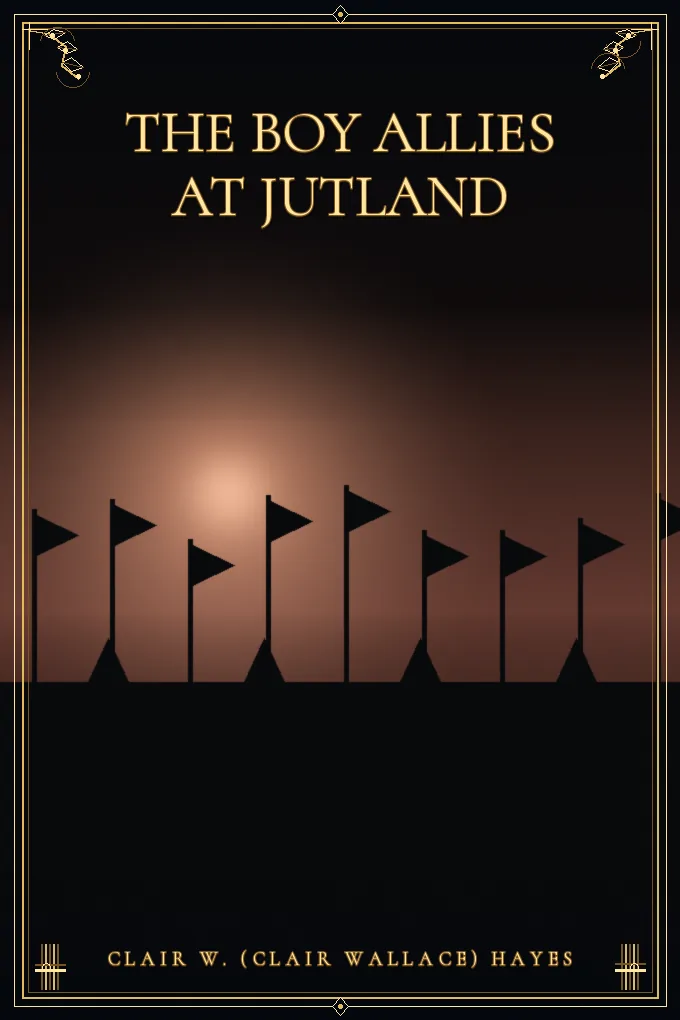
Cover illustration for The Boy Allies at Jutland
Context Illustration Reading 1/34 · 5 lines
English subtitles · tap any word to listen 1 / 5
ATHLETICS "Can you fight?"
The speaker was a young British midshipman.
Jack and Frank stood at the rail, gazing off toward the distant horizon, when the young man approached them.
The lads turned quickly.
"Can you fight?" demanded the young man again.
0:00 / 0:00
Speed 0.75x
AI-generated narration by OpenAI · Slow US English
LEARNER DICTIONARY
Archivist
/ˈɑːrkɪvɪst/
Editorial verification pending

A keeper or guardian of historical records and memories.

The Boy Allies at Jutland

Chapter III · Chapter 3

Chapter 3 of The Boy Allies at Jutland is here in full — 174 sentences across 35 reading sections, with audio for every sentence and word.

Reading 1/34 · 5 reading units · Lines 1–5

Line 1
ATHLETICS "Can you fight?"
/æθˈletɪks kæn juː faɪt/
Line 2
The speaker was a young British midshipman.
/ðə ˈspiːkər wɑːz ə jʌŋ ˈbrɪtɪʃ ˈmɪdˈʃɪpmən/
Line 3
Jack and Frank stood at the rail, gazing off toward the distant horizon, when the young man approached them.
/dʒæk ənd fræŋk stʊd æt ðə reɪl ˈɡeɪzɪŋ ɔːf təˈwɔːrd ðə ˈdɪstənt hərˈaɪzən wen ðə jʌŋ mæn əˈproʊtʃt ðem/
Line 4
The lads turned quickly.
/ðə lædz tɜːrnd ˈkwɪkli/
Line 5
"Can you fight?" demanded the young man again.
/kæn juː faɪt dɪˈmændəd ðə jʌŋ mæn əˈɡen/

Learner Dictionary

These definitions explain words found in the current reading and keep every example grounded in its original sentence.

Oxford-style entry order: headword, part of speech, US IPA, concise definition, contextual example, and audio.

athletics noun US /æθˈletɪks/

an active diversion requiring physical exertion and competition

From this reading “ATHLETICS "Can you fight?"”

British noun US /ˈbrɪtɪʃ/

the people of Great Britain

From this reading “The speaker was a young British midshipman.”

gazing verb US /ˈɡeɪzɪŋ/

-ing form of “gaze” — look at with fixed eyes

From this reading “Jack and Frank stood at the rail, gazing off toward the distant horizon, when the young man approached them.”

horizon noun US /hərˈaɪzən/

the line at which the sky and Earth appear to meet

From this reading “Jack and Frank stood at the rail, gazing off toward the distant horizon, when the young man approached them.”

lads noun US /lædz/

plural of “lad” — a boy or man

From this reading “The lads turned quickly.”

midshipman noun US /ˈmɪdˈʃɪpmən/

a temporary rank held by young naval officers in training

From this reading “The speaker was a young British midshipman.”

rail noun US /reɪl/

a barrier consisting of a horizontal bar and supports

From this reading “Jack and Frank stood at the rail, gazing off toward the distant horizon, when the young man approached them.”

speaker noun US /ˈspiːkər/

someone who expresses in language; someone who talks (especially someone who delivers a public speech or someone especially garrulous)

From this reading “The speaker was a young British midshipman.”

All words in this reading · 31

Every word in these five lines is listed here, and every one of them can be played on its own.

Dictionary details are shown only when verified; these are not licensed Oxford entries.

adeterminerUS /ə/

used before a singular noun to mean one of a group, when it is not a particular one

From this reading The speaker was a young British midshipman.

againadverbUS /əˈɡen/

anew

From this reading "Can you fight?" demanded the young man again.

andconjunctionUS /ənd/

used to join words or parts of a sentence that go together

From this reading Jack and Frank stood at the rail, gazing off toward the distant horizon, when the young man approached them.

approachedverbUS /əˈproʊtʃt/

past form of “approach” — move towards

From this reading Jack and Frank stood at the rail, gazing off toward the distant horizon, when the young man approached them.

atprepositionUS /æt/

in or near a particular place or position

From this reading Jack and Frank stood at the rail, gazing off toward the distant horizon, when the young man approached them.

ATHLETICSnounUS /æθˈletɪks/

an active diversion requiring physical exertion and competition

From this reading ATHLETICS "Can you fight?"

BritishnounUS /ˈbrɪtɪʃ/

the people of Great Britain

From this reading The speaker was a young British midshipman.

Canmodal verbUS /kæn/

to be able to, or to be allowed to

From this reading ATHLETICS "Can you fight?"

demandedverbUS /dɪˈmændəd/

past form of “demand” — request urgently and forcefully

From this reading "Can you fight?" demanded the young man again.

distantadjectiveUS /ˈdɪstənt/

separated in space or coming from or going to a distance

From this reading Jack and Frank stood at the rail, gazing off toward the distant horizon, when the young man approached them.

fightverbUS /faɪt/

be engaged in a fight; carry on a fight

From this reading ATHLETICS "Can you fight?"

FrankadjectiveUS /fræŋk/

characterized by directness in manner or speech; without subtlety or evasion

From this reading Jack and Frank stood at the rail, gazing off toward the distant horizon, when the young man approached them.

gazingverbUS /ˈɡeɪzɪŋ/

-ing form of “gaze” — look at with fixed eyes

From this reading Jack and Frank stood at the rail, gazing off toward the distant horizon, when the young man approached them.

horizonnounUS /hərˈaɪzən/

the line at which the sky and Earth appear to meet

From this reading Jack and Frank stood at the rail, gazing off toward the distant horizon, when the young man approached them.

JacknounUS /dʒæk/

a small worthless amount

From this reading Jack and Frank stood at the rail, gazing off toward the distant horizon, when the young man approached them.

ladsnounUS /lædz/

plural of “lad” — a boy or man

From this reading The lads turned quickly.

mannounUS /mæn/

an adult person who is male (as opposed to a woman)

From this reading Jack and Frank stood at the rail, gazing off toward the distant horizon, when the young man approached them.

midshipmannounUS /ˈmɪdˈʃɪpmən/

a temporary rank held by young naval officers in training

From this reading The speaker was a young British midshipman.

offadverbUS /ɔːf/

from a particular thing or place or position (“forth” is obsolete)

From this reading Jack and Frank stood at the rail, gazing off toward the distant horizon, when the young man approached them.

quicklyadverbUS /ˈkwɪkli/

with speed

From this reading The lads turned quickly.

railnounUS /reɪl/

a barrier consisting of a horizontal bar and supports

From this reading Jack and Frank stood at the rail, gazing off toward the distant horizon, when the young man approached them.

speakernounUS /ˈspiːkər/

someone who expresses in language; someone who talks (especially someone who delivers a public speech or someone especially garrulous)

From this reading The speaker was a young British midshipman.

stoodverbUS /stʊd/

Maintained an upright posture.

From this reading Jack and Frank stood at the rail, gazing off toward the distant horizon, when the young man approached them.

ThedeterminerUS /ðə/

used before a noun that is already known, already mentioned, or the only one of its kind

From this reading The speaker was a young British midshipman.

thempronounUS /ðem/

the people or things already mentioned, as the object

From this reading Jack and Frank stood at the rail, gazing off toward the distant horizon, when the young man approached them.

towardprepositionUS /təˈwɔːrd/

in the direction of

From this reading Jack and Frank stood at the rail, gazing off toward the distant horizon, when the young man approached them.

turnedadjectiveUS /tɜːrnd/

moved around an axis or center

From this reading The lads turned quickly.

wasauxiliary verbUS /wɑːz/

the past form of “be” used with I, he, she, it, or a singular noun

From this reading The speaker was a young British midshipman.

whenconjunctionUS /wen/

at the time that

From this reading Jack and Frank stood at the rail, gazing off toward the distant horizon, when the young man approached them.

youpronounUS /juː/

the person or people being spoken to

From this reading ATHLETICS "Can you fight?"

youngadjectiveUS /jʌŋ/

(used of living things especially persons) in an early period of life or development or growth

From this reading The speaker was a young British midshipman.

Chapter 3 of The Boy Allies at Jutland by Clair W. (Clair Wallace) Hayes holds 174 sentences, grouped into 35 reading sections of at most 5 sentences. The text is the source edition, unabridged, and the chapter records which sentences cover which part of the work so that nothing is dropped. Every word can be tapped for its pronunciation and dictionary entry.

What does chapter 3 of The Boy Allies at Jutland contain?

Chapter 3 holds 174 sentences of The Boy Allies at Jutland, unabridged, divided into 35 reading sections.

This page carries chapter 3 of The Boy Allies at Jutland by Clair W. (Clair Wallace) Hayes exactly as it stands in the source edition, without abridgement. It runs to 174 sentences, grouped into 35 sections of at most 5 sentences so that a reader can take the chapter in steady, finishable pieces. The chapter also stores a coverage record mapping every one of its sentences to a part of the work, which is how the edition demonstrates that no line was dropped.

How do I study chapter 3 of The Boy Allies at Jutland?

Work through the 35 sections in order, replaying any sentence and tapping unfamiliar words for their entries.

Each of the 35 sections in this chapter is short enough to read once, hear once, and then re-read with the vocabulary in view. Tapping a word plays it alone and opens its dictionary entry with IPA, part of speech and meaning, so the reader is never forced to guess a pronunciation from spelling. Working section by section keeps a long chapter from becoming an undifferentiated wall of text, which is the usual reason a reader abandons a work of this period.

Can chapter 3 be read aloud to me?

Yes — every sentence and every individual word in chapter 3 can be played aloud in United States English.

Audio covers the whole chapter: any sentence can be played, and any single word within it can be played on its own. The voice uses United States English. For a work of this period that matters, because spelling is an unreliable guide to pronunciation for vocabulary that has fallen out of daily use, and a learner who guesses wrong tends to keep the error. Hearing the word in its own sentence, and then alone, settles it.

Questions about reading The Boy Allies at Jutland

Common questions about reading The Boy Allies at Jutland by Clair W. (Clair Wallace) Hayes on this page, its source edition and its audio.

Is this the complete text of The Boy Allies at Jutland?

Yes. All 4185 sentences of Project Gutenberg eBook #10081 are kept, with a record of which sentences cover which part.

Which edition of The Boy Allies at Jutland is used?

Project Gutenberg eBook #10081, unabridged. The Project Gutenberg header, footer and licence are removed.

How long does The Boy Allies at Jutland take to read?

About 348 minutes of reading across 837 sections of 5 sentences each, at an unhurried pace.

How to read The Boy Allies at Jutland section by section

How to work through The Boy Allies at Jutland section by section, using the audio and the tap-to-define vocabulary.

  1. Open a chapter

    Choose one of the 29 chapters of The Boy Allies at Jutland to begin.

  2. Read one section

    Each section holds 5 sentences; read it once through.

  3. Listen and tap

    Play the section aloud, then tap any unfamiliar word for its entry.

Vocabulary met early in The Boy Allies at Jutland

Words and structures a reader meets early in The Boy Allies at Jutland, each tappable for pronunciation and meaning.

German
A word that appears in the opening chapter of The Boy Allies at Jutland; the reader can tap it to hear it and see its dictionary entry.
Fleet
A word that appears in the opening chapter of The Boy Allies at Jutland; the reader can tap it to hear it and see its dictionary entry.
Suffered
A word that appears in the opening chapter of The Boy Allies at Jutland; the reader can tap it to hear it and see its dictionary entry.
Comparatively
A word that appears in the opening chapter of The Boy Allies at Jutland; the reader can tap it to hear it and see its dictionary entry.