Learn English through classic literature • Five-line readings • Clear US narration
VELMORA ACADEMY
Academy of Archival Languages & Memory Studies
Menu Close
The Boys of Bellwood School

Chapter XIX · Chapter 19

Chapter 19 of The Boys of Bellwood School is here in full — 91 sentences across 19 reading sections, with audio for every sentence and word.

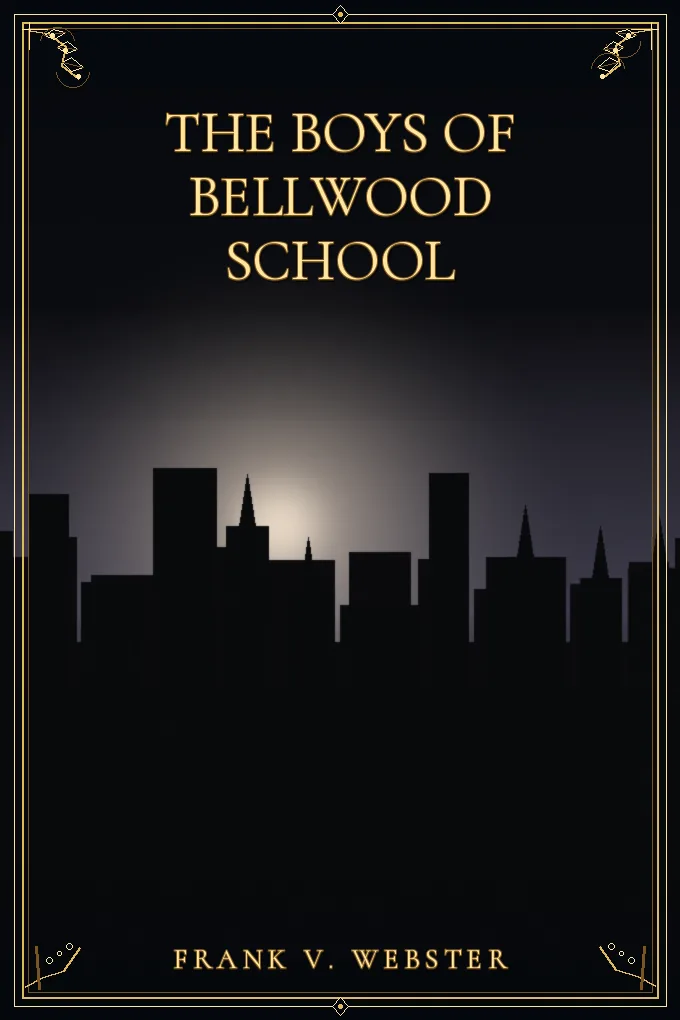
Cover illustration for The Boys of Bellwood School
Context Illustration Reading 1/18 · 5 lines
English subtitles · tap any word to listen 1 / 5
FRANK A PRISONER Our hero quickened his steps a little.
Then he made up his mind what he would do.
He fancied he knew what the presence of the men, Jem and Dan, meant.
He smiled to himself as he strolled along, carelessly now.
Sidelong glances enabled him to make out the movements of his trailers without awakening their suspicions.
0:00 / 0:00
Speed 0.75x
AI-generated narration by OpenAI · Slow US English
LEARNER DICTIONARY
Archivist
/ˈɑːrkɪvɪst/
Editorial verification pending

A keeper or guardian of historical records and memories.

The Boys of Bellwood School

Chapter XIX · Chapter 19

Chapter 19 of The Boys of Bellwood School is here in full — 91 sentences across 19 reading sections, with audio for every sentence and word.

Reading 1/18 · 5 reading units · Lines 1–5

Line 1
FRANK A PRISONER Our hero quickened his steps a little.
/fræŋk ə ˈprɪzənər ˈaʊər ˈhɪroʊ ˈkwɪkənd hɪz steps ə ˈlɪtəl/
Line 2
Then he made up his mind what he would do.
/ðen hiː meɪd ʌp hɪz maɪnd wʌt hiː wʊd duː/
Line 3
He fancied he knew what the presence of the men, Jem and Dan, meant.
Line 4
He smiled to himself as he strolled along, carelessly now.
/hiː smaɪld tuː hɪmˈself æz hiː stroʊld əˈlɔːŋ ˈkerləsli naʊ/
Line 5
Sidelong glances enabled him to make out the movements of his trailers without awakening their suspicions.

Learner Dictionary

These definitions explain words found in the current reading and keep every example grounded in its original sentence.

Oxford-style entry order: headword, part of speech, US IPA, concise definition, contextual example, and audio.

awakening noun US /əˈweɪkənɪŋ/

the act of waking

From this reading “Sidelong glances enabled him to make out the movements of his trailers without awakening their suspicions.”

carelessly adverb US /ˈkerləsli/

without care or concern

From this reading “He smiled to himself as he strolled along, carelessly now.”

enabled verb US /eˈneɪbəld/

past form of “enable” — render capable or able for some task

From this reading “Sidelong glances enabled him to make out the movements of his trailers without awakening their suspicions.”

Jem noun US /dʒem/

a terrorist organization founded in 2000; a militant Islamic group active in Kashmir and closely aligned with al-Rashid Trust; seeks to secure release of imprisoned fellow militants by kidnappings

From this reading “He fancied he knew what the presence of the men, Jem and Dan, meant.”

quickened verb US /ˈkwɪkənd/

past form of “quicken” — move faster

From this reading “FRANK A PRISONER Our hero quickened his steps a little.”

strolled verb US /stroʊld/

past form of “stroll” — walk leisurely and with no apparent aim

From this reading “He smiled to himself as he strolled along, carelessly now.”

suspicions noun US /səˈspɪʃənz/

plural of “suspicion” — an impression that something might be the case

From this reading “Sidelong glances enabled him to make out the movements of his trailers without awakening their suspicions.”

trailers noun US /ˈtreɪlərz/

plural of “trailer” — someone who takes more time than necessary; someone who lags behind

From this reading “Sidelong glances enabled him to make out the movements of his trailers without awakening their suspicions.”

All words in this reading · 47

Every word in these five lines is listed here, and every one of them can be played on its own.

Dictionary details are shown only when verified; these are not licensed Oxford entries.

AdeterminerUS /ə/

used before a singular noun to mean one of a group, when it is not a particular one

From this reading FRANK A PRISONER Our hero quickened his steps a little.

alongprepositionUS /əˈlɔːŋ/

following the length of something from one end toward the other

From this reading He smiled to himself as he strolled along, carelessly now.

andconjunctionUS /ənd/

used to join words or parts of a sentence that go together

From this reading He fancied he knew what the presence of the men, Jem and Dan, meant.

asconjunctionUS /æz/

at the same time that; because; in the way that

From this reading He smiled to himself as he strolled along, carelessly now.

awakeningnounUS /əˈweɪkənɪŋ/

the act of waking

From this reading Sidelong glances enabled him to make out the movements of his trailers without awakening their suspicions.

carelesslyadverbUS /ˈkerləsli/

without care or concern

From this reading He smiled to himself as he strolled along, carelessly now.

Dan

Dictionary entry pending editorial verification. Tap Listen to hear the word.

From this reading He fancied he knew what the presence of the men, Jem and Dan, meant.

doauxiliary verbUS /duː/

used to form questions and negatives, and to give emphasis

From this reading Then he made up his mind what he would do.

enabledverbUS /eˈneɪbəld/

past form of “enable” — render capable or able for some task

From this reading Sidelong glances enabled him to make out the movements of his trailers without awakening their suspicions.

fanciedadjectiveUS /ˈfænsid/

formed or conceived by the imagination

From this reading He fancied he knew what the presence of the men, Jem and Dan, meant.

FRANKadjectiveUS /fræŋk/

characterized by directness in manner or speech; without subtlety or evasion

From this reading FRANK A PRISONER Our hero quickened his steps a little.

glancesnounUS /ˈɡlænsɪz/

plural of “glance” — a quick look

From this reading Sidelong glances enabled him to make out the movements of his trailers without awakening their suspicions.

hepronounUS /hiː/

a man, boy, or male animal already mentioned, as the subject

From this reading Then he made up his mind what he would do.

heronounUS /ˈhɪroʊ/

a man distinguished by exceptional courage and nobility and strength

From this reading FRANK A PRISONER Our hero quickened his steps a little.

himpronounUS /hɪm/

the male already mentioned, as the object of a verb or preposition

From this reading Sidelong glances enabled him to make out the movements of his trailers without awakening their suspicions.

himselfpronounUS /hɪmˈself/

used when the man or boy doing the action is also its object

From this reading He smiled to himself as he strolled along, carelessly now.

hisdeterminerUS /hɪz/

belonging to a man, boy, or male animal already mentioned

From this reading FRANK A PRISONER Our hero quickened his steps a little.

JemnounUS /dʒem/

a terrorist organization founded in 2000; a militant Islamic group active in Kashmir and closely aligned with al-Rashid Trust; seeks to secure release of imprisoned fellow militants by kidnappings

From this reading He fancied he knew what the presence of the men, Jem and Dan, meant.

knewverbUS /nuː/

inflected form of “know” — be cognizant or aware of a fact or a specific piece of information; possess knowledge or information about

From this reading He fancied he knew what the presence of the men, Jem and Dan, meant.

littleadjectiveUS /ˈlɪtəl/

limited or below average in number or quantity or magnitude or extent

From this reading FRANK A PRISONER Our hero quickened his steps a little.

madeadjectiveUS /meɪd/

produced by a manufacturing process

From this reading Then he made up his mind what he would do.

makeverbUS /meɪk/

engage in

From this reading Sidelong glances enabled him to make out the movements of his trailers without awakening their suspicions.

meantverbUS /ment/

inflected form of “mean” — mean or intend to express or convey

From this reading He fancied he knew what the presence of the men, Jem and Dan, meant.

mennounUS /men/

the force of workers available

From this reading He fancied he knew what the presence of the men, Jem and Dan, meant.

mindnounUS /maɪnd/

The element of a person that enables awareness and thought.

From this reading Then he made up his mind what he would do.

movementsnounUS /ˈmuːvmənts/

plural of “movement” — a change of position that does not entail a change of location

From this reading Sidelong glances enabled him to make out the movements of his trailers without awakening their suspicions.

nowadverbUS /naʊ/

in the historical present; at this point in the narration of a series of past events

From this reading He smiled to himself as he strolled along, carelessly now.

ofprepositionUS /ʌv/

belonging to, or connected with, somebody or something

From this reading He fancied he knew what the presence of the men, Jem and Dan, meant.

OurdeterminerUS /ˈaʊər/

belonging to the speaker and others

From this reading FRANK A PRISONER Our hero quickened his steps a little.

outadjectiveUS /aʊt/

not allowed to continue to bat or run

From this reading Sidelong glances enabled him to make out the movements of his trailers without awakening their suspicions.

presencenounUS /ˈprezəns/

the state of being present; current existence

From this reading He fancied he knew what the presence of the men, Jem and Dan, meant.

PRISONERnounUS /ˈprɪzənər/

a person who is confined; especially a prisoner of war

From this reading FRANK A PRISONER Our hero quickened his steps a little.

quickenedverbUS /ˈkwɪkənd/

past form of “quicken” — move faster

From this reading FRANK A PRISONER Our hero quickened his steps a little.

Sidelongadjective

(used especially of glances) directed to one side with or as if with doubt or suspicion or envy

From this reading Sidelong glances enabled him to make out the movements of his trailers without awakening their suspicions.

smiledverbUS /smaɪld/

past form of “smile” — change one's facial expression by spreading the lips, often to signal pleasure

From this reading He smiled to himself as he strolled along, carelessly now.

stepsnounUS /steps/

a flight of stairs or a flight of steps

From this reading FRANK A PRISONER Our hero quickened his steps a little.

strolledverbUS /stroʊld/

past form of “stroll” — walk leisurely and with no apparent aim

From this reading He smiled to himself as he strolled along, carelessly now.

suspicionsnounUS /səˈspɪʃənz/

plural of “suspicion” — an impression that something might be the case

From this reading Sidelong glances enabled him to make out the movements of his trailers without awakening their suspicions.

thedeterminerUS /ðə/

used before a noun that is already known, already mentioned, or the only one of its kind

From this reading He fancied he knew what the presence of the men, Jem and Dan, meant.

theirdeterminerUS /ðer/

belonging to the people or things already mentioned

From this reading Sidelong glances enabled him to make out the movements of his trailers without awakening their suspicions.

ThenadverbUS /ðen/

subsequently or soon afterward (often used as sentence connectors)

From this reading Then he made up his mind what he would do.

toparticleUS /tuː/

used before the base form of a verb to make the infinitive

From this reading He smiled to himself as he strolled along, carelessly now.

trailersnounUS /ˈtreɪlərz/

plural of “trailer” — someone who takes more time than necessary; someone who lags behind

From this reading Sidelong glances enabled him to make out the movements of his trailers without awakening their suspicions.

upadjectiveUS /ʌp/

being or moving higher in position or greater in some value; being above a former position or level

From this reading Then he made up his mind what he would do.

whatpronounUS /wʌt/

used to ask for information about something

From this reading Then he made up his mind what he would do.

withoutprepositionUS /wɪˈθaʊt/

not having, not using, or not accompanied by

From this reading Sidelong glances enabled him to make out the movements of his trailers without awakening their suspicions.

wouldmodal verbUS /wʊd/

used for something imagined, polite, or habitual in the past

From this reading Then he made up his mind what he would do.

Chapter 19 of The Boys of Bellwood School by Frank V. Webster holds 91 sentences, grouped into 19 reading sections of at most 5 sentences. The text is the source edition, unabridged, and the chapter records which sentences cover which part of the work so that nothing is dropped. Every word can be tapped for its pronunciation and dictionary entry.

What does chapter 19 of The Boys of Bellwood School contain?

Chapter 19 holds 91 sentences of The Boys of Bellwood School, unabridged, divided into 19 reading sections.

This page carries chapter 19 of The Boys of Bellwood School by Frank V. Webster exactly as it stands in the source edition, without abridgement. It runs to 91 sentences, grouped into 19 sections of at most 5 sentences so that a reader can take the chapter in steady, finishable pieces. The chapter also stores a coverage record mapping every one of its sentences to a part of the work, which is how the edition demonstrates that no line was dropped.

How do I study chapter 19 of The Boys of Bellwood School?

Work through the 19 sections in order, replaying any sentence and tapping unfamiliar words for their entries.

Each of the 19 sections in this chapter is short enough to read once, hear once, and then re-read with the vocabulary in view. Tapping a word plays it alone and opens its dictionary entry with IPA, part of speech and meaning, so the reader is never forced to guess a pronunciation from spelling. Working section by section keeps a long chapter from becoming an undifferentiated wall of text, which is the usual reason a reader abandons a work of this period.

Can chapter 19 be read aloud to me?

Yes — every sentence and every individual word in chapter 19 can be played aloud in United States English.

Audio covers the whole chapter: any sentence can be played, and any single word within it can be played on its own. The voice uses United States English. For a work of this period that matters, because spelling is an unreliable guide to pronunciation for vocabulary that has fallen out of daily use, and a learner who guesses wrong tends to keep the error. Hearing the word in its own sentence, and then alone, settles it.

Questions about reading The Boys of Bellwood School

Common questions about reading The Boys of Bellwood School by Frank V. Webster on this page, its source edition and its audio.

Is this the complete text of The Boys of Bellwood School?

Yes. All 2915 sentences of Project Gutenberg eBook #6444 are kept, with a record of which sentences cover which part.

Which edition of The Boys of Bellwood School is used?

Project Gutenberg eBook #6444, unabridged. The Project Gutenberg header, footer and licence are removed.

How long does The Boys of Bellwood School take to read?

About 242 minutes of reading across 583 sections of 5 sentences each, at an unhurried pace.

How to read The Boys of Bellwood School section by section

How to work through The Boys of Bellwood School section by section, using the audio and the tap-to-define vocabulary.

  1. Open a chapter

    Choose one of the 24 chapters of The Boys of Bellwood School to begin.

  2. Read one section

    Each section holds 5 sentences; read it once through.

  3. Listen and tap

    Play the section aloud, then tap any unfamiliar word for its entry.

Vocabulary met early in The Boys of Bellwood School

Words and structures a reader meets early in The Boys of Bellwood School, each tappable for pronunciation and meaning.

Better
A word that appears in the opening chapter of The Boys of Bellwood School; the reader can tap it to hear it and see its dictionary entry.
Hurry
A word that appears in the opening chapter of The Boys of Bellwood School; the reader can tap it to hear it and see its dictionary entry.
Quick
A word that appears in the opening chapter of The Boys of Bellwood School; the reader can tap it to hear it and see its dictionary entry.
Frank
A word that appears in the opening chapter of The Boys of Bellwood School; the reader can tap it to hear it and see its dictionary entry.