Complete classic literature • Five-line readings • Clear US narration
VELMORA ACADEMY
Academy of Archival Languages & Memory Studies
Menu Close
The Camp Fire Girls on the March

Chapter IX · Chapter 9

Chapter 9 of The Camp Fire Girls on the March is here in full — 186 sentences across 38 reading sections, with audio for every sentence and word.

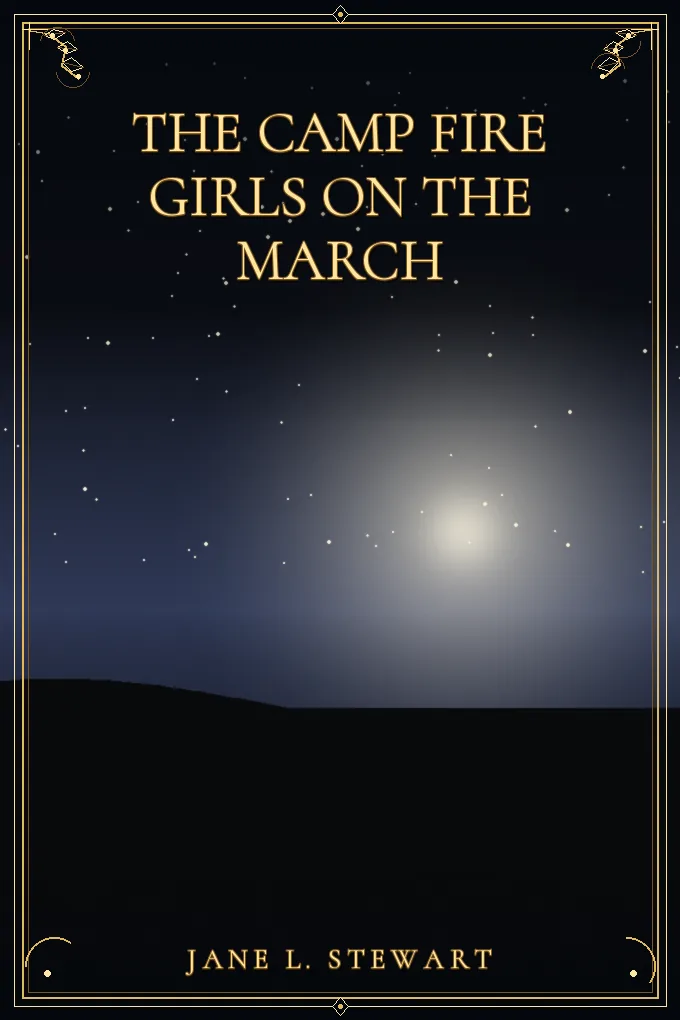
Cover illustration for The Camp Fire Girls on the March
Context Illustration Reading 1/37 · 5 lines
English subtitles · tap any word to listen 1 / 5
A STARTLING DISCOVERY "Bessie, why are you looking so glum?" asked Dolly, as they started on the last part of their walk, taking the Windsor road.

"Am I?
I didn't realize I was, Dolly.
But--well, I suppose it's because I'm rather sorry we're leaving the mountains."
"I think the seashore is every bit as nice as the mountains.
0:00 / 0:00
Speed 0.75x
AI-generated narration by OpenAI · Slow US English
LEARNER DICTIONARY
Archivist
/ˈɑːrkɪvɪst/
Editorial verification pending

A keeper or guardian of historical records and memories.

The Camp Fire Girls on the March

Chapter IX · Chapter 9

Chapter 9 of The Camp Fire Girls on the March is here in full — 186 sentences across 38 reading sections, with audio for every sentence and word.

Reading 1/37 · 5 reading units · Lines 1–5

Line 1
A STARTLING DISCOVERY "Bessie, why are you looking so glum?" asked Dolly, as they started on the last part of their walk, taking the Windsor road.
Line 2
"Am I?
/æm aɪ/
Line 3
I didn't realize I was, Dolly.
Line 4
But--well, I suppose it's because I'm rather sorry we're leaving the mountains."
Line 5
"I think the seashore is every bit as nice as the mountains.
/aɪ θɪŋk ðə ˈsiːʃɔːr ɪz ˈevəri bɪt æz naɪs æz ðə ˈmaʊntənz/

Learner Dictionary

These definitions explain words found in the current reading and keep every example grounded in its original sentence.

Oxford-style entry order: headword, part of speech, US IPA, concise definition, contextual example, and audio.

discovery noun US /dɪˈskʌvəri/

the act of discovering something

From this reading “A STARTLING DISCOVERY "Bessie, why are you looking so glum?" asked Dolly, as they started on the last part of their walk, taking the Windsor road.”

Dolly noun US /ˈdɑːli/

conveyance consisting of a wheeled support on which a camera can be mounted

From this reading “A STARTLING DISCOVERY "Bessie, why are you looking so glum?" asked Dolly, as they started on the last part of their walk, taking the Windsor road.”

glum adjective US /ɡlʌm/

moody and melancholic

From this reading “A STARTLING DISCOVERY "Bessie, why are you looking so glum?" asked Dolly, as they started on the last part of their walk, taking the Windsor road.”

mountains noun US /ˈmaʊntənz/

plural of “mountain” — a land mass that projects well above its surroundings; higher than a hill

From this reading “But--well, I suppose it's because I'm rather sorry we're leaving the mountains."”

realize verb US /ˈriːəlaɪz/

be fully aware or cognizant of

From this reading “I didn't realize I was, Dolly.”

seashore noun US /ˈsiːʃɔːr/

the shore of a sea or ocean

From this reading “"I think the seashore is every bit as nice as the mountains.”

startling adjective US /ˈstɑːrtlɪŋ/

so remarkably different or sudden as to cause momentary shock or alarm

From this reading “A STARTLING DISCOVERY "Bessie, why are you looking so glum?" asked Dolly, as they started on the last part of their walk, taking the Windsor road.”

Windsor noun US /ˈwɪnzər/

a city in southeastern Ontario on the Detroit River opposite Detroit

From this reading “A STARTLING DISCOVERY "Bessie, why are you looking so glum?" asked Dolly, as they started on the last part of their walk, taking the Windsor road.”

All words in this reading · 47

Every word in these five lines is listed here, and every one of them can be played on its own.

Dictionary details are shown only when verified; these are not licensed Oxford entries.

AdeterminerUS /ə/

used before a singular noun to mean one of a group, when it is not a particular one

From this reading A STARTLING DISCOVERY "Bessie, why are you looking so glum?" asked Dolly, as they started on the last part of their walk, taking the Windsor road.

Amauxiliary verbUS /æm/

the form of “be” used with “I”

From this reading "Am I?

areauxiliary verbUS /ɑːr/

the form of “be” used with you, we, they, or a plural noun

From this reading A STARTLING DISCOVERY "Bessie, why are you looking so glum?" asked Dolly, as they started on the last part of their walk, taking the Windsor road.

asconjunctionUS /æz/

at the same time that; because; in the way that

From this reading A STARTLING DISCOVERY "Bessie, why are you looking so glum?" asked Dolly, as they started on the last part of their walk, taking the Windsor road.

askedverbUS /æskt/

past form of “ask” — make a request or demand for something to somebody

From this reading A STARTLING DISCOVERY "Bessie, why are you looking so glum?" asked Dolly, as they started on the last part of their walk, taking the Windsor road.

becauseconjunctionUS /bɪˈkɔːz/

for the reason that

From this reading But--well, I suppose it's because I'm rather sorry we're leaving the mountains."

Bessie

Dictionary entry pending editorial verification. Tap Listen to hear the word.

From this reading A STARTLING DISCOVERY "Bessie, why are you looking so glum?" asked Dolly, as they started on the last part of their walk, taking the Windsor road.

bitnounUS /bɪt/

a small piece or quantity of something

From this reading "I think the seashore is every bit as nice as the mountains.

ButconjunctionUS /bʌt/

used to introduce something that contrasts with what came before

From this reading But--well, I suppose it's because I'm rather sorry we're leaving the mountains."

didn't

Dictionary entry pending editorial verification. Tap Listen to hear the word.

From this reading I didn't realize I was, Dolly.

DISCOVERYnounUS /dɪˈskʌvəri/

the act of discovering something

From this reading A STARTLING DISCOVERY "Bessie, why are you looking so glum?" asked Dolly, as they started on the last part of their walk, taking the Windsor road.

DollynounUS /ˈdɑːli/

conveyance consisting of a wheeled support on which a camera can be mounted

From this reading A STARTLING DISCOVERY "Bessie, why are you looking so glum?" asked Dolly, as they started on the last part of their walk, taking the Windsor road.

everydeterminerUS /ˈevəri/

all the members of a group, with none left out

From this reading "I think the seashore is every bit as nice as the mountains.

glumadjectiveUS /ɡlʌm/

moody and melancholic

From this reading A STARTLING DISCOVERY "Bessie, why are you looking so glum?" asked Dolly, as they started on the last part of their walk, taking the Windsor road.

IpronounUS /aɪ/

the person speaking or writing, as the subject of the verb

From this reading "Am I?

I'm

Dictionary entry pending editorial verification. Tap Listen to hear the word.

From this reading But--well, I suppose it's because I'm rather sorry we're leaving the mountains."

isauxiliary verbUS /ɪz/

the form of “be” used with he, she, it, or a singular noun

From this reading "I think the seashore is every bit as nice as the mountains.

it's

Dictionary entry pending editorial verification. Tap Listen to hear the word.

From this reading But--well, I suppose it's because I'm rather sorry we're leaving the mountains."

lastadjectiveUS /læst/

immediately past

From this reading A STARTLING DISCOVERY "Bessie, why are you looking so glum?" asked Dolly, as they started on the last part of their walk, taking the Windsor road.

leavingnounUS /ˈliːvɪŋ/

the act of departing

From this reading But--well, I suppose it's because I'm rather sorry we're leaving the mountains."

lookingnounUS /ˈlʊkɪŋ/

the act of directing the eyes toward something and perceiving it visually

From this reading A STARTLING DISCOVERY "Bessie, why are you looking so glum?" asked Dolly, as they started on the last part of their walk, taking the Windsor road.

mountainsnounUS /ˈmaʊntənz/

plural of “mountain” — a land mass that projects well above its surroundings; higher than a hill

From this reading But--well, I suppose it's because I'm rather sorry we're leaving the mountains."

niceadjectiveUS /naɪs/

pleasant or pleasing or agreeable in nature or appearance

From this reading "I think the seashore is every bit as nice as the mountains.

ofprepositionUS /ʌv/

belonging to, or connected with, somebody or something

From this reading A STARTLING DISCOVERY "Bessie, why are you looking so glum?" asked Dolly, as they started on the last part of their walk, taking the Windsor road.

onprepositionUS /ɑːn/

touching and supported by a surface

From this reading A STARTLING DISCOVERY "Bessie, why are you looking so glum?" asked Dolly, as they started on the last part of their walk, taking the Windsor road.

partnounUS /pɑːrt/

something determined in relation to something that includes it

From this reading A STARTLING DISCOVERY "Bessie, why are you looking so glum?" asked Dolly, as they started on the last part of their walk, taking the Windsor road.

ratheradverbUS /ˈræðər/

on the contrary

From this reading But--well, I suppose it's because I'm rather sorry we're leaving the mountains."

realizeverbUS /ˈriːəlaɪz/

be fully aware or cognizant of

From this reading I didn't realize I was, Dolly.

roadnounUS /roʊd/

an open way (generally public) for travel or transportation

From this reading A STARTLING DISCOVERY "Bessie, why are you looking so glum?" asked Dolly, as they started on the last part of their walk, taking the Windsor road.

seashorenounUS /ˈsiːʃɔːr/

the shore of a sea or ocean

From this reading "I think the seashore is every bit as nice as the mountains.

soconjunctionUS /soʊ/

for that reason; with the result that

From this reading A STARTLING DISCOVERY "Bessie, why are you looking so glum?" asked Dolly, as they started on the last part of their walk, taking the Windsor road.

sorryadjectiveUS /ˈsɑːri/

feeling or expressing regret or sorrow or a sense of loss over something done or undone

From this reading But--well, I suppose it's because I'm rather sorry we're leaving the mountains."

startedverbUS /ˈstɑːrtɪd/

past form of “start” — take the first step or steps in carrying out an action

From this reading A STARTLING DISCOVERY "Bessie, why are you looking so glum?" asked Dolly, as they started on the last part of their walk, taking the Windsor road.

STARTLINGadjectiveUS /ˈstɑːrtlɪŋ/

so remarkably different or sudden as to cause momentary shock or alarm

From this reading A STARTLING DISCOVERY "Bessie, why are you looking so glum?" asked Dolly, as they started on the last part of their walk, taking the Windsor road.

supposeverbUS /səˈpoʊz/

express a supposition

From this reading But--well, I suppose it's because I'm rather sorry we're leaving the mountains."

takingnounUS /ˈteɪkɪŋ/

the act of someone who picks up or takes something

From this reading A STARTLING DISCOVERY "Bessie, why are you looking so glum?" asked Dolly, as they started on the last part of their walk, taking the Windsor road.

thedeterminerUS /ðə/

used before a noun that is already known, already mentioned, or the only one of its kind

From this reading A STARTLING DISCOVERY "Bessie, why are you looking so glum?" asked Dolly, as they started on the last part of their walk, taking the Windsor road.

theirdeterminerUS /ðer/

belonging to the people or things already mentioned

From this reading A STARTLING DISCOVERY "Bessie, why are you looking so glum?" asked Dolly, as they started on the last part of their walk, taking the Windsor road.

theypronounUS /ðeɪ/

the people, animals, or things already mentioned, as the subject

From this reading A STARTLING DISCOVERY "Bessie, why are you looking so glum?" asked Dolly, as they started on the last part of their walk, taking the Windsor road.

thinkverbUS /θɪŋk/

judge or regard; look upon; judge

From this reading "I think the seashore is every bit as nice as the mountains.

walknounUS /wɔːk/

the act of traveling by foot

From this reading A STARTLING DISCOVERY "Bessie, why are you looking so glum?" asked Dolly, as they started on the last part of their walk, taking the Windsor road.

wasauxiliary verbUS /wɑːz/

the past form of “be” used with I, he, she, it, or a singular noun

From this reading I didn't realize I was, Dolly.

we're

Dictionary entry pending editorial verification. Tap Listen to hear the word.

From this reading But--well, I suppose it's because I'm rather sorry we're leaving the mountains."

welladverbUS /wel/

(often used as a combining form) in a good or proper or satisfactory manner or to a high standard (“good” is a nonstandard dialectal variant for “well”)

From this reading But--well, I suppose it's because I'm rather sorry we're leaving the mountains."

whynounUS /waɪ/

the cause or intention underlying an action or situation, especially in the phrase “the whys and wherefores”

From this reading A STARTLING DISCOVERY "Bessie, why are you looking so glum?" asked Dolly, as they started on the last part of their walk, taking the Windsor road.

WindsornounUS /ˈwɪnzər/

a city in southeastern Ontario on the Detroit River opposite Detroit

From this reading A STARTLING DISCOVERY "Bessie, why are you looking so glum?" asked Dolly, as they started on the last part of their walk, taking the Windsor road.

youpronounUS /juː/

the person or people being spoken to

From this reading A STARTLING DISCOVERY "Bessie, why are you looking so glum?" asked Dolly, as they started on the last part of their walk, taking the Windsor road.

Chapter 9 of The Camp Fire Girls on the March by Jane L. Stewart holds 186 sentences, grouped into 38 reading sections of at most 5 sentences. The text is the source edition, unabridged, and the chapter records which sentences cover which part of the work so that nothing is dropped. Every word can be tapped for its pronunciation and dictionary entry.

What does chapter 9 of The Camp Fire Girls on the March contain?

Chapter 9 holds 186 sentences of The Camp Fire Girls on the March, unabridged, divided into 38 reading sections.

This page carries chapter 9 of The Camp Fire Girls on the March by Jane L. Stewart exactly as it stands in the source edition, without abridgement. It runs to 186 sentences, grouped into 38 sections of at most 5 sentences so that a reader can take the chapter in steady, finishable pieces. The chapter also stores a coverage record mapping every one of its sentences to a part of the work, which is how the edition demonstrates that no line was dropped.

How do I study chapter 9 of The Camp Fire Girls on the March?

Work through the 38 sections in order, replaying any sentence and tapping unfamiliar words for their entries.

Each of the 38 sections in this chapter is short enough to read once, hear once, and then re-read with the vocabulary in view. Tapping a word plays it alone and opens its dictionary entry with IPA, part of speech and meaning, so the reader is never forced to guess a pronunciation from spelling. Working section by section keeps a long chapter from becoming an undifferentiated wall of text, which is the usual reason a reader abandons a work of this period.

Can chapter 9 be read aloud to me?

Yes — every sentence and every individual word in chapter 9 can be played aloud in United States English.

Audio covers the whole chapter: any sentence can be played, and any single word within it can be played on its own. The voice uses United States English. For a work of this period that matters, because spelling is an unreliable guide to pronunciation for vocabulary that has fallen out of daily use, and a learner who guesses wrong tends to keep the error. Hearing the word in its own sentence, and then alone, settles it.

Questions about reading The Camp Fire Girls on the March

Common questions about reading The Camp Fire Girls on the March by Jane L. Stewart on this page, its source edition and its audio.

Is this the complete text of The Camp Fire Girls on the March?

Yes. All 2687 sentences of Project Gutenberg eBook #20822 are kept, with a record of which sentences cover which part.

Which edition of The Camp Fire Girls on the March is used?

Project Gutenberg eBook #20822, unabridged. The Project Gutenberg header, footer and licence are removed.

How long does The Camp Fire Girls on the March take to read?

About 223 minutes of reading across 538 sections of 5 sentences each, at an unhurried pace.

How to read The Camp Fire Girls on the March section by section

How to work through The Camp Fire Girls on the March section by section, using the audio and the tap-to-define vocabulary.

  1. Open a chapter

    Choose one of the 15 chapters of The Camp Fire Girls on the March to begin.

  2. Read one section

    Each section holds 5 sentences; read it once through.

  3. Listen and tap

    Play the section aloud, then tap any unfamiliar word for its entry.

Vocabulary met early in The Camp Fire Girls on the March

Words and structures a reader meets early in The Camp Fire Girls on the March, each tappable for pronunciation and meaning.

Glorious
A word that appears in the opening chapter of The Camp Fire Girls on the March; the reader can tap it to hear it and see its dictionary entry.
Cried
A word that appears in the opening chapter of The Camp Fire Girls on the March; the reader can tap it to hear it and see its dictionary entry.
Bessie
A word that appears in the opening chapter of The Camp Fire Girls on the March; the reader can tap it to hear it and see its dictionary entry.
First
A word that appears in the opening chapter of The Camp Fire Girls on the March; the reader can tap it to hear it and see its dictionary entry.