Complete classic literature • Five-line readings • Clear US narration
VELMORA ACADEMY
Academy of Archival Languages & Memory Studies
Menu Close
The Cave Boy of the Age of Stone

Chapter VI · Chapter 6

Chapter 6 of The Cave Boy of the Age of Stone is here in full — 103 sentences across 21 reading sections, with audio for every sentence and word.

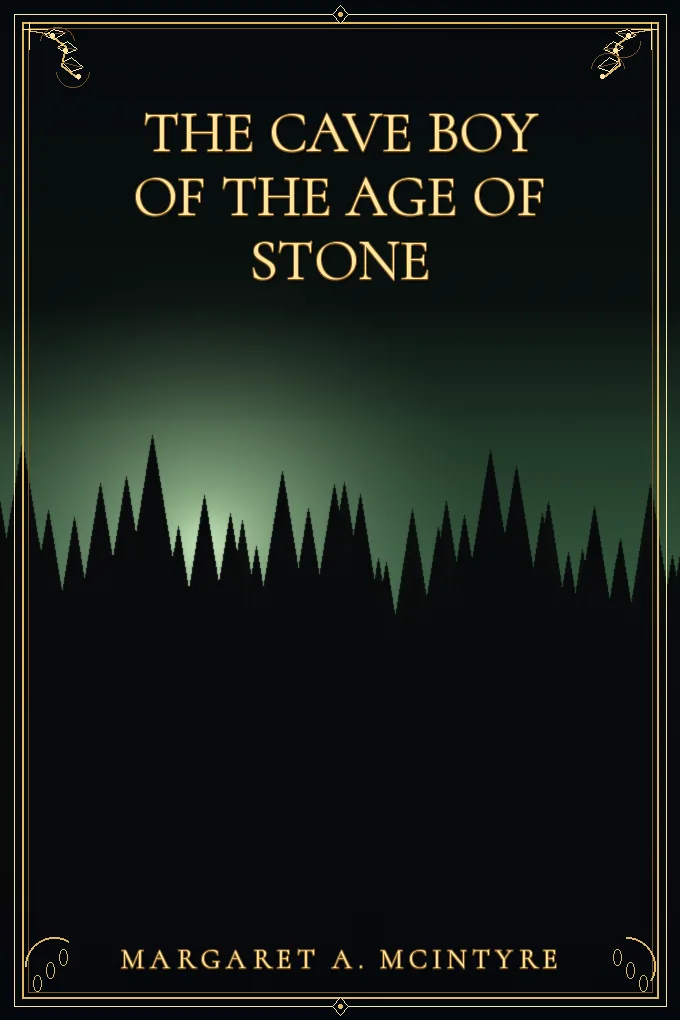
Cover illustration for The Cave Boy of the Age of Stone
Context Illustration Reading 1/20 · 5 lines
English subtitles · tap any word to listen 1 / 5
THE COMING OF FIRE When Strongarm came back from the hunt, he found the cave cold and dark and wet.
A stream of water was running down through the smoke-hole.
It had put out the fire.
The ashes, too, were wet; and there were no coals from which to start the fire again.
He looked at the black fire-place.
0:00 / 0:00
Speed 0.75x
AI-generated narration by OpenAI · Slow US English
LEARNER DICTIONARY
Archivist
/ˈɑːrkɪvɪst/
Editorial verification pending

A keeper or guardian of historical records and memories.

The Cave Boy of the Age of Stone

Chapter VI · Chapter 6

Chapter 6 of The Cave Boy of the Age of Stone is here in full — 103 sentences across 21 reading sections, with audio for every sentence and word.

Reading 1/20 · 5 reading units · Lines 1–5

Line 1
THE COMING OF FIRE When Strongarm came back from the hunt, he found the cave cold and dark and wet.
Line 2
A stream of water was running down through the smoke-hole.
Line 3
It had put out the fire.
/ɪt hæd pʊt aʊt ðə ˈfaɪər/
Line 4
The ashes, too, were wet; and there were no coals from which to start the fire again.
/ðə ˈæʃ.ɪz tuː wɜːr wet ənd ðer wɜːr noʊ koʊlz frʌm wɪtʃ tuː stɑːrt ðə ˈfaɪər əˈɡen/
Line 5
He looked at the black fire-place.

Learner Dictionary

These definitions explain words found in the current reading and keep every example grounded in its original sentence.

Oxford-style entry order: headword, part of speech, US IPA, concise definition, contextual example, and audio.

ashes noun US /ˈæʃ.ɪz/

The powdery residue left after the burning of a substance.

From this reading “The ashes, too, were wet; and there were no coals from which to start the fire again.”

cave noun US /keɪv/

a geological formation consisting of an underground enclosure with access from the surface of the ground or from the sea

From this reading “THE COMING OF FIRE When Strongarm came back from the hunt, he found the cave cold and dark and wet.”

coals noun US /koʊlz/

plural of “coal” — fossil fuel consisting of carbonized vegetable matter deposited in the Carboniferous period

From this reading “The ashes, too, were wet; and there were no coals from which to start the fire again.”

hunt verb US /hʌnt/

pursue for food or sport (as of wild animals)

From this reading “THE COMING OF FIRE When Strongarm came back from the hunt, he found the cave cold and dark and wet.”

running adjective US /ˈrʌnɪŋ/

(of fluids) moving or issuing in a stream

From this reading “A stream of water was running down through the smoke-hole.”

start verb US /stɑːrt/

take the first step or steps in carrying out an action

From this reading “The ashes, too, were wet; and there were no coals from which to start the fire again.”

stream noun US /striːm/

a natural body of running water flowing on or under the earth

From this reading “A stream of water was running down through the smoke-hole.”

wet adjective US /wet/

covered or soaked with a liquid such as water

From this reading “THE COMING OF FIRE When Strongarm came back from the hunt, he found the cave cold and dark and wet.”

All words in this reading · 43

Every word in these five lines is listed here, and every one of them can be played on its own.

Dictionary details are shown only when verified; these are not licensed Oxford entries.

AdeterminerUS /ə/

used before a singular noun to mean one of a group, when it is not a particular one

From this reading A stream of water was running down through the smoke-hole.

againadverbUS /əˈɡen/

anew

From this reading The ashes, too, were wet; and there were no coals from which to start the fire again.

andconjunctionUS /ənd/

used to join words or parts of a sentence that go together

From this reading THE COMING OF FIRE When Strongarm came back from the hunt, he found the cave cold and dark and wet.

ashesnounUS /ˈæʃ.ɪz/

The powdery residue left after the burning of a substance.

From this reading The ashes, too, were wet; and there were no coals from which to start the fire again.

atprepositionUS /æt/

in or near a particular place or position

From this reading He looked at the black fire-place.

backadverbUS /bæk/

in or to or toward a former location

From this reading THE COMING OF FIRE When Strongarm came back from the hunt, he found the cave cold and dark and wet.

blackadjectiveUS /blæk/

being of the achromatic color of maximum darkness; having little or no hue owing to absorption of almost all incident light

From this reading He looked at the black fire-place.

cameverbUS /keɪm/

inflected form of “come” — move toward, travel toward something or somebody or approach something or somebody

From this reading THE COMING OF FIRE When Strongarm came back from the hunt, he found the cave cold and dark and wet.

cavenounUS /keɪv/

a geological formation consisting of an underground enclosure with access from the surface of the ground or from the sea

From this reading THE COMING OF FIRE When Strongarm came back from the hunt, he found the cave cold and dark and wet.

coalsnounUS /koʊlz/

plural of “coal” — fossil fuel consisting of carbonized vegetable matter deposited in the Carboniferous period

From this reading The ashes, too, were wet; and there were no coals from which to start the fire again.

coldadjectiveUS /koʊld/

having a low or inadequate temperature or feeling a sensation of coldness or having been made cold by e.g. ice or refrigeration

From this reading THE COMING OF FIRE When Strongarm came back from the hunt, he found the cave cold and dark and wet.

COMINGnounUS /ˈkʌmɪŋ/

the act of drawing spatially closer to something

From this reading THE COMING OF FIRE When Strongarm came back from the hunt, he found the cave cold and dark and wet.

darknounUS /dɑːrk/

absence of light or illumination

From this reading THE COMING OF FIRE When Strongarm came back from the hunt, he found the cave cold and dark and wet.

downadjectiveUS /daʊn/

being or moving lower in position or less in some value

From this reading A stream of water was running down through the smoke-hole.

FIREverbUS /ˈfaɪər/

start firing a weapon

From this reading THE COMING OF FIRE When Strongarm came back from the hunt, he found the cave cold and dark and wet.

fire-place

Dictionary entry pending editorial verification. Tap Listen to hear the word.

From this reading He looked at the black fire-place.

foundverbUS /faʊnd/

set up or found

From this reading THE COMING OF FIRE When Strongarm came back from the hunt, he found the cave cold and dark and wet.

fromprepositionUS /frʌm/

showing where something starts, or who sent it

From this reading THE COMING OF FIRE When Strongarm came back from the hunt, he found the cave cold and dark and wet.

hadauxiliary verbUS /hæd/

the past form of “have”, used to form the past perfect

From this reading It had put out the fire.

hepronounUS /hiː/

a man, boy, or male animal already mentioned, as the subject

From this reading THE COMING OF FIRE When Strongarm came back from the hunt, he found the cave cold and dark and wet.

huntverbUS /hʌnt/

pursue for food or sport (as of wild animals)

From this reading THE COMING OF FIRE When Strongarm came back from the hunt, he found the cave cold and dark and wet.

ItpronounUS /ɪt/

a thing, animal, or idea already mentioned

From this reading It had put out the fire.

lookedverbUS /lʊkt/

past form of “look” — perceive with attention; direct one's gaze towards

From this reading He looked at the black fire-place.

nodeterminerUS /noʊ/

not any; not one

From this reading The ashes, too, were wet; and there were no coals from which to start the fire again.

OFprepositionUS /ʌv/

belonging to, or connected with, somebody or something

From this reading THE COMING OF FIRE When Strongarm came back from the hunt, he found the cave cold and dark and wet.

outadjectiveUS /aʊt/

not allowed to continue to bat or run

From this reading It had put out the fire.

putverbUS /pʊt/

put into a certain place or abstract location

From this reading It had put out the fire.

runningadjectiveUS /ˈrʌnɪŋ/

(of fluids) moving or issuing in a stream

From this reading A stream of water was running down through the smoke-hole.

smoke-hole

Dictionary entry pending editorial verification. Tap Listen to hear the word.

From this reading A stream of water was running down through the smoke-hole.

startverbUS /stɑːrt/

take the first step or steps in carrying out an action

From this reading The ashes, too, were wet; and there were no coals from which to start the fire again.

streamnounUS /striːm/

a natural body of running water flowing on or under the earth

From this reading A stream of water was running down through the smoke-hole.

Strongarm

Dictionary entry pending editorial verification. Tap Listen to hear the word.

From this reading THE COMING OF FIRE When Strongarm came back from the hunt, he found the cave cold and dark and wet.

THEdeterminerUS /ðə/

used before a noun that is already known, already mentioned, or the only one of its kind

From this reading THE COMING OF FIRE When Strongarm came back from the hunt, he found the cave cold and dark and wet.

thereadverbUS /ðer/

in or at that place or location

From this reading The ashes, too, were wet; and there were no coals from which to start the fire again.

throughprepositionUS /θruː/

from one end or side of something to the other

From this reading A stream of water was running down through the smoke-hole.

toparticleUS /tuː/

used before the base form of a verb to make the infinitive

From this reading The ashes, too, were wet; and there were no coals from which to start the fire again.

tooadverbUS /tuː/

to a degree exceeding normal or proper limits

From this reading The ashes, too, were wet; and there were no coals from which to start the fire again.

wasauxiliary verbUS /wɑːz/

the past form of “be” used with I, he, she, it, or a singular noun

From this reading A stream of water was running down through the smoke-hole.

waternounUS /ˈwɔːtər/

binary compound that occurs at room temperature as a clear colorless odorless tasteless liquid; freezes into ice below 0 degrees centigrade and boils above 100 degrees centigrade; widely used as a solvent

From this reading A stream of water was running down through the smoke-hole.

wereauxiliary verbUS /wɜːr/

the past form of “be” used with you, we, they, or a plural noun

From this reading The ashes, too, were wet; and there were no coals from which to start the fire again.

wetadjectiveUS /wet/

covered or soaked with a liquid such as water

From this reading THE COMING OF FIRE When Strongarm came back from the hunt, he found the cave cold and dark and wet.

WhenconjunctionUS /wen/

at the time that

From this reading THE COMING OF FIRE When Strongarm came back from the hunt, he found the cave cold and dark and wet.

whichpronounUS /wɪtʃ/

used to introduce a clause giving more about a thing just mentioned

From this reading The ashes, too, were wet; and there were no coals from which to start the fire again.

Chapter 6 of The Cave Boy of the Age of Stone by Margaret A. McIntyre holds 103 sentences, grouped into 21 reading sections of at most 5 sentences. The text is the source edition, unabridged, and the chapter records which sentences cover which part of the work so that nothing is dropped. Every word can be tapped for its pronunciation and dictionary entry.

What does chapter 6 of The Cave Boy of the Age of Stone contain?

Chapter 6 holds 103 sentences of The Cave Boy of the Age of Stone, unabridged, divided into 21 reading sections.

This page carries chapter 6 of The Cave Boy of the Age of Stone by Margaret A. McIntyre exactly as it stands in the source edition, without abridgement. It runs to 103 sentences, grouped into 21 sections of at most 5 sentences so that a reader can take the chapter in steady, finishable pieces. The chapter also stores a coverage record mapping every one of its sentences to a part of the work, which is how the edition demonstrates that no line was dropped.

How do I study chapter 6 of The Cave Boy of the Age of Stone?

Work through the 21 sections in order, replaying any sentence and tapping unfamiliar words for their entries.

Each of the 21 sections in this chapter is short enough to read once, hear once, and then re-read with the vocabulary in view. Tapping a word plays it alone and opens its dictionary entry with IPA, part of speech and meaning, so the reader is never forced to guess a pronunciation from spelling. Working section by section keeps a long chapter from becoming an undifferentiated wall of text, which is the usual reason a reader abandons a work of this period.

Can chapter 6 be read aloud to me?

Yes — every sentence and every individual word in chapter 6 can be played aloud in United States English.

Audio covers the whole chapter: any sentence can be played, and any single word within it can be played on its own. The voice uses United States English. For a work of this period that matters, because spelling is an unreliable guide to pronunciation for vocabulary that has fallen out of daily use, and a learner who guesses wrong tends to keep the error. Hearing the word in its own sentence, and then alone, settles it.

Questions about reading The Cave Boy of the Age of Stone

Common questions about reading The Cave Boy of the Age of Stone by Margaret A. McIntyre on this page, its source edition and its audio.

Is this the complete text of The Cave Boy of the Age of Stone?

Yes. All 1218 sentences of Project Gutenberg eBook #18576 are kept, with a record of which sentences cover which part.

Which edition of The Cave Boy of the Age of Stone is used?

Project Gutenberg eBook #18576, unabridged. The Project Gutenberg header, footer and licence are removed.

How long does The Cave Boy of the Age of Stone take to read?

About 101 minutes of reading across 244 sections of 5 sentences each, at an unhurried pace.

How to read The Cave Boy of the Age of Stone section by section

How to work through The Cave Boy of the Age of Stone section by section, using the audio and the tap-to-define vocabulary.

  1. Open a chapter

    Choose one of the 18 chapters of The Cave Boy of the Age of Stone to begin.

  2. Read one section

    Each section holds 5 sentences; read it once through.

  3. Listen and tap

    Play the section aloud, then tap any unfamiliar word for its entry.

Vocabulary met early in The Cave Boy of the Age of Stone

Words and structures a reader meets early in The Cave Boy of the Age of Stone, each tappable for pronunciation and meaning.

Spring
A word that appears in the opening chapter of The Cave Boy of the Age of Stone; the reader can tap it to hear it and see its dictionary entry.
Thousands
A word that appears in the opening chapter of The Cave Boy of the Age of Stone; the reader can tap it to hear it and see its dictionary entry.
Years
A word that appears in the opening chapter of The Cave Boy of the Age of Stone; the reader can tap it to hear it and see its dictionary entry.
Little
A word that appears in the opening chapter of The Cave Boy of the Age of Stone; the reader can tap it to hear it and see its dictionary entry.