Complete classic literature • Five-line readings • Clear US narration
VELMORA ACADEMY
Academy of Archival Languages & Memory Studies
Menu Close
The Chase of the Ruby

Chapter IX

Chapter 9 of The Chase of the Ruby is here in full — 372 sentences across 75 reading sections, with audio for every sentence and word.

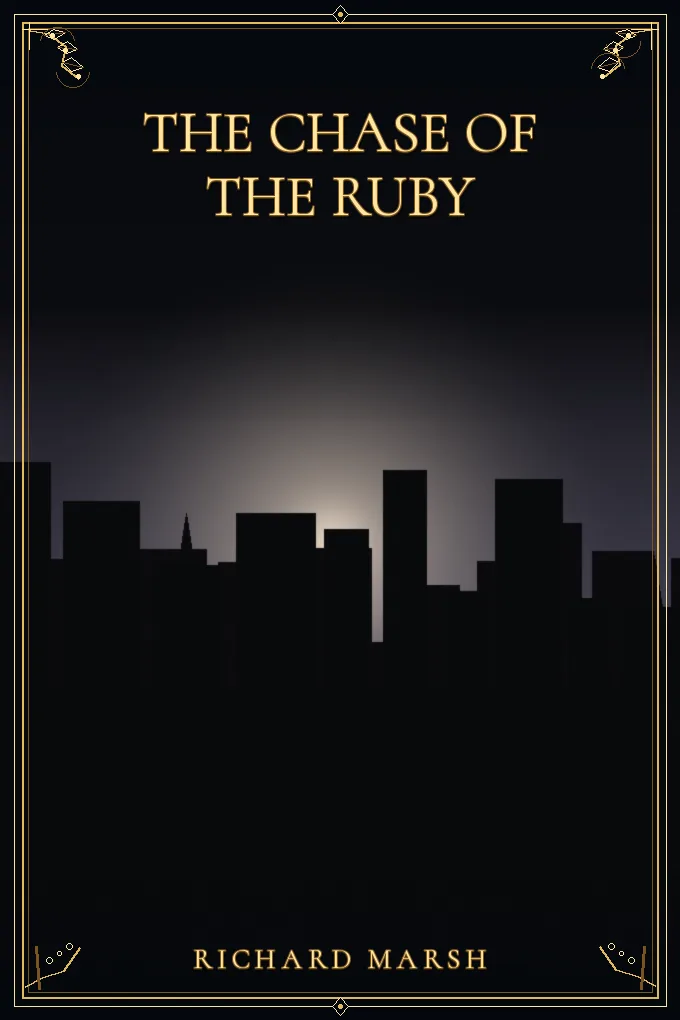
Cover illustration for The Chase of the Ruby
Context Illustration Reading 1/74 · 5 lines
English subtitles · tap any word to listen 1 / 5
THE FLYMAN The assailant remained, for a second or two, looking down on his recumbent victim.
He retained his grip upon his weapon, as if anticipating the possibility of having to strike with it another blow.
But, no, the first had done its work.
Mr Holland lay quite still, in an ugly heap, as men only lie who have been stricken hard.
His assailant touched him with his foot, as if to make quite sure.
0:00 / 0:00
Speed 0.75x
AI-generated narration by OpenAI · Slow US English
LEARNER DICTIONARY
Archivist
/ˈɑːrkɪvɪst/
Editorial verification pending

A keeper or guardian of historical records and memories.

The Chase of the Ruby

Chapter IX

Chapter 9 of The Chase of the Ruby is here in full — 372 sentences across 75 reading sections, with audio for every sentence and word.

Reading 1/74 · 5 reading units · Lines 1–5

Line 1
THE FLYMAN The assailant remained, for a second or two, looking down on his recumbent victim.
Line 2
He retained his grip upon his weapon, as if anticipating the possibility of having to strike with it another blow.
/hiː rɪˈteɪnd hɪz ɡrɪp əˈpɑːn hɪz ˈwepən æz ɪf ænˈtɪsəpeɪtɪŋ ðə ˌpɑːsəˈbɪlətiː ʌv ˈhævɪŋ tuː straɪk wɪð ɪt əˈnʌðər bloʊ/
Line 3
But, no, the first had done its work.
/bʌt noʊ ðə fɜːrst hæd dʌn ɪts wɜːrk/
Line 4
Mr Holland lay quite still, in an ugly heap, as men only lie who have been stricken hard.
/ˈmɪstər ˈhɑːlənd leɪ kwaɪt stɪl ɪn æn ˈʌɡli hiːp æz men ˈoʊnli laɪ huː hæv bɪn ˈstrɪkən hɑːrd/
Line 5
His assailant touched him with his foot, as if to make quite sure.
/hɪz əˈseɪlənt tʌtʃt hɪm wɪð hɪz fʊt æz ɪf tuː meɪk kwaɪt ʃʊr/

Learner Dictionary

These definitions explain words found in the current reading and keep every example grounded in its original sentence.

Oxford-style entry order: headword, part of speech, US IPA, concise definition, contextual example, and audio.

anticipating verb US /ænˈtɪsəpeɪtɪŋ/

-ing form of “anticipate” — regard something as probable or likely

From this reading “He retained his grip upon his weapon, as if anticipating the possibility of having to strike with it another blow.”

assailant noun US /əˈseɪlənt/

someone who attacks

From this reading “THE FLYMAN The assailant remained, for a second or two, looking down on his recumbent victim.”

grip noun US /ɡrɪp/

the act of grasping

From this reading “He retained his grip upon his weapon, as if anticipating the possibility of having to strike with it another blow.”

Holland noun US /ˈhɑːlənd/

a constitutional monarchy in western Europe on the North Sea; half the country lies below sea level

From this reading “Mr Holland lay quite still, in an ugly heap, as men only lie who have been stricken hard.”

possibility noun US /ˌpɑːsəˈbɪlətiː/

a future prospect or potential

From this reading “He retained his grip upon his weapon, as if anticipating the possibility of having to strike with it another blow.”

retained adjective US /rɪˈteɪnd/

continued in your keeping or use or memory

From this reading “He retained his grip upon his weapon, as if anticipating the possibility of having to strike with it another blow.”

stricken adjective US /ˈstrɪkən/

grievously affected especially by disease

From this reading “Mr Holland lay quite still, in an ugly heap, as men only lie who have been stricken hard.”

weapon noun US /ˈwepən/

any instrument or instrumentality used in fighting or hunting

From this reading “He retained his grip upon his weapon, as if anticipating the possibility of having to strike with it another blow.”

Word partnerships in these lines

English keeps certain words together, and knowing the pair is worth more than knowing each word alone. Every partnership below was counted across our whole published library, and earns its place by appearing far more often than two unrelated words of the same frequency would.

Shown as this reading writes them, with the form the library counts, what kind of pairing it is, and how often it occurs.

quite sure adverb + adjective

In this reading “His assailant touched him with his foot, as if to make quite sure.”

quite still adverb + adjective

In this reading “Mr Holland lay quite still, in an ugly heap, as men only lie who have been stricken hard.”

for a second preposition + article + noun counted as “for … second”

In this reading “THE FLYMAN The assailant remained, for a second or two, looking down on his recumbent victim.”

All words in this reading · 61

Every word in these five lines is listed here, and every one of them can be played on its own.

Dictionary details are shown only when verified; these are not licensed Oxford entries.

adeterminerUS /ə/

used before a singular noun to mean one of a group, when it is not a particular one

From this reading THE FLYMAN The assailant remained, for a second or two, looking down on his recumbent victim.

andeterminerUS /æn/

the form of “a” used before a word that begins with a vowel sound

From this reading Mr Holland lay quite still, in an ugly heap, as men only lie who have been stricken hard.

anotherdeterminerUS /əˈnʌðər/

one more of the same kind, or a different one

From this reading He retained his grip upon his weapon, as if anticipating the possibility of having to strike with it another blow.

anticipatingverbUS /ænˈtɪsəpeɪtɪŋ/

-ing form of “anticipate” — regard something as probable or likely

From this reading He retained his grip upon his weapon, as if anticipating the possibility of having to strike with it another blow.

asconjunctionUS /æz/

at the same time that; because; in the way that

From this reading He retained his grip upon his weapon, as if anticipating the possibility of having to strike with it another blow.

assailantnounUS /əˈseɪlənt/

someone who attacks

From this reading THE FLYMAN The assailant remained, for a second or two, looking down on his recumbent victim.

beenauxiliary verbUS /bɪn/

the past participle of “be”

From this reading Mr Holland lay quite still, in an ugly heap, as men only lie who have been stricken hard.

blowverbUS /bloʊ/

exhale hard

From this reading He retained his grip upon his weapon, as if anticipating the possibility of having to strike with it another blow.

ButconjunctionUS /bʌt/

used to introduce something that contrasts with what came before

From this reading But, no, the first had done its work.

doneadjectiveUS /dʌn/

having finished or arrived at completion

From this reading But, no, the first had done its work.

downadjectiveUS /daʊn/

being or moving lower in position or less in some value

From this reading THE FLYMAN The assailant remained, for a second or two, looking down on his recumbent victim.

firstadjectiveUS /fɜːrst/

preceding all others in time or space or degree

From this reading But, no, the first had done its work.

FLYMAN

Dictionary entry pending editorial verification. Tap Listen to hear the word.

From this reading THE FLYMAN The assailant remained, for a second or two, looking down on his recumbent victim.

footnounUS /fʊt/

the part of the leg of a human being below the ankle joint

From this reading His assailant touched him with his foot, as if to make quite sure.

forprepositionUS /fɔːr/

intended to be given to, or used by, somebody

From this reading THE FLYMAN The assailant remained, for a second or two, looking down on his recumbent victim.

gripnounUS /ɡrɪp/

the act of grasping

From this reading He retained his grip upon his weapon, as if anticipating the possibility of having to strike with it another blow.

hadauxiliary verbUS /hæd/

the past form of “have”, used to form the past perfect

From this reading But, no, the first had done its work.

hardadjectiveUS /hɑːrd/

not easy; requiring great physical or mental effort to accomplish or comprehend or endure

From this reading Mr Holland lay quite still, in an ugly heap, as men only lie who have been stricken hard.

haveauxiliary verbUS /hæv/

used with a past participle to form the perfect tenses

From this reading Mr Holland lay quite still, in an ugly heap, as men only lie who have been stricken hard.

havingauxiliary verbUS /ˈhævɪŋ/

the -ing form of “have”

From this reading He retained his grip upon his weapon, as if anticipating the possibility of having to strike with it another blow.

HepronounUS /hiː/

a man, boy, or male animal already mentioned, as the subject

From this reading He retained his grip upon his weapon, as if anticipating the possibility of having to strike with it another blow.

heapnounUS /hiːp/

a collection of objects laid on top of each other

From this reading Mr Holland lay quite still, in an ugly heap, as men only lie who have been stricken hard.

himpronounUS /hɪm/

the male already mentioned, as the object of a verb or preposition

From this reading His assailant touched him with his foot, as if to make quite sure.

hisdeterminerUS /hɪz/

belonging to a man, boy, or male animal already mentioned

From this reading THE FLYMAN The assailant remained, for a second or two, looking down on his recumbent victim.

HollandnounUS /ˈhɑːlənd/

a constitutional monarchy in western Europe on the North Sea; half the country lies below sea level

From this reading Mr Holland lay quite still, in an ugly heap, as men only lie who have been stricken hard.

ifconjunctionUS /ɪf/

on condition that; in the event that

From this reading He retained his grip upon his weapon, as if anticipating the possibility of having to strike with it another blow.

inprepositionUS /ɪn/

inside something, or within a place, period, or state

From this reading Mr Holland lay quite still, in an ugly heap, as men only lie who have been stricken hard.

itpronounUS /ɪt/

a thing, animal, or idea already mentioned

From this reading He retained his grip upon his weapon, as if anticipating the possibility of having to strike with it another blow.

itsdeterminerUS /ɪts/

belonging to the thing or animal already mentioned

From this reading But, no, the first had done its work.

layverbUS /leɪ/

put into a certain place or abstract location

From this reading Mr Holland lay quite still, in an ugly heap, as men only lie who have been stricken hard.

lieverbUS /laɪ/

be located or situated somewhere; occupy a certain position

From this reading Mr Holland lay quite still, in an ugly heap, as men only lie who have been stricken hard.

lookingnounUS /ˈlʊkɪŋ/

the act of directing the eyes toward something and perceiving it visually

From this reading THE FLYMAN The assailant remained, for a second or two, looking down on his recumbent victim.

makeverbUS /meɪk/

engage in

From this reading His assailant touched him with his foot, as if to make quite sure.

mennounUS /men/

the force of workers available

From this reading Mr Holland lay quite still, in an ugly heap, as men only lie who have been stricken hard.

MrnounUS /ˈmɪstər/

a form of address for a man

From this reading Mr Holland lay quite still, in an ugly heap, as men only lie who have been stricken hard.

nodeterminerUS /noʊ/

not any; not one

From this reading But, no, the first had done its work.

ofprepositionUS /ʌv/

belonging to, or connected with, somebody or something

From this reading He retained his grip upon his weapon, as if anticipating the possibility of having to strike with it another blow.

onprepositionUS /ɑːn/

touching and supported by a surface

From this reading THE FLYMAN The assailant remained, for a second or two, looking down on his recumbent victim.

onlyadverbUS /ˈoʊnli/

and nothing more

From this reading Mr Holland lay quite still, in an ugly heap, as men only lie who have been stricken hard.

orconjunctionUS /ɔːr/

used to join alternatives or possibilities

From this reading THE FLYMAN The assailant remained, for a second or two, looking down on his recumbent victim.

possibilitynounUS /ˌpɑːsəˈbɪlətiː/

a future prospect or potential

From this reading He retained his grip upon his weapon, as if anticipating the possibility of having to strike with it another blow.

quiteadverbUS /kwaɪt/

to a degree (not used with a negative)

From this reading Mr Holland lay quite still, in an ugly heap, as men only lie who have been stricken hard.

recumbentadjective

lying down; in a position of comfort or rest

From this reading THE FLYMAN The assailant remained, for a second or two, looking down on his recumbent victim.

remainedverbUS /rɪˈmeɪnd/

past form of “remain” — stay the same; remain in a certain state

From this reading THE FLYMAN The assailant remained, for a second or two, looking down on his recumbent victim.

retainedadjectiveUS /rɪˈteɪnd/

continued in your keeping or use or memory

From this reading He retained his grip upon his weapon, as if anticipating the possibility of having to strike with it another blow.

secondnounUS /ˈsekənd/

1/60 of a minute; the basic unit of time adopted under the Systeme International d'Unites

From this reading THE FLYMAN The assailant remained, for a second or two, looking down on his recumbent victim.

stilladjectiveUS /stɪl/

not in physical motion

From this reading Mr Holland lay quite still, in an ugly heap, as men only lie who have been stricken hard.

strickenadjectiveUS /ˈstrɪkən/

grievously affected especially by disease

From this reading Mr Holland lay quite still, in an ugly heap, as men only lie who have been stricken hard.

strikeverbUS /straɪk/

deliver a sharp blow, as with the hand, fist, or weapon

From this reading He retained his grip upon his weapon, as if anticipating the possibility of having to strike with it another blow.

sureadjectiveUS /ʃʊr/

having or feeling no doubt or uncertainty; confident and assured

From this reading His assailant touched him with his foot, as if to make quite sure.

THEdeterminerUS /ðə/

used before a noun that is already known, already mentioned, or the only one of its kind

From this reading THE FLYMAN The assailant remained, for a second or two, looking down on his recumbent victim.

toparticleUS /tuː/

used before the base form of a verb to make the infinitive

From this reading He retained his grip upon his weapon, as if anticipating the possibility of having to strike with it another blow.

touchedadjectiveUS /tʌtʃt/

having come into contact

From this reading His assailant touched him with his foot, as if to make quite sure.

twonounUS /tuː/

the cardinal number that is the sum of one and one or a numeral representing this number

From this reading THE FLYMAN The assailant remained, for a second or two, looking down on his recumbent victim.

uglyadjectiveUS /ˈʌɡli/

displeasing to the senses

From this reading Mr Holland lay quite still, in an ugly heap, as men only lie who have been stricken hard.

uponprepositionUS /əˈpɑːn/

a formal word for “on”

From this reading He retained his grip upon his weapon, as if anticipating the possibility of having to strike with it another blow.

victimnounUS /ˈvɪktəm/

an unfortunate person who suffers from some adverse circumstance

From this reading THE FLYMAN The assailant remained, for a second or two, looking down on his recumbent victim.

weaponnounUS /ˈwepən/

any instrument or instrumentality used in fighting or hunting

From this reading He retained his grip upon his weapon, as if anticipating the possibility of having to strike with it another blow.

whopronounUS /huː/

which person or people

From this reading Mr Holland lay quite still, in an ugly heap, as men only lie who have been stricken hard.

withprepositionUS /wɪð/

in the company of; together with

From this reading He retained his grip upon his weapon, as if anticipating the possibility of having to strike with it another blow.

workverbUS /wɜːrk/

exert oneself by doing mental or physical work for a purpose or out of necessity

From this reading But, no, the first had done its work.

Chapter 9 of The Chase of the Ruby by Richard Marsh holds 372 sentences, grouped into 75 reading sections of at most 5 sentences. The text is the source edition, unabridged, and the chapter records which sentences cover which part of the work so that nothing is dropped. Every word can be tapped for its pronunciation and dictionary entry.

What does chapter 9 of The Chase of the Ruby contain?

Chapter 9 holds 372 sentences of The Chase of the Ruby, unabridged, divided into 75 reading sections.

This page carries chapter 9 of The Chase of the Ruby by Richard Marsh exactly as it stands in the source edition, without abridgement. It runs to 372 sentences, grouped into 75 sections of at most 5 sentences so that a reader can take the chapter in steady, finishable pieces. The chapter also stores a coverage record mapping every one of its sentences to a part of the work, which is how the edition demonstrates that no line was dropped.

How do I study chapter 9 of The Chase of the Ruby?

Work through the 75 sections in order, replaying any sentence and tapping unfamiliar words for their entries.

Each of the 75 sections in this chapter is short enough to read once, hear once, and then re-read with the vocabulary in view. Tapping a word plays it alone and opens its dictionary entry with IPA, part of speech and meaning, so the reader is never forced to guess a pronunciation from spelling. Working section by section keeps a long chapter from becoming an undifferentiated wall of text, which is the usual reason a reader abandons a work of this period.

Can chapter 9 be read aloud to me?

Yes — every sentence and every individual word in chapter 9 can be played aloud in United States English.

Audio covers the whole chapter: any sentence can be played, and any single word within it can be played on its own. The voice uses United States English. For a work of this period that matters, because spelling is an unreliable guide to pronunciation for vocabulary that has fallen out of daily use, and a learner who guesses wrong tends to keep the error. Hearing the word in its own sentence, and then alone, settles it.

Questions about reading The Chase of the Ruby

Common questions about reading The Chase of the Ruby by Richard Marsh on this page, its source edition and its audio.

Is this the complete text of The Chase of the Ruby?

Yes. All 3734 sentences of Project Gutenberg eBook #40349 are kept, with a record of which sentences cover which part.

Which edition of The Chase of the Ruby is used?

Project Gutenberg eBook #40349, unabridged. The Project Gutenberg header, footer and licence are removed.

How long does The Chase of the Ruby take to read?

About 311 minutes of reading across 747 sections of 5 sentences each, at an unhurried pace.

How to read The Chase of the Ruby section by section

How to work through The Chase of the Ruby section by section, using the audio and the tap-to-define vocabulary.

  1. Open a chapter

    Choose one of the 20 chapters of The Chase of the Ruby to begin.

  2. Read one section

    Each section holds 5 sentences; read it once through.

  3. Listen and tap

    Play the section aloud, then tap any unfamiliar word for its entry.

Vocabulary met early in The Chase of the Ruby

Words and structures a reader meets early in The Chase of the Ruby, each tappable for pronunciation and meaning.

Source
A word that appears in the opening chapter of The Chase of the Ruby; the reader can tap it to hear it and see its dictionary entry.
Books
A word that appears in the opening chapter of The Chase of the Ruby; the reader can tap it to hear it and see its dictionary entry.
Google
A word that appears in the opening chapter of The Chase of the Ruby; the reader can tap it to hear it and see its dictionary entry.
Paaaaqaaj
A word that appears in the opening chapter of The Chase of the Ruby; the reader can tap it to hear it and see its dictionary entry.