Learn English through classic literature • Five-line readings • Clear US narration
VELMORA ACADEMY
Academy of Archival Languages & Memory Studies
Menu Close
The Children's Pilgrimage

Chapter XL · Chapter 40

Chapter 40 of The Children's Pilgrimage is here in full — 74 sentences across 15 reading sections, with audio for every sentence and word.

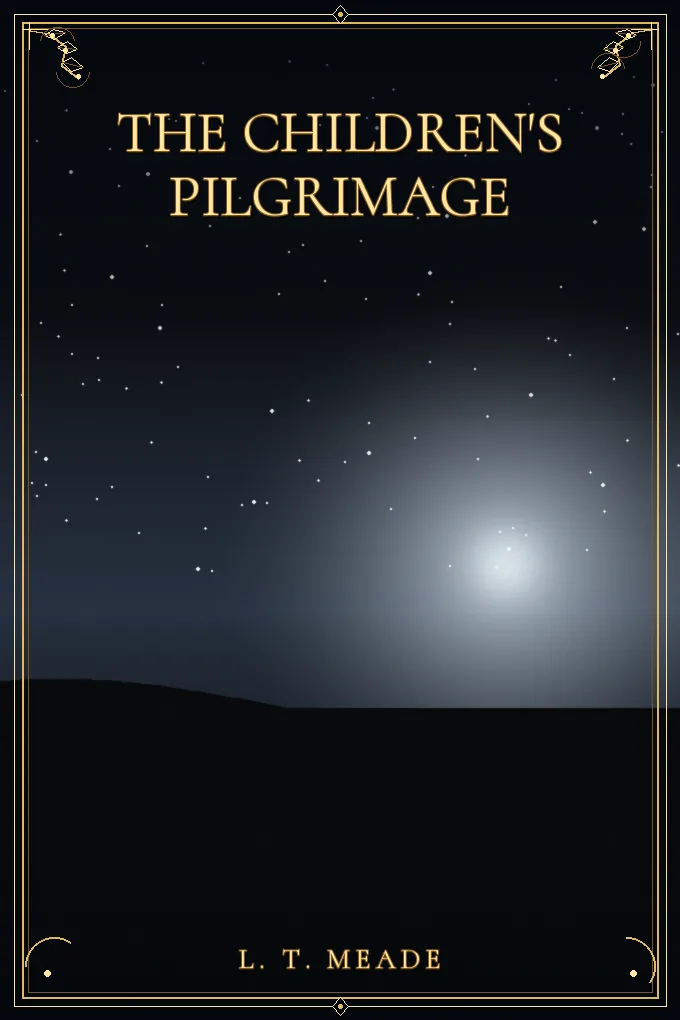
Cover illustration for The Children's Pilgrimage
Context Illustration Reading 1/14 · 5 lines
English subtitles · tap any word to listen 1 / 5
THE END CROWNS ALL.
Summer! summer, not in the lovely country, but in the scorching East End.
Such heated air! such scorching pavements!
Oh! how the poor were suffering!
How pale the little children looked, as too tired, and perhaps too weak to play, they crept about the baking streets.
0:00 / 0:00
Speed 0.75x
AI-generated narration by OpenAI · Slow US English
LEARNER DICTIONARY
Archivist
/ˈɑːrkɪvɪst/
Editorial verification pending

A keeper or guardian of historical records and memories.

The Children's Pilgrimage

Chapter XL · Chapter 40

Chapter 40 of The Children's Pilgrimage is here in full — 74 sentences across 15 reading sections, with audio for every sentence and word.

Reading 1/14 · 5 reading units · Lines 1–5

Line 1
THE END CROWNS ALL.
/ðə end kraʊnz ɔːl/
Line 2
Summer! summer, not in the lovely country, but in the scorching East End.
/ˈsʌmər ˈsʌmər nɑːt ɪn ðə ˈlʌvli ˈkʌntri bʌt ɪn ðə ˈskɔːrtʃɪŋ iːst end/
Line 3
Such heated air! such scorching pavements!
/sʌtʃ ˈhiːtəd er sʌtʃ ˈskɔːrtʃɪŋ ˈpeɪvmənts/
Line 4
Oh! how the poor were suffering!
Line 5
How pale the little children looked, as too tired, and perhaps too weak to play, they crept about the baking streets.

Learner Dictionary

These definitions explain words found in the current reading and keep every example grounded in its original sentence.

Oxford-style entry order: headword, part of speech, US IPA, concise definition, contextual example, and audio.

baking noun US /ˈbeɪkɪŋ/

making bread or cake or pastry etc.

From this reading “How pale the little children looked, as too tired, and perhaps too weak to play, they crept about the baking streets.”

crept verb US /krept/

inflected form of “creep” — move slowly; in the case of people or animals with the body near the ground

From this reading “How pale the little children looked, as too tired, and perhaps too weak to play, they crept about the baking streets.”

crowns noun US /kraʊnz/

plural of “crown” — the Crown (or the reigning monarch) as the symbol of the power and authority of a monarchy

From this reading “THE END CROWNS ALL.”

East noun US /iːst/

the cardinal compass point that is at 90 degrees

From this reading “Summer! summer, not in the lovely country, but in the scorching East End.”

heated adjective US /ˈhiːtəd/

made warm or hot (“het” is a dialectal variant of “heated”)

From this reading “Such heated air! such scorching pavements!”

pavements noun US /ˈpeɪvmənts/

plural of “pavement” — the paved surface of a thoroughfare

From this reading “Such heated air! such scorching pavements!”

scorching adjective US /ˈskɔːrtʃɪŋ/

hot and dry enough to burn or parch a surface

From this reading “Summer! summer, not in the lovely country, but in the scorching East End.”

suffering noun US /ˈsʌfərɪŋ/

a state of acute pain

From this reading “Oh! how the poor were suffering!”

All words in this reading · 38

Every word in these five lines is listed here, and every one of them can be played on its own.

Dictionary details are shown only when verified; these are not licensed Oxford entries.

aboutprepositionUS /əˈbaʊt/

on the subject of; concerning

From this reading How pale the little children looked, as too tired, and perhaps too weak to play, they crept about the baking streets.

airnounUS /er/

a mixture of gases (especially oxygen) required for breathing; the stuff that the wind consists of

From this reading Such heated air! such scorching pavements!

ALLadjectiveUS /ɔːl/

(quantifier) used with either mass or count nouns to indicate the whole number or amount of or every one of a class

From this reading THE END CROWNS ALL.

andconjunctionUS /ənd/

used to join words or parts of a sentence that go together

From this reading How pale the little children looked, as too tired, and perhaps too weak to play, they crept about the baking streets.

asconjunctionUS /æz/

at the same time that; because; in the way that

From this reading How pale the little children looked, as too tired, and perhaps too weak to play, they crept about the baking streets.

bakingnounUS /ˈbeɪkɪŋ/

making bread or cake or pastry etc.

From this reading How pale the little children looked, as too tired, and perhaps too weak to play, they crept about the baking streets.

butconjunctionUS /bʌt/

used to introduce something that contrasts with what came before

From this reading Summer! summer, not in the lovely country, but in the scorching East End.

childrennounUS /ˈtʃɪldrən/

plural of “child” — a young person of either sex

From this reading How pale the little children looked, as too tired, and perhaps too weak to play, they crept about the baking streets.

countrynounUS /ˈkʌntri/

a politically organized body of people under a single government

From this reading Summer! summer, not in the lovely country, but in the scorching East End.

creptverbUS /krept/

inflected form of “creep” — move slowly; in the case of people or animals with the body near the ground

From this reading How pale the little children looked, as too tired, and perhaps too weak to play, they crept about the baking streets.

CROWNSnounUS /kraʊnz/

plural of “crown” — the Crown (or the reigning monarch) as the symbol of the power and authority of a monarchy

From this reading THE END CROWNS ALL.

EastnounUS /iːst/

the cardinal compass point that is at 90 degrees

From this reading Summer! summer, not in the lovely country, but in the scorching East End.

ENDnounUS /end/

either extremity of something that has length

From this reading THE END CROWNS ALL.

heatedadjectiveUS /ˈhiːtəd/

made warm or hot (“het” is a dialectal variant of “heated”)

From this reading Such heated air! such scorching pavements!

how

Dictionary entry pending editorial verification. Tap Listen to hear the word.

From this reading Oh! how the poor were suffering!

inprepositionUS /ɪn/

inside something, or within a place, period, or state

From this reading Summer! summer, not in the lovely country, but in the scorching East End.

littleadjectiveUS /ˈlɪtəl/

limited or below average in number or quantity or magnitude or extent

From this reading How pale the little children looked, as too tired, and perhaps too weak to play, they crept about the baking streets.

lookedverbUS /lʊkt/

past form of “look” — perceive with attention; direct one's gaze towards

From this reading How pale the little children looked, as too tired, and perhaps too weak to play, they crept about the baking streets.

lovelyadjectiveUS /ˈlʌvli/

appealing to the emotions as well as the eye

From this reading Summer! summer, not in the lovely country, but in the scorching East End.

notadverbUS /nɑːt/

used to make a word, phrase, or sentence negative

From this reading Summer! summer, not in the lovely country, but in the scorching East End.

OhnounUS /oʊ/

a midwestern state in north central United States in the Great Lakes region

From this reading Oh! how the poor were suffering!

paleadjectiveUS /peɪl/

very light colored; highly diluted with white

From this reading How pale the little children looked, as too tired, and perhaps too weak to play, they crept about the baking streets.

pavementsnounUS /ˈpeɪvmənts/

plural of “pavement” — the paved surface of a thoroughfare

From this reading Such heated air! such scorching pavements!

perhapsadverbUS /pərˈhæps/

by chance

From this reading How pale the little children looked, as too tired, and perhaps too weak to play, they crept about the baking streets.

playverbUS /pleɪ/

participate in games or sport

From this reading How pale the little children looked, as too tired, and perhaps too weak to play, they crept about the baking streets.

pooradjectiveUS /puːr/

deserving or inciting pity

From this reading Oh! how the poor were suffering!

scorchingadjectiveUS /ˈskɔːrtʃɪŋ/

hot and dry enough to burn or parch a surface

From this reading Summer! summer, not in the lovely country, but in the scorching East End.

streetsnounUS /striːts/

plural of “street” — a thoroughfare (usually including sidewalks) that is lined with buildings

From this reading How pale the little children looked, as too tired, and perhaps too weak to play, they crept about the baking streets.

SuchdeterminerUS /sʌtʃ/

of the kind already mentioned

From this reading Such heated air! such scorching pavements!

sufferingnounUS /ˈsʌfərɪŋ/

a state of acute pain

From this reading Oh! how the poor were suffering!

SummernounUS /ˈsʌmər/

the warmest season of the year; in the northern hemisphere it extends from the summer solstice to the autumnal equinox

From this reading Summer! summer, not in the lovely country, but in the scorching East End.

THEdeterminerUS /ðə/

used before a noun that is already known, already mentioned, or the only one of its kind

From this reading THE END CROWNS ALL.

theypronounUS /ðeɪ/

the people, animals, or things already mentioned, as the subject

From this reading How pale the little children looked, as too tired, and perhaps too weak to play, they crept about the baking streets.

tiredadjectiveUS /ˈtaɪərd/

depleted of strength or energy

From this reading How pale the little children looked, as too tired, and perhaps too weak to play, they crept about the baking streets.

toparticleUS /tuː/

used before the base form of a verb to make the infinitive

From this reading How pale the little children looked, as too tired, and perhaps too weak to play, they crept about the baking streets.

tooadverbUS /tuː/

to a degree exceeding normal or proper limits

From this reading How pale the little children looked, as too tired, and perhaps too weak to play, they crept about the baking streets.

weakadjectiveUS /wiːk/

wanting in physical strength

From this reading How pale the little children looked, as too tired, and perhaps too weak to play, they crept about the baking streets.

wereauxiliary verbUS /wɜːr/

the past form of “be” used with you, we, they, or a plural noun

From this reading Oh! how the poor were suffering!

Chapter 40 of The Children's Pilgrimage by L. T. Meade holds 74 sentences, grouped into 15 reading sections of at most 5 sentences. The text is the public-domain source, unabridged, and the chapter records which sentences cover which part of the work so that nothing is dropped. Every word can be tapped for its pronunciation and dictionary entry.

What does chapter 40 of The Children's Pilgrimage contain?

Chapter 40 holds 74 sentences of The Children's Pilgrimage, unabridged, divided into 15 reading sections.

This page carries chapter 40 of The Children's Pilgrimage by L. T. Meade exactly as it stands in the public-domain source edition, without abridgement. It runs to 74 sentences, grouped into 15 sections of at most 5 sentences so that a reader can take the chapter in steady, finishable pieces. The chapter also stores a coverage record mapping every one of its sentences to a part of the work, which is how the edition demonstrates that no line was dropped.

How do I study chapter 40 of The Children's Pilgrimage?

Work through the 15 sections in order, replaying any sentence and tapping unfamiliar words for their entries.

Each of the 15 sections in this chapter is short enough to read once, hear once, and then re-read with the vocabulary in view. Tapping a word plays it alone and opens its dictionary entry with IPA, part of speech and meaning, so the reader is never forced to guess a pronunciation from spelling. Working section by section keeps a long chapter from becoming an undifferentiated wall of text, which is the usual reason a reader abandons a work of this period.

Can chapter 40 be read aloud to me?

Yes — every sentence and every individual word in chapter 40 can be played aloud in United States English.

Audio covers the whole chapter: any sentence can be played, and any single word within it can be played on its own. The voice uses United States English. For a work of this period that matters, because spelling is an unreliable guide to pronunciation for vocabulary that has fallen out of daily use, and a learner who guesses wrong tends to keep the error. Hearing the word in its own sentence, and then alone, settles it.

Questions about reading The Children's Pilgrimage

Common questions about reading The Children's Pilgrimage by L. T. Meade on this page, its source edition and its audio.

Is this the complete text of The Children's Pilgrimage?

Yes. All 4916 sentences of Project Gutenberg eBook #6899 are kept, with a record of which sentences cover which part.

Which edition of The Children's Pilgrimage is used?

Project Gutenberg eBook #6899, a public-domain edition. The Project Gutenberg header, footer and licence are removed.

How long does The Children's Pilgrimage take to read?

About 409 minutes of reading across 984 sections of 5 sentences each, at an unhurried pace.

How to read The Children's Pilgrimage section by section

How to work through The Children's Pilgrimage section by section, using the audio and the tap-to-define vocabulary.

  1. Open a chapter

    Choose one of the 40 chapters of The Children's Pilgrimage to begin.

  2. Read one section

    Each section holds 5 sentences; read it once through.

  3. Listen and tap

    Play the section aloud, then tap any unfamiliar word for its entry.

Vocabulary met early in The Children's Pilgrimage

Words and structures a reader meets early in The Children's Pilgrimage, each tappable for pronunciation and meaning.

Three
A word that appears in the opening chapter of The Children's Pilgrimage; the reader can tap it to hear it and see its dictionary entry.
Doorstep
A word that appears in the opening chapter of The Children's Pilgrimage; the reader can tap it to hear it and see its dictionary entry.
London
A word that appears in the opening chapter of The Children's Pilgrimage; the reader can tap it to hear it and see its dictionary entry.
Poorest
A word that appears in the opening chapter of The Children's Pilgrimage; the reader can tap it to hear it and see its dictionary entry.