Complete classic literature • Five-line readings • Clear US narration
VELMORA ACADEMY
Academy of Archival Languages & Memory Studies
Menu Close
The Complete Poetical Works of Henry

Chapter I · Chapter 1

Chapter 1 of The Complete Poetical Works of Henry is here in full — 100 sentences across 20 reading sections, with audio for every sentence and word.

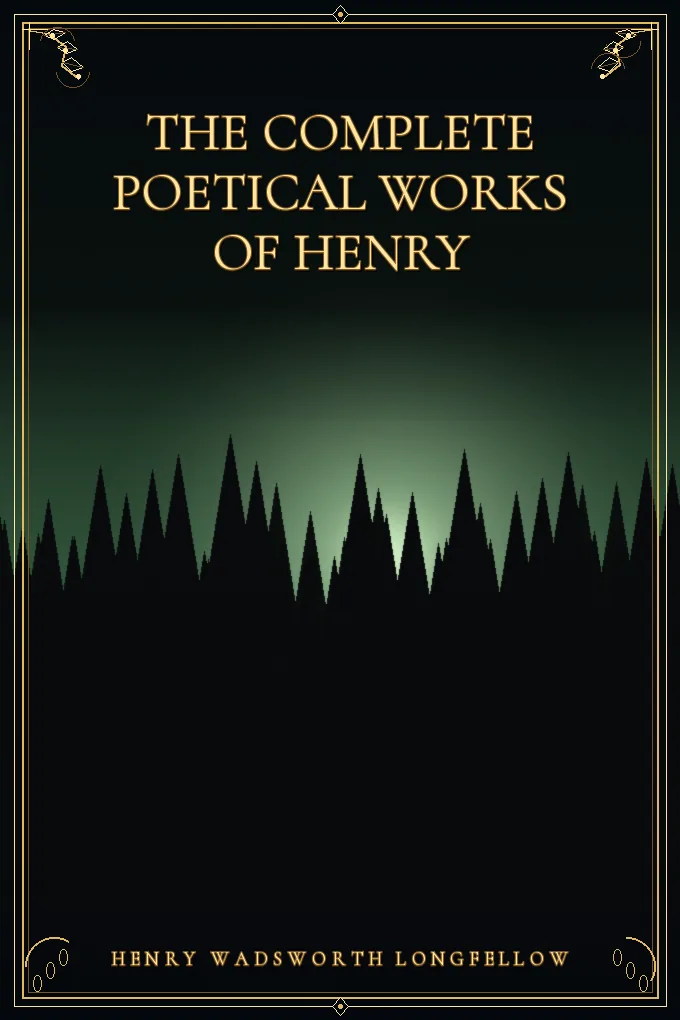
Cover illustration for The Complete Poetical Works of Henry
Context Illustration Reading 23/1046 · 5 lines
English subtitles · tap any word to listen 1 / 5
Jacob’s Well VII.
The Coasts of Caesarea Philippi VIII.
The Young Ruler IX.
At Bethany X. Born Blind XI.
Simon Magus and Helen of Tyre The Third Passover I. The Entry into Jerusalem II.
0:00 / 0:00
Speed 0.75x
AI-generated narration by OpenAI · Slow US English
LEARNER DICTIONARY
Archivist
/ˈɑːrkɪvɪst/
Editorial verification pending

A keeper or guardian of historical records and memories.

The Complete Poetical Works of Henry

Chapter I · Chapter 1

Chapter 1 of The Complete Poetical Works of Henry is here in full — 100 sentences across 20 reading sections, with audio for every sentence and word.

Reading 23/1046 · 5 reading units · Lines 111–115

Line 1
Jacob’s Well VII.
Line 2
The Coasts of Caesarea Philippi VIII.
Line 3
The Young Ruler IX.
Line 4
At Bethany X. Born Blind XI.
Line 5
Simon Magus and Helen of Tyre The Third Passover I. The Entry into Jerusalem II.

Learner Dictionary

These definitions explain words found in the current reading and keep every example grounded in its original sentence.

Oxford-style entry order: headword, part of speech, US IPA, concise definition, contextual example, and audio.

Caesarea noun US /ˌkeɪsərˈiːə/

an ancient seaport in northwestern Israel; an important Roman city in ancient Palestine

From this reading “The Coasts of Caesarea Philippi VIII.”

Coasts noun US /koʊsts/

plural of “coast” — the shore of a sea or ocean

From this reading “The Coasts of Caesarea Philippi VIII.”

Jacob's noun US /ˈdʒeɪkəbz/

possessive form of “jacob” — French biochemist who (with Jacques Monod) studied regulatory processes in cells (born in 1920)

Jerusalem noun US /dʒərˈuːsələm/

capital and largest city of the modern state of Israel (although its status as capital is disputed)

From this reading “Simon Magus and Helen of Tyre The Third Passover I. The Entry into Jerusalem II.”

Magus noun US /ˈmeɪɡəs/

a magician or sorcerer of ancient times

From this reading “Simon Magus and Helen of Tyre The Third Passover I. The Entry into Jerusalem II.”

Passover noun US /ˈpæsoʊvər/

(Judaism) a Jewish festival (traditionally 8 days from Nissan 15) celebrating the exodus of the Israelites from Egypt

From this reading “Simon Magus and Helen of Tyre The Third Passover I. The Entry into Jerusalem II.”

Philippi noun US /fɪˈlɪpi/

a city in ancient Macedonia that was important in early Christianity

From this reading “The Coasts of Caesarea Philippi VIII.”

Tyre noun US /taɪr/

a port in southern Lebanon on the Mediterranean Sea; formerly a major Phoenician seaport famous for silks

From this reading “Simon Magus and Helen of Tyre The Third Passover I. The Entry into Jerusalem II.”

All words in this reading · 30

Every word in these five lines is listed here, and every one of them can be played on its own.

Dictionary details are shown only when verified; these are not licensed Oxford entries.

andconjunctionUS /ənd/

used to join words or parts of a sentence that go together

From this reading Simon Magus and Helen of Tyre The Third Passover I. The Entry into Jerusalem II.

AtprepositionUS /æt/

in or near a particular place or position

From this reading At Bethany X. Born Blind XI.

Bethany

Dictionary entry pending editorial verification. Tap Listen to hear the word.

From this reading At Bethany X. Born Blind XI.

BlindnounUS /blaɪnd/

people who have severe visual impairments, considered as a group

From this reading At Bethany X. Born Blind XI.

BornadjectiveUS /bɔːrn/

brought into existence

From this reading At Bethany X. Born Blind XI.

CaesareanounUS /ˌkeɪsərˈiːə/

an ancient seaport in northwestern Israel; an important Roman city in ancient Palestine

From this reading The Coasts of Caesarea Philippi VIII.

CoastsnounUS /koʊsts/

plural of “coast” — the shore of a sea or ocean

From this reading The Coasts of Caesarea Philippi VIII.

EntrynounUS /ˈentri/

an item inserted in a written record

From this reading Simon Magus and Helen of Tyre The Third Passover I. The Entry into Jerusalem II.

HelennounUS /ˈhelən/

(Greek mythology) the beautiful daughter of Zeus and Leda who was abducted by Paris; the Greek army sailed to Troy to get her back which resulted in the Trojan War

From this reading Simon Magus and Helen of Tyre The Third Passover I. The Entry into Jerusalem II.

IpronounUS /aɪ/

the person speaking or writing, as the subject of the verb

From this reading Simon Magus and Helen of Tyre The Third Passover I. The Entry into Jerusalem II.

IInoun

the cardinal number that is the sum of one and one or a numeral representing this number

From this reading Simon Magus and Helen of Tyre The Third Passover I. The Entry into Jerusalem II.

intoprepositionUS /ˈɪntuː/

moving to the inside of something

From this reading Simon Magus and Helen of Tyre The Third Passover I. The Entry into Jerusalem II.

IXnoun

the cardinal number that is the sum of eight and one

From this reading The Young Ruler IX.

Jacob'snounUS /ˈdʒeɪkəbz/

possessive form of “jacob” — French biochemist who (with Jacques Monod) studied regulatory processes in cells (born in 1920)

From this reading Jacob’s Well VII.

JerusalemnounUS /dʒərˈuːsələm/

capital and largest city of the modern state of Israel (although its status as capital is disputed)

From this reading Simon Magus and Helen of Tyre The Third Passover I. The Entry into Jerusalem II.

MagusnounUS /ˈmeɪɡəs/

a magician or sorcerer of ancient times

From this reading Simon Magus and Helen of Tyre The Third Passover I. The Entry into Jerusalem II.

ofprepositionUS /ʌv/

belonging to, or connected with, somebody or something

From this reading The Coasts of Caesarea Philippi VIII.

PassovernounUS /ˈpæsoʊvər/

(Judaism) a Jewish festival (traditionally 8 days from Nissan 15) celebrating the exodus of the Israelites from Egypt

From this reading Simon Magus and Helen of Tyre The Third Passover I. The Entry into Jerusalem II.

PhilippinounUS /fɪˈlɪpi/

a city in ancient Macedonia that was important in early Christianity

From this reading The Coasts of Caesarea Philippi VIII.

RulernounUS /ˈruːlər/

a person who rules or commands

From this reading The Young Ruler IX.

SimonnounUS /ˈsaɪmən/

one of the twelve Apostles (first century)

From this reading Simon Magus and Helen of Tyre The Third Passover I. The Entry into Jerusalem II.

ThedeterminerUS /ðə/

used before a noun that is already known, already mentioned, or the only one of its kind

From this reading The Coasts of Caesarea Philippi VIII.

ThirdnounUS /θɜːrd/

one of three equal parts of a divisible whole

From this reading Simon Magus and Helen of Tyre The Third Passover I. The Entry into Jerusalem II.

TyrenounUS /taɪr/

a port in southern Lebanon on the Mediterranean Sea; formerly a major Phoenician seaport famous for silks

From this reading Simon Magus and Helen of Tyre The Third Passover I. The Entry into Jerusalem II.

VIInoun

the cardinal number that is the sum of six and one

From this reading Jacob’s Well VII.

VIIInoun

the cardinal number that is the sum of seven and one

From this reading The Coasts of Caesarea Philippi VIII.

WelladverbUS /wel/

(often used as a combining form) in a good or proper or satisfactory manner or to a high standard (“good” is a nonstandard dialectal variant for “well”)

From this reading Jacob’s Well VII.

XnounUS /eks/

the cardinal number that is the sum of nine and one; the base of the decimal system

From this reading At Bethany X. Born Blind XI.

XInounUS /ʃiː/

the cardinal number that is the sum of ten and one

From this reading At Bethany X. Born Blind XI.

YoungadjectiveUS /jʌŋ/

(used of living things especially persons) in an early period of life or development or growth

From this reading The Young Ruler IX.

Chapter 1 of The Complete Poetical Works of Henry by Henry Wadsworth Longfellow holds 100 sentences, grouped into 20 reading sections of at most 5 sentences. The text is the source edition, unabridged, and the chapter records which sentences cover which part of the work so that nothing is dropped. Every word can be tapped for its pronunciation and dictionary entry.

What does chapter 1 of The Complete Poetical Works of Henry contain?

Chapter 1 holds 100 sentences of The Complete Poetical Works of Henry, unabridged, divided into 20 reading sections.

This page carries chapter 1 of The Complete Poetical Works of Henry by Henry Wadsworth Longfellow exactly as it stands in the source edition, without abridgement. It runs to 100 sentences, grouped into 20 sections of at most 5 sentences so that a reader can take the chapter in steady, finishable pieces. The chapter also stores a coverage record mapping every one of its sentences to a part of the work, which is how the edition demonstrates that no line was dropped.

How do I study chapter 1 of The Complete Poetical Works of Henry?

Work through the 20 sections in order, replaying any sentence and tapping unfamiliar words for their entries.

Each of the 20 sections in this chapter is short enough to read once, hear once, and then re-read with the vocabulary in view. Tapping a word plays it alone and opens its dictionary entry with IPA, part of speech and meaning, so the reader is never forced to guess a pronunciation from spelling. Working section by section keeps a long chapter from becoming an undifferentiated wall of text, which is the usual reason a reader abandons a work of this period.

Can chapter 1 be read aloud to me?

Yes — every sentence and every individual word in chapter 1 can be played aloud in United States English.

Audio covers the whole chapter: any sentence can be played, and any single word within it can be played on its own. The voice uses United States English. For a work of this period that matters, because spelling is an unreliable guide to pronunciation for vocabulary that has fallen out of daily use, and a learner who guesses wrong tends to keep the error. Hearing the word in its own sentence, and then alone, settles it.

Questions about reading The Complete Poetical Works of Henry

Common questions about reading The Complete Poetical Works of Henry by Henry Wadsworth Longfellow on this page, its source edition and its audio.

Is this the complete text of The Complete Poetical Works of Henry?

Yes. All 0 sentences of Project Gutenberg eBook #? are kept, with a record of which sentences cover which part.

Which edition of The Complete Poetical Works of Henry is used?

Project Gutenberg eBook #?, unabridged. The Project Gutenberg header, footer and licence are removed.

How long does The Complete Poetical Works of Henry take to read?

About 5 minutes of reading across 0 sections of 5 sentences each, at an unhurried pace.

How to read The Complete Poetical Works of Henry section by section

How to work through The Complete Poetical Works of Henry section by section, using the audio and the tap-to-define vocabulary.

  1. Open a chapter

    Choose one of the 0 chapters of The Complete Poetical Works of Henry to begin.

  2. Read one section

    Each section holds 5 sentences; read it once through.

  3. Listen and tap

    Play the section aloud, then tap any unfamiliar word for its entry.

Vocabulary met early in The Complete Poetical Works of Henry

Words and structures a reader meets early in The Complete Poetical Works of Henry, each tappable for pronunciation and meaning.

Chapter 1
One of the 0 chapters of The Complete Poetical Works of Henry, divided into 5-sentence reading sections.
Chapter 2
One of the 0 chapters of The Complete Poetical Works of Henry, divided into 5-sentence reading sections.
Chapter 3
One of the 0 chapters of The Complete Poetical Works of Henry, divided into 5-sentence reading sections.