Complete classic literature • Five-line readings • Clear US narration
VELMORA ACADEMY
Academy of Archival Languages & Memory Studies
Menu Close
The Cricket
The Cricket

Chapter X · Chapter 10

Chapter 10 of The Cricket is here in full — 420 sentences across 84 reading sections, with audio for every sentence and word.

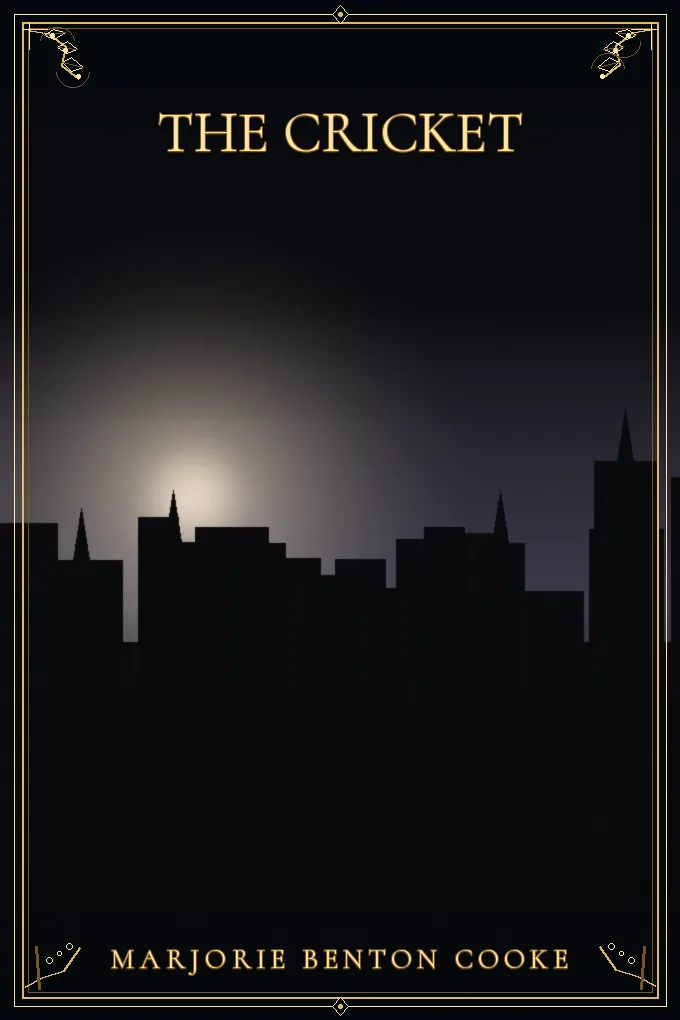
Cover illustration for The Cricket
Context Illustration Reading 1/84 · 5 lines
English subtitles · tap any word to listen 1 / 5
Max received this message at tea time, as she sat with a group of merry idlers on the piazza.
She read it--frowned.
With an exclamation of annoyance she summoned a boy, and wrote as follows to Wally:
Isabelle has joined Cartel.
Catch her and bring her back.
0:00 / 0:00
Speed 0.75x
AI-generated narration by OpenAI · Slow US English
LEARNER DICTIONARY
Archivist
/ˈɑːrkɪvɪst/
Editorial verification pending

A keeper or guardian of historical records and memories.

The Cricket

Chapter X · Chapter 10

Chapter 10 of The Cricket is here in full — 420 sentences across 84 reading sections, with audio for every sentence and word.

Reading 1/84 · 5 reading units · Lines 1–5

Line 1
Max received this message at tea time, as she sat with a group of merry idlers on the piazza.
Line 2
She read it--frowned.
Line 3
With an exclamation of annoyance she summoned a boy, and wrote as follows to Wally:
/wɪð æn ˌekskləˈmeɪʃən ʌv əˈnɔɪəns ʃiː ˈsʌmənd ə bɔɪ ənd roʊt æz ˈfɑːloʊz tuː ˈwɔːli/
Line 4
Isabelle has joined Cartel.
Line 5
Catch her and bring her back.
/kætʃ hɜːr ənd brɪŋ hɜːr bæk/

Learner Dictionary

These definitions explain words found in the current reading and keep every example grounded in its original sentence.

Oxford-style entry order: headword, part of speech, US IPA, concise definition, contextual example, and audio.

annoyance noun US /əˈnɔɪəns/

the psychological state of being irritated or annoyed

From this reading “With an exclamation of annoyance she summoned a boy, and wrote as follows to Wally:”

Cartel noun US /kɑːrˈtel/

a consortium of independent organizations formed to limit competition by controlling the production and distribution of a product or service

From this reading “Isabelle has joined Cartel.”

exclamation noun US /ˌekskləˈmeɪʃən/

an abrupt excited utterance

From this reading “With an exclamation of annoyance she summoned a boy, and wrote as follows to Wally:”

frowned verb US /fraʊnd/

past form of “frown” — look angry or sullen, wrinkle one's forehead, as if to signal disapproval

From this reading “She read it--frowned.”

Max noun US /mæks/

street names for gamma hydroxybutyrate

From this reading “Max received this message at tea time, as she sat with a group of merry idlers on the piazza.”

piazza noun US /piˈæzə/

a public square with room for pedestrians

From this reading “Max received this message at tea time, as she sat with a group of merry idlers on the piazza.”

summoned verb US /ˈsʌmənd/

past form of “summon” — call in an official matter, such as to attend court

From this reading “With an exclamation of annoyance she summoned a boy, and wrote as follows to Wally:”

Wally noun US /ˈwɔːli/

a silly and inept person; someone who is regarded as stupid

From this reading “With an exclamation of annoyance she summoned a boy, and wrote as follows to Wally:”

All words in this reading · 40

Every word in these five lines is listed here, and every one of them can be played on its own.

Dictionary details are shown only when verified; these are not licensed Oxford entries.

adeterminerUS /ə/

used before a singular noun to mean one of a group, when it is not a particular one

From this reading Max received this message at tea time, as she sat with a group of merry idlers on the piazza.

andeterminerUS /æn/

the form of “a” used before a word that begins with a vowel sound

From this reading With an exclamation of annoyance she summoned a boy, and wrote as follows to Wally:

andconjunctionUS /ənd/

used to join words or parts of a sentence that go together

From this reading With an exclamation of annoyance she summoned a boy, and wrote as follows to Wally:

annoyancenounUS /əˈnɔɪəns/

the psychological state of being irritated or annoyed

From this reading With an exclamation of annoyance she summoned a boy, and wrote as follows to Wally:

asconjunctionUS /æz/

at the same time that; because; in the way that

From this reading Max received this message at tea time, as she sat with a group of merry idlers on the piazza.

atprepositionUS /æt/

in or near a particular place or position

From this reading Max received this message at tea time, as she sat with a group of merry idlers on the piazza.

backadverbUS /bæk/

in or to or toward a former location

From this reading Catch her and bring her back.

boynounUS /bɔɪ/

a youthful male person

From this reading With an exclamation of annoyance she summoned a boy, and wrote as follows to Wally:

bringverbUS /brɪŋ/

take something or somebody with oneself somewhere

From this reading Catch her and bring her back.

CartelnounUS /kɑːrˈtel/

a consortium of independent organizations formed to limit competition by controlling the production and distribution of a product or service

From this reading Isabelle has joined Cartel.

CatchverbUS /kætʃ/

discover or come upon accidentally, suddenly, or unexpectedly; catch somebody doing something or in a certain state

From this reading Catch her and bring her back.

exclamationnounUS /ˌekskləˈmeɪʃən/

an abrupt excited utterance

From this reading With an exclamation of annoyance she summoned a boy, and wrote as follows to Wally:

followsverbUS /ˈfɑːloʊz/

third-person singular of “follow” — to travel behind, go after, come after

From this reading With an exclamation of annoyance she summoned a boy, and wrote as follows to Wally:

frownedverbUS /fraʊnd/

past form of “frown” — look angry or sullen, wrinkle one's forehead, as if to signal disapproval

From this reading She read it--frowned.

groupnounUS /ɡruːp/

any number of entities (members) considered as a unit

From this reading Max received this message at tea time, as she sat with a group of merry idlers on the piazza.

hasauxiliary verbUS /hæz/

the form of “have” used with he, she, it, or a singular noun

From this reading Isabelle has joined Cartel.

herdeterminerUS /hɜːr/

belonging to a woman, girl, or female animal already mentioned

From this reading Catch her and bring her back.

idlers

Dictionary entry pending editorial verification. Tap Listen to hear the word.

From this reading Max received this message at tea time, as she sat with a group of merry idlers on the piazza.

Isabelle

Dictionary entry pending editorial verification. Tap Listen to hear the word.

From this reading Isabelle has joined Cartel.

itpronounUS /ɪt/

a thing, animal, or idea already mentioned

From this reading She read it--frowned.

joinedadjectiveUS /dʒɔɪnd/

of or relating to two people who are married to each other

From this reading Isabelle has joined Cartel.

MaxnounUS /mæks/

street names for gamma hydroxybutyrate

From this reading Max received this message at tea time, as she sat with a group of merry idlers on the piazza.

merryadjectiveUS /ˈmeri/

full of or showing high-spirited merriment

From this reading Max received this message at tea time, as she sat with a group of merry idlers on the piazza.

messagenounUS /ˈmesədʒ/

a communication (usually brief) that is written or spoken or signaled

From this reading Max received this message at tea time, as she sat with a group of merry idlers on the piazza.

ofprepositionUS /ʌv/

belonging to, or connected with, somebody or something

From this reading Max received this message at tea time, as she sat with a group of merry idlers on the piazza.

onprepositionUS /ɑːn/

touching and supported by a surface

From this reading Max received this message at tea time, as she sat with a group of merry idlers on the piazza.

piazzanounUS /piˈæzə/

a public square with room for pedestrians

From this reading Max received this message at tea time, as she sat with a group of merry idlers on the piazza.

readverbUS /red/

interpret something that is written or printed

From this reading She read it--frowned.

receivedadjectiveUS /rəˈsiːvd/

conforming to the established language usage of educated native speakers

From this reading Max received this message at tea time, as she sat with a group of merry idlers on the piazza.

satnounUS /sæt/

the seventh and last day of the week; observed as the Sabbath by Jews and some Christians

From this reading Max received this message at tea time, as she sat with a group of merry idlers on the piazza.

shepronounUS /ʃiː/

a woman, girl, or female animal already mentioned, as the subject

From this reading Max received this message at tea time, as she sat with a group of merry idlers on the piazza.

summonedverbUS /ˈsʌmənd/

past form of “summon” — call in an official matter, such as to attend court

From this reading With an exclamation of annoyance she summoned a boy, and wrote as follows to Wally:

teanounUS /tiː/

a beverage made by steeping tea leaves in water

From this reading Max received this message at tea time, as she sat with a group of merry idlers on the piazza.

thedeterminerUS /ðə/

used before a noun that is already known, already mentioned, or the only one of its kind

From this reading Max received this message at tea time, as she sat with a group of merry idlers on the piazza.

thisdeterminerUS /ðɪs/

used for a person or thing that is near, or that has just been mentioned

From this reading Max received this message at tea time, as she sat with a group of merry idlers on the piazza.

timenounUS /taɪm/

an instance or single occasion for some event

From this reading Max received this message at tea time, as she sat with a group of merry idlers on the piazza.

toparticleUS /tuː/

used before the base form of a verb to make the infinitive

From this reading With an exclamation of annoyance she summoned a boy, and wrote as follows to Wally:

WallynounUS /ˈwɔːli/

a silly and inept person; someone who is regarded as stupid

From this reading With an exclamation of annoyance she summoned a boy, and wrote as follows to Wally:

withprepositionUS /wɪð/

in the company of; together with

From this reading Max received this message at tea time, as she sat with a group of merry idlers on the piazza.

wroteverbUS /roʊt/

inflected form of “write” — produce a literary work

From this reading With an exclamation of annoyance she summoned a boy, and wrote as follows to Wally:

Chapter 10 of The Cricket by Marjorie Benton Cooke holds 420 sentences, grouped into 84 reading sections of at most 5 sentences. The text is the source edition, unabridged, and the chapter records which sentences cover which part of the work so that nothing is dropped. Every word can be tapped for its pronunciation and dictionary entry.

What does chapter 10 of The Cricket contain?

Chapter 10 holds 420 sentences of The Cricket, unabridged, divided into 84 reading sections.

This page carries chapter 10 of The Cricket by Marjorie Benton Cooke exactly as it stands in the source edition, without abridgement. It runs to 420 sentences, grouped into 84 sections of at most 5 sentences so that a reader can take the chapter in steady, finishable pieces. The chapter also stores a coverage record mapping every one of its sentences to a part of the work, which is how the edition demonstrates that no line was dropped.

How do I study chapter 10 of The Cricket?

Work through the 84 sections in order, replaying any sentence and tapping unfamiliar words for their entries.

Each of the 84 sections in this chapter is short enough to read once, hear once, and then re-read with the vocabulary in view. Tapping a word plays it alone and opens its dictionary entry with IPA, part of speech and meaning, so the reader is never forced to guess a pronunciation from spelling. Working section by section keeps a long chapter from becoming an undifferentiated wall of text, which is the usual reason a reader abandons a work of this period.

Can chapter 10 be read aloud to me?

Yes — every sentence and every individual word in chapter 10 can be played aloud in United States English.

Audio covers the whole chapter: any sentence can be played, and any single word within it can be played on its own. The voice uses United States English. For a work of this period that matters, because spelling is an unreliable guide to pronunciation for vocabulary that has fallen out of daily use, and a learner who guesses wrong tends to keep the error. Hearing the word in its own sentence, and then alone, settles it.

Questions about reading The Cricket

Common questions about reading The Cricket by Marjorie Benton Cooke on this page, its source edition and its audio.

Is this the complete text of The Cricket?

Yes. All 5759 sentences of Project Gutenberg eBook #25081 are kept, with a record of which sentences cover which part.

Which edition of The Cricket is used?

Project Gutenberg eBook #25081, unabridged. The Project Gutenberg header, footer and licence are removed.

How long does The Cricket take to read?

About 479 minutes of reading across 1152 sections of 5 sentences each, at an unhurried pace.

How to read The Cricket section by section

How to work through The Cricket section by section, using the audio and the tap-to-define vocabulary.

  1. Open a chapter

    Choose one of the 14 chapters of The Cricket to begin.

  2. Read one section

    Each section holds 5 sentences; read it once through.

  3. Listen and tap

    Play the section aloud, then tap any unfamiliar word for its entry.

Vocabulary met early in The Cricket

Words and structures a reader meets early in The Cricket, each tappable for pronunciation and meaning.

Acting
A word that appears in the opening chapter of The Cricket; the reader can tap it to hear it and see its dictionary entry.
Birthday
A word that appears in the opening chapter of The Cricket; the reader can tap it to hear it and see its dictionary entry.
Party
A word that appears in the opening chapter of The Cricket; the reader can tap it to hear it and see its dictionary entry.
Frontispiece
A word that appears in the opening chapter of The Cricket; the reader can tap it to hear it and see its dictionary entry.