Complete classic literature • Five-line readings • Clear US narration
VELMORA ACADEMY
Academy of Archival Languages & Memory Studies
Menu Close
The Crime of the French Café and Other

Chapter XXVII · Chapter 27

Chapter 27 of The Crime of the French Café and Other is here in full — 160 sentences across 32 reading sections, with audio for every sentence and word.

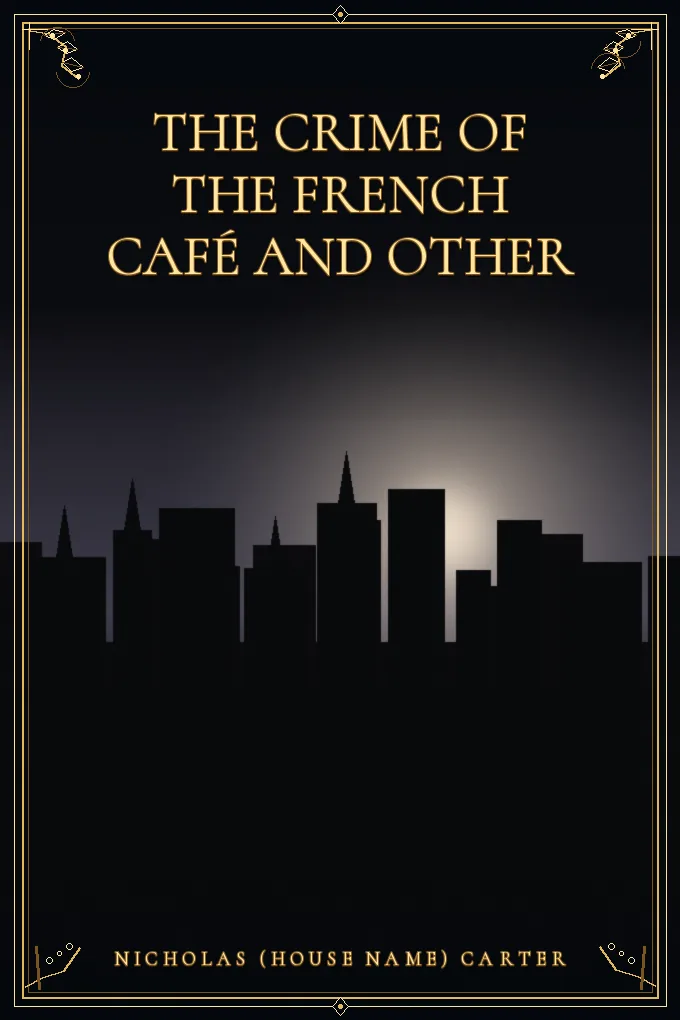
Cover illustration for The Crime of the French Café and Other
Context Illustration Reading 1/32 · 5 lines
English subtitles · tap any word to listen 1 / 5
THE MAN WITH THE SACK.
"I will have your story first," said Nick to Prescott.
"I will not subject Miss Allen to the annoyance of questioning, unless it is necessary."
"We are engaged to be married," said Prescott, beginning his story with evident embarrassment.
"And the course of true love does not run smooth," said Nick, with a smile.
0:00 / 0:00
Speed 0.75x
AI-generated narration by OpenAI · Slow US English
LEARNER DICTIONARY
Archivist
/ˈɑːrkɪvɪst/
Editorial verification pending

A keeper or guardian of historical records and memories.

The Crime of the French Café and Other

Chapter XXVII · Chapter 27

Chapter 27 of The Crime of the French Café and Other is here in full — 160 sentences across 32 reading sections, with audio for every sentence and word.

Reading 1/32 · 5 reading units · Lines 1–5

Line 1
THE MAN WITH THE SACK.
/ðə mæn wɪð ðə sæk/
Line 2
"I will have your story first," said Nick to Prescott.
/aɪ wɪl hæv jɔːr ˈstɔːri fɜːrst sed nɪk tuː ˈpreskɑːt/
Line 3
"I will not subject Miss Allen to the annoyance of questioning, unless it is necessary."
/aɪ wɪl nɑːt səbˈdʒekt mɪs ˈælən tuː ðə əˈnɔɪəns ʌv ˈkwestʃənɪŋ ənˈles ɪt ɪz ˈnesəseri/
Line 4
"We are engaged to be married," said Prescott, beginning his story with evident embarrassment.
/wiː ɑːr enˈɡeɪdʒd tuː biː ˈmerid sed ˈpreskɑːt bɪˈɡɪnɪŋ hɪz ˈstɔːri wɪð ˈevədənt ɪmˈberəsmənt/
Line 5
"And the course of true love does not run smooth," said Nick, with a smile.
/ənd ðə kɔːrs ʌv truː lʌv dʌz nɑːt rʌn smuːð sed nɪk wɪð ə smaɪl/

Learner Dictionary

These definitions explain words found in the current reading and keep every example grounded in its original sentence.

Oxford-style entry order: headword, part of speech, US IPA, concise definition, contextual example, and audio.

Allen noun US /ˈælən/

United States comedienne remembered as the confused but imperturbable partner of her husband, George Burns (1906-1964)

From this reading “"I will not subject Miss Allen to the annoyance of questioning, unless it is necessary."”

annoyance noun US /əˈnɔɪəns/

the psychological state of being irritated or annoyed

From this reading “"I will not subject Miss Allen to the annoyance of questioning, unless it is necessary."”

embarrassment noun US /ɪmˈberəsmənt/

the shame you feel when your inadequacy or guilt is made public

From this reading “"We are engaged to be married," said Prescott, beginning his story with evident embarrassment.”

Nick verb US /nɪk/

cut slightly, with a razor

From this reading “"I will have your story first," said Nick to Prescott.”

Prescott noun US /ˈpreskɑːt/

a town in central Arizona

From this reading “"I will have your story first," said Nick to Prescott.”

questioning adjective US /ˈkwestʃənɪŋ/

perplexed (as if being expected to know something that you do not know)

From this reading “"I will not subject Miss Allen to the annoyance of questioning, unless it is necessary."”

sack noun US /sæk/

a bag made of paper or plastic for holding customer's purchases

From this reading “THE MAN WITH THE SACK.”

smooth adjective US /smuːð/

having a surface free from roughness or bumps or ridges or irregularities

From this reading “"And the course of true love does not run smooth," said Nick, with a smile.”

All words in this reading · 43

Every word in these five lines is listed here, and every one of them can be played on its own.

Dictionary details are shown only when verified; these are not licensed Oxford entries.

adeterminerUS /ə/

used before a singular noun to mean one of a group, when it is not a particular one

From this reading "And the course of true love does not run smooth," said Nick, with a smile.

AllennounUS /ˈælən/

United States comedienne remembered as the confused but imperturbable partner of her husband, George Burns (1906-1964)

From this reading "I will not subject Miss Allen to the annoyance of questioning, unless it is necessary."

AndconjunctionUS /ənd/

used to join words or parts of a sentence that go together

From this reading "And the course of true love does not run smooth," said Nick, with a smile.

annoyancenounUS /əˈnɔɪəns/

the psychological state of being irritated or annoyed

From this reading "I will not subject Miss Allen to the annoyance of questioning, unless it is necessary."

areauxiliary verbUS /ɑːr/

the form of “be” used with you, we, they, or a plural noun

From this reading "We are engaged to be married," said Prescott, beginning his story with evident embarrassment.

beauxiliary verbUS /biː/

used with a past participle to form the passive, or with -ing for continuous tenses

From this reading "We are engaged to be married," said Prescott, beginning his story with evident embarrassment.

beginningnounUS /bɪˈɡɪnɪŋ/

the event consisting of the start of something

From this reading "We are engaged to be married," said Prescott, beginning his story with evident embarrassment.

coursenounUS /kɔːrs/

education imparted in a series of lessons or meetings

From this reading "And the course of true love does not run smooth," said Nick, with a smile.

doesauxiliary verbUS /dʌz/

the form of “do” used with he, she, it, or a singular noun

From this reading "And the course of true love does not run smooth," said Nick, with a smile.

embarrassmentnounUS /ɪmˈberəsmənt/

the shame you feel when your inadequacy or guilt is made public

From this reading "We are engaged to be married," said Prescott, beginning his story with evident embarrassment.

engagedadjectiveUS /enˈɡeɪdʒd/

having ones attention or mind or energy engaged

From this reading "We are engaged to be married," said Prescott, beginning his story with evident embarrassment.

evidentadjectiveUS /ˈevədənt/

clearly revealed to the mind or the senses or judgment

From this reading "We are engaged to be married," said Prescott, beginning his story with evident embarrassment.

firstadjectiveUS /fɜːrst/

preceding all others in time or space or degree

From this reading "I will have your story first," said Nick to Prescott.

haveauxiliary verbUS /hæv/

used with a past participle to form the perfect tenses

From this reading "I will have your story first," said Nick to Prescott.

hisdeterminerUS /hɪz/

belonging to a man, boy, or male animal already mentioned

From this reading "We are engaged to be married," said Prescott, beginning his story with evident embarrassment.

IpronounUS /aɪ/

the person speaking or writing, as the subject of the verb

From this reading "I will have your story first," said Nick to Prescott.

isauxiliary verbUS /ɪz/

the form of “be” used with he, she, it, or a singular noun

From this reading "I will not subject Miss Allen to the annoyance of questioning, unless it is necessary."

itpronounUS /ɪt/

a thing, animal, or idea already mentioned

From this reading "I will not subject Miss Allen to the annoyance of questioning, unless it is necessary."

lovenounUS /lʌv/

a strong positive emotion of regard and affection

From this reading "And the course of true love does not run smooth," said Nick, with a smile.

MANnounUS /mæn/

an adult person who is male (as opposed to a woman)

From this reading THE MAN WITH THE SACK.

marriedadjectiveUS /ˈmerid/

joined in matrimony

From this reading "We are engaged to be married," said Prescott, beginning his story with evident embarrassment.

MissverbUS /mɪs/

fail to perceive or to catch with the senses or the mind

From this reading "I will not subject Miss Allen to the annoyance of questioning, unless it is necessary."

necessaryadjectiveUS /ˈnesəseri/

absolutely essential

From this reading "I will not subject Miss Allen to the annoyance of questioning, unless it is necessary."

NickverbUS /nɪk/

cut slightly, with a razor

From this reading "I will have your story first," said Nick to Prescott.

notadverbUS /nɑːt/

used to make a word, phrase, or sentence negative

From this reading "I will not subject Miss Allen to the annoyance of questioning, unless it is necessary."

ofprepositionUS /ʌv/

belonging to, or connected with, somebody or something

From this reading "I will not subject Miss Allen to the annoyance of questioning, unless it is necessary."

PrescottnounUS /ˈpreskɑːt/

a town in central Arizona

From this reading "I will have your story first," said Nick to Prescott.

questioningadjectiveUS /ˈkwestʃənɪŋ/

perplexed (as if being expected to know something that you do not know)

From this reading "I will not subject Miss Allen to the annoyance of questioning, unless it is necessary."

runverbUS /rʌn/

move fast by using one's feet, with one foot off the ground at any given time

From this reading "And the course of true love does not run smooth," said Nick, with a smile.

SACKnounUS /sæk/

a bag made of paper or plastic for holding customer's purchases

From this reading THE MAN WITH THE SACK.

saidadjectiveUS /sed/

being the one previously mentioned or spoken of

From this reading "I will have your story first," said Nick to Prescott.

smileverbUS /smaɪl/

change one's facial expression by spreading the lips, often to signal pleasure

From this reading "And the course of true love does not run smooth," said Nick, with a smile.

smoothadjectiveUS /smuːð/

having a surface free from roughness or bumps or ridges or irregularities

From this reading "And the course of true love does not run smooth," said Nick, with a smile.

storynounUS /ˈstɔːri/

a message that tells the particulars of an act or occurrence or course of events; presented in writing or drama or cinema or as a radio or television program

From this reading "I will have your story first," said Nick to Prescott.

subjectnounUS /səbˈdʒekt/

the subject matter of a conversation or discussion

From this reading "I will not subject Miss Allen to the annoyance of questioning, unless it is necessary."

THEdeterminerUS /ðə/

used before a noun that is already known, already mentioned, or the only one of its kind

From this reading THE MAN WITH THE SACK.

toparticleUS /tuː/

used before the base form of a verb to make the infinitive

From this reading "I will have your story first," said Nick to Prescott.

trueadjectiveUS /truː/

consistent with fact or reality; not false

From this reading "And the course of true love does not run smooth," said Nick, with a smile.

unlessconjunctionUS /ənˈles/

except if; if not

From this reading "I will not subject Miss Allen to the annoyance of questioning, unless it is necessary."

WepronounUS /wiː/

the speaker together with one or more other people

From this reading "We are engaged to be married," said Prescott, beginning his story with evident embarrassment.

willmodal verbUS /wɪl/

used to talk about the future, or about willingness

From this reading "I will have your story first," said Nick to Prescott.

WITHprepositionUS /wɪð/

in the company of; together with

From this reading THE MAN WITH THE SACK.

yourdeterminerUS /jɔːr/

belonging to the person or people being spoken to

From this reading "I will have your story first," said Nick to Prescott.

Chapter 27 of The Crime of the French Café and Other by Nicholas (House name) Carter holds 160 sentences, grouped into 32 reading sections of at most 5 sentences. The text is the source edition, unabridged, and the chapter records which sentences cover which part of the work so that nothing is dropped. Every word can be tapped for its pronunciation and dictionary entry.

What does chapter 27 of The Crime of the French Café and Other contain?

Chapter 27 holds 160 sentences of The Crime of the French Café and Other, unabridged, divided into 32 reading sections.

This page carries chapter 27 of The Crime of the French Café and Other by Nicholas (House name) Carter exactly as it stands in the source edition, without abridgement. It runs to 160 sentences, grouped into 32 sections of at most 5 sentences so that a reader can take the chapter in steady, finishable pieces. The chapter also stores a coverage record mapping every one of its sentences to a part of the work, which is how the edition demonstrates that no line was dropped.

How do I study chapter 27 of The Crime of the French Café and Other?

Work through the 32 sections in order, replaying any sentence and tapping unfamiliar words for their entries.

Each of the 32 sections in this chapter is short enough to read once, hear once, and then re-read with the vocabulary in view. Tapping a word plays it alone and opens its dictionary entry with IPA, part of speech and meaning, so the reader is never forced to guess a pronunciation from spelling. Working section by section keeps a long chapter from becoming an undifferentiated wall of text, which is the usual reason a reader abandons a work of this period.

Can chapter 27 be read aloud to me?

Yes — every sentence and every individual word in chapter 27 can be played aloud in United States English.

Audio covers the whole chapter: any sentence can be played, and any single word within it can be played on its own. The voice uses United States English. For a work of this period that matters, because spelling is an unreliable guide to pronunciation for vocabulary that has fallen out of daily use, and a learner who guesses wrong tends to keep the error. Hearing the word in its own sentence, and then alone, settles it.

Questions about reading The Crime of the French Café and Other

Common questions about reading The Crime of the French Café and Other by Nicholas (House name) Carter on this page, its source edition and its audio.

Is this the complete text of The Crime of the French Café and Other?

Yes. All 4158 sentences of Project Gutenberg eBook #11989 are kept, with a record of which sentences cover which part.

Which edition of The Crime of the French Café and Other is used?

Project Gutenberg eBook #11989, unabridged. The Project Gutenberg header, footer and licence are removed.

How long does The Crime of the French Café and Other take to read?

About 346 minutes of reading across 832 sections of 5 sentences each, at an unhurried pace.

How to read The Crime of the French Café and Other section by section

How to work through The Crime of the French Café and Other section by section, using the audio and the tap-to-define vocabulary.

  1. Open a chapter

    Choose one of the 30 chapters of The Crime of the French Café and Other to begin.

  2. Read one section

    Each section holds 5 sentences; read it once through.

  3. Listen and tap

    Play the section aloud, then tap any unfamiliar word for its entry.

Vocabulary met early in The Crime of the French Café and Other

Words and structures a reader meets early in The Crime of the French Café and Other, each tappable for pronunciation and meaning.

Private
A word that appears in the opening chapter of The Crime of the French Café and Other; the reader can tap it to hear it and see its dictionary entry.
Dining-room
A word that appears in the opening chapter of The Crime of the French Café and Other; the reader can tap it to hear it and see its dictionary entry.
Well-known
A word that appears in the opening chapter of The Crime of the French Café and Other; the reader can tap it to hear it and see its dictionary entry.
French
A word that appears in the opening chapter of The Crime of the French Café and Other; the reader can tap it to hear it and see its dictionary entry.