Complete classic literature • Five-line readings • Clear US narration
VELMORA ACADEMY
Academy of Archival Languages & Memory Studies
Menu Close
The Crooked House
The Crooked House

Chapter XXVIII · Chapter 28

Chapter 28 of The Crooked House is here in full — 150 sentences across 30 reading sections, with audio for every sentence and word.

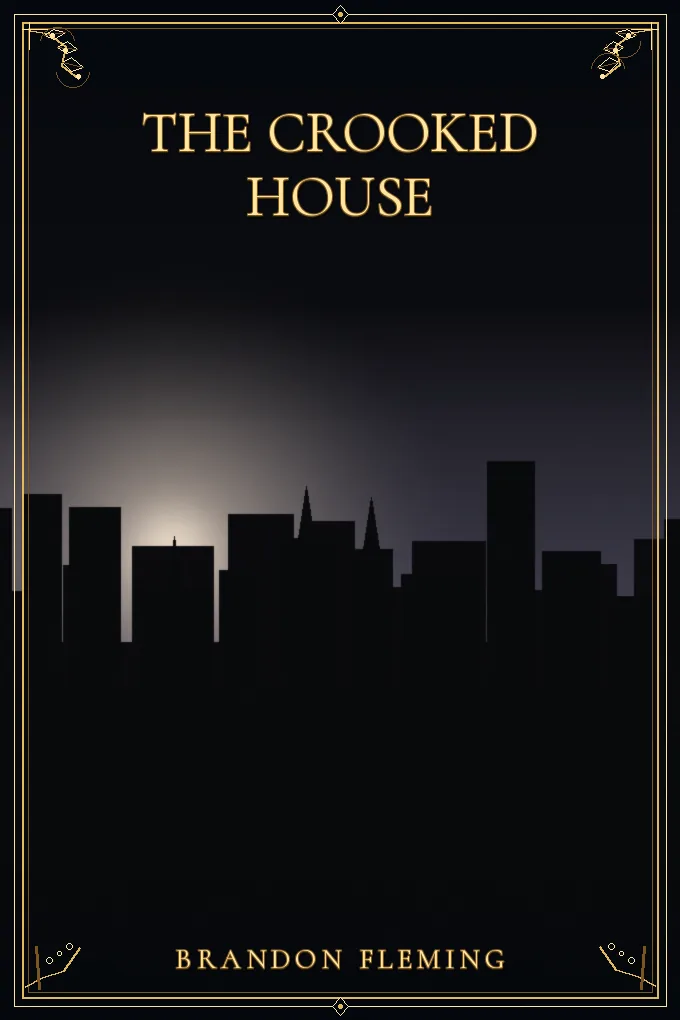
Cover illustration for The Crooked House
Context Illustration Reading 1/30 · 5 lines
English subtitles · tap any word to listen 1 / 5
ETHICS OF KILLING They swung out from Scotland Yard into Whitehall.
"What has happened?" the inspector asked.
Monsieur Dupont leant forward, controlling his excitement with an effort.
"_Mon Dieu_," he said, "I wish I knew!"
He took the telegram from his pocket.
0:00 / 0:00
Speed 0.75x
AI-generated narration by OpenAI · Slow US English
LEARNER DICTIONARY
Archivist
/ˈɑːrkɪvɪst/
Editorial verification pending

A keeper or guardian of historical records and memories.

The Crooked House

Chapter XXVIII · Chapter 28

Chapter 28 of The Crooked House is here in full — 150 sentences across 30 reading sections, with audio for every sentence and word.

Reading 1/30 · 5 reading units · Lines 1–5

Line 1
ETHICS OF KILLING They swung out from Scotland Yard into Whitehall.
/ˈeθɪks ʌv ˈkɪlɪŋ ðeɪ swʌŋ aʊt frʌm ˈskɑːtlənd jɑːrd ˈɪntuː ˈwaɪthɔːl/
Line 2
"What has happened?" the inspector asked.
/wʌt hæz ˈhæpənd ðə ˌɪnˈspektər æskt/
Line 3
Monsieur Dupont leant forward, controlling his excitement with an effort.
Line 4
"_Mon Dieu_," he said, "I wish I knew!"
Line 5
He took the telegram from his pocket.
/hiː tʊk ðə ˈteləɡræm frʌm hɪz ˈpɑːkət/

Learner Dictionary

These definitions explain words found in the current reading and keep every example grounded in its original sentence.

Oxford-style entry order: headword, part of speech, US IPA, concise definition, contextual example, and audio.

controlling adjective US /kənˈtroʊlɪŋ/

able to control or determine policy

From this reading “Monsieur Dupont leant forward, controlling his excitement with an effort.”

ethics noun US /ˈeθɪks/

motivation based on ideas of right and wrong

From this reading “ETHICS OF KILLING They swung out from Scotland Yard into Whitehall.”

inspector noun US /ˌɪnˈspektər/

a high ranking police officer

From this reading “"What has happened?" the inspector asked.”

killing noun US /ˈkɪlɪŋ/

an event that causes someone to die

From this reading “ETHICS OF KILLING They swung out from Scotland Yard into Whitehall.”

leant verb US /ˈliːənt/

inflected form of “lean” — to incline or bend from a vertical position

From this reading “Monsieur Dupont leant forward, controlling his excitement with an effort.”

Mon noun US /moʊn/

the second day of the week; the first working day

telegram noun US /ˈteləɡræm/

a message transmitted by telegraph

From this reading “He took the telegram from his pocket.”

Whitehall noun US /ˈwaɪthɔːl/

a wide street in London stretching from Trafalgar Square to the Houses of Parliament; site of many government offices

From this reading “ETHICS OF KILLING They swung out from Scotland Yard into Whitehall.”

All words in this reading · 37

Every word in these five lines is listed here, and every one of them can be played on its own.

Dictionary details are shown only when verified; these are not licensed Oxford entries.

andeterminerUS /æn/

the form of “a” used before a word that begins with a vowel sound

From this reading Monsieur Dupont leant forward, controlling his excitement with an effort.

askedverbUS /æskt/

past form of “ask” — make a request or demand for something to somebody

From this reading "What has happened?" the inspector asked.

controllingadjectiveUS /kənˈtroʊlɪŋ/

able to control or determine policy

From this reading Monsieur Dupont leant forward, controlling his excitement with an effort.

Dieu

Dictionary entry pending editorial verification. Tap Listen to hear the word.

From this reading "_Mon Dieu_," he said, "I wish I knew!"

Dupont

Dictionary entry pending editorial verification. Tap Listen to hear the word.

From this reading Monsieur Dupont leant forward, controlling his excitement with an effort.

effortnounUS /ˈefərt/

earnest and conscientious activity intended to do or accomplish something

From this reading Monsieur Dupont leant forward, controlling his excitement with an effort.

ETHICSnounUS /ˈeθɪks/

motivation based on ideas of right and wrong

From this reading ETHICS OF KILLING They swung out from Scotland Yard into Whitehall.

excitementnounUS /ɪkˈsaɪtmənt/

the feeling of lively and cheerful joy

From this reading Monsieur Dupont leant forward, controlling his excitement with an effort.

forwardadverbUS /ˈfɔːrwərd/

at or to or toward the front

From this reading Monsieur Dupont leant forward, controlling his excitement with an effort.

fromprepositionUS /frʌm/

showing where something starts, or who sent it

From this reading ETHICS OF KILLING They swung out from Scotland Yard into Whitehall.

happenedverbUS /ˈhæpənd/

past form of “happen” — come to pass

From this reading "What has happened?" the inspector asked.

hasauxiliary verbUS /hæz/

the form of “have” used with he, she, it, or a singular noun

From this reading "What has happened?" the inspector asked.

hepronounUS /hiː/

a man, boy, or male animal already mentioned, as the subject

From this reading "_Mon Dieu_," he said, "I wish I knew!"

hisdeterminerUS /hɪz/

belonging to a man, boy, or male animal already mentioned

From this reading Monsieur Dupont leant forward, controlling his excitement with an effort.

IpronounUS /aɪ/

the person speaking or writing, as the subject of the verb

From this reading "_Mon Dieu_," he said, "I wish I knew!"

inspectornounUS /ˌɪnˈspektər/

a high ranking police officer

From this reading "What has happened?" the inspector asked.

intoprepositionUS /ˈɪntuː/

moving to the inside of something

From this reading ETHICS OF KILLING They swung out from Scotland Yard into Whitehall.

KILLINGnounUS /ˈkɪlɪŋ/

an event that causes someone to die

From this reading ETHICS OF KILLING They swung out from Scotland Yard into Whitehall.

knewverbUS /nuː/

inflected form of “know” — be cognizant or aware of a fact or a specific piece of information; possess knowledge or information about

From this reading "_Mon Dieu_," he said, "I wish I knew!"

leantverbUS /ˈliːənt/

inflected form of “lean” — to incline or bend from a vertical position

From this reading Monsieur Dupont leant forward, controlling his excitement with an effort.

MonnounUS /moʊn/

the second day of the week; the first working day

From this reading "_Mon Dieu_," he said, "I wish I knew!"

MonsieurnounUS /məˈsjɜːr/

used as a French courtesy title; equivalent to English “Mr”

From this reading Monsieur Dupont leant forward, controlling his excitement with an effort.

OFprepositionUS /ʌv/

belonging to, or connected with, somebody or something

From this reading ETHICS OF KILLING They swung out from Scotland Yard into Whitehall.

outadjectiveUS /aʊt/

not allowed to continue to bat or run

From this reading ETHICS OF KILLING They swung out from Scotland Yard into Whitehall.

pocketnounUS /ˈpɑːkət/

a small pouch inside a garment for carrying small articles

From this reading He took the telegram from his pocket.

saidadjectiveUS /sed/

being the one previously mentioned or spoken of

From this reading "_Mon Dieu_," he said, "I wish I knew!"

ScotlandnounUS /ˈskɑːtlənd/

one of the four countries that make up the United Kingdom of Great Britain and Northern Ireland; located on the northern part of the island of Great Britain; famous for bagpipes and plaids and kilts

From this reading ETHICS OF KILLING They swung out from Scotland Yard into Whitehall.

swungverbUS /swʌŋ/

inflected form of “swing” — move in a curve or arc, usually with the intent of hitting

From this reading ETHICS OF KILLING They swung out from Scotland Yard into Whitehall.

telegramnounUS /ˈteləɡræm/

a message transmitted by telegraph

From this reading He took the telegram from his pocket.

thedeterminerUS /ðə/

used before a noun that is already known, already mentioned, or the only one of its kind

From this reading "What has happened?" the inspector asked.

TheypronounUS /ðeɪ/

the people, animals, or things already mentioned, as the subject

From this reading ETHICS OF KILLING They swung out from Scotland Yard into Whitehall.

tookverbUS /tʊk/

inflected form of “take” — carry out

From this reading He took the telegram from his pocket.

WhatpronounUS /wʌt/

used to ask for information about something

From this reading "What has happened?" the inspector asked.

WhitehallnounUS /ˈwaɪthɔːl/

a wide street in London stretching from Trafalgar Square to the Houses of Parliament; site of many government offices

From this reading ETHICS OF KILLING They swung out from Scotland Yard into Whitehall.

wishverbUS /wɪʃ/

hope for; have a wish

From this reading "_Mon Dieu_," he said, "I wish I knew!"

withprepositionUS /wɪð/

in the company of; together with

From this reading Monsieur Dupont leant forward, controlling his excitement with an effort.

YardnounUS /jɑːrd/

a unit of length equal to 3 feet; defined as 91.44 centimeters; originally taken to be the average length of a stride

From this reading ETHICS OF KILLING They swung out from Scotland Yard into Whitehall.

Chapter 28 of The Crooked House by Brandon Fleming holds 150 sentences, grouped into 30 reading sections of at most 5 sentences. The text is the source edition, unabridged, and the chapter records which sentences cover which part of the work so that nothing is dropped. Every word can be tapped for its pronunciation and dictionary entry.

What does chapter 28 of The Crooked House contain?

Chapter 28 holds 150 sentences of The Crooked House, unabridged, divided into 30 reading sections.

This page carries chapter 28 of The Crooked House by Brandon Fleming exactly as it stands in the source edition, without abridgement. It runs to 150 sentences, grouped into 30 sections of at most 5 sentences so that a reader can take the chapter in steady, finishable pieces. The chapter also stores a coverage record mapping every one of its sentences to a part of the work, which is how the edition demonstrates that no line was dropped.

How do I study chapter 28 of The Crooked House?

Work through the 30 sections in order, replaying any sentence and tapping unfamiliar words for their entries.

Each of the 30 sections in this chapter is short enough to read once, hear once, and then re-read with the vocabulary in view. Tapping a word plays it alone and opens its dictionary entry with IPA, part of speech and meaning, so the reader is never forced to guess a pronunciation from spelling. Working section by section keeps a long chapter from becoming an undifferentiated wall of text, which is the usual reason a reader abandons a work of this period.

Can chapter 28 be read aloud to me?

Yes — every sentence and every individual word in chapter 28 can be played aloud in United States English.

Audio covers the whole chapter: any sentence can be played, and any single word within it can be played on its own. The voice uses United States English. For a work of this period that matters, because spelling is an unreliable guide to pronunciation for vocabulary that has fallen out of daily use, and a learner who guesses wrong tends to keep the error. Hearing the word in its own sentence, and then alone, settles it.

Questions about reading The Crooked House

Common questions about reading The Crooked House by Brandon Fleming on this page, its source edition and its audio.

Is this the complete text of The Crooked House?

Yes. All 4272 sentences of Project Gutenberg eBook #22820 are kept, with a record of which sentences cover which part.

Which edition of The Crooked House is used?

Project Gutenberg eBook #22820, unabridged. The Project Gutenberg header, footer and licence are removed.

How long does The Crooked House take to read?

About 356 minutes of reading across 855 sections of 5 sentences each, at an unhurried pace.

How to read The Crooked House section by section

How to work through The Crooked House section by section, using the audio and the tap-to-define vocabulary.

  1. Open a chapter

    Choose one of the 33 chapters of The Crooked House to begin.

  2. Read one section

    Each section holds 5 sentences; read it once through.

  3. Listen and tap

    Play the section aloud, then tap any unfamiliar word for its entry.

Vocabulary met early in The Crooked House

Words and structures a reader meets early in The Crooked House, each tappable for pronunciation and meaning.

Unusual
A word that appears in the opening chapter of The Crooked House; the reader can tap it to hear it and see its dictionary entry.
Thing
A word that appears in the opening chapter of The Crooked House; the reader can tap it to hear it and see its dictionary entry.
George
A word that appears in the opening chapter of The Crooked House; the reader can tap it to hear it and see its dictionary entry.
Copplestone
A word that appears in the opening chapter of The Crooked House; the reader can tap it to hear it and see its dictionary entry.