Complete classic literature • Five-line readings • Clear US narration
VELMORA ACADEMY
Academy of Archival Languages & Memory Studies
Menu Close
The Day of Wrath: A Story of 1914

Chapter IV

Chapter 4 of The Day of Wrath: A Story of 1914 is here in full — 287 sentences across 58 reading sections, with audio for every sentence and word.

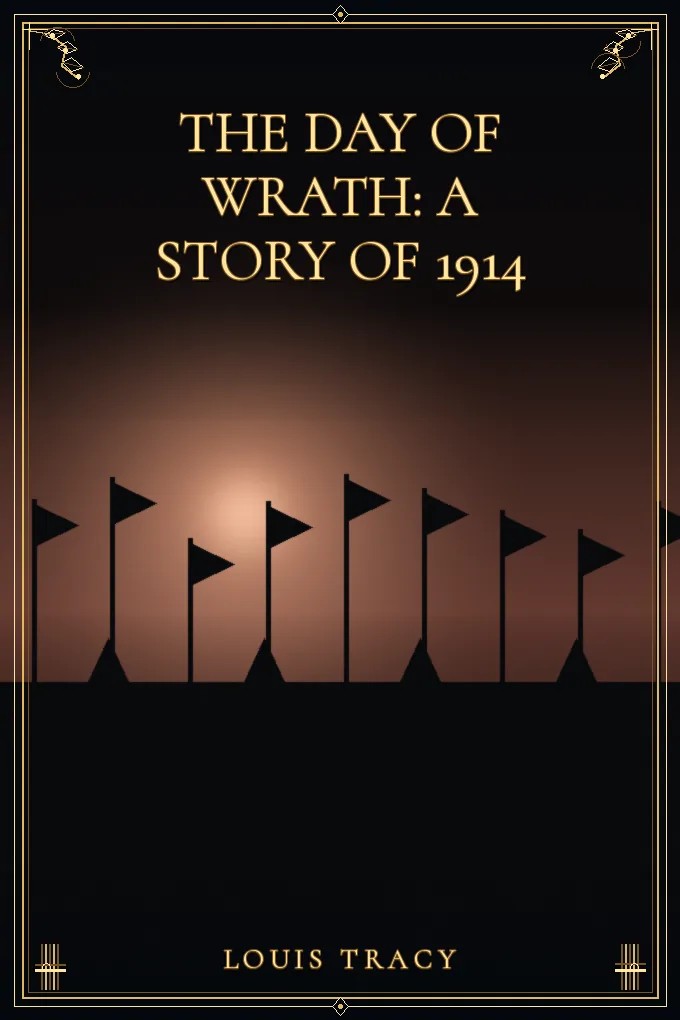
Cover illustration for The Day of Wrath: A Story of 1914
Context Illustration Reading 1/57 · 5 lines
English subtitles · tap any word to listen 1 / 5
THE TRAGEDY OF VISE Early as was the hour, a door leading to the dwelling-house stood open.
The sound of feet on the cobbled pavement of the mill-yard brought a squat, beetle-browed old man to the threshold.
He surveyed the strangers with a curiously haphazard yet piercing underlook.
His black eyes held a glint of red.
Here was one in a subdued torment of rage, or, it might be, of ill-controlled panic.
0:00 / 0:00
Speed 0.75x
AI-generated narration by OpenAI · Slow US English
LEARNER DICTIONARY
Archivist
/ˈɑːrkɪvɪst/
Editorial verification pending

A keeper or guardian of historical records and memories.

The Day of Wrath: A Story of 1914

Chapter IV

Chapter 4 of The Day of Wrath: A Story of 1914 is here in full — 287 sentences across 58 reading sections, with audio for every sentence and word.

Reading 1/57 · 5 reading units · Lines 1–5

Line 1
THE TRAGEDY OF VISE Early as was the hour, a door leading to the dwelling-house stood open.
Line 2
The sound of feet on the cobbled pavement of the mill-yard brought a squat, beetle-browed old man to the threshold.
Line 3
He surveyed the strangers with a curiously haphazard yet piercing underlook.
Line 4
His black eyes held a glint of red.
/hɪz blæk aɪz held ə ɡlɪnt ʌv red/
Line 5
Here was one in a subdued torment of rage, or, it might be, of ill-controlled panic.

Learner Dictionary

These definitions explain words found in the current reading and keep every example grounded in its original sentence.

Oxford-style entry order: headword, part of speech, US IPA, concise definition, contextual example, and audio.

cobbled verb US /ˈkɑːbəld/

past form of “cobble” — pave with cobblestones

From this reading “The sound of feet on the cobbled pavement of the mill-yard brought a squat, beetle-browed old man to the threshold.”

glint verb US /ɡlɪnt/

be shiny, as if wet

From this reading “His black eyes held a glint of red.”

haphazard adjective US /hæpˈhæzərd/

dependent upon or characterized by chance

From this reading “He surveyed the strangers with a curiously haphazard yet piercing underlook.”

piercing adjective US /ˈpɪrsɪŋ/

having or demonstrating ability to recognize or draw fine distinctions

From this reading “He surveyed the strangers with a curiously haphazard yet piercing underlook.”

squat verb US /skwɑːt/

sit on one's heels

From this reading “The sound of feet on the cobbled pavement of the mill-yard brought a squat, beetle-browed old man to the threshold.”

surveyed verb US /sərˈveɪd/

past form of “survey” — consider in a comprehensive way

From this reading “He surveyed the strangers with a curiously haphazard yet piercing underlook.”

torment noun US /ˈtɔːrment/

unbearable physical pain

From this reading “Here was one in a subdued torment of rage, or, it might be, of ill-controlled panic.”

vise noun US /vaɪs/

a holding device attached to a workbench; has two jaws to hold workpiece firmly in place

From this reading “THE TRAGEDY OF VISE Early as was the hour, a door leading to the dwelling-house stood open.”

Word partnerships in these lines

English keeps certain words together, and knowing the pair is worth more than knowing each word alone. Every partnership below was counted across our whole published library, and earns its place by appearing far more often than two unrelated words of the same frequency would.

Shown as this reading writes them, with the form the library counts, what kind of pairing it is, and how often it occurs.

old man adjective + noun

a man who is very old

In this reading “The sound of feet on the cobbled pavement of the mill-yard brought a squat, beetle-browed old man to the threshold.”

black eyes adjective + noun

In this reading “His black eyes held a glint of red.”

glint of verb + particle

In this reading “His black eyes held a glint of red.”

All words in this reading · 54

Every word in these five lines is listed here, and every one of them can be played on its own.

Dictionary details are shown only when verified; these are not licensed Oxford entries.

adeterminerUS /ə/

used before a singular noun to mean one of a group, when it is not a particular one

From this reading THE TRAGEDY OF VISE Early as was the hour, a door leading to the dwelling-house stood open.

asconjunctionUS /æz/

at the same time that; because; in the way that

From this reading THE TRAGEDY OF VISE Early as was the hour, a door leading to the dwelling-house stood open.

beauxiliary verbUS /biː/

used with a past participle to form the passive, or with -ing for continuous tenses

From this reading Here was one in a subdued torment of rage, or, it might be, of ill-controlled panic.

beetle-browedadjective

sullen or unfriendly in appearance

From this reading The sound of feet on the cobbled pavement of the mill-yard brought a squat, beetle-browed old man to the threshold.

blackadjectiveUS /blæk/

being of the achromatic color of maximum darkness; having little or no hue owing to absorption of almost all incident light

From this reading His black eyes held a glint of red.

broughtverbUS /brɔːt/

inflected form of “bring” — take something or somebody with oneself somewhere

From this reading The sound of feet on the cobbled pavement of the mill-yard brought a squat, beetle-browed old man to the threshold.

cobbledverbUS /ˈkɑːbəld/

past form of “cobble” — pave with cobblestones

From this reading The sound of feet on the cobbled pavement of the mill-yard brought a squat, beetle-browed old man to the threshold.

curiouslyadverbUS /ˈkjʊriəsli/

in a manner differing from the usual or expected

From this reading He surveyed the strangers with a curiously haphazard yet piercing underlook.

doornounUS /dɔːr/

a swinging or sliding barrier that will close the entrance to a room or building or vehicle

From this reading THE TRAGEDY OF VISE Early as was the hour, a door leading to the dwelling-house stood open.

dwelling-house

Dictionary entry pending editorial verification. Tap Listen to hear the word.

From this reading THE TRAGEDY OF VISE Early as was the hour, a door leading to the dwelling-house stood open.

EarlyadjectiveUS /ˈɜːrli/

at or near the beginning of a period of time or course of events or before the usual or expected time

From this reading THE TRAGEDY OF VISE Early as was the hour, a door leading to the dwelling-house stood open.

eyesnounUS /aɪz/

opinion or judgment

From this reading His black eyes held a glint of red.

feetnounUS /fiːt/

plural of “foot” — the part of the leg of a human being below the ankle joint

From this reading The sound of feet on the cobbled pavement of the mill-yard brought a squat, beetle-browed old man to the threshold.

glintverbUS /ɡlɪnt/

be shiny, as if wet

From this reading His black eyes held a glint of red.

haphazardadjectiveUS /hæpˈhæzərd/

dependent upon or characterized by chance

From this reading He surveyed the strangers with a curiously haphazard yet piercing underlook.

HepronounUS /hiː/

a man, boy, or male animal already mentioned, as the subject

From this reading He surveyed the strangers with a curiously haphazard yet piercing underlook.

heldadjectiveUS /held/

occupied or in the control of; often used in combination

From this reading His black eyes held a glint of red.

HereadverbUS /hiːr/

in or at this place; where the speaker or writer is

From this reading Here was one in a subdued torment of rage, or, it might be, of ill-controlled panic.

HisdeterminerUS /hɪz/

belonging to a man, boy, or male animal already mentioned

From this reading His black eyes held a glint of red.

hournounUS /ˈaʊər/

a period of time equal to 1/24th of a day

From this reading THE TRAGEDY OF VISE Early as was the hour, a door leading to the dwelling-house stood open.

ill-controlled

Dictionary entry pending editorial verification. Tap Listen to hear the word.

From this reading Here was one in a subdued torment of rage, or, it might be, of ill-controlled panic.

inprepositionUS /ɪn/

inside something, or within a place, period, or state

From this reading Here was one in a subdued torment of rage, or, it might be, of ill-controlled panic.

itpronounUS /ɪt/

a thing, animal, or idea already mentioned

From this reading Here was one in a subdued torment of rage, or, it might be, of ill-controlled panic.

leadingadjectiveUS /ˈliːdɪŋ/

indicating the most important performer or role

From this reading THE TRAGEDY OF VISE Early as was the hour, a door leading to the dwelling-house stood open.

mannounUS /mæn/

an adult person who is male (as opposed to a woman)

From this reading The sound of feet on the cobbled pavement of the mill-yard brought a squat, beetle-browed old man to the threshold.

mightmodal verbUS /maɪt/

used to say something is possible but not certain

From this reading Here was one in a subdued torment of rage, or, it might be, of ill-controlled panic.

mill-yard

Dictionary entry pending editorial verification. Tap Listen to hear the word.

From this reading The sound of feet on the cobbled pavement of the mill-yard brought a squat, beetle-browed old man to the threshold.

OFprepositionUS /ʌv/

belonging to, or connected with, somebody or something

From this reading THE TRAGEDY OF VISE Early as was the hour, a door leading to the dwelling-house stood open.

oldadjectiveUS /oʊld/

(used especially of persons) having lived for a relatively long time or attained a specific age

From this reading The sound of feet on the cobbled pavement of the mill-yard brought a squat, beetle-browed old man to the threshold.

onprepositionUS /ɑːn/

touching and supported by a surface

From this reading The sound of feet on the cobbled pavement of the mill-yard brought a squat, beetle-browed old man to the threshold.

onepronounUS /wʌn/

used to mean any person in general, including the speaker

From this reading Here was one in a subdued torment of rage, or, it might be, of ill-controlled panic.

openverbUS /ˈoʊ.pən/

To move from a closed position.

From this reading THE TRAGEDY OF VISE Early as was the hour, a door leading to the dwelling-house stood open.

orconjunctionUS /ɔːr/

used to join alternatives or possibilities

From this reading Here was one in a subdued torment of rage, or, it might be, of ill-controlled panic.

panicnounUS /ˈpænɪk/

an overwhelming feeling of fear and anxiety

From this reading Here was one in a subdued torment of rage, or, it might be, of ill-controlled panic.

pavementnounUS /ˈpeɪvmənt/

the paved surface of a thoroughfare

From this reading The sound of feet on the cobbled pavement of the mill-yard brought a squat, beetle-browed old man to the threshold.

piercingadjectiveUS /ˈpɪrsɪŋ/

having or demonstrating ability to recognize or draw fine distinctions

From this reading He surveyed the strangers with a curiously haphazard yet piercing underlook.

ragenounUS /reɪdʒ/

a feeling of intense anger

From this reading Here was one in a subdued torment of rage, or, it might be, of ill-controlled panic.

rednounUS /red/

red color or pigment; the chromatic color resembling the hue of blood

From this reading His black eyes held a glint of red.

soundnounUS /saʊnd/

the particular auditory effect produced by a given cause

From this reading The sound of feet on the cobbled pavement of the mill-yard brought a squat, beetle-browed old man to the threshold.

squatverbUS /skwɑːt/

sit on one's heels

From this reading The sound of feet on the cobbled pavement of the mill-yard brought a squat, beetle-browed old man to the threshold.

stoodverbUS /stʊd/

Maintained an upright posture.

From this reading THE TRAGEDY OF VISE Early as was the hour, a door leading to the dwelling-house stood open.

strangersnounUS /ˈstreɪndʒərz/

plural of “stranger” — anyone who does not belong in the environment in which they are found

From this reading He surveyed the strangers with a curiously haphazard yet piercing underlook.

subduedadjectiveUS /səbˈduːd/

in a softened tone

From this reading Here was one in a subdued torment of rage, or, it might be, of ill-controlled panic.

surveyedverbUS /sərˈveɪd/

past form of “survey” — consider in a comprehensive way

From this reading He surveyed the strangers with a curiously haphazard yet piercing underlook.

THEdeterminerUS /ðə/

used before a noun that is already known, already mentioned, or the only one of its kind

From this reading THE TRAGEDY OF VISE Early as was the hour, a door leading to the dwelling-house stood open.

thresholdnounUS /ˈθreʃoʊld/

the starting point for a new state or experience

From this reading The sound of feet on the cobbled pavement of the mill-yard brought a squat, beetle-browed old man to the threshold.

toparticleUS /tuː/

used before the base form of a verb to make the infinitive

From this reading THE TRAGEDY OF VISE Early as was the hour, a door leading to the dwelling-house stood open.

tormentnounUS /ˈtɔːrment/

unbearable physical pain

From this reading Here was one in a subdued torment of rage, or, it might be, of ill-controlled panic.

TRAGEDYnounUS /ˈtrædʒədi/

an event resulting in great loss and misfortune

From this reading THE TRAGEDY OF VISE Early as was the hour, a door leading to the dwelling-house stood open.

underlook

Dictionary entry pending editorial verification. Tap Listen to hear the word.

From this reading He surveyed the strangers with a curiously haphazard yet piercing underlook.

VISEnounUS /vaɪs/

a holding device attached to a workbench; has two jaws to hold workpiece firmly in place

From this reading THE TRAGEDY OF VISE Early as was the hour, a door leading to the dwelling-house stood open.

wasauxiliary verbUS /wɑːz/

the past form of “be” used with I, he, she, it, or a singular noun

From this reading THE TRAGEDY OF VISE Early as was the hour, a door leading to the dwelling-house stood open.

withprepositionUS /wɪð/

in the company of; together with

From this reading He surveyed the strangers with a curiously haphazard yet piercing underlook.

yetconjunctionUS /jet/

but in spite of that

From this reading He surveyed the strangers with a curiously haphazard yet piercing underlook.

Chapter 4 of The Day of Wrath: A Story of 1914 by Louis Tracy holds 287 sentences, grouped into 58 reading sections of at most 5 sentences. The text is the source edition, unabridged, and the chapter records which sentences cover which part of the work so that nothing is dropped. Every word can be tapped for its pronunciation and dictionary entry.

What does chapter 4 of The Day of Wrath: A Story of 1914 contain?

Chapter 4 holds 287 sentences of The Day of Wrath: A Story of 1914, unabridged, divided into 58 reading sections.

This page carries chapter 4 of The Day of Wrath: A Story of 1914 by Louis Tracy exactly as it stands in the source edition, without abridgement. It runs to 287 sentences, grouped into 58 sections of at most 5 sentences so that a reader can take the chapter in steady, finishable pieces. The chapter also stores a coverage record mapping every one of its sentences to a part of the work, which is how the edition demonstrates that no line was dropped.

How do I study chapter 4 of The Day of Wrath: A Story of 1914?

Work through the 58 sections in order, replaying any sentence and tapping unfamiliar words for their entries.

Each of the 58 sections in this chapter is short enough to read once, hear once, and then re-read with the vocabulary in view. Tapping a word plays it alone and opens its dictionary entry with IPA, part of speech and meaning, so the reader is never forced to guess a pronunciation from spelling. Working section by section keeps a long chapter from becoming an undifferentiated wall of text, which is the usual reason a reader abandons a work of this period.

Can chapter 4 be read aloud to me?

Yes — every sentence and every individual word in chapter 4 can be played aloud in United States English.

Audio covers the whole chapter: any sentence can be played, and any single word within it can be played on its own. The voice uses United States English. For a work of this period that matters, because spelling is an unreliable guide to pronunciation for vocabulary that has fallen out of daily use, and a learner who guesses wrong tends to keep the error. Hearing the word in its own sentence, and then alone, settles it.

Questions about reading The Day of Wrath: A Story of 1914

Common questions about reading The Day of Wrath: A Story of 1914 by Louis Tracy on this page, its source edition and its audio.

Is this the complete text of The Day of Wrath: A Story of 1914?

Yes. All 4254 sentences of Project Gutenberg eBook #33622 are kept, with a record of which sentences cover which part.

Which edition of The Day of Wrath: A Story of 1914 is used?

Project Gutenberg eBook #33622, unabridged. The Project Gutenberg header, footer and licence are removed.

How long does The Day of Wrath: A Story of 1914 take to read?

About 354 minutes of reading across 851 sections of 5 sentences each, at an unhurried pace.

How to read The Day of Wrath: A Story of 1914 section by section

How to work through The Day of Wrath: A Story of 1914 section by section, using the audio and the tap-to-define vocabulary.

  1. Open a chapter

    Choose one of the 15 chapters of The Day of Wrath: A Story of 1914 to begin.

  2. Read one section

    Each section holds 5 sentences; read it once through.

  3. Listen and tap

    Play the section aloud, then tap any unfamiliar word for its entry.

Vocabulary met early in The Day of Wrath: A Story of 1914

Words and structures a reader meets early in The Day of Wrath: A Story of 1914, each tappable for pronunciation and meaning.

Author
A word that appears in the opening chapter of The Day of Wrath: A Story of 1914; the reader can tap it to hear it and see its dictionary entry.
Wings
A word that appears in the opening chapter of The Day of Wrath: A Story of 1914; the reader can tap it to hear it and see its dictionary entry.
Morning
A word that appears in the opening chapter of The Day of Wrath: A Story of 1914; the reader can tap it to hear it and see its dictionary entry.
Flower
A word that appears in the opening chapter of The Day of Wrath: A Story of 1914; the reader can tap it to hear it and see its dictionary entry.