Complete classic literature • Five-line readings • Clear US narration
VELMORA ACADEMY
Academy of Archival Languages & Memory Studies
Menu Close
The Diamond Coterie
The Diamond Coterie

Chapter X · Chapter 10

Chapter 10 of The Diamond Coterie is here in full — 134 sentences across 27 reading sections, with audio for every sentence and word.

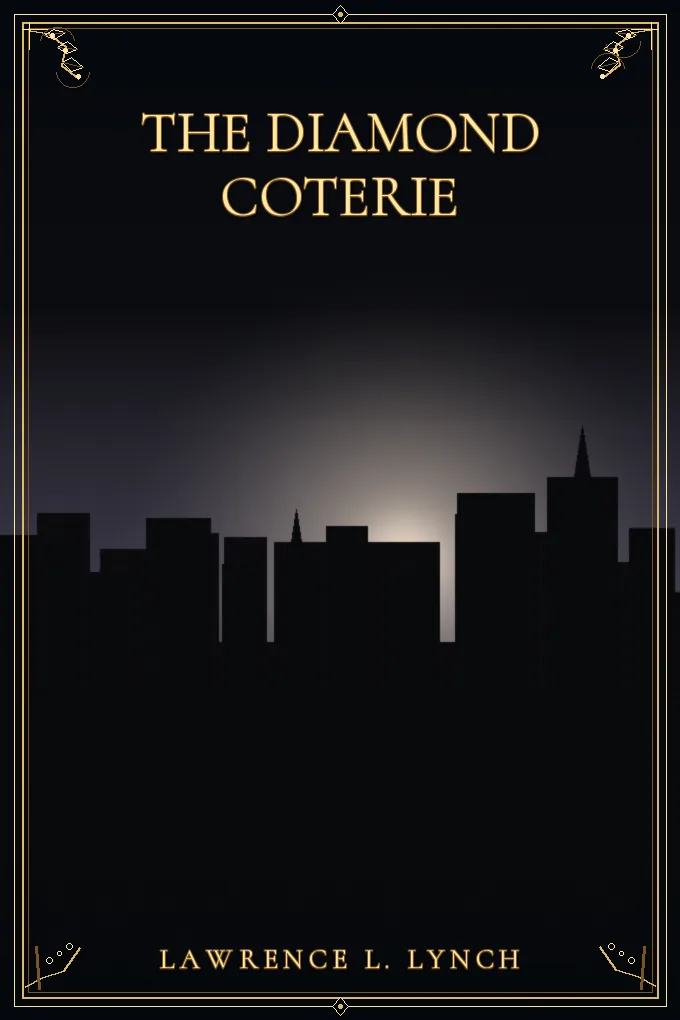
Cover illustration for The Diamond Coterie
Context Illustration Reading 1/26 · 5 lines
English subtitles · tap any word to listen 1 / 5
THE BEGINNING OF THE END.
Saturday, Sunday, Monday, three days; three nights.
The events chronicled in the foregoing chapters, crowded themselves into the space of three days.
But these were exceptional days; life does not move on thus, especially in the usually staid and well regulated town of W----.
Men and women are not qualified to run a long, high pressure race.
0:00 / 0:00
Speed 0.75x
AI-generated narration by OpenAI · Slow US English
LEARNER DICTIONARY
Archivist
/ˈɑːrkɪvɪst/
Editorial verification pending

A keeper or guardian of historical records and memories.

The Diamond Coterie

Chapter X · Chapter 10

Chapter 10 of The Diamond Coterie is here in full — 134 sentences across 27 reading sections, with audio for every sentence and word.

Reading 1/26 · 5 reading units · Lines 1–5

Line 1
THE BEGINNING OF THE END.
/ðə bɪˈɡɪnɪŋ ʌv ðə end/
Line 2
Saturday, Sunday, Monday, three days; three nights.
/ˈsætərdi ˈsʌndeɪ ˈmʌndi θriː deɪz θriː naɪts/
Line 3
The events chronicled in the foregoing chapters, crowded themselves into the space of three days.
/ðə ɪˈvents ˈkrɑːnɪkəld ɪn ðə fɔːrˈɡoʊɪŋ ˈtʃæptərz ˈkraʊdəd ðemˈselvz ˈɪntuː ðə speɪs ʌv θriː deɪz/
Line 4
But these were exceptional days; life does not move on thus, especially in the usually staid and well regulated town of W----.
/bʌt ðiːz wɜːr ɪkˈsepʃənəl deɪz laɪf dʌz nɑːt muːv ɑːn ðʌs əˈspeʃli ɪn ðə ˈjuːʒəwəli steɪd ənd wel ˈreɡjəleɪtɪd taʊn ʌv ˈdʌbəljuː/
Line 5
Men and women are not qualified to run a long, high pressure race.
/men ənd ˈwɪmən ɑːr nɑːt ˈkwɑːləfaɪd tuː rʌn ə lɔːŋ haɪ ˈpreʃər reɪs/

Learner Dictionary

These definitions explain words found in the current reading and keep every example grounded in its original sentence.

Oxford-style entry order: headword, part of speech, US IPA, concise definition, contextual example, and audio.

chapters noun US /ˈtʃæptərz/

plural of “chapter” — a subdivision of a written work; usually numbered and titled

From this reading “The events chronicled in the foregoing chapters, crowded themselves into the space of three days.”

chronicled verb US /ˈkrɑːnɪkəld/

past form of “chronicle” — record in chronological order; make a historical record

From this reading “The events chronicled in the foregoing chapters, crowded themselves into the space of three days.”

exceptional adjective US /ɪkˈsepʃənəl/

far beyond what is usual in magnitude or degree

From this reading “But these were exceptional days; life does not move on thus, especially in the usually staid and well regulated town of W----.”

foregoing adjective US /fɔːrˈɡoʊɪŋ/

especially of writing or speech; going before

From this reading “The events chronicled in the foregoing chapters, crowded themselves into the space of three days.”

Monday noun US /ˈmʌndi/

the second day of the week; the first working day

From this reading “Saturday, Sunday, Monday, three days; three nights.”

qualified adjective US /ˈkwɑːləfaɪd/

meeting the proper standards and requirements and training for an office or position or task

From this reading “Men and women are not qualified to run a long, high pressure race.”

regulated adjective US /ˈreɡjəleɪtɪd/

controlled or governed according to rule or principle or law

From this reading “But these were exceptional days; life does not move on thus, especially in the usually staid and well regulated town of W----.”

staid adjective US /steɪd/

characterized by dignity and propriety

From this reading “But these were exceptional days; life does not move on thus, especially in the usually staid and well regulated town of W----.”

All words in this reading · 48

Every word in these five lines is listed here, and every one of them can be played on its own.

Dictionary details are shown only when verified; these are not licensed Oxford entries.

adeterminerUS /ə/

used before a singular noun to mean one of a group, when it is not a particular one

From this reading Men and women are not qualified to run a long, high pressure race.

andconjunctionUS /ənd/

used to join words or parts of a sentence that go together

From this reading But these were exceptional days; life does not move on thus, especially in the usually staid and well regulated town of W----.

areauxiliary verbUS /ɑːr/

the form of “be” used with you, we, they, or a plural noun

From this reading Men and women are not qualified to run a long, high pressure race.

BEGINNINGnounUS /bɪˈɡɪnɪŋ/

the event consisting of the start of something

From this reading THE BEGINNING OF THE END.

ButconjunctionUS /bʌt/

used to introduce something that contrasts with what came before

From this reading But these were exceptional days; life does not move on thus, especially in the usually staid and well regulated town of W----.

chaptersnounUS /ˈtʃæptərz/

plural of “chapter” — a subdivision of a written work; usually numbered and titled

From this reading The events chronicled in the foregoing chapters, crowded themselves into the space of three days.

chronicledverbUS /ˈkrɑːnɪkəld/

past form of “chronicle” — record in chronological order; make a historical record

From this reading The events chronicled in the foregoing chapters, crowded themselves into the space of three days.

crowdedadjectiveUS /ˈkraʊdəd/

overfilled or compacted or concentrated

From this reading The events chronicled in the foregoing chapters, crowded themselves into the space of three days.

daysnounUS /deɪz/

the time during which someone's life continues

From this reading Saturday, Sunday, Monday, three days; three nights.

doesauxiliary verbUS /dʌz/

the form of “do” used with he, she, it, or a singular noun

From this reading But these were exceptional days; life does not move on thus, especially in the usually staid and well regulated town of W----.

ENDnounUS /end/

either extremity of something that has length

From this reading THE BEGINNING OF THE END.

especiallyadverbUS /əˈspeʃli/

to a distinctly greater extent or degree than is common

From this reading But these were exceptional days; life does not move on thus, especially in the usually staid and well regulated town of W----.

eventsnounUS /ɪˈvents/

plural of “event” — something that happens at a given place and time

From this reading The events chronicled in the foregoing chapters, crowded themselves into the space of three days.

exceptionaladjectiveUS /ɪkˈsepʃənəl/

far beyond what is usual in magnitude or degree

From this reading But these were exceptional days; life does not move on thus, especially in the usually staid and well regulated town of W----.

foregoingadjectiveUS /fɔːrˈɡoʊɪŋ/

especially of writing or speech; going before

From this reading The events chronicled in the foregoing chapters, crowded themselves into the space of three days.

highadjectiveUS /haɪ/

greater than normal in degree or intensity or amount

From this reading Men and women are not qualified to run a long, high pressure race.

inprepositionUS /ɪn/

inside something, or within a place, period, or state

From this reading The events chronicled in the foregoing chapters, crowded themselves into the space of three days.

intoprepositionUS /ˈɪntuː/

moving to the inside of something

From this reading The events chronicled in the foregoing chapters, crowded themselves into the space of three days.

lifenounUS /laɪf/

a characteristic state or mode of living

From this reading But these were exceptional days; life does not move on thus, especially in the usually staid and well regulated town of W----.

longadjectiveUS /lɔːŋ/

primarily temporal sense; being or indicating a relatively great or greater than average duration or passage of time or a duration as specified

From this reading Men and women are not qualified to run a long, high pressure race.

MennounUS /men/

the force of workers available

From this reading Men and women are not qualified to run a long, high pressure race.

MondaynounUS /ˈmʌndi/

the second day of the week; the first working day

From this reading Saturday, Sunday, Monday, three days; three nights.

moveverbUS /muːv/

change location; move, travel, or proceed, also metaphorically

From this reading But these were exceptional days; life does not move on thus, especially in the usually staid and well regulated town of W----.

nightsnounUS /naɪts/

Periods of darkness between sunset and sunrise.

From this reading Saturday, Sunday, Monday, three days; three nights.

notadverbUS /nɑːt/

used to make a word, phrase, or sentence negative

From this reading But these were exceptional days; life does not move on thus, especially in the usually staid and well regulated town of W----.

OFprepositionUS /ʌv/

belonging to, or connected with, somebody or something

From this reading THE BEGINNING OF THE END.

onprepositionUS /ɑːn/

touching and supported by a surface

From this reading But these were exceptional days; life does not move on thus, especially in the usually staid and well regulated town of W----.

pressurenounUS /ˈpreʃər/

the force applied to a unit area of surface; measured in pascals (SI unit) or in dynes (cgs unit)

From this reading Men and women are not qualified to run a long, high pressure race.

qualifiedadjectiveUS /ˈkwɑːləfaɪd/

meeting the proper standards and requirements and training for an office or position or task

From this reading Men and women are not qualified to run a long, high pressure race.

racenounUS /reɪs/

any competition

From this reading Men and women are not qualified to run a long, high pressure race.

regulatedadjectiveUS /ˈreɡjəleɪtɪd/

controlled or governed according to rule or principle or law

From this reading But these were exceptional days; life does not move on thus, especially in the usually staid and well regulated town of W----.

runverbUS /rʌn/

move fast by using one's feet, with one foot off the ground at any given time

From this reading Men and women are not qualified to run a long, high pressure race.

SaturdaynounUS /ˈsætərdi/

the seventh and last day of the week; observed as the Sabbath by Jews and some Christians

From this reading Saturday, Sunday, Monday, three days; three nights.

spacenounUS /speɪs/

the unlimited expanse in which everything is located

From this reading The events chronicled in the foregoing chapters, crowded themselves into the space of three days.

staidadjectiveUS /steɪd/

characterized by dignity and propriety

From this reading But these were exceptional days; life does not move on thus, especially in the usually staid and well regulated town of W----.

SundaynounUS /ˈsʌndeɪ/

first day of the week; observed as a day of rest and worship by most Christians

From this reading Saturday, Sunday, Monday, three days; three nights.

THEdeterminerUS /ðə/

used before a noun that is already known, already mentioned, or the only one of its kind

From this reading THE BEGINNING OF THE END.

themselvespronounUS /ðemˈselvz/

used when the people doing the action are also its object

From this reading The events chronicled in the foregoing chapters, crowded themselves into the space of three days.

thesedeterminerUS /ðiːz/

the plural of “this”: the people or things near, or just mentioned

From this reading But these were exceptional days; life does not move on thus, especially in the usually staid and well regulated town of W----.

threenounUS /θriː/

the cardinal number that is the sum of one and one and one

From this reading Saturday, Sunday, Monday, three days; three nights.

thusadverbUS /ðʌs/

(used to introduce a logical conclusion) from that fact or reason or as a result

From this reading But these were exceptional days; life does not move on thus, especially in the usually staid and well regulated town of W----.

toparticleUS /tuː/

used before the base form of a verb to make the infinitive

From this reading Men and women are not qualified to run a long, high pressure race.

townnounUS /taʊn/

an urban area with a fixed boundary that is smaller than a city

From this reading But these were exceptional days; life does not move on thus, especially in the usually staid and well regulated town of W----.

usuallyadverbUS /ˈjuːʒəwəli/

under normal conditions

From this reading But these were exceptional days; life does not move on thus, especially in the usually staid and well regulated town of W----.

WnounUS /ˈdʌbəljuː/

a heavy grey-white metallic element; the pure form is used mainly in electrical applications; it is found in several ores including wolframite and scheelite

From this reading But these were exceptional days; life does not move on thus, especially in the usually staid and well regulated town of W----.

welladverbUS /wel/

(often used as a combining form) in a good or proper or satisfactory manner or to a high standard (“good” is a nonstandard dialectal variant for “well”)

From this reading But these were exceptional days; life does not move on thus, especially in the usually staid and well regulated town of W----.

wereauxiliary verbUS /wɜːr/

the past form of “be” used with you, we, they, or a plural noun

From this reading But these were exceptional days; life does not move on thus, especially in the usually staid and well regulated town of W----.

womennounUS /ˈwɪmən/

plural of “woman” — an adult female person (as opposed to a man)

From this reading Men and women are not qualified to run a long, high pressure race.

Chapter 10 of The Diamond Coterie by Lawrence L. Lynch holds 134 sentences, grouped into 27 reading sections of at most 5 sentences. The text is the source edition, unabridged, and the chapter records which sentences cover which part of the work so that nothing is dropped. Every word can be tapped for its pronunciation and dictionary entry.

What does chapter 10 of The Diamond Coterie contain?

Chapter 10 holds 134 sentences of The Diamond Coterie, unabridged, divided into 27 reading sections.

This page carries chapter 10 of The Diamond Coterie by Lawrence L. Lynch exactly as it stands in the source edition, without abridgement. It runs to 134 sentences, grouped into 27 sections of at most 5 sentences so that a reader can take the chapter in steady, finishable pieces. The chapter also stores a coverage record mapping every one of its sentences to a part of the work, which is how the edition demonstrates that no line was dropped.

How do I study chapter 10 of The Diamond Coterie?

Work through the 27 sections in order, replaying any sentence and tapping unfamiliar words for their entries.

Each of the 27 sections in this chapter is short enough to read once, hear once, and then re-read with the vocabulary in view. Tapping a word plays it alone and opens its dictionary entry with IPA, part of speech and meaning, so the reader is never forced to guess a pronunciation from spelling. Working section by section keeps a long chapter from becoming an undifferentiated wall of text, which is the usual reason a reader abandons a work of this period.

Can chapter 10 be read aloud to me?

Yes — every sentence and every individual word in chapter 10 can be played aloud in United States English.

Audio covers the whole chapter: any sentence can be played, and any single word within it can be played on its own. The voice uses United States English. For a work of this period that matters, because spelling is an unreliable guide to pronunciation for vocabulary that has fallen out of daily use, and a learner who guesses wrong tends to keep the error. Hearing the word in its own sentence, and then alone, settles it.

Questions about reading The Diamond Coterie

Common questions about reading The Diamond Coterie by Lawrence L. Lynch on this page, its source edition and its audio.

Is this the complete text of The Diamond Coterie?

Yes. All 6714 sentences of Project Gutenberg eBook #25695 are kept, with a record of which sentences cover which part.

Which edition of The Diamond Coterie is used?

Project Gutenberg eBook #25695, unabridged. The Project Gutenberg header, footer and licence are removed.

How long does The Diamond Coterie take to read?

About 559 minutes of reading across 1343 sections of 5 sentences each, at an unhurried pace.

How to read The Diamond Coterie section by section

How to work through The Diamond Coterie section by section, using the audio and the tap-to-define vocabulary.

  1. Open a chapter

    Choose one of the 39 chapters of The Diamond Coterie to begin.

  2. Read one section

    Each section holds 5 sentences; read it once through.

  3. Listen and tap

    Play the section aloud, then tap any unfamiliar word for its entry.

Vocabulary met early in The Diamond Coterie

Words and structures a reader meets early in The Diamond Coterie, each tappable for pronunciation and meaning.

Shocks
A word that appears in the opening chapter of The Diamond Coterie; the reader can tap it to hear it and see its dictionary entry.
W----
A word that appears in the opening chapter of The Diamond Coterie; the reader can tap it to hear it and see its dictionary entry.
Certain
A word that appears in the opening chapter of The Diamond Coterie; the reader can tap it to hear it and see its dictionary entry.
Saturday
A word that appears in the opening chapter of The Diamond Coterie; the reader can tap it to hear it and see its dictionary entry.