Complete classic literature • Five-line readings • Clear US narration
VELMORA ACADEMY
Academy of Archival Languages & Memory Studies
Menu Close
The Dutch Twins
The Dutch Twins

Chapter I · Chapter 1

Chapter 1 of The Dutch Twins is here in full — 511 sentences across 103 reading sections, with audio for every sentence and word.

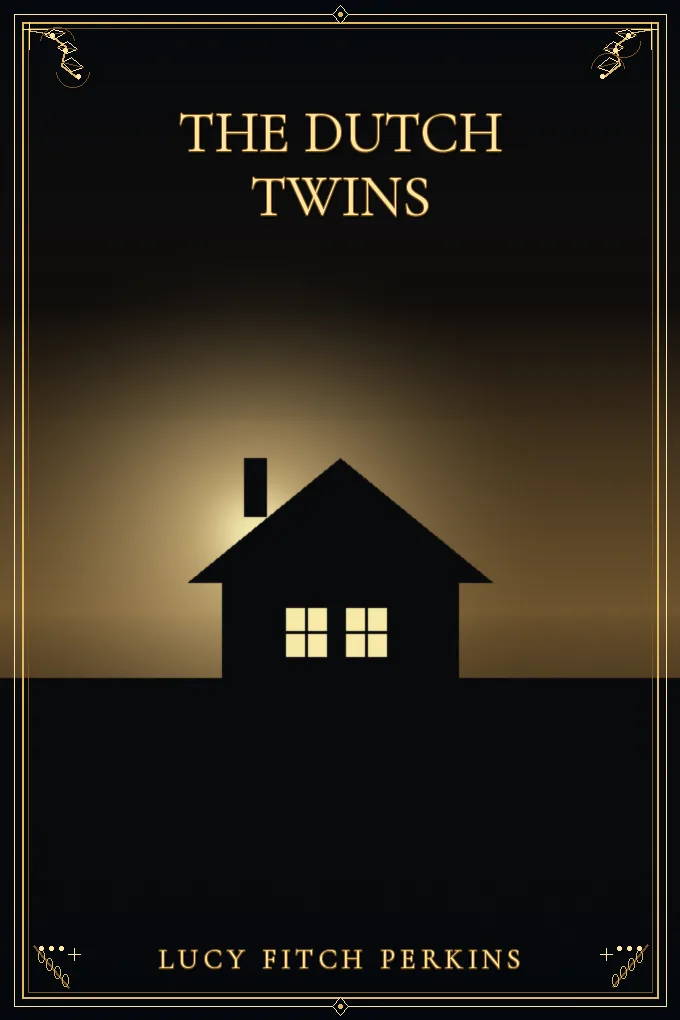
Cover illustration for The Dutch Twins
Context Illustration Reading 17/102 · 5 lines
English subtitles · tap any word to listen 1 / 5
So you see it was very lucky for the Twins that the wall was there.
They called it a dyke.
Grandfather and Kit and Kat climbed the dyke.
When they reached the top, they sat down a few minutes to rest and look at the great blue sea.
Grandfather sat in the middle, with Kit on one side, and Kat on the other; and the basket of worms and the basket of lunch were there, too.
0:00 / 0:00
Speed 0.75x
AI-generated narration by OpenAI · Slow US English
LEARNER DICTIONARY
Archivist
/ˈɑːrkɪvɪst/
Editorial verification pending

A keeper or guardian of historical records and memories.

The Dutch Twins

Chapter I · Chapter 1

Chapter 1 of The Dutch Twins is here in full — 511 sentences across 103 reading sections, with audio for every sentence and word.

Reading 17/102 · 5 reading units · Lines 81–85

Line 1
So you see it was very lucky for the Twins that the wall was there.
/soʊ juː siː ɪt wɑːz ˈveri ˈlʌki fɔːr ðə twɪnz ðæt ðə wɔːl wɑːz ðer/
Line 2
They called it a dyke.
/ðeɪ kɔːld ɪt ə daɪk/
Line 3
Grandfather and Kit and Kat climbed the dyke.
/ˈɡrændfɑːðər ənd kɪt ənd kæt klaɪmd ðə daɪk/
Line 4
When they reached the top, they sat down a few minutes to rest and look at the great blue sea.
/wen ðeɪ riːtʃt ðə tɑːp ðeɪ sæt daʊn ə fjuː ˈmɪnəts tuː rest ənd lʊk æt ðə ɡreɪt bluː siː/
Line 5
Grandfather sat in the middle, with Kit on one side, and Kat on the other; and the basket of worms and the basket of lunch were there, too.
/ˈɡrændfɑːðər sæt ɪn ðə ˈmɪdəl wɪð kɪt ɑːn wʌn saɪd ənd kæt ɑːn ðə ˈʌðər ənd ðə ˈbæskət ʌv wɜːrmz ənd ðə ˈbæskət ʌv lʌntʃ wɜːr ðer tuː/

Learner Dictionary

These definitions explain words found in the current reading and keep every example grounded in its original sentence.

Oxford-style entry order: headword, part of speech, US IPA, concise definition, contextual example, and audio.

basket noun US /ˈbæskət/

a container that is usually woven and has handles

From this reading “Grandfather sat in the middle, with Kit on one side, and Kat on the other; and the basket of worms and the basket of lunch were there, too.”

dyke noun US /daɪk/

(slang) offensive term for a lesbian who is noticeably masculine

From this reading “They called it a dyke.”

Kat noun US /kæt/

the leaves of the shrub Catha edulis which are chewed like tobacco or used to make tea; has the effect of a euphoric stimulant

From this reading “Grandfather and Kit and Kat climbed the dyke.”

Kit noun US /kɪt/

a case for containing a set of articles

From this reading “Grandfather and Kit and Kat climbed the dyke.”

lucky adjective US /ˈlʌki/

occurring by chance

From this reading “So you see it was very lucky for the Twins that the wall was there.”

lunch verb US /lʌntʃ/

take the midday meal

From this reading “Grandfather sat in the middle, with Kit on one side, and Kat on the other; and the basket of worms and the basket of lunch were there, too.”

Twins noun US /twɪnz/

(mineralogy) two interwoven crystals that are mirror images on each other

From this reading “So you see it was very lucky for the Twins that the wall was there.”

worms noun US /wɜːrmz/

plural of “worm” — any of numerous relatively small elongated soft-bodied animals especially of the phyla Annelida and Chaetognatha and Nematoda and Nemertea and Platyhelminthes; also many insect larvae

From this reading “Grandfather sat in the middle, with Kit on one side, and Kat on the other; and the basket of worms and the basket of lunch were there, too.”

All words in this reading · 49

Every word in these five lines is listed here, and every one of them can be played on its own.

Dictionary details are shown only when verified; these are not licensed Oxford entries.

adeterminerUS /ə/

used before a singular noun to mean one of a group, when it is not a particular one

From this reading They called it a dyke.

andconjunctionUS /ənd/

used to join words or parts of a sentence that go together

From this reading Grandfather and Kit and Kat climbed the dyke.

atprepositionUS /æt/

in or near a particular place or position

From this reading When they reached the top, they sat down a few minutes to rest and look at the great blue sea.

basketnounUS /ˈbæskət/

a container that is usually woven and has handles

From this reading Grandfather sat in the middle, with Kit on one side, and Kat on the other; and the basket of worms and the basket of lunch were there, too.

blueadjectiveUS /bluː/

of the color intermediate between green and violet; having a color similar to that of a clear unclouded sky

From this reading When they reached the top, they sat down a few minutes to rest and look at the great blue sea.

calledverbUS /kɔːld/

past form of “call” — assign a specified (usually proper) proper name to

From this reading They called it a dyke.

climbedverbUS /klaɪmd/

past form of “climb” — go upward with gradual or continuous progress

From this reading Grandfather and Kit and Kat climbed the dyke.

downadjectiveUS /daʊn/

being or moving lower in position or less in some value

From this reading When they reached the top, they sat down a few minutes to rest and look at the great blue sea.

dykenounUS /daɪk/

(slang) offensive term for a lesbian who is noticeably masculine

From this reading They called it a dyke.

fewadjectiveUS /fjuː/

a quantifier that can be used with count nouns and is often preceded by “a”; a small but indefinite number

From this reading When they reached the top, they sat down a few minutes to rest and look at the great blue sea.

forprepositionUS /fɔːr/

intended to be given to, or used by, somebody

From this reading So you see it was very lucky for the Twins that the wall was there.

GrandfathernounUS /ˈɡrændfɑːðər/

the father of your father or mother

From this reading Grandfather and Kit and Kat climbed the dyke.

greatadjectiveUS /ɡreɪt/

relatively large in size or number or extent; larger than others of its kind

From this reading When they reached the top, they sat down a few minutes to rest and look at the great blue sea.

inprepositionUS /ɪn/

inside something, or within a place, period, or state

From this reading Grandfather sat in the middle, with Kit on one side, and Kat on the other; and the basket of worms and the basket of lunch were there, too.

itpronounUS /ɪt/

a thing, animal, or idea already mentioned

From this reading So you see it was very lucky for the Twins that the wall was there.

KatnounUS /kæt/

the leaves of the shrub Catha edulis which are chewed like tobacco or used to make tea; has the effect of a euphoric stimulant

From this reading Grandfather and Kit and Kat climbed the dyke.

KitnounUS /kɪt/

a case for containing a set of articles

From this reading Grandfather and Kit and Kat climbed the dyke.

lookverbUS /lʊk/

perceive with attention; direct one's gaze towards

From this reading When they reached the top, they sat down a few minutes to rest and look at the great blue sea.

luckyadjectiveUS /ˈlʌki/

occurring by chance

From this reading So you see it was very lucky for the Twins that the wall was there.

lunchverbUS /lʌntʃ/

take the midday meal

From this reading Grandfather sat in the middle, with Kit on one side, and Kat on the other; and the basket of worms and the basket of lunch were there, too.

middlenounUS /ˈmɪdəl/

an area that is approximately central within some larger region

From this reading Grandfather sat in the middle, with Kit on one side, and Kat on the other; and the basket of worms and the basket of lunch were there, too.

minutesnounUS /ˈmɪnəts/

a written account of what transpired at a meeting

From this reading When they reached the top, they sat down a few minutes to rest and look at the great blue sea.

ofprepositionUS /ʌv/

belonging to, or connected with, somebody or something

From this reading Grandfather sat in the middle, with Kit on one side, and Kat on the other; and the basket of worms and the basket of lunch were there, too.

onprepositionUS /ɑːn/

touching and supported by a surface

From this reading Grandfather sat in the middle, with Kit on one side, and Kat on the other; and the basket of worms and the basket of lunch were there, too.

onepronounUS /wʌn/

used to mean any person in general, including the speaker

From this reading Grandfather sat in the middle, with Kit on one side, and Kat on the other; and the basket of worms and the basket of lunch were there, too.

otheradjectiveUS /ˈʌðər/

not the same one or ones already mentioned or implied

From this reading Grandfather sat in the middle, with Kit on one side, and Kat on the other; and the basket of worms and the basket of lunch were there, too.

reachedverbUS /riːtʃt/

past form of “reach” — reach a destination, either real or abstract

From this reading When they reached the top, they sat down a few minutes to rest and look at the great blue sea.

restverbUS /rest/

not move; be in a resting position

From this reading When they reached the top, they sat down a few minutes to rest and look at the great blue sea.

satnounUS /sæt/

the seventh and last day of the week; observed as the Sabbath by Jews and some Christians

From this reading When they reached the top, they sat down a few minutes to rest and look at the great blue sea.

seanounUS /siː/

a division of an ocean or a large body of salt water partially enclosed by land

From this reading When they reached the top, they sat down a few minutes to rest and look at the great blue sea.

seeverbUS /siː/

perceive by sight or have the power to perceive by sight

From this reading So you see it was very lucky for the Twins that the wall was there.

sidenounUS /saɪd/

a place within a region identified relative to a center or reference location

From this reading Grandfather sat in the middle, with Kit on one side, and Kat on the other; and the basket of worms and the basket of lunch were there, too.

SoconjunctionUS /soʊ/

for that reason; with the result that

From this reading So you see it was very lucky for the Twins that the wall was there.

thatconjunctionUS /ðæt/

used to introduce what somebody said, thought, or felt

From this reading So you see it was very lucky for the Twins that the wall was there.

thedeterminerUS /ðə/

used before a noun that is already known, already mentioned, or the only one of its kind

From this reading So you see it was very lucky for the Twins that the wall was there.

thereadverbUS /ðer/

in or at that place or location

From this reading So you see it was very lucky for the Twins that the wall was there.

TheypronounUS /ðeɪ/

the people, animals, or things already mentioned, as the subject

From this reading They called it a dyke.

toparticleUS /tuː/

used before the base form of a verb to make the infinitive

From this reading When they reached the top, they sat down a few minutes to rest and look at the great blue sea.

tooadverbUS /tuː/

to a degree exceeding normal or proper limits

From this reading Grandfather sat in the middle, with Kit on one side, and Kat on the other; and the basket of worms and the basket of lunch were there, too.

topnounUS /tɑːp/

the upper part of anything

From this reading When they reached the top, they sat down a few minutes to rest and look at the great blue sea.

TwinsnounUS /twɪnz/

(mineralogy) two interwoven crystals that are mirror images on each other

From this reading So you see it was very lucky for the Twins that the wall was there.

veryadjectiveUS /ˈveri/

precisely as stated

From this reading So you see it was very lucky for the Twins that the wall was there.

wallnounUS /wɔːl/

an architectural partition with a height and length greater than its thickness; used to divide or enclose an area or to support another structure

From this reading So you see it was very lucky for the Twins that the wall was there.

wasauxiliary verbUS /wɑːz/

the past form of “be” used with I, he, she, it, or a singular noun

From this reading So you see it was very lucky for the Twins that the wall was there.

wereauxiliary verbUS /wɜːr/

the past form of “be” used with you, we, they, or a plural noun

From this reading Grandfather sat in the middle, with Kit on one side, and Kat on the other; and the basket of worms and the basket of lunch were there, too.

WhenconjunctionUS /wen/

at the time that

From this reading When they reached the top, they sat down a few minutes to rest and look at the great blue sea.

withprepositionUS /wɪð/

in the company of; together with

From this reading Grandfather sat in the middle, with Kit on one side, and Kat on the other; and the basket of worms and the basket of lunch were there, too.

wormsnounUS /wɜːrmz/

plural of “worm” — any of numerous relatively small elongated soft-bodied animals especially of the phyla Annelida and Chaetognatha and Nematoda and Nemertea and Platyhelminthes; also many insect larvae

From this reading Grandfather sat in the middle, with Kit on one side, and Kat on the other; and the basket of worms and the basket of lunch were there, too.

youpronounUS /juː/

the person or people being spoken to

From this reading So you see it was very lucky for the Twins that the wall was there.

Chapter 1 of The Dutch Twins by Lucy Fitch Perkins holds 511 sentences, grouped into 103 reading sections of at most 5 sentences. The text is the source edition, unabridged, and the chapter records which sentences cover which part of the work so that nothing is dropped. Every word can be tapped for its pronunciation and dictionary entry.

What does chapter 1 of The Dutch Twins contain?

Chapter 1 holds 511 sentences of The Dutch Twins, unabridged, divided into 103 reading sections.

This page carries chapter 1 of The Dutch Twins by Lucy Fitch Perkins exactly as it stands in the source edition, without abridgement. It runs to 511 sentences, grouped into 103 sections of at most 5 sentences so that a reader can take the chapter in steady, finishable pieces. The chapter also stores a coverage record mapping every one of its sentences to a part of the work, which is how the edition demonstrates that no line was dropped.

How do I study chapter 1 of The Dutch Twins?

Work through the 103 sections in order, replaying any sentence and tapping unfamiliar words for their entries.

Each of the 103 sections in this chapter is short enough to read once, hear once, and then re-read with the vocabulary in view. Tapping a word plays it alone and opens its dictionary entry with IPA, part of speech and meaning, so the reader is never forced to guess a pronunciation from spelling. Working section by section keeps a long chapter from becoming an undifferentiated wall of text, which is the usual reason a reader abandons a work of this period.

Can chapter 1 be read aloud to me?

Yes — every sentence and every individual word in chapter 1 can be played aloud in United States English.

Audio covers the whole chapter: any sentence can be played, and any single word within it can be played on its own. The voice uses United States English. For a work of this period that matters, because spelling is an unreliable guide to pronunciation for vocabulary that has fallen out of daily use, and a learner who guesses wrong tends to keep the error. Hearing the word in its own sentence, and then alone, settles it.

Questions about reading The Dutch Twins

Common questions about reading The Dutch Twins by Lucy Fitch Perkins on this page, its source edition and its audio.

Is this the complete text of The Dutch Twins?

Yes. All 1516 sentences of Project Gutenberg eBook #4012 are kept, with a record of which sentences cover which part.

Which edition of The Dutch Twins is used?

Project Gutenberg eBook #4012, unabridged. The Project Gutenberg header, footer and licence are removed.

How long does The Dutch Twins take to read?

About 126 minutes of reading across 304 sections of 5 sentences each, at an unhurried pace.

How to read The Dutch Twins section by section

How to work through The Dutch Twins section by section, using the audio and the tap-to-define vocabulary.

  1. Open a chapter

    Choose one of the 3 chapters of The Dutch Twins to begin.

  2. Read one section

    Each section holds 5 sentences; read it once through.

  3. Listen and tap

    Play the section aloud, then tap any unfamiliar word for its entry.

Vocabulary met early in The Dutch Twins

Words and structures a reader meets early in The Dutch Twins, each tappable for pronunciation and meaning.

Belongs
A word that appears in the opening chapter of The Dutch Twins; the reader can tap it to hear it and see its dictionary entry.
Lawrence
A word that appears in the opening chapter of The Dutch Twins; the reader can tap it to hear it and see its dictionary entry.
Other
A word that appears in the opening chapter of The Dutch Twins; the reader can tap it to hear it and see its dictionary entry.
Children
A word that appears in the opening chapter of The Dutch Twins; the reader can tap it to hear it and see its dictionary entry.