Complete classic literature • Five-line readings • Clear US narration
VELMORA ACADEMY
Academy of Archival Languages & Memory Studies
Menu Close
The Eye of Wilbur Mook

Chapter I · Chapter 1

Chapter 1 of The Eye of Wilbur Mook is here in full — 429 sentences across 86 reading sections, with audio for every sentence and word.

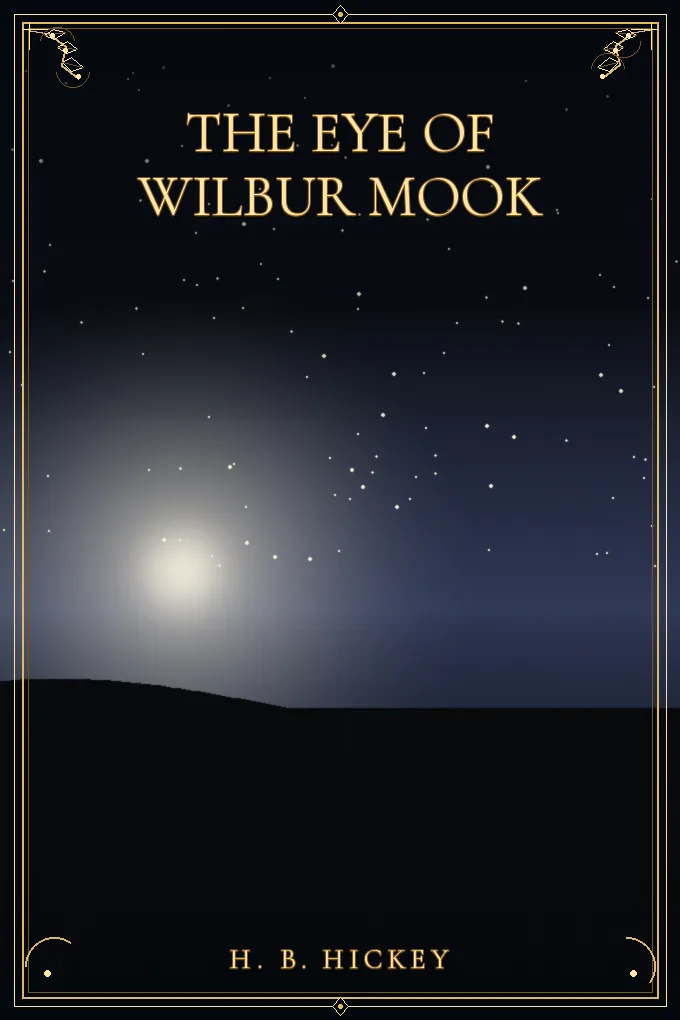
Cover illustration for The Eye of Wilbur Mook
Context Illustration Reading 1/85 · 5 lines
English subtitles · tap any word to listen 1 / 5
1.
This etext was produced from Amazing Stories November 1948.
Extensive research did not uncover any evidence that the U.S. copyright on this publication was renewed.
3.
Variations in spelling ("gray" vs. "grey") have been retained as they appear in the original publication.
0:00 / 0:00
Speed 0.75x
AI-generated narration by OpenAI · Slow US English
LEARNER DICTIONARY
Archivist
/ˈɑːrkɪvɪst/
Editorial verification pending

A keeper or guardian of historical records and memories.

The Eye of Wilbur Mook

Chapter I · Chapter 1

Chapter 1 of The Eye of Wilbur Mook is here in full — 429 sentences across 86 reading sections, with audio for every sentence and word.

Reading 1/85 · 5 reading units · Lines 1–5

Line 1
1.
Line 2
This etext was produced from Amazing Stories November 1948.
Line 3
Extensive research did not uncover any evidence that the U.S. copyright on this publication was renewed.
Line 4
3.
Line 5
Variations in spelling ("gray" vs. "grey") have been retained as they appear in the original publication.

Learner Dictionary

These definitions explain words found in the current reading and keep every example grounded in its original sentence.

Oxford-style entry order: headword, part of speech, US IPA, concise definition, contextual example, and audio.

Amazing adjective US /əˈmeɪzɪŋ/

surprising greatly

From this reading “This etext was produced from Amazing Stories November 1948.”

copyright noun US /ˈkɑːpiraɪt/

a document granting exclusive right to publish and sell literary or musical or artistic work

From this reading “Extensive research did not uncover any evidence that the U.S. copyright on this publication was renewed.”

Extensive adjective US /ɪkˈstensɪv/

large in spatial extent or range or scope or quantity

From this reading “Extensive research did not uncover any evidence that the U.S. copyright on this publication was renewed.”

publication noun US /ˌpʌblɪˈkeɪʃən/

a copy of a printed work offered for distribution

From this reading “Extensive research did not uncover any evidence that the U.S. copyright on this publication was renewed.”

research noun US /riˈsɜːrtʃ/

systematic investigation to establish facts

From this reading “Extensive research did not uncover any evidence that the U.S. copyright on this publication was renewed.”

spelling noun US /ˈspelɪŋ/

forming words with letters according to the principles underlying accepted usage

From this reading “Variations in spelling ("gray" vs. "grey") have been retained as they appear in the original publication.”

uncover verb US /ənˈkʌvər/

remove all or part of one's clothes to show one's body

From this reading “Extensive research did not uncover any evidence that the U.S. copyright on this publication was renewed.”

Variations noun US /ˌveriˈeɪʃənz/

plural of “variation” — an instance of change; the rate or magnitude of change

From this reading “Variations in spelling ("gray" vs. "grey") have been retained as they appear in the original publication.”

Word partnerships in these lines

English keeps certain words together, and knowing the pair is worth more than knowing each word alone. Every partnership below was counted across our whole published library, and earns its place by appearing far more often than two unrelated words of the same frequency would.

Shown as this reading writes them, with the form the library counts, what kind of pairing it is, and how often it occurs.

any evidence adjective + noun

In this reading “Extensive research did not uncover any evidence that the U.S. copyright on this publication was renewed.”

appear in verb + particle

In this reading “Variations in spelling ("gray" vs. "grey") have been retained as they appear in the original publication.”

produced from verb + particle counted as “produce from”

In this reading “This etext was produced from Amazing Stories November 1948.”

All words in this reading · 39

Every word in these five lines is listed here, and every one of them can be played on its own.

Dictionary details are shown only when verified; these are not licensed Oxford entries.

1

Dictionary entry pending editorial verification. Tap Listen to hear the word.

From this reading 1.

1948

Dictionary entry pending editorial verification. Tap Listen to hear the word.

From this reading This etext was produced from Amazing Stories November 1948.

3

Dictionary entry pending editorial verification. Tap Listen to hear the word.

From this reading 3.

AmazingadjectiveUS /əˈmeɪzɪŋ/

surprising greatly

From this reading This etext was produced from Amazing Stories November 1948.

anyadjectiveUS /ˈeni/

one or some or every or all without specification

From this reading Extensive research did not uncover any evidence that the U.S. copyright on this publication was renewed.

appearverbUS /əˈpɪr/

give a certain impression or have a certain outward aspect

From this reading Variations in spelling ("gray" vs. "grey") have been retained as they appear in the original publication.

asconjunctionUS /æz/

at the same time that; because; in the way that

From this reading Variations in spelling ("gray" vs. "grey") have been retained as they appear in the original publication.

beenauxiliary verbUS /bɪn/

the past participle of “be”

From this reading Variations in spelling ("gray" vs. "grey") have been retained as they appear in the original publication.

copyrightnounUS /ˈkɑːpiraɪt/

a document granting exclusive right to publish and sell literary or musical or artistic work

From this reading Extensive research did not uncover any evidence that the U.S. copyright on this publication was renewed.

didauxiliary verbUS /dɪd/

the past form of “do”, used in questions and negatives

From this reading Extensive research did not uncover any evidence that the U.S. copyright on this publication was renewed.

etext

Dictionary entry pending editorial verification. Tap Listen to hear the word.

From this reading This etext was produced from Amazing Stories November 1948.

evidencenounUS /ˈevədəns/

your basis for belief or disbelief; knowledge on which to base belief

From this reading Extensive research did not uncover any evidence that the U.S. copyright on this publication was renewed.

ExtensiveadjectiveUS /ɪkˈstensɪv/

large in spatial extent or range or scope or quantity

From this reading Extensive research did not uncover any evidence that the U.S. copyright on this publication was renewed.

fromprepositionUS /frʌm/

showing where something starts, or who sent it

From this reading This etext was produced from Amazing Stories November 1948.

graynounUS /ɡreɪ/

a neutral achromatic color midway between white and black

From this reading Variations in spelling ("gray" vs. "grey") have been retained as they appear in the original publication.

greyadjectiveUS /ɡreɪ/

of an achromatic color of any lightness intermediate between the extremes of white and black

From this reading Variations in spelling ("gray" vs. "grey") have been retained as they appear in the original publication.

haveauxiliary verbUS /hæv/

used with a past participle to form the perfect tenses

From this reading Variations in spelling ("gray" vs. "grey") have been retained as they appear in the original publication.

inprepositionUS /ɪn/

inside something, or within a place, period, or state

From this reading Variations in spelling ("gray" vs. "grey") have been retained as they appear in the original publication.

notadverbUS /nɑːt/

used to make a word, phrase, or sentence negative

From this reading Extensive research did not uncover any evidence that the U.S. copyright on this publication was renewed.

NovembernounUS /noʊˈvembər/

the month following October and preceding December

From this reading This etext was produced from Amazing Stories November 1948.

onprepositionUS /ɑːn/

touching and supported by a surface

From this reading Extensive research did not uncover any evidence that the U.S. copyright on this publication was renewed.

originaladjectiveUS /ərˈɪdʒənəl/

preceding all others in time or being as first made or performed

From this reading Variations in spelling ("gray" vs. "grey") have been retained as they appear in the original publication.

producedverbUS /prəˈduːst/

past form of “produce” — bring forth or yield

From this reading This etext was produced from Amazing Stories November 1948.

publicationnounUS /ˌpʌblɪˈkeɪʃən/

a copy of a printed work offered for distribution

From this reading Extensive research did not uncover any evidence that the U.S. copyright on this publication was renewed.

renewedadjectiveUS /rɪˈnuːd/

restored to a new condition

From this reading Extensive research did not uncover any evidence that the U.S. copyright on this publication was renewed.

researchnounUS /riˈsɜːrtʃ/

systematic investigation to establish facts

From this reading Extensive research did not uncover any evidence that the U.S. copyright on this publication was renewed.

retainedadjectiveUS /rɪˈteɪnd/

continued in your keeping or use or memory

From this reading Variations in spelling ("gray" vs. "grey") have been retained as they appear in the original publication.

SnounUS /es/

1/60 of a minute; the basic unit of time adopted under the Systeme International d'Unites

From this reading Extensive research did not uncover any evidence that the U.S. copyright on this publication was renewed.

spellingnounUS /ˈspelɪŋ/

forming words with letters according to the principles underlying accepted usage

From this reading Variations in spelling ("gray" vs. "grey") have been retained as they appear in the original publication.

StoriesnounUS /ˈstɔːriz/

plural of “story” — a message that tells the particulars of an act or occurrence or course of events; presented in writing or drama or cinema or as a radio or television program

From this reading This etext was produced from Amazing Stories November 1948.

thatconjunctionUS /ðæt/

used to introduce what somebody said, thought, or felt

From this reading Extensive research did not uncover any evidence that the U.S. copyright on this publication was renewed.

thedeterminerUS /ðə/

used before a noun that is already known, already mentioned, or the only one of its kind

From this reading Extensive research did not uncover any evidence that the U.S. copyright on this publication was renewed.

theypronounUS /ðeɪ/

the people, animals, or things already mentioned, as the subject

From this reading Variations in spelling ("gray" vs. "grey") have been retained as they appear in the original publication.

ThisdeterminerUS /ðɪs/

used for a person or thing that is near, or that has just been mentioned

From this reading This etext was produced from Amazing Stories November 1948.

UnounUS /juː/

a base containing nitrogen that is found in RNA (but not in DNA) and derived from pyrimidine; pairs with adenine

From this reading Extensive research did not uncover any evidence that the U.S. copyright on this publication was renewed.

uncoververbUS /ənˈkʌvər/

remove all or part of one's clothes to show one's body

From this reading Extensive research did not uncover any evidence that the U.S. copyright on this publication was renewed.

VariationsnounUS /ˌveriˈeɪʃənz/

plural of “variation” — an instance of change; the rate or magnitude of change

From this reading Variations in spelling ("gray" vs. "grey") have been retained as they appear in the original publication.

vs

Dictionary entry pending editorial verification. Tap Listen to hear the word.

From this reading Variations in spelling ("gray" vs. "grey") have been retained as they appear in the original publication.

wasauxiliary verbUS /wɑːz/

the past form of “be” used with I, he, she, it, or a singular noun

From this reading This etext was produced from Amazing Stories November 1948.

Chapter 1 of The Eye of Wilbur Mook by H. B. Hickey holds 429 sentences, grouped into 86 reading sections of at most 5 sentences. The text is the source edition, unabridged, and the chapter records which sentences cover which part of the work so that nothing is dropped. Every word can be tapped for its pronunciation and dictionary entry.

What does chapter 1 of The Eye of Wilbur Mook contain?

Chapter 1 holds 429 sentences of The Eye of Wilbur Mook, unabridged, divided into 86 reading sections.

This page carries chapter 1 of The Eye of Wilbur Mook by H. B. Hickey exactly as it stands in the source edition, without abridgement. It runs to 429 sentences, grouped into 86 sections of at most 5 sentences so that a reader can take the chapter in steady, finishable pieces. The chapter also stores a coverage record mapping every one of its sentences to a part of the work, which is how the edition demonstrates that no line was dropped.

How do I study chapter 1 of The Eye of Wilbur Mook?

Work through the 86 sections in order, replaying any sentence and tapping unfamiliar words for their entries.

Each of the 86 sections in this chapter is short enough to read once, hear once, and then re-read with the vocabulary in view. Tapping a word plays it alone and opens its dictionary entry with IPA, part of speech and meaning, so the reader is never forced to guess a pronunciation from spelling. Working section by section keeps a long chapter from becoming an undifferentiated wall of text, which is the usual reason a reader abandons a work of this period.

Can chapter 1 be read aloud to me?

Yes — every sentence and every individual word in chapter 1 can be played aloud in United States English.

Audio covers the whole chapter: any sentence can be played, and any single word within it can be played on its own. The voice uses United States English. For a work of this period that matters, because spelling is an unreliable guide to pronunciation for vocabulary that has fallen out of daily use, and a learner who guesses wrong tends to keep the error. Hearing the word in its own sentence, and then alone, settles it.

Questions about reading The Eye of Wilbur Mook

Common questions about reading The Eye of Wilbur Mook by H. B. Hickey on this page, its source edition and its audio.

Is this the complete text of The Eye of Wilbur Mook?

Yes. All 855 sentences of Project Gutenberg eBook #33047 are kept, with a record of which sentences cover which part.

Which edition of The Eye of Wilbur Mook is used?

Project Gutenberg eBook #33047, unabridged. The Project Gutenberg header, footer and licence are removed.

How long does The Eye of Wilbur Mook take to read?

About 71 minutes of reading across 171 sections of 5 sentences each, at an unhurried pace.

How to read The Eye of Wilbur Mook section by section

How to work through The Eye of Wilbur Mook section by section, using the audio and the tap-to-define vocabulary.

  1. Open a chapter

    Choose one of the 2 chapters of The Eye of Wilbur Mook to begin.

  2. Read one section

    Each section holds 5 sentences; read it once through.

  3. Listen and tap

    Play the section aloud, then tap any unfamiliar word for its entry.

Vocabulary met early in The Eye of Wilbur Mook

Words and structures a reader meets early in The Eye of Wilbur Mook, each tappable for pronunciation and meaning.

Etext
A word that appears in the opening chapter of The Eye of Wilbur Mook; the reader can tap it to hear it and see its dictionary entry.
Produced
A word that appears in the opening chapter of The Eye of Wilbur Mook; the reader can tap it to hear it and see its dictionary entry.
Amazing
A word that appears in the opening chapter of The Eye of Wilbur Mook; the reader can tap it to hear it and see its dictionary entry.
Stories
A word that appears in the opening chapter of The Eye of Wilbur Mook; the reader can tap it to hear it and see its dictionary entry.