Complete classic literature • Five-line readings • Clear US narration
VELMORA ACADEMY
Academy of Archival Languages & Memory Studies
Menu Close
The Fir-Tree Fairy Book: Favorite Fairy Tales

Chapter VIII

Chapter 8 of The Fir-Tree Fairy Book: Favorite Fairy Tales is here in full — 438 sentences across 88 reading sections, with audio for every sentence and word.

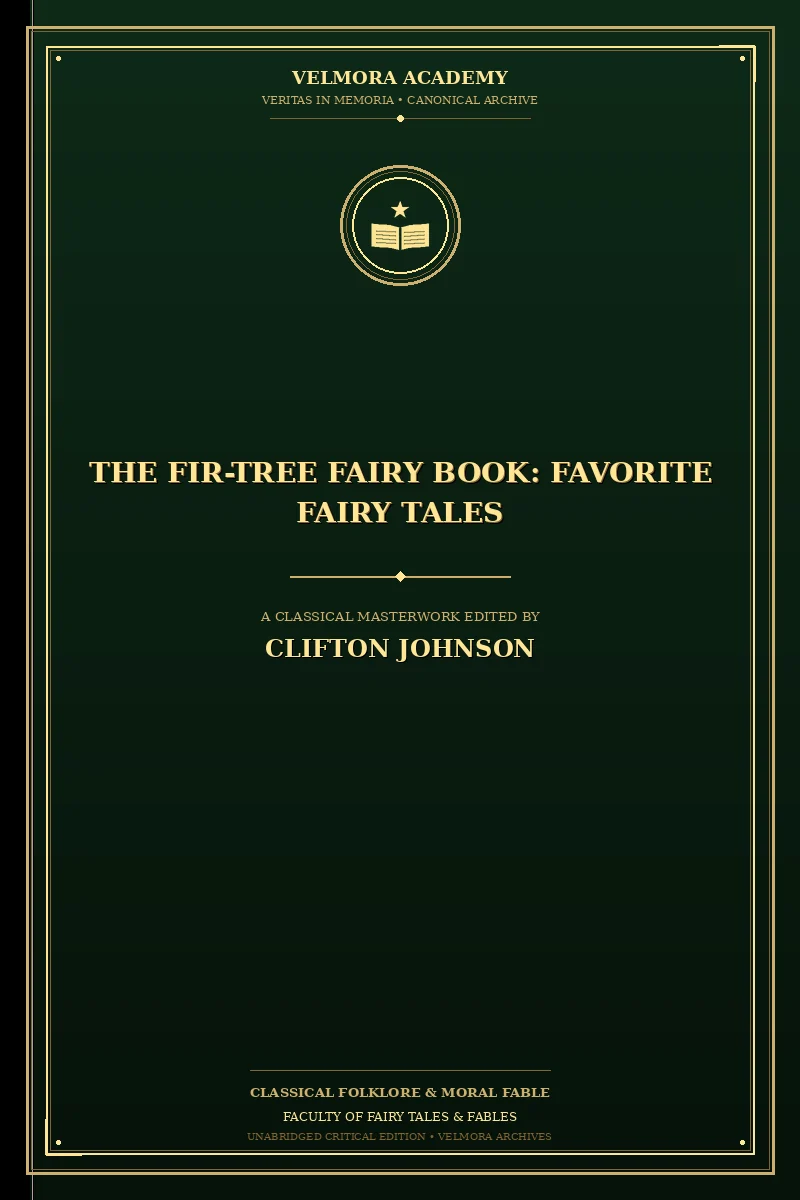
Cover illustration for The Fir-Tree Fairy Book: Favorite Fairy Tales
Context Illustration Reading 1/87 · 5 lines
English subtitles · tap any word to listen 1 / 5
The cook did not observe it, and down it went through the drain and out into a street gutter.
“I am too fine for this world,” it said as it lay there in the mud beneath a shallow flow of water.
“However, I know my own worth, and there is always a satisfaction in that.”
So the darning needle kept its proud bearing and retained its cheerful temper.
All sorts of things floated past over it—chips, straws, and bits of newspaper.
0:00 / 0:00
Speed 0.75x
AI-generated narration by OpenAI · Slow US English
LEARNER DICTIONARY
Archivist
/ˈɑːrkɪvɪst/
Editorial verification pending

A keeper or guardian of historical records and memories.

The Fir-Tree Fairy Book: Favorite Fairy Tales

Chapter VIII

Chapter 8 of The Fir-Tree Fairy Book: Favorite Fairy Tales is here in full — 438 sentences across 88 reading sections, with audio for every sentence and word.

Reading 1/87 · 5 reading units · Lines 1–5

Line 1
The cook did not observe it, and down it went through the drain and out into a street gutter.
/ðə kʊk dɪd nɑːt əbˈzɜːrv ɪt ənd daʊn ɪt went θruː ðə dreɪn ənd aʊt ˈɪntuː ə striːt ˈɡʌtər/
Line 2
“I am too fine for this world,” it said as it lay there in the mud beneath a shallow flow of water.
/aɪ æm tuː faɪn fɔːr ðɪs wɜːrld ɪt sed æz ɪt leɪ ðer ɪn ðə mʌd bɪˈniːθ ə ˈʃæloʊ floʊ ʌv ˈwɔːtər/
Line 3
“However, I know my own worth, and there is always a satisfaction in that.”
/ˌhaʊˈevər aɪ noʊ maɪ oʊn wɜːrθ ənd ðer ɪz ˈɔːlweɪz ə ˌsætəˈsfækʃən ɪn ðæt/
Line 4
So the darning needle kept its proud bearing and retained its cheerful temper.
Line 5
All sorts of things floated past over it—chips, straws, and bits of newspaper.

Learner Dictionary

These definitions explain words found in the current reading and keep every example grounded in its original sentence.

Oxford-style entry order: headword, part of speech, US IPA, concise definition, contextual example, and audio.

bits noun US /bɪts/

plural of “bit” — a small piece or quantity of something

From this reading “All sorts of things floated past over it—chips, straws, and bits of newspaper.”

chips noun US /tʃɪps/

strips of potato fried in deep fat

From this reading “All sorts of things floated past over it—chips, straws, and bits of newspaper.”

drain verb US /dreɪn/

flow off gradually

From this reading “The cook did not observe it, and down it went through the drain and out into a street gutter.”

gutter noun US /ˈɡʌtər/

a channel along the eaves or on the roof; collects and carries away rainwater

From this reading “The cook did not observe it, and down it went through the drain and out into a street gutter.”

needle noun US /ˈniːdəl/

the leaf of a conifer

From this reading “So the darning needle kept its proud bearing and retained its cheerful temper.”

retained adjective US /rɪˈteɪnd/

continued in your keeping or use or memory

From this reading “So the darning needle kept its proud bearing and retained its cheerful temper.”

shallow adjective US /ˈʃæloʊ/

lacking physical depth; having little spatial extension downward or inward from an outer surface or backward or outward from a center

From this reading ““I am too fine for this world,” it said as it lay there in the mud beneath a shallow flow of water.”

straws noun US /strɔːz/

plural of “straw” — plant fiber used e.g. for making baskets and hats or as fodder

From this reading “All sorts of things floated past over it—chips, straws, and bits of newspaper.”

Word partnerships in these lines

English keeps certain words together, and knowing the pair is worth more than knowing each word alone. Every partnership below was counted across our whole published library, and earns its place by appearing far more often than two unrelated words of the same frequency would.

Shown as this reading writes them, with the form the library counts, what kind of pairing it is, and how often it occurs.

floated past verb + noun counted as “float past”

In this reading “All sorts of things floated past over it—chips, straws, and bits of newspaper.”

All sorts adjective + noun counted as “all sort”

In this reading “All sorts of things floated past over it—chips, straws, and bits of newspaper.”

into a street preposition + article + noun counted as “into … street”

In this reading “The cook did not observe it, and down it went through the drain and out into a street gutter.”

went through verb + particle counted as “go through”

undergo or live through a difficult experience

In this reading “The cook did not observe it, and down it went through the drain and out into a street gutter.”

lay there verb + particle

In this reading ““I am too fine for this world,” it said as it lay there in the mud beneath a shallow flow of water.”

in the mud preposition + article + noun counted as “in … mud”

In this reading ““I am too fine for this world,” it said as it lay there in the mud beneath a shallow flow of water.”

All words in this reading · 63

Every word in these five lines is listed here, and every one of them can be played on its own.

Dictionary details are shown only when verified; these are not licensed Oxford entries.

adeterminerUS /ə/

used before a singular noun to mean one of a group, when it is not a particular one

From this reading The cook did not observe it, and down it went through the drain and out into a street gutter.

AlladjectiveUS /ɔːl/

(quantifier) used with either mass or count nouns to indicate the whole number or amount of or every one of a class

From this reading All sorts of things floated past over it—chips, straws, and bits of newspaper.

alwaysadverbUS /ˈɔːlweɪz/

at all times; all the time and on every occasion

From this reading “However, I know my own worth, and there is always a satisfaction in that.”

amauxiliary verbUS /æm/

the form of “be” used with “I”

From this reading “I am too fine for this world,” it said as it lay there in the mud beneath a shallow flow of water.

andconjunctionUS /ənd/

used to join words or parts of a sentence that go together

From this reading The cook did not observe it, and down it went through the drain and out into a street gutter.

asconjunctionUS /æz/

at the same time that; because; in the way that

From this reading “I am too fine for this world,” it said as it lay there in the mud beneath a shallow flow of water.

bearingnounUS /ˈberɪŋ/

relevant relation or interconnection

From this reading So the darning needle kept its proud bearing and retained its cheerful temper.

beneathprepositionUS /bɪˈniːθ/

Directly under; in or to a lower position than.

From this reading “I am too fine for this world,” it said as it lay there in the mud beneath a shallow flow of water.

bitsnounUS /bɪts/

plural of “bit” — a small piece or quantity of something

From this reading All sorts of things floated past over it—chips, straws, and bits of newspaper.

cheerfuladjectiveUS /ˈtʃɪrfəl/

being full of or promoting cheer; having or showing good spirits

From this reading So the darning needle kept its proud bearing and retained its cheerful temper.

chipsnounUS /tʃɪps/

strips of potato fried in deep fat

From this reading All sorts of things floated past over it—chips, straws, and bits of newspaper.

cookverbUS /kʊk/

prepare a hot meal

From this reading The cook did not observe it, and down it went through the drain and out into a street gutter.

darningnoun

the act of mending a hole in a garment with crossing threads

From this reading So the darning needle kept its proud bearing and retained its cheerful temper.

didauxiliary verbUS /dɪd/

the past form of “do”, used in questions and negatives

From this reading The cook did not observe it, and down it went through the drain and out into a street gutter.

downadjectiveUS /daʊn/

being or moving lower in position or less in some value

From this reading The cook did not observe it, and down it went through the drain and out into a street gutter.

drainverbUS /dreɪn/

flow off gradually

From this reading The cook did not observe it, and down it went through the drain and out into a street gutter.

fineadjectiveUS /faɪn/

being satisfactory or in satisfactory condition

From this reading “I am too fine for this world,” it said as it lay there in the mud beneath a shallow flow of water.

floatedverbUS /ˈfloʊtəd/

past form of “float” — be in motion due to some air or water current

From this reading All sorts of things floated past over it—chips, straws, and bits of newspaper.

flownounUS /floʊ/

the motion characteristic of fluids (liquids or gases)

From this reading “I am too fine for this world,” it said as it lay there in the mud beneath a shallow flow of water.

forprepositionUS /fɔːr/

intended to be given to, or used by, somebody

From this reading “I am too fine for this world,” it said as it lay there in the mud beneath a shallow flow of water.

gutternounUS /ˈɡʌtər/

a channel along the eaves or on the roof; collects and carries away rainwater

From this reading The cook did not observe it, and down it went through the drain and out into a street gutter.

HoweveradverbUS /ˌhaʊˈevər/

used to add a contrasting statement

From this reading “However, I know my own worth, and there is always a satisfaction in that.”

IpronounUS /aɪ/

the person speaking or writing, as the subject of the verb

From this reading “I am too fine for this world,” it said as it lay there in the mud beneath a shallow flow of water.

inprepositionUS /ɪn/

inside something, or within a place, period, or state

From this reading “I am too fine for this world,” it said as it lay there in the mud beneath a shallow flow of water.

intoprepositionUS /ˈɪntuː/

moving to the inside of something

From this reading The cook did not observe it, and down it went through the drain and out into a street gutter.

isauxiliary verbUS /ɪz/

the form of “be” used with he, she, it, or a singular noun

From this reading “However, I know my own worth, and there is always a satisfaction in that.”

itpronounUS /ɪt/

a thing, animal, or idea already mentioned

From this reading The cook did not observe it, and down it went through the drain and out into a street gutter.

itsdeterminerUS /ɪts/

belonging to the thing or animal already mentioned

From this reading So the darning needle kept its proud bearing and retained its cheerful temper.

keptadjectiveUS /kept/

(especially of promises or contracts) not violated or disregarded

From this reading So the darning needle kept its proud bearing and retained its cheerful temper.

knowverbUS /noʊ/

be cognizant or aware of a fact or a specific piece of information; possess knowledge or information about

From this reading “However, I know my own worth, and there is always a satisfaction in that.”

layverbUS /leɪ/

put into a certain place or abstract location

From this reading “I am too fine for this world,” it said as it lay there in the mud beneath a shallow flow of water.

mudnounUS /mʌd/

water soaked soil; soft wet earth

From this reading “I am too fine for this world,” it said as it lay there in the mud beneath a shallow flow of water.

mydeterminerUS /maɪ/

belonging to the person speaking

From this reading “However, I know my own worth, and there is always a satisfaction in that.”

needlenounUS /ˈniːdəl/

the leaf of a conifer

From this reading So the darning needle kept its proud bearing and retained its cheerful temper.

newspapernounUS /ˈnuːzpeɪpər/

a daily or weekly publication on folded sheets; contains news and articles and advertisements

From this reading All sorts of things floated past over it—chips, straws, and bits of newspaper.

notadverbUS /nɑːt/

used to make a word, phrase, or sentence negative

From this reading The cook did not observe it, and down it went through the drain and out into a street gutter.

observeverbUS /əbˈzɜːrv/

discover or determine the existence, presence, or fact of

From this reading The cook did not observe it, and down it went through the drain and out into a street gutter.

ofprepositionUS /ʌv/

belonging to, or connected with, somebody or something

From this reading “I am too fine for this world,” it said as it lay there in the mud beneath a shallow flow of water.

outadjectiveUS /aʊt/

not allowed to continue to bat or run

From this reading The cook did not observe it, and down it went through the drain and out into a street gutter.

overprepositionUS /ˈoʊvər/

above and across; more than

From this reading All sorts of things floated past over it—chips, straws, and bits of newspaper.

ownverbUS /oʊn/

have ownership or possession of

From this reading “However, I know my own worth, and there is always a satisfaction in that.”

pastnounUS /pæst/

the time that has elapsed

From this reading All sorts of things floated past over it—chips, straws, and bits of newspaper.

proudadjectiveUS /praʊd/

feeling self-respect or pleasure in something by which you measure your self-worth; or being a reason for pride

From this reading So the darning needle kept its proud bearing and retained its cheerful temper.

retainedadjectiveUS /rɪˈteɪnd/

continued in your keeping or use or memory

From this reading So the darning needle kept its proud bearing and retained its cheerful temper.

saidadjectiveUS /sed/

being the one previously mentioned or spoken of

From this reading “I am too fine for this world,” it said as it lay there in the mud beneath a shallow flow of water.

satisfactionnounUS /ˌsætəˈsfækʃən/

the contentment one feels when one has fulfilled a desire, need, or expectation

From this reading “However, I know my own worth, and there is always a satisfaction in that.”

shallowadjectiveUS /ˈʃæloʊ/

lacking physical depth; having little spatial extension downward or inward from an outer surface or backward or outward from a center

From this reading “I am too fine for this world,” it said as it lay there in the mud beneath a shallow flow of water.

SoconjunctionUS /soʊ/

for that reason; with the result that

From this reading So the darning needle kept its proud bearing and retained its cheerful temper.

sortsnounUS /sɔːrts/

plural of “sort” — a category of things distinguished by some common characteristic or quality

From this reading All sorts of things floated past over it—chips, straws, and bits of newspaper.

strawsnounUS /strɔːz/

plural of “straw” — plant fiber used e.g. for making baskets and hats or as fodder

From this reading All sorts of things floated past over it—chips, straws, and bits of newspaper.

streetnounUS /striːt/

a thoroughfare (usually including sidewalks) that is lined with buildings

From this reading The cook did not observe it, and down it went through the drain and out into a street gutter.

tempernounUS /ˈtempər/

a sudden outburst of anger

From this reading So the darning needle kept its proud bearing and retained its cheerful temper.

thatconjunctionUS /ðæt/

used to introduce what somebody said, thought, or felt

From this reading “However, I know my own worth, and there is always a satisfaction in that.”

ThedeterminerUS /ðə/

used before a noun that is already known, already mentioned, or the only one of its kind

From this reading The cook did not observe it, and down it went through the drain and out into a street gutter.

thereadverbUS /ðer/

in or at that place or location

From this reading “I am too fine for this world,” it said as it lay there in the mud beneath a shallow flow of water.

thingsnounUS /θɪŋz/

any movable possession (especially articles of clothing)

From this reading All sorts of things floated past over it—chips, straws, and bits of newspaper.

thisdeterminerUS /ðɪs/

used for a person or thing that is near, or that has just been mentioned

From this reading “I am too fine for this world,” it said as it lay there in the mud beneath a shallow flow of water.

throughprepositionUS /θruː/

from one end or side of something to the other

From this reading The cook did not observe it, and down it went through the drain and out into a street gutter.

tooadverbUS /tuː/

to a degree exceeding normal or proper limits

From this reading “I am too fine for this world,” it said as it lay there in the mud beneath a shallow flow of water.

waternounUS /ˈwɔːtər/

binary compound that occurs at room temperature as a clear colorless odorless tasteless liquid; freezes into ice below 0 degrees centigrade and boils above 100 degrees centigrade; widely used as a solvent

From this reading “I am too fine for this world,” it said as it lay there in the mud beneath a shallow flow of water.

wentverbUS /went/

inflected form of “go” — change location; move, travel, or proceed, also metaphorically

From this reading The cook did not observe it, and down it went through the drain and out into a street gutter.

worldnounUS /wɜːrld/

everything that exists anywhere

From this reading “I am too fine for this world,” it said as it lay there in the mud beneath a shallow flow of water.

worthnounUS /wɜːrθ/

an indefinite quantity of something having a specified value

From this reading “However, I know my own worth, and there is always a satisfaction in that.”

Chapter 8 of The Fir-Tree Fairy Book: Favorite Fairy Tales by Clifton [Editor] Johnson holds 438 sentences, grouped into 88 reading sections of at most 5 sentences. The text is the source edition, unabridged, and the chapter records which sentences cover which part of the work so that nothing is dropped. Every word can be tapped for its pronunciation and dictionary entry.

What does chapter 8 of The Fir-Tree Fairy Book: Favorite Fairy Tales contain?

Chapter 8 holds 438 sentences of The Fir-Tree Fairy Book: Favorite Fairy Tales, unabridged, divided into 88 reading sections.

This page carries chapter 8 of The Fir-Tree Fairy Book: Favorite Fairy Tales by Clifton [Editor] Johnson exactly as it stands in the source edition, without abridgement. It runs to 438 sentences, grouped into 88 sections of at most 5 sentences so that a reader can take the chapter in steady, finishable pieces. The chapter also stores a coverage record mapping every one of its sentences to a part of the work, which is how the edition demonstrates that no line was dropped.

How do I study chapter 8 of The Fir-Tree Fairy Book: Favorite Fairy Tales?

Work through the 88 sections in order, replaying any sentence and tapping unfamiliar words for their entries.

Each of the 88 sections in this chapter is short enough to read once, hear once, and then re-read with the vocabulary in view. Tapping a word plays it alone and opens its dictionary entry with IPA, part of speech and meaning, so the reader is never forced to guess a pronunciation from spelling. Working section by section keeps a long chapter from becoming an undifferentiated wall of text, which is the usual reason a reader abandons a work of this period.

Can chapter 8 be read aloud to me?

Yes — every sentence and every individual word in chapter 8 can be played aloud in United States English.

Audio covers the whole chapter: any sentence can be played, and any single word within it can be played on its own. The voice uses United States English. For a work of this period that matters, because spelling is an unreliable guide to pronunciation for vocabulary that has fallen out of daily use, and a learner who guesses wrong tends to keep the error. Hearing the word in its own sentence, and then alone, settles it.

Questions about reading The Fir-Tree Fairy Book: Favorite Fairy Tales

Common questions about reading The Fir-Tree Fairy Book: Favorite Fairy Tales by Clifton [Editor] Johnson on this page, its source edition and its audio.

Is this the complete text of The Fir-Tree Fairy Book: Favorite Fairy Tales?

Yes. All 3488 sentences of Project Gutenberg eBook #68071 are kept, with a record of which sentences cover which part.

Which edition of The Fir-Tree Fairy Book: Favorite Fairy Tales is used?

Project Gutenberg eBook #68071, unabridged. The Project Gutenberg header, footer and licence are removed.

How long does The Fir-Tree Fairy Book: Favorite Fairy Tales take to read?

About 290 minutes of reading across 698 sections of 5 sentences each, at an unhurried pace.

How to read The Fir-Tree Fairy Book: Favorite Fairy Tales section by section

How to work through The Fir-Tree Fairy Book: Favorite Fairy Tales section by section, using the audio and the tap-to-define vocabulary.

  1. Open a chapter

    Choose one of the 8 chapters of The Fir-Tree Fairy Book: Favorite Fairy Tales to begin.

  2. Read one section

    Each section holds 5 sentences; read it once through.

  3. Listen and tap

    Play the section aloud, then tap any unfamiliar word for its entry.

Vocabulary met early in The Fir-Tree Fairy Book: Favorite Fairy Tales

Words and structures a reader meets early in The Fir-Tree Fairy Book: Favorite Fairy Tales, each tappable for pronunciation and meaning.

These
A word that appears in the opening chapter of The Fir-Tree Fairy Book: Favorite Fairy Tales; the reader can tap it to hear it and see its dictionary entry.
Little
A word that appears in the opening chapter of The Fir-Tree Fairy Book: Favorite Fairy Tales; the reader can tap it to hear it and see its dictionary entry.
Cover
A word that appears in the opening chapter of The Fir-Tree Fairy Book: Favorite Fairy Tales; the reader can tap it to hear it and see its dictionary entry.
Guarding
A word that appears in the opening chapter of The Fir-Tree Fairy Book: Favorite Fairy Tales; the reader can tap it to hear it and see its dictionary entry.