Learn English through classic literature • Five-line readings • Clear US narration
VELMORA ACADEMY
Academy of Archival Languages & Memory Studies
Menu Close
The Flaming Forest
The Flaming Forest

Chapter II · Chapter 2

Chapter 2 of The Flaming Forest is here in full — 428 sentences across 86 reading sections, with audio for every sentence and word.

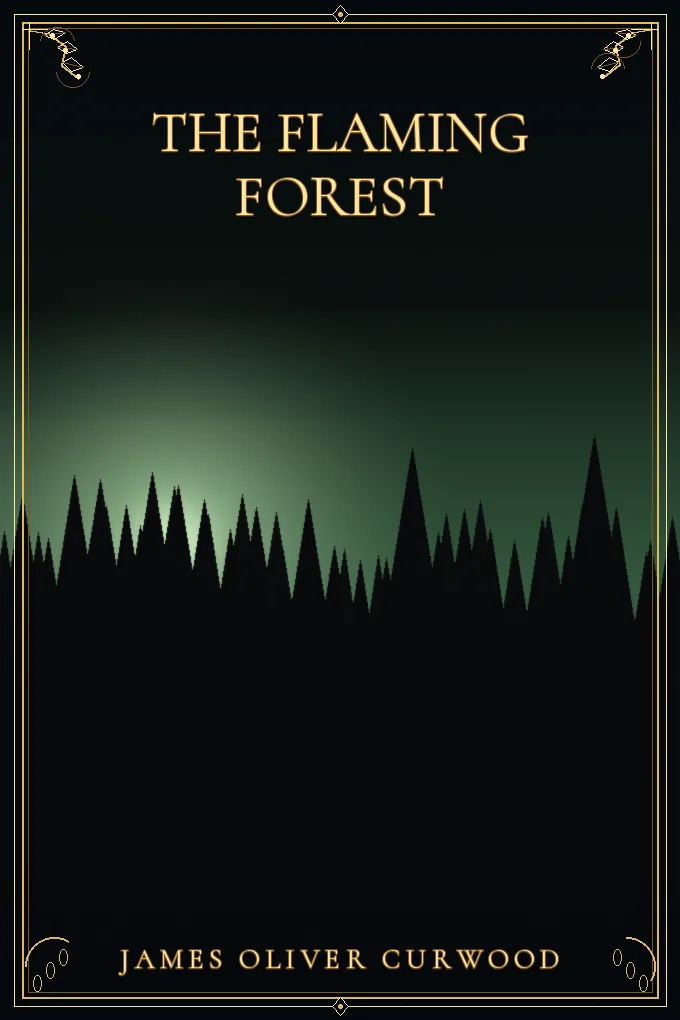
Cover illustration for The Flaming Forest
Context Illustration Reading 1/85 · 5 lines
English subtitles · tap any word to listen 1 / 5
After this he had no great desire to go back.
He rolled himself over, so that his face was turned up to the sky.
Under him the wet sand was soft, and it was comfortingly cool.
The fire in his head died out.
He could hear new sounds in the edge of the forest evening sounds.
0:00 / 0:00
Speed 0.75x
AI-generated narration by OpenAI · Slow US English
LEARNER DICTIONARY
Archivist
/ˈɑːrkɪvɪst/
Editorial verification pending

A keeper or guardian of historical records and memories.

The Flaming Forest

Chapter II · Chapter 2

Chapter 2 of The Flaming Forest is here in full — 428 sentences across 86 reading sections, with audio for every sentence and word.

Reading 1/85 · 5 reading units · Lines 1–5

Line 1
After this he had no great desire to go back.
/ˈæftər ðɪs hiː hæd noʊ ɡreɪt dɪˈzaɪər tuː ɡoʊ bæk/
Line 2
He rolled himself over, so that his face was turned up to the sky.
/hiː roʊld hɪmˈself ˈoʊvər soʊ ðæt hɪz feɪs wɑːz tɜːrnd ʌp tuː ðə skaɪ/
Line 3
Under him the wet sand was soft, and it was comfortingly cool.
Line 4
The fire in his head died out.
/ðə ˈfaɪər ɪn hɪz hed daɪd aʊt/
Line 5
He could hear new sounds in the edge of the forest evening sounds.
/hiː kʊd hiːr nuː saʊndz ɪn ðə edʒ ʌv ðə ˈfɔːrəst ˈiːvnɪŋ saʊndz/

Learner Dictionary

These definitions explain words found in the current reading and keep every example grounded in its original sentence.

Oxford-style entry order: headword, part of speech, US IPA, concise definition, contextual example, and audio.

cool adjective US /kuːl/

neither warm nor very cold; giving relief from heat

From this reading “Under him the wet sand was soft, and it was comfortingly cool.”

edge noun US /edʒ/

the boundary of a surface

From this reading “He could hear new sounds in the edge of the forest evening sounds.”

forest noun US /ˈfɔːrəst/

the trees and other plants in a large densely wooded area

From this reading “He could hear new sounds in the edge of the forest evening sounds.”

rolled adjective US /roʊld/

especially of petals or leaves in bud; having margins rolled inward

From this reading “He rolled himself over, so that his face was turned up to the sky.”

sand noun US /sænd/

a loose material consisting of grains of rock or coral

From this reading “Under him the wet sand was soft, and it was comfortingly cool.”

sky noun US /skaɪ/

the atmosphere and outer space as viewed from the earth

From this reading “He rolled himself over, so that his face was turned up to the sky.”

sounds noun US /saʊndz/

plural of “sound” — the particular auditory effect produced by a given cause

From this reading “He could hear new sounds in the edge of the forest evening sounds.”

wet adjective US /wet/

covered or soaked with a liquid such as water

From this reading “Under him the wet sand was soft, and it was comfortingly cool.”

All words in this reading · 44

Every word in these five lines is listed here, and every one of them can be played on its own.

Dictionary details are shown only when verified; these are not licensed Oxford entries.

AfterprepositionUS /ˈæftər/

later than; following

From this reading After this he had no great desire to go back.

andconjunctionUS /ənd/

used to join words or parts of a sentence that go together

From this reading Under him the wet sand was soft, and it was comfortingly cool.

backadverbUS /bæk/

in or to or toward a former location

From this reading After this he had no great desire to go back.

comfortinglyadverb

in a comforting or consoling manner

From this reading Under him the wet sand was soft, and it was comfortingly cool.

cooladjectiveUS /kuːl/

neither warm nor very cold; giving relief from heat

From this reading Under him the wet sand was soft, and it was comfortingly cool.

couldmodal verbUS /kʊd/

the past of “can”; used for possibility or polite requests

From this reading He could hear new sounds in the edge of the forest evening sounds.

desirenounUS /dɪˈzaɪər/

the feeling that accompanies an unsatisfied state

From this reading After this he had no great desire to go back.

diedverbUS /daɪd/

past form of “die” — pass from physical life and lose all bodily attributes and functions necessary to sustain life

From this reading The fire in his head died out.

edgenounUS /edʒ/

the boundary of a surface

From this reading He could hear new sounds in the edge of the forest evening sounds.

eveningnounUS /ˈiːvnɪŋ/

the latter part of the day (the period of decreasing daylight from late afternoon until nightfall)

From this reading He could hear new sounds in the edge of the forest evening sounds.

facenounUS /feɪs/

the front of the human head from the forehead to the chin and ear to ear

From this reading He rolled himself over, so that his face was turned up to the sky.

fireverbUS /ˈfaɪər/

start firing a weapon

From this reading The fire in his head died out.

forestnounUS /ˈfɔːrəst/

the trees and other plants in a large densely wooded area

From this reading He could hear new sounds in the edge of the forest evening sounds.

goverbUS /ɡoʊ/

change location; move, travel, or proceed, also metaphorically

From this reading After this he had no great desire to go back.

greatadjectiveUS /ɡreɪt/

relatively large in size or number or extent; larger than others of its kind

From this reading After this he had no great desire to go back.

hadauxiliary verbUS /hæd/

the past form of “have”, used to form the past perfect

From this reading After this he had no great desire to go back.

hepronounUS /hiː/

a man, boy, or male animal already mentioned, as the subject

From this reading After this he had no great desire to go back.

headnounUS /hed/

the upper part of the human body or the front part of the body in animals; contains the face and brains

From this reading The fire in his head died out.

hearverbUS /hiːr/

perceive (sound) via the auditory sense

From this reading He could hear new sounds in the edge of the forest evening sounds.

himpronounUS /hɪm/

the male already mentioned, as the object of a verb or preposition

From this reading Under him the wet sand was soft, and it was comfortingly cool.

himselfpronounUS /hɪmˈself/

used when the man or boy doing the action is also its object

From this reading He rolled himself over, so that his face was turned up to the sky.

hisdeterminerUS /hɪz/

belonging to a man, boy, or male animal already mentioned

From this reading He rolled himself over, so that his face was turned up to the sky.

inprepositionUS /ɪn/

inside something, or within a place, period, or state

From this reading The fire in his head died out.

itpronounUS /ɪt/

a thing, animal, or idea already mentioned

From this reading Under him the wet sand was soft, and it was comfortingly cool.

newadjectiveUS /nuː/

not of long duration; having just (or relatively recently) come into being or been made or acquired or discovered

From this reading He could hear new sounds in the edge of the forest evening sounds.

nodeterminerUS /noʊ/

not any; not one

From this reading After this he had no great desire to go back.

ofprepositionUS /ʌv/

belonging to, or connected with, somebody or something

From this reading He could hear new sounds in the edge of the forest evening sounds.

outadjectiveUS /aʊt/

not allowed to continue to bat or run

From this reading The fire in his head died out.

overprepositionUS /ˈoʊvər/

above and across; more than

From this reading He rolled himself over, so that his face was turned up to the sky.

rolledadjectiveUS /roʊld/

especially of petals or leaves in bud; having margins rolled inward

From this reading He rolled himself over, so that his face was turned up to the sky.

sandnounUS /sænd/

a loose material consisting of grains of rock or coral

From this reading Under him the wet sand was soft, and it was comfortingly cool.

skynounUS /skaɪ/

the atmosphere and outer space as viewed from the earth

From this reading He rolled himself over, so that his face was turned up to the sky.

soconjunctionUS /soʊ/

for that reason; with the result that

From this reading He rolled himself over, so that his face was turned up to the sky.

softadjectiveUS /sɑːft/

yielding readily to pressure or weight

From this reading Under him the wet sand was soft, and it was comfortingly cool.

soundsnounUS /saʊndz/

plural of “sound” — the particular auditory effect produced by a given cause

From this reading He could hear new sounds in the edge of the forest evening sounds.

thatconjunctionUS /ðæt/

used to introduce what somebody said, thought, or felt

From this reading He rolled himself over, so that his face was turned up to the sky.

thedeterminerUS /ðə/

used before a noun that is already known, already mentioned, or the only one of its kind

From this reading He rolled himself over, so that his face was turned up to the sky.

thisdeterminerUS /ðɪs/

used for a person or thing that is near, or that has just been mentioned

From this reading After this he had no great desire to go back.

toparticleUS /tuː/

used before the base form of a verb to make the infinitive

From this reading After this he had no great desire to go back.

turnedadjectiveUS /tɜːrnd/

moved around an axis or center

From this reading He rolled himself over, so that his face was turned up to the sky.

UnderprepositionUS /ˈʌndər/

below or beneath something; less than

From this reading Under him the wet sand was soft, and it was comfortingly cool.

upadjectiveUS /ʌp/

being or moving higher in position or greater in some value; being above a former position or level

From this reading He rolled himself over, so that his face was turned up to the sky.

wasauxiliary verbUS /wɑːz/

the past form of “be” used with I, he, she, it, or a singular noun

From this reading He rolled himself over, so that his face was turned up to the sky.

wetadjectiveUS /wet/

covered or soaked with a liquid such as water

From this reading Under him the wet sand was soft, and it was comfortingly cool.

Chapter 2 of The Flaming Forest by James Oliver Curwood holds 428 sentences, grouped into 86 reading sections of at most 5 sentences. The text is the public-domain source, unabridged, and the chapter records which sentences cover which part of the work so that nothing is dropped. Every word can be tapped for its pronunciation and dictionary entry.

What does chapter 2 of The Flaming Forest contain?

Chapter 2 holds 428 sentences of The Flaming Forest, unabridged, divided into 86 reading sections.

This page carries chapter 2 of The Flaming Forest by James Oliver Curwood exactly as it stands in the public-domain source edition, without abridgement. It runs to 428 sentences, grouped into 86 sections of at most 5 sentences so that a reader can take the chapter in steady, finishable pieces. The chapter also stores a coverage record mapping every one of its sentences to a part of the work, which is how the edition demonstrates that no line was dropped.

How do I study chapter 2 of The Flaming Forest?

Work through the 86 sections in order, replaying any sentence and tapping unfamiliar words for their entries.

Each of the 86 sections in this chapter is short enough to read once, hear once, and then re-read with the vocabulary in view. Tapping a word plays it alone and opens its dictionary entry with IPA, part of speech and meaning, so the reader is never forced to guess a pronunciation from spelling. Working section by section keeps a long chapter from becoming an undifferentiated wall of text, which is the usual reason a reader abandons a work of this period.

Can chapter 2 be read aloud to me?

Yes — every sentence and every individual word in chapter 2 can be played aloud in United States English.

Audio covers the whole chapter: any sentence can be played, and any single word within it can be played on its own. The voice uses United States English. For a work of this period that matters, because spelling is an unreliable guide to pronunciation for vocabulary that has fallen out of daily use, and a learner who guesses wrong tends to keep the error. Hearing the word in its own sentence, and then alone, settles it.

Questions about reading The Flaming Forest

Common questions about reading The Flaming Forest by James Oliver Curwood on this page, its source edition and its audio.

Is this the complete text of The Flaming Forest?

Yes. All 4613 sentences of Project Gutenberg eBook #4702 are kept, with a record of which sentences cover which part.

Which edition of The Flaming Forest is used?

Project Gutenberg eBook #4702, a public-domain edition. The Project Gutenberg header, footer and licence are removed.

How long does The Flaming Forest take to read?

About 384 minutes of reading across 923 sections of 5 sentences each, at an unhurried pace.

How to read The Flaming Forest section by section

How to work through The Flaming Forest section by section, using the audio and the tap-to-define vocabulary.

  1. Open a chapter

    Choose one of the 11 chapters of The Flaming Forest to begin.

  2. Read one section

    Each section holds 5 sentences; read it once through.

  3. Listen and tap

    Play the section aloud, then tap any unfamiliar word for its entry.

Vocabulary met early in The Flaming Forest

Words and structures a reader meets early in The Flaming Forest, each tappable for pronunciation and meaning.

Author
A word that appears in the opening chapter of The Flaming Forest; the reader can tap it to hear it and see its dictionary entry.
Valley
A word that appears in the opening chapter of The Flaming Forest; the reader can tap it to hear it and see its dictionary entry.
Silent
A word that appears in the opening chapter of The Flaming Forest; the reader can tap it to hear it and see its dictionary entry.
Country
A word that appears in the opening chapter of The Flaming Forest; the reader can tap it to hear it and see its dictionary entry.