Complete classic literature • Five-line readings • Clear US narration
VELMORA ACADEMY
Academy of Archival Languages & Memory Studies
Menu Close
The Forsaken Inn: A Novel

Chapter XX · Chapter 20

Chapter 20 of The Forsaken Inn: A Novel is here in full — 130 sentences across 26 reading sections, with audio for every sentence and word.

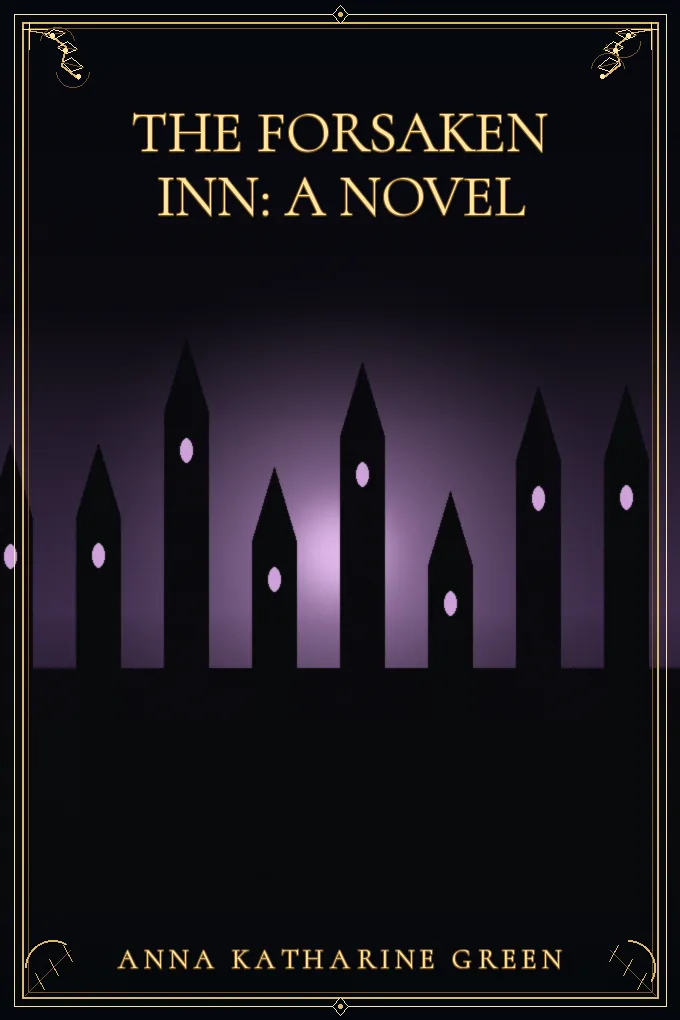
Cover illustration for The Forsaken Inn: A Novel
Context Illustration Reading 1/26 · 5 lines
English subtitles · tap any word to listen 1 / 5
THE STONE IN THE GARDEN.
OCTOBER 11, 1791.
This morning the post brought two letters for my strange guests.
Being anxious to see how they would be received, I carried them up to Madame Letellier's room myself.

The ladies were sitting together, the daughter embroidering.
0:00 / 0:00
Speed 0.75x
AI-generated narration by OpenAI · Slow US English
LEARNER DICTIONARY
Archivist
/ˈɑːrkɪvɪst/
Editorial verification pending

A keeper or guardian of historical records and memories.

The Forsaken Inn: A Novel

Chapter XX · Chapter 20

Chapter 20 of The Forsaken Inn: A Novel is here in full — 130 sentences across 26 reading sections, with audio for every sentence and word.

Reading 1/26 · 5 reading units · Lines 1–5

Line 1
THE STONE IN THE GARDEN.
/ðə stoʊn ɪn ðə ˈɡɑːrdən/
Line 2
OCTOBER 11, 1791.
Line 3
This morning the post brought two letters for my strange guests.
/ðɪs ˈmɔːrnɪŋ ðə poʊst brɔːt tuː ˈletərz fɔːr maɪ streɪndʒ ɡests/
Line 4
Being anxious to see how they would be received, I carried them up to Madame Letellier's room myself.
Line 5
The ladies were sitting together, the daughter embroidering.
/ðə ˈleɪdiz wɜːr ˈsɪtɪŋ təˈɡeðər ðə ˈdɔːtər emˈbrɔɪdərɪŋ/

Learner Dictionary

These definitions explain words found in the current reading and keep every example grounded in its original sentence.

Oxford-style entry order: headword, part of speech, US IPA, concise definition, contextual example, and audio.

anxious adjective US /ˈæŋkʃəs/

eagerly desirous

From this reading “Being anxious to see how they would be received, I carried them up to Madame Letellier's room myself.”

embroidering verb US /emˈbrɔɪdərɪŋ/

-ing form of “embroider” — decorate with needlework

From this reading “The ladies were sitting together, the daughter embroidering.”

guests noun US /ɡests/

plural of “guest” — a visitor to whom hospitality is extended

From this reading “This morning the post brought two letters for my strange guests.”

ladies noun US /ˈleɪdiz/

plural of “lady” — a polite name for any woman

From this reading “The ladies were sitting together, the daughter embroidering.”

letters noun US /ˈletərz/

the literary culture

From this reading “This morning the post brought two letters for my strange guests.”

october noun US /ɑːkˈtoʊbər/

the month following September and preceding November

From this reading “OCTOBER 11, 1791.”

post verb US /poʊst/

affix in a public place or for public notice

From this reading “This morning the post brought two letters for my strange guests.”

stone noun US /stoʊn/

a lump or mass of hard consolidated mineral matter

From this reading “THE STONE IN THE GARDEN.”

All words in this reading · 40

Every word in these five lines is listed here, and every one of them can be played on its own.

Dictionary details are shown only when verified; these are not licensed Oxford entries.

11

Dictionary entry pending editorial verification. Tap Listen to hear the word.

From this reading OCTOBER 11, 1791.

1791

Dictionary entry pending editorial verification. Tap Listen to hear the word.

From this reading OCTOBER 11, 1791.

anxiousadjectiveUS /ˈæŋkʃəs/

eagerly desirous

From this reading Being anxious to see how they would be received, I carried them up to Madame Letellier's room myself.

beauxiliary verbUS /biː/

used with a past participle to form the passive, or with -ing for continuous tenses

From this reading Being anxious to see how they would be received, I carried them up to Madame Letellier's room myself.

Beingauxiliary verbUS /ˈbiːɪŋ/

the -ing form of “be”

From this reading Being anxious to see how they would be received, I carried them up to Madame Letellier's room myself.

broughtverbUS /brɔːt/

inflected form of “bring” — take something or somebody with oneself somewhere

From this reading This morning the post brought two letters for my strange guests.

carriedverbUS /ˈkærid/

inflected form of “carry” — move while supporting, either in a vehicle or in one's hands or on one's body

From this reading Being anxious to see how they would be received, I carried them up to Madame Letellier's room myself.

daughternounUS /ˈdɔːtər/

a female human offspring

From this reading The ladies were sitting together, the daughter embroidering.

embroideringverbUS /emˈbrɔɪdərɪŋ/

-ing form of “embroider” — decorate with needlework

From this reading The ladies were sitting together, the daughter embroidering.

forprepositionUS /fɔːr/

intended to be given to, or used by, somebody

From this reading This morning the post brought two letters for my strange guests.

GARDENnounUS /ˈɡɑːrdən/

a plot of ground where plants are cultivated

From this reading THE STONE IN THE GARDEN.

guestsnounUS /ɡests/

plural of “guest” — a visitor to whom hospitality is extended

From this reading This morning the post brought two letters for my strange guests.

how

Dictionary entry pending editorial verification. Tap Listen to hear the word.

From this reading Being anxious to see how they would be received, I carried them up to Madame Letellier's room myself.

IpronounUS /aɪ/

the person speaking or writing, as the subject of the verb

From this reading Being anxious to see how they would be received, I carried them up to Madame Letellier's room myself.

INprepositionUS /ɪn/

inside something, or within a place, period, or state

From this reading THE STONE IN THE GARDEN.

ladiesnounUS /ˈleɪdiz/

plural of “lady” — a polite name for any woman

From this reading The ladies were sitting together, the daughter embroidering.

Letellier's

Dictionary entry pending editorial verification. Tap Listen to hear the word.

From this reading Being anxious to see how they would be received, I carried them up to Madame Letellier's room myself.

lettersnounUS /ˈletərz/

the literary culture

From this reading This morning the post brought two letters for my strange guests.

MadamenounUS /ˈmædəm/

title used for a married Frenchwoman

From this reading Being anxious to see how they would be received, I carried them up to Madame Letellier's room myself.

morningnounUS /ˈmɔːrnɪŋ/

the time period between dawn and noon

From this reading This morning the post brought two letters for my strange guests.

mydeterminerUS /maɪ/

belonging to the person speaking

From this reading This morning the post brought two letters for my strange guests.

myselfpronounUS /ˌmaɪˈself/

used when the speaker is also the object of the action

From this reading Being anxious to see how they would be received, I carried them up to Madame Letellier's room myself.

OCTOBERnounUS /ɑːkˈtoʊbər/

the month following September and preceding November

From this reading OCTOBER 11, 1791.

postverbUS /poʊst/

affix in a public place or for public notice

From this reading This morning the post brought two letters for my strange guests.

receivedadjectiveUS /rəˈsiːvd/

conforming to the established language usage of educated native speakers

From this reading Being anxious to see how they would be received, I carried them up to Madame Letellier's room myself.

roomnounUS /ruːm/

an area within a building enclosed by walls and floor and ceiling

From this reading Being anxious to see how they would be received, I carried them up to Madame Letellier's room myself.

seeverbUS /siː/

perceive by sight or have the power to perceive by sight

From this reading Being anxious to see how they would be received, I carried them up to Madame Letellier's room myself.

sittingnounUS /ˈsɪtɪŋ/

(photography) the act of assuming a certain position (as for a photograph or portrait)

From this reading The ladies were sitting together, the daughter embroidering.

STONEnounUS /stoʊn/

a lump or mass of hard consolidated mineral matter

From this reading THE STONE IN THE GARDEN.

strangeadjectiveUS /streɪndʒ/

being definitely out of the ordinary and unexpected; slightly odd or even a bit weird

From this reading This morning the post brought two letters for my strange guests.

THEdeterminerUS /ðə/

used before a noun that is already known, already mentioned, or the only one of its kind

From this reading THE STONE IN THE GARDEN.

thempronounUS /ðem/

the people or things already mentioned, as the object

From this reading Being anxious to see how they would be received, I carried them up to Madame Letellier's room myself.

theypronounUS /ðeɪ/

the people, animals, or things already mentioned, as the subject

From this reading Being anxious to see how they would be received, I carried them up to Madame Letellier's room myself.

ThisdeterminerUS /ðɪs/

used for a person or thing that is near, or that has just been mentioned

From this reading This morning the post brought two letters for my strange guests.

toparticleUS /tuː/

used before the base form of a verb to make the infinitive

From this reading Being anxious to see how they would be received, I carried them up to Madame Letellier's room myself.

togetheradverbUS /təˈɡeðər/

in contact with each other or in proximity

From this reading The ladies were sitting together, the daughter embroidering.

twonounUS /tuː/

the cardinal number that is the sum of one and one or a numeral representing this number

From this reading This morning the post brought two letters for my strange guests.

upadjectiveUS /ʌp/

being or moving higher in position or greater in some value; being above a former position or level

From this reading Being anxious to see how they would be received, I carried them up to Madame Letellier's room myself.

wereauxiliary verbUS /wɜːr/

the past form of “be” used with you, we, they, or a plural noun

From this reading The ladies were sitting together, the daughter embroidering.

wouldmodal verbUS /wʊd/

used for something imagined, polite, or habitual in the past

From this reading Being anxious to see how they would be received, I carried them up to Madame Letellier's room myself.

Chapter 20 of The Forsaken Inn: A Novel by Anna Katharine Green holds 130 sentences, grouped into 26 reading sections of at most 5 sentences. The text is the source edition, unabridged, and the chapter records which sentences cover which part of the work so that nothing is dropped. Every word can be tapped for its pronunciation and dictionary entry.

What does chapter 20 of The Forsaken Inn: A Novel contain?

Chapter 20 holds 130 sentences of The Forsaken Inn: A Novel, unabridged, divided into 26 reading sections.

This page carries chapter 20 of The Forsaken Inn: A Novel by Anna Katharine Green exactly as it stands in the source edition, without abridgement. It runs to 130 sentences, grouped into 26 sections of at most 5 sentences so that a reader can take the chapter in steady, finishable pieces. The chapter also stores a coverage record mapping every one of its sentences to a part of the work, which is how the edition demonstrates that no line was dropped.

How do I study chapter 20 of The Forsaken Inn: A Novel?

Work through the 26 sections in order, replaying any sentence and tapping unfamiliar words for their entries.

Each of the 26 sections in this chapter is short enough to read once, hear once, and then re-read with the vocabulary in view. Tapping a word plays it alone and opens its dictionary entry with IPA, part of speech and meaning, so the reader is never forced to guess a pronunciation from spelling. Working section by section keeps a long chapter from becoming an undifferentiated wall of text, which is the usual reason a reader abandons a work of this period.

Can chapter 20 be read aloud to me?

Yes — every sentence and every individual word in chapter 20 can be played aloud in United States English.

Audio covers the whole chapter: any sentence can be played, and any single word within it can be played on its own. The voice uses United States English. For a work of this period that matters, because spelling is an unreliable guide to pronunciation for vocabulary that has fallen out of daily use, and a learner who guesses wrong tends to keep the error. Hearing the word in its own sentence, and then alone, settles it.

Questions about reading The Forsaken Inn: A Novel

Common questions about reading The Forsaken Inn: A Novel by Anna Katharine Green on this page, its source edition and its audio.

Is this the complete text of The Forsaken Inn: A Novel?

Yes. All 3486 sentences of Project Gutenberg eBook #23641 are kept, with a record of which sentences cover which part.

Which edition of The Forsaken Inn: A Novel is used?

Project Gutenberg eBook #23641, unabridged. The Project Gutenberg header, footer and licence are removed.

How long does The Forsaken Inn: A Novel take to read?

About 290 minutes of reading across 698 sections of 5 sentences each, at an unhurried pace.

How to read The Forsaken Inn: A Novel section by section

How to work through The Forsaken Inn: A Novel section by section, using the audio and the tap-to-define vocabulary.

  1. Open a chapter

    Choose one of the 27 chapters of The Forsaken Inn: A Novel to begin.

  2. Read one section

    Each section holds 5 sentences; read it once through.

  3. Listen and tap

    Play the section aloud, then tap any unfamiliar word for its entry.

Vocabulary met early in The Forsaken Inn: A Novel

Words and structures a reader meets early in The Forsaken Inn: A Novel, each tappable for pronunciation and meaning.

Leavenworth
A word that appears in the opening chapter of The Forsaken Inn: A Novel; the reader can tap it to hear it and see its dictionary entry.
Matter
A word that appears in the opening chapter of The Forsaken Inn: A Novel; the reader can tap it to hear it and see its dictionary entry.
Millions
A word that appears in the opening chapter of The Forsaken Inn: A Novel; the reader can tap it to hear it and see its dictionary entry.
Behind
A word that appears in the opening chapter of The Forsaken Inn: A Novel; the reader can tap it to hear it and see its dictionary entry.