Complete classic literature • Five-line readings • Clear US narration
VELMORA ACADEMY
Academy of Archival Languages & Memory Studies
Menu Close
The Go Ahead Boys and the Mysterious Old House

Chapter XX · An Invitation

Chapter XX of The Go Ahead Boys and the Mysterious Old House, “An Invitation,” is here in full — 127 sentences across 26 reading sections, with audio for every sentence and word.

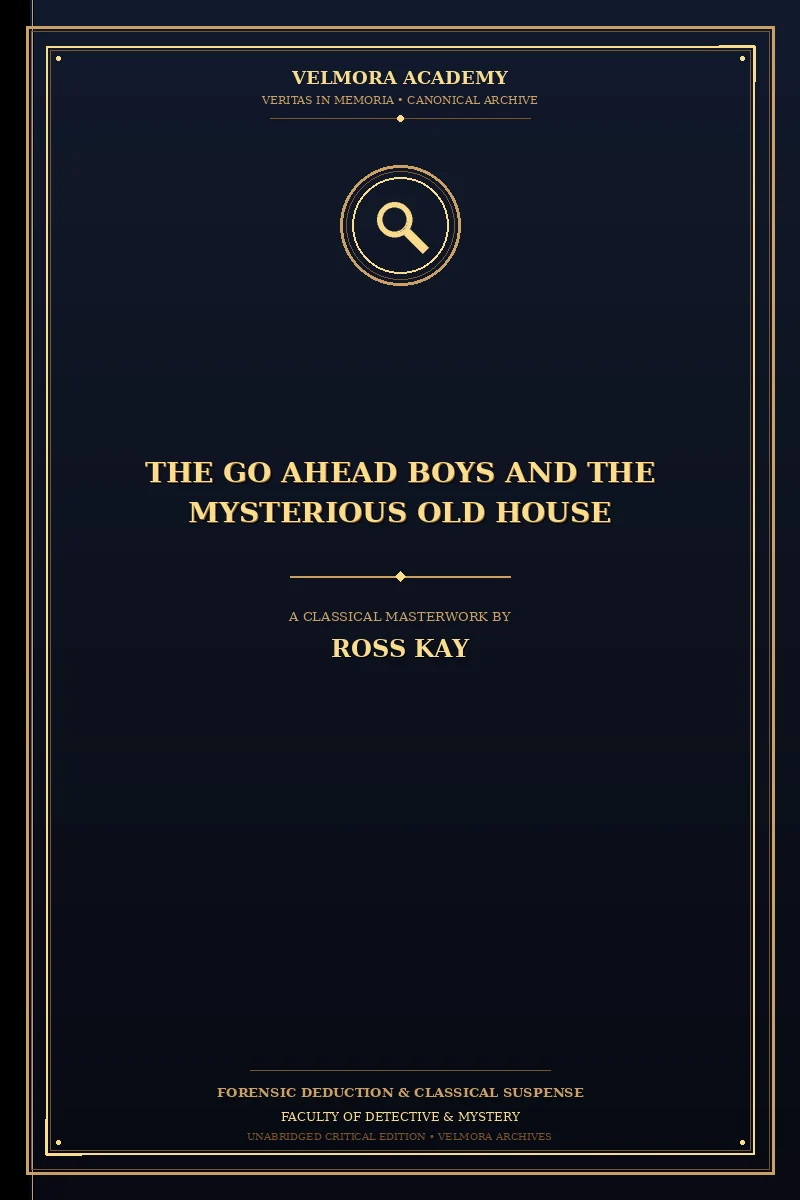
Cover illustration for The Go Ahead Boys and the Mysterious Old House
Context Illustration Reading 1/25 · 5 lines
English subtitles · tap any word to listen 1 / 5
Appearing to ignore his friends John drove rapidly around the circle which had been laid out between the station and the main street.

Proudly returning to the place on the platform where his friends were awaiting his coming, he called out, “How’s this car?
How’s the driver?
Pretty slick, eh?”
“What we don’t know,” said George quickly, “is where the driver came from and how he got the car.”
0:00 / 0:00
Speed 0.75x
AI-generated narration by OpenAI · Slow US English
LEARNER DICTIONARY
Archivist
/ˈɑːrkɪvɪst/
Editorial verification pending

A keeper or guardian of historical records and memories.

The Go Ahead Boys and the Mysterious Old House

Chapter XX · An Invitation

Chapter XX of The Go Ahead Boys and the Mysterious Old House, “An Invitation,” is here in full — 127 sentences across 26 reading sections, with audio for every sentence and word.

Reading 1/25 · 5 reading units · Lines 1–5

Line 1
Appearing to ignore his friends John drove rapidly around the circle which had been laid out between the station and the main street.
/əˈpɪrɪŋ tuː ˌɪɡˈnɔːr hɪz frendz dʒɑːn droʊv ˈræpədli ərˈaʊnd ðə ˈsɜːrkəl wɪtʃ hæd bɪn leɪd aʊt bɪˈtwiːn ðə ˈsteɪʃən ənd ðə meɪn striːt/
Line 2
Proudly returning to the place on the platform where his friends were awaiting his coming, he called out, “How’s this car?
Line 3
How’s the driver?
Line 4
Pretty slick, eh?”
Line 5
“What we don’t know,” said George quickly, “is where the driver came from and how he got the car.”

Learner Dictionary

These definitions explain words found in the current reading and keep every example grounded in its original sentence.

Oxford-style entry order: headword, part of speech, US IPA, concise definition, contextual example, and audio.

Appearing noun US /əˈpɪrɪŋ/

formal attendance (in court or at a hearing) of a party in an action

From this reading “Appearing to ignore his friends John drove rapidly around the circle which had been laid out between the station and the main street.”

awaiting verb US /əˈweɪtɪŋ/

-ing form of “await” — look forward to the probable occurrence of

From this reading “Proudly returning to the place on the platform where his friends were awaiting his coming, he called out, “How’s this car?”

circle noun US /ˈsɜːrkəl/

ellipse in which the two axes are of equal length; a plane curve generated by one point moving at a constant distance from a fixed point

From this reading “Appearing to ignore his friends John drove rapidly around the circle which had been laid out between the station and the main street.”

driver noun US /ˈdraɪvər/

the operator of a motor vehicle

From this reading “How’s the driver?”

ignore verb US /ˌɪɡˈnɔːr/

refuse to acknowledge

From this reading “Appearing to ignore his friends John drove rapidly around the circle which had been laid out between the station and the main street.”

platform noun US /ˈplætfɔːrm/

a raised horizontal surface

From this reading “Proudly returning to the place on the platform where his friends were awaiting his coming, he called out, “How’s this car?”

Proudly adverb US /ˈpraʊdli/

with pride; in a proud manner

From this reading “Proudly returning to the place on the platform where his friends were awaiting his coming, he called out, “How’s this car?”

slick noun US /slɪk/

a slippery smoothness

From this reading “Pretty slick, eh?””

Word partnerships in these lines

English keeps certain words together, and knowing the pair is worth more than knowing each word alone. Every partnership below was counted across our whole published library, and earns its place by appearing far more often than two unrelated words of the same frequency would.

Shown as this reading writes them, with the form the library counts, what kind of pairing it is, and how often it occurs.

main street adjective + noun

street that serves as a principal thoroughfare for traffic in a town

In this reading “Appearing to ignore his friends John drove rapidly around the circle which had been laid out between the station and the main street.”

on the platform preposition + article + noun counted as “on … platform”

In this reading “Proudly returning to the place on the platform where his friends were awaiting his coming, he called out, “How’s this car?”

around the circle preposition + article + noun counted as “around … circle”

In this reading “Appearing to ignore his friends John drove rapidly around the circle which had been laid out between the station and the main street.”

called out verb + adjective counted as “call out”

utter aloud; often with surprise, horror, or joy

In this reading “Proudly returning to the place on the platform where his friends were awaiting his coming, he called out, “How’s this car?”

came from verb + particle counted as “come from”

In this reading ““What we don’t know,” said George quickly, “is where the driver came from and how he got the car.””

All words in this reading · 51

Every word in these five lines is listed here, and every one of them can be played on its own.

Dictionary details are shown only when verified; these are not licensed Oxford entries.

andconjunctionUS /ənd/

used to join words or parts of a sentence that go together

From this reading Appearing to ignore his friends John drove rapidly around the circle which had been laid out between the station and the main street.

AppearingnounUS /əˈpɪrɪŋ/

formal attendance (in court or at a hearing) of a party in an action

From this reading Appearing to ignore his friends John drove rapidly around the circle which had been laid out between the station and the main street.

aroundprepositionUS /ərˈaʊnd/

surrounding, or on every side of, something

From this reading Appearing to ignore his friends John drove rapidly around the circle which had been laid out between the station and the main street.

awaitingverbUS /əˈweɪtɪŋ/

-ing form of “await” — look forward to the probable occurrence of

From this reading Proudly returning to the place on the platform where his friends were awaiting his coming, he called out, “How’s this car?

beenauxiliary verbUS /bɪn/

the past participle of “be”

From this reading Appearing to ignore his friends John drove rapidly around the circle which had been laid out between the station and the main street.

betweenprepositionUS /bɪˈtwiːn/

in the space, time, or range separating two things

From this reading Appearing to ignore his friends John drove rapidly around the circle which had been laid out between the station and the main street.

calledverbUS /kɔːld/

past form of “call” — assign a specified (usually proper) proper name to

From this reading Proudly returning to the place on the platform where his friends were awaiting his coming, he called out, “How’s this car?

cameverbUS /keɪm/

inflected form of “come” — move toward, travel toward something or somebody or approach something or somebody

From this reading “What we don’t know,” said George quickly, “is where the driver came from and how he got the car.”

carnounUS /kɑːr/

a motor vehicle with four wheels; usually propelled by an internal combustion engine

From this reading Proudly returning to the place on the platform where his friends were awaiting his coming, he called out, “How’s this car?

circlenounUS /ˈsɜːrkəl/

ellipse in which the two axes are of equal length; a plane curve generated by one point moving at a constant distance from a fixed point

From this reading Appearing to ignore his friends John drove rapidly around the circle which had been laid out between the station and the main street.

comingnounUS /ˈkʌmɪŋ/

the act of drawing spatially closer to something

From this reading Proudly returning to the place on the platform where his friends were awaiting his coming, he called out, “How’s this car?

don't

Dictionary entry pending editorial verification. Tap Listen to hear the word.

From this reading “What we don’t know,” said George quickly, “is where the driver came from and how he got the car.”

drivernounUS /ˈdraɪvər/

the operator of a motor vehicle

From this reading How’s the driver?

drovenounUS /droʊv/

a group of animals (a herd or flock) moving together

From this reading Appearing to ignore his friends John drove rapidly around the circle which had been laid out between the station and the main street.

eh

Dictionary entry pending editorial verification. Tap Listen to hear the word.

From this reading Pretty slick, eh?”

friendsnounUS /frendz/

plural of “friend” — a person you know well and regard with affection and trust

From this reading Appearing to ignore his friends John drove rapidly around the circle which had been laid out between the station and the main street.

fromprepositionUS /frʌm/

showing where something starts, or who sent it

From this reading “What we don’t know,” said George quickly, “is where the driver came from and how he got the car.”

GeorgenounUS /dʒɔːrdʒ/

Christian martyr; patron saint of England; hero of the legend of Saint George and the Dragon in which he slew a dragon and saved a princess (?-303)

From this reading “What we don’t know,” said George quickly, “is where the driver came from and how he got the car.”

gotverbUS /ɡɑːt/

inflected form of “get” — come into the possession of something concrete or abstract

From this reading “What we don’t know,” said George quickly, “is where the driver came from and how he got the car.”

hadauxiliary verbUS /hæd/

the past form of “have”, used to form the past perfect

From this reading Appearing to ignore his friends John drove rapidly around the circle which had been laid out between the station and the main street.

hepronounUS /hiː/

a man, boy, or male animal already mentioned, as the subject

From this reading Proudly returning to the place on the platform where his friends were awaiting his coming, he called out, “How’s this car?

hisdeterminerUS /hɪz/

belonging to a man, boy, or male animal already mentioned

From this reading Appearing to ignore his friends John drove rapidly around the circle which had been laid out between the station and the main street.

how

Dictionary entry pending editorial verification. Tap Listen to hear the word.

From this reading “What we don’t know,” said George quickly, “is where the driver came from and how he got the car.”

How's

Dictionary entry pending editorial verification. Tap Listen to hear the word.

From this reading Proudly returning to the place on the platform where his friends were awaiting his coming, he called out, “How’s this car?

ignoreverbUS /ˌɪɡˈnɔːr/

refuse to acknowledge

From this reading Appearing to ignore his friends John drove rapidly around the circle which had been laid out between the station and the main street.

isauxiliary verbUS /ɪz/

the form of “be” used with he, she, it, or a singular noun

From this reading “What we don’t know,” said George quickly, “is where the driver came from and how he got the car.”

JohnnounUS /dʒɑːn/

a room or building equipped with one or more toilets

From this reading Appearing to ignore his friends John drove rapidly around the circle which had been laid out between the station and the main street.

knowverbUS /noʊ/

be cognizant or aware of a fact or a specific piece of information; possess knowledge or information about

From this reading “What we don’t know,” said George quickly, “is where the driver came from and how he got the car.”

laidadjectiveUS /leɪd/

set down according to a plan

From this reading Appearing to ignore his friends John drove rapidly around the circle which had been laid out between the station and the main street.

mainadjectiveUS /meɪn/

most important element

From this reading Appearing to ignore his friends John drove rapidly around the circle which had been laid out between the station and the main street.

onprepositionUS /ɑːn/

touching and supported by a surface

From this reading Proudly returning to the place on the platform where his friends were awaiting his coming, he called out, “How’s this car?

outadjectiveUS /aʊt/

not allowed to continue to bat or run

From this reading Appearing to ignore his friends John drove rapidly around the circle which had been laid out between the station and the main street.

placenounUS /pleɪs/

a point located with respect to surface features of some region

From this reading Proudly returning to the place on the platform where his friends were awaiting his coming, he called out, “How’s this car?

platformnounUS /ˈplætfɔːrm/

a raised horizontal surface

From this reading Proudly returning to the place on the platform where his friends were awaiting his coming, he called out, “How’s this car?

PrettyadjectiveUS /ˈprɪti/

pleasing by delicacy or grace; not imposing

From this reading Pretty slick, eh?”

ProudlyadverbUS /ˈpraʊdli/

with pride; in a proud manner

From this reading Proudly returning to the place on the platform where his friends were awaiting his coming, he called out, “How’s this car?

quicklyadverbUS /ˈkwɪkli/

with speed

From this reading “What we don’t know,” said George quickly, “is where the driver came from and how he got the car.”

rapidlyadverbUS /ˈræpədli/

with speed

From this reading Appearing to ignore his friends John drove rapidly around the circle which had been laid out between the station and the main street.

returningadjectiveUS /rɪˈtɜːrnɪŋ/

tending to return to an earlier state

From this reading Proudly returning to the place on the platform where his friends were awaiting his coming, he called out, “How’s this car?

saidadjectiveUS /sed/

being the one previously mentioned or spoken of

From this reading “What we don’t know,” said George quickly, “is where the driver came from and how he got the car.”

slicknounUS /slɪk/

a slippery smoothness

From this reading Pretty slick, eh?”

stationnounUS /ˈsteɪʃən/

a facility equipped with special equipment and personnel for a particular purpose

From this reading Appearing to ignore his friends John drove rapidly around the circle which had been laid out between the station and the main street.

streetnounUS /striːt/

a thoroughfare (usually including sidewalks) that is lined with buildings

From this reading Appearing to ignore his friends John drove rapidly around the circle which had been laid out between the station and the main street.

thedeterminerUS /ðə/

used before a noun that is already known, already mentioned, or the only one of its kind

From this reading Appearing to ignore his friends John drove rapidly around the circle which had been laid out between the station and the main street.

thisdeterminerUS /ðɪs/

used for a person or thing that is near, or that has just been mentioned

From this reading Proudly returning to the place on the platform where his friends were awaiting his coming, he called out, “How’s this car?

toparticleUS /tuː/

used before the base form of a verb to make the infinitive

From this reading Appearing to ignore his friends John drove rapidly around the circle which had been laid out between the station and the main street.

wepronounUS /wiː/

the speaker together with one or more other people

From this reading “What we don’t know,” said George quickly, “is where the driver came from and how he got the car.”

wereauxiliary verbUS /wɜːr/

the past form of “be” used with you, we, they, or a plural noun

From this reading Proudly returning to the place on the platform where his friends were awaiting his coming, he called out, “How’s this car?

WhatpronounUS /wʌt/

used to ask for information about something

From this reading “What we don’t know,” said George quickly, “is where the driver came from and how he got the car.”

whereconjunctionUS /wer/

in or at the place that

From this reading Proudly returning to the place on the platform where his friends were awaiting his coming, he called out, “How’s this car?

whichpronounUS /wɪtʃ/

used to introduce a clause giving more about a thing just mentioned

From this reading Appearing to ignore his friends John drove rapidly around the circle which had been laid out between the station and the main street.

Chapter 20 of The Go Ahead Boys and the Mysterious Old House by Ross Kay holds 127 sentences, grouped into 26 reading sections of at most 5 sentences. The text is the source edition, unabridged, and the chapter records which sentences cover which part of the work so that nothing is dropped. Every word can be tapped for its pronunciation and dictionary entry.

What does chapter 20 of The Go Ahead Boys and the Mysterious Old House contain?

Chapter 20 holds 127 sentences of The Go Ahead Boys and the Mysterious Old House, unabridged, divided into 26 reading sections.

This page carries chapter 20 of The Go Ahead Boys and the Mysterious Old House by Ross Kay exactly as it stands in the source edition, without abridgement. It runs to 127 sentences, grouped into 26 sections of at most 5 sentences so that a reader can take the chapter in steady, finishable pieces. The chapter also stores a coverage record mapping every one of its sentences to a part of the work, which is how the edition demonstrates that no line was dropped.

How do I study chapter 20 of The Go Ahead Boys and the Mysterious Old House?

Work through the 26 sections in order, replaying any sentence and tapping unfamiliar words for their entries.

Each of the 26 sections in this chapter is short enough to read once, hear once, and then re-read with the vocabulary in view. Tapping a word plays it alone and opens its dictionary entry with IPA, part of speech and meaning, so the reader is never forced to guess a pronunciation from spelling. Working section by section keeps a long chapter from becoming an undifferentiated wall of text, which is the usual reason a reader abandons a work of this period.

Can chapter 20 be read aloud to me?

Yes — every sentence and every individual word in chapter 20 can be played aloud in United States English.

Audio covers the whole chapter: any sentence can be played, and any single word within it can be played on its own. The voice uses United States English. For a work of this period that matters, because spelling is an unreliable guide to pronunciation for vocabulary that has fallen out of daily use, and a learner who guesses wrong tends to keep the error. Hearing the word in its own sentence, and then alone, settles it.

Questions about reading The Go Ahead Boys and the Mysterious Old House

Common questions about reading The Go Ahead Boys and the Mysterious Old House by Ross Kay on this page, its source edition and its audio.

Is this the complete text of The Go Ahead Boys and the Mysterious Old House?

Yes. All 3015 sentences of Project Gutenberg eBook #35964 are kept, with a record of which sentences cover which part.

Which edition of The Go Ahead Boys and the Mysterious Old House is used?

Project Gutenberg eBook #35964, unabridged. The Project Gutenberg header, footer and licence are removed.

How long does The Go Ahead Boys and the Mysterious Old House take to read?

About 251 minutes of reading across 603 sections of 5 sentences each, at an unhurried pace.

How to read The Go Ahead Boys and the Mysterious Old House section by section

How to work through The Go Ahead Boys and the Mysterious Old House section by section, using the audio and the tap-to-define vocabulary.

  1. Open a chapter

    Choose one of the 27 chapters of The Go Ahead Boys and the Mysterious Old House to begin.

  2. Read one section

    Each section holds 5 sentences; read it once through.

  3. Listen and tap

    Play the section aloud, then tap any unfamiliar word for its entry.

Vocabulary met early in The Go Ahead Boys and the Mysterious Old House

Words and structures a reader meets early in The Go Ahead Boys and the Mysterious Old House, each tappable for pronunciation and meaning.

Author
A word that appears in the opening chapter of The Go Ahead Boys and the Mysterious Old House; the reader can tap it to hear it and see its dictionary entry.
Search
A word that appears in the opening chapter of The Go Ahead Boys and the Mysterious Old House; the reader can tap it to hear it and see its dictionary entry.
Scout
A word that appears in the opening chapter of The Go Ahead Boys and the Mysterious Old House; the reader can tap it to hear it and see its dictionary entry.
Dodging
A word that appears in the opening chapter of The Go Ahead Boys and the Mysterious Old House; the reader can tap it to hear it and see its dictionary entry.