Complete classic literature • Five-line readings • Clear US narration
VELMORA ACADEMY
Academy of Archival Languages & Memory Studies
Menu Close
The Heiress of Wyvern Court

Chapter XI · Chapter 11

Chapter 11 of The Heiress of Wyvern Court is here in full — 114 sentences across 23 reading sections, with audio for every sentence and word.

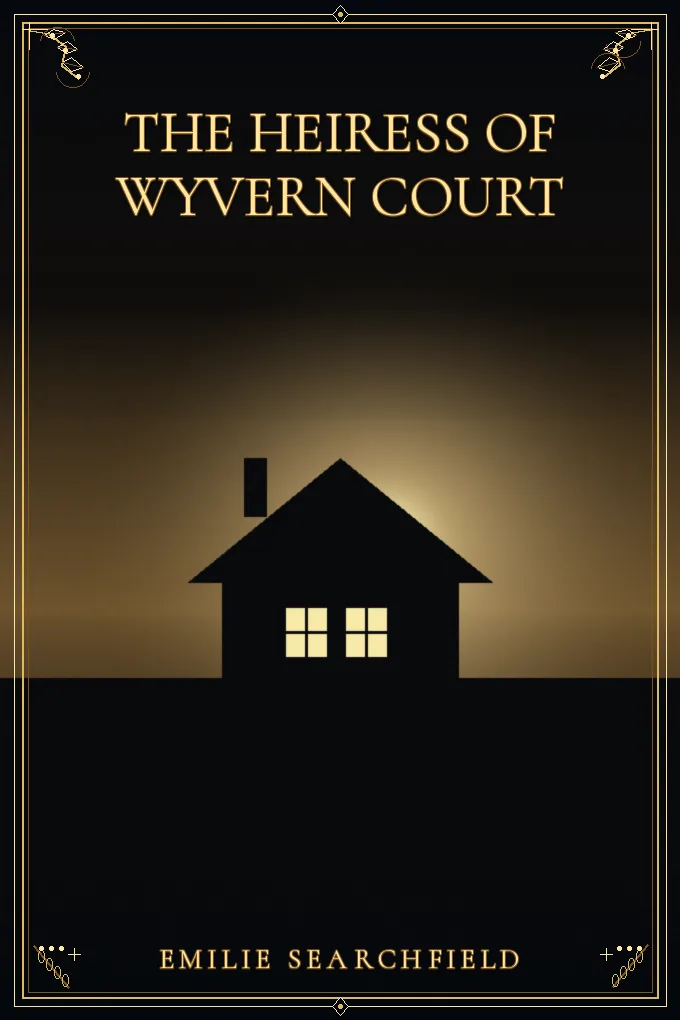
Cover illustration for The Heiress of Wyvern Court
Context Illustration Reading 1/22 · 5 lines
English subtitles · tap any word to listen 1 / 5
THE RESCUE--CLOUDY DAYS--GOOD NEWS AT LAST.
Like the wind sped Dick--it must be now or never.
The fear was upon him that _high_ tides, at any rate, did reach the ledge of safety where the girls were sheltering.
He fancied he had seen water-marks above that.
Then about Oscar: that was a terrible height to fall.
0:00 / 0:00
Speed 0.75x
AI-generated narration by OpenAI · Slow US English
LEARNER DICTIONARY
Archivist
/ˈɑːrkɪvɪst/
Editorial verification pending

A keeper or guardian of historical records and memories.

The Heiress of Wyvern Court

Chapter XI · Chapter 11

Chapter 11 of The Heiress of Wyvern Court is here in full — 114 sentences across 23 reading sections, with audio for every sentence and word.

Reading 1/22 · 5 reading units · Lines 1–5

Line 1
THE RESCUE--CLOUDY DAYS--GOOD NEWS AT LAST.
Line 2
Like the wind sped Dick--it must be now or never.
Line 3
The fear was upon him that _high_ tides, at any rate, did reach the ledge of safety where the girls were sheltering.
/ðə fɪr wɑːz əˈpɑːn hɪm ðæt haɪ taɪdz æt ˈeni reɪt dɪd riːtʃ ðə ledʒ ʌv ˈseɪfti wer ðə ɡɜːrlz wɜːr ˈʃeltərɪŋ/
Line 4
He fancied he had seen water-marks above that.
Line 5
Then about Oscar: that was a terrible height to fall.
/ðen əˈbaʊt ˈɔːskər ðæt wɑːz ə ˈterəbəl haɪt tuː fɔːl/

Learner Dictionary

These definitions explain words found in the current reading and keep every example grounded in its original sentence.

Oxford-style entry order: headword, part of speech, US IPA, concise definition, contextual example, and audio.

cloudy adjective US /ˈklaʊdi/

lacking definite form or limits

From this reading “THE RESCUE--CLOUDY DAYS--GOOD NEWS AT LAST.”

fancied adjective US /ˈfænsid/

formed or conceived by the imagination

From this reading “He fancied he had seen water-marks above that.”

ledge noun US /ledʒ/

a projecting ridge on a mountain or submerged under water

From this reading “The fear was upon him that _high_ tides, at any rate, did reach the ledge of safety where the girls were sheltering.”

Oscar noun US /ˈɔːskər/

an annual award by the Academy of Motion Picture Arts and Sciences for achievements in motion picture production and performance

From this reading “Then about Oscar: that was a terrible height to fall.”

rescue verb US /ˈreskjuː/

free from harm or evil

From this reading “THE RESCUE--CLOUDY DAYS--GOOD NEWS AT LAST.”

sheltering verb US /ˈʃeltərɪŋ/

-ing form of “shelter” — provide shelter for

From this reading “The fear was upon him that _high_ tides, at any rate, did reach the ledge of safety where the girls were sheltering.”

sped verb US /sped/

inflected form of “speed” — move hurridly

From this reading “Like the wind sped Dick--it must be now or never.”

tides noun US /taɪdz/

plural of “tide” — the periodic rise and fall of the sea level under the gravitational pull of the moon

From this reading “The fear was upon him that _high_ tides, at any rate, did reach the ledge of safety where the girls were sheltering.”

All words in this reading · 50

Every word in these five lines is listed here, and every one of them can be played on its own.

Dictionary details are shown only when verified; these are not licensed Oxford entries.

adeterminerUS /ə/

used before a singular noun to mean one of a group, when it is not a particular one

From this reading Then about Oscar: that was a terrible height to fall.

aboutprepositionUS /əˈbaʊt/

on the subject of; concerning

From this reading Then about Oscar: that was a terrible height to fall.

aboveprepositionUS /əˈbʌv/

higher than, or over, something

From this reading He fancied he had seen water-marks above that.

anyadjectiveUS /ˈeni/

one or some or every or all without specification

From this reading The fear was upon him that _high_ tides, at any rate, did reach the ledge of safety where the girls were sheltering.

ATprepositionUS /æt/

in or near a particular place or position

From this reading THE RESCUE--CLOUDY DAYS--GOOD NEWS AT LAST.

beauxiliary verbUS /biː/

used with a past participle to form the passive, or with -ing for continuous tenses

From this reading Like the wind sped Dick--it must be now or never.

CLOUDYadjectiveUS /ˈklaʊdi/

lacking definite form or limits

From this reading THE RESCUE--CLOUDY DAYS--GOOD NEWS AT LAST.

DAYSnounUS /deɪz/

the time during which someone's life continues

From this reading THE RESCUE--CLOUDY DAYS--GOOD NEWS AT LAST.

DicknounUS /dɪk/

someone who is a detective

From this reading Like the wind sped Dick--it must be now or never.

didauxiliary verbUS /dɪd/

the past form of “do”, used in questions and negatives

From this reading The fear was upon him that _high_ tides, at any rate, did reach the ledge of safety where the girls were sheltering.

fallverbUS /fɔːl/

descend in free fall under the influence of gravity

From this reading Then about Oscar: that was a terrible height to fall.

fanciedadjectiveUS /ˈfænsid/

formed or conceived by the imagination

From this reading He fancied he had seen water-marks above that.

fearverbUS /fɪr/

be afraid or feel anxious or apprehensive about a possible or probable situation or event

From this reading The fear was upon him that _high_ tides, at any rate, did reach the ledge of safety where the girls were sheltering.

girlsnounUS /ɡɜːrlz/

plural of “girl” — a young female

From this reading The fear was upon him that _high_ tides, at any rate, did reach the ledge of safety where the girls were sheltering.

GOODadjectiveUS /ɡʊd/

having desirable or positive qualities especially those suitable for a thing specified

From this reading THE RESCUE--CLOUDY DAYS--GOOD NEWS AT LAST.

hadauxiliary verbUS /hæd/

the past form of “have”, used to form the past perfect

From this reading He fancied he had seen water-marks above that.

HepronounUS /hiː/

a man, boy, or male animal already mentioned, as the subject

From this reading He fancied he had seen water-marks above that.

heightnounUS /haɪt/

the vertical dimension of extension; distance from the base of something to the top

From this reading Then about Oscar: that was a terrible height to fall.

highadjectiveUS /haɪ/

greater than normal in degree or intensity or amount

From this reading The fear was upon him that _high_ tides, at any rate, did reach the ledge of safety where the girls were sheltering.

himpronounUS /hɪm/

the male already mentioned, as the object of a verb or preposition

From this reading The fear was upon him that _high_ tides, at any rate, did reach the ledge of safety where the girls were sheltering.

itpronounUS /ɪt/

a thing, animal, or idea already mentioned

From this reading Like the wind sped Dick--it must be now or never.

LASTadjectiveUS /læst/

immediately past

From this reading THE RESCUE--CLOUDY DAYS--GOOD NEWS AT LAST.

ledgenounUS /ledʒ/

a projecting ridge on a mountain or submerged under water

From this reading The fear was upon him that _high_ tides, at any rate, did reach the ledge of safety where the girls were sheltering.

LikeverbUS /laɪk/

prefer or wish to do something

From this reading Like the wind sped Dick--it must be now or never.

mustmodal verbUS /mʌst/

used to say something is necessary, or almost certainly true

From this reading Like the wind sped Dick--it must be now or never.

neveradverbUS /ˈnevər/

not ever; at no time in the past or future

From this reading Like the wind sped Dick--it must be now or never.

NEWSnounUS /nuːz/

information about recent and important events

From this reading THE RESCUE--CLOUDY DAYS--GOOD NEWS AT LAST.

nowadverbUS /naʊ/

in the historical present; at this point in the narration of a series of past events

From this reading Like the wind sped Dick--it must be now or never.

ofprepositionUS /ʌv/

belonging to, or connected with, somebody or something

From this reading The fear was upon him that _high_ tides, at any rate, did reach the ledge of safety where the girls were sheltering.

orconjunctionUS /ɔːr/

used to join alternatives or possibilities

From this reading Like the wind sped Dick--it must be now or never.

OscarnounUS /ˈɔːskər/

an annual award by the Academy of Motion Picture Arts and Sciences for achievements in motion picture production and performance

From this reading Then about Oscar: that was a terrible height to fall.

ratenounUS /reɪt/

a magnitude or frequency relative to a time unit

From this reading The fear was upon him that _high_ tides, at any rate, did reach the ledge of safety where the girls were sheltering.

reachverbUS /riːtʃ/

reach a destination, either real or abstract

From this reading The fear was upon him that _high_ tides, at any rate, did reach the ledge of safety where the girls were sheltering.

RESCUEverbUS /ˈreskjuː/

free from harm or evil

From this reading THE RESCUE--CLOUDY DAYS--GOOD NEWS AT LAST.

safetynounUS /ˈseɪfti/

the state of being certain that adverse effects will not be caused by some agent under defined conditions

From this reading The fear was upon him that _high_ tides, at any rate, did reach the ledge of safety where the girls were sheltering.

seenverbUS /siːn/

inflected form of “see” — perceive by sight or have the power to perceive by sight

From this reading He fancied he had seen water-marks above that.

shelteringverbUS /ˈʃeltərɪŋ/

-ing form of “shelter” — provide shelter for

From this reading The fear was upon him that _high_ tides, at any rate, did reach the ledge of safety where the girls were sheltering.

spedverbUS /sped/

inflected form of “speed” — move hurridly

From this reading Like the wind sped Dick--it must be now or never.

terribleadjectiveUS /ˈterəbəl/

causing fear or dread or terror

From this reading Then about Oscar: that was a terrible height to fall.

thatconjunctionUS /ðæt/

used to introduce what somebody said, thought, or felt

From this reading The fear was upon him that _high_ tides, at any rate, did reach the ledge of safety where the girls were sheltering.

THEdeterminerUS /ðə/

used before a noun that is already known, already mentioned, or the only one of its kind

From this reading THE RESCUE--CLOUDY DAYS--GOOD NEWS AT LAST.

ThenadverbUS /ðen/

subsequently or soon afterward (often used as sentence connectors)

From this reading Then about Oscar: that was a terrible height to fall.

tidesnounUS /taɪdz/

plural of “tide” — the periodic rise and fall of the sea level under the gravitational pull of the moon

From this reading The fear was upon him that _high_ tides, at any rate, did reach the ledge of safety where the girls were sheltering.

toparticleUS /tuː/

used before the base form of a verb to make the infinitive

From this reading Then about Oscar: that was a terrible height to fall.

uponprepositionUS /əˈpɑːn/

a formal word for “on”

From this reading The fear was upon him that _high_ tides, at any rate, did reach the ledge of safety where the girls were sheltering.

wasauxiliary verbUS /wɑːz/

the past form of “be” used with I, he, she, it, or a singular noun

From this reading The fear was upon him that _high_ tides, at any rate, did reach the ledge of safety where the girls were sheltering.

water-marks

Dictionary entry pending editorial verification. Tap Listen to hear the word.

From this reading He fancied he had seen water-marks above that.

wereauxiliary verbUS /wɜːr/

the past form of “be” used with you, we, they, or a plural noun

From this reading The fear was upon him that _high_ tides, at any rate, did reach the ledge of safety where the girls were sheltering.

whereconjunctionUS /wer/

in or at the place that

From this reading The fear was upon him that _high_ tides, at any rate, did reach the ledge of safety where the girls were sheltering.

windnounUS /waɪnd/

air moving (sometimes with considerable force) from an area of high pressure to an area of low pressure

From this reading Like the wind sped Dick--it must be now or never.

Chapter 11 of The Heiress of Wyvern Court by Emilie Searchfield holds 114 sentences, grouped into 23 reading sections of at most 5 sentences. The text is the source edition, unabridged, and the chapter records which sentences cover which part of the work so that nothing is dropped. Every word can be tapped for its pronunciation and dictionary entry.

What does chapter 11 of The Heiress of Wyvern Court contain?

Chapter 11 holds 114 sentences of The Heiress of Wyvern Court, unabridged, divided into 23 reading sections.

This page carries chapter 11 of The Heiress of Wyvern Court by Emilie Searchfield exactly as it stands in the source edition, without abridgement. It runs to 114 sentences, grouped into 23 sections of at most 5 sentences so that a reader can take the chapter in steady, finishable pieces. The chapter also stores a coverage record mapping every one of its sentences to a part of the work, which is how the edition demonstrates that no line was dropped.

How do I study chapter 11 of The Heiress of Wyvern Court?

Work through the 23 sections in order, replaying any sentence and tapping unfamiliar words for their entries.

Each of the 23 sections in this chapter is short enough to read once, hear once, and then re-read with the vocabulary in view. Tapping a word plays it alone and opens its dictionary entry with IPA, part of speech and meaning, so the reader is never forced to guess a pronunciation from spelling. Working section by section keeps a long chapter from becoming an undifferentiated wall of text, which is the usual reason a reader abandons a work of this period.

Can chapter 11 be read aloud to me?

Yes — every sentence and every individual word in chapter 11 can be played aloud in United States English.

Audio covers the whole chapter: any sentence can be played, and any single word within it can be played on its own. The voice uses United States English. For a work of this period that matters, because spelling is an unreliable guide to pronunciation for vocabulary that has fallen out of daily use, and a learner who guesses wrong tends to keep the error. Hearing the word in its own sentence, and then alone, settles it.

Questions about reading The Heiress of Wyvern Court

Common questions about reading The Heiress of Wyvern Court by Emilie Searchfield on this page, its source edition and its audio.

Is this the complete text of The Heiress of Wyvern Court?

Yes. All 1438 sentences of Project Gutenberg eBook #22398 are kept, with a record of which sentences cover which part.

Which edition of The Heiress of Wyvern Court is used?

Project Gutenberg eBook #22398, unabridged. The Project Gutenberg header, footer and licence are removed.

How long does The Heiress of Wyvern Court take to read?

About 119 minutes of reading across 288 sections of 5 sentences each, at an unhurried pace.

How to read The Heiress of Wyvern Court section by section

How to work through The Heiress of Wyvern Court section by section, using the audio and the tap-to-define vocabulary.

  1. Open a chapter

    Choose one of the 12 chapters of The Heiress of Wyvern Court to begin.

  2. Read one section

    Each section holds 5 sentences; read it once through.

  3. Listen and tap

    Play the section aloud, then tap any unfamiliar word for its entry.

Vocabulary met early in The Heiress of Wyvern Court

Words and structures a reader meets early in The Heiress of Wyvern Court, each tappable for pronunciation and meaning.

Railway
A word that appears in the opening chapter of The Heiress of Wyvern Court; the reader can tap it to hear it and see its dictionary entry.
Carriage--new
A word that appears in the opening chapter of The Heiress of Wyvern Court; the reader can tap it to hear it and see its dictionary entry.
Friends
A word that appears in the opening chapter of The Heiress of Wyvern Court; the reader can tap it to hear it and see its dictionary entry.
Little
A word that appears in the opening chapter of The Heiress of Wyvern Court; the reader can tap it to hear it and see its dictionary entry.