Complete classic literature • Five-line readings • Clear US narration
VELMORA ACADEMY
Academy of Archival Languages & Memory Studies
Menu Close
The Henchman
The Henchman

Chapter XX · Chapter 20

Chapter 20 of The Henchman is here in full — 117 sentences across 24 reading sections, with audio for every sentence and word.

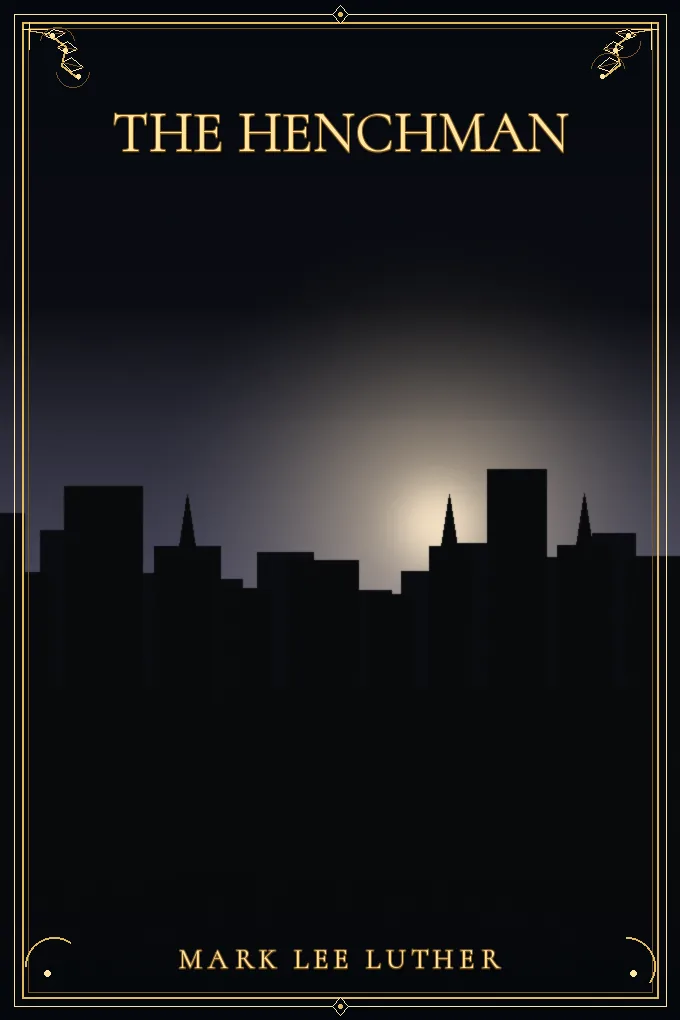
Cover illustration for The Henchman
Context Illustration Reading 1/23 · 5 lines
English subtitles · tap any word to listen 1 / 5
"You had better walk to the hotel," Shelby suggested.
With the darkening of the theatre for the second act he had piloted his companion to the street.
"It's but a little way."
It proved a great way as he contrived it.
Striking across town to one of the quieter avenues they paced block after block in the teeth of a wind which smacked of salt.
0:00 / 0:00
Speed 0.75x
AI-generated narration by OpenAI · Slow US English
LEARNER DICTIONARY
Archivist
/ˈɑːrkɪvɪst/
Editorial verification pending

A keeper or guardian of historical records and memories.

The Henchman

Chapter XX · Chapter 20

Chapter 20 of The Henchman is here in full — 117 sentences across 24 reading sections, with audio for every sentence and word.

Reading 1/23 · 5 reading units · Lines 1–5

Line 1
"You had better walk to the hotel," Shelby suggested.
Line 2
With the darkening of the theatre for the second act he had piloted his companion to the street.
/wɪð ðə ˈdɑːrkənɪŋ ʌv ðə ˈθiːətər fɔːr ðə ˈsekənd ækt hiː hæd ˈpaɪlətɪd hɪz kəmˈpænjən tuː ðə striːt/
Line 3
"It's but a little way."
Line 4
It proved a great way as he contrived it.
/ɪt pruːvd ə ɡreɪt weɪ æz hiː kənˈtraɪvd ɪt/
Line 5
Striking across town to one of the quieter avenues they paced block after block in the teeth of a wind which smacked of salt.
/ˈstraɪkɪŋ əˈkrɔːs taʊn tuː wʌn ʌv ðə ˈkwaɪətər ˈævənuːz ðeɪ peɪst blɑːk ˈæftər blɑːk ɪn ðə tiːθ ʌv ə waɪnd wɪtʃ smækt ʌv sɔːlt/

Learner Dictionary

These definitions explain words found in the current reading and keep every example grounded in its original sentence.

Oxford-style entry order: headword, part of speech, US IPA, concise definition, contextual example, and audio.

avenues noun US /ˈævənuːz/

plural of “avenue” — a line of approach

From this reading “Striking across town to one of the quieter avenues they paced block after block in the teeth of a wind which smacked of salt.”

block noun US /blɑːk/

a solid piece of something (usually having flat rectangular sides)

From this reading “Striking across town to one of the quieter avenues they paced block after block in the teeth of a wind which smacked of salt.”

contrived adjective US /kənˈtraɪvd/

showing effects of planning or manipulation

From this reading “It proved a great way as he contrived it.”

darkening adjective US /ˈdɑːrkənɪŋ/

becoming dark or darker as from waning light or clouding over

From this reading “With the darkening of the theatre for the second act he had piloted his companion to the street.”

paced verb US /peɪst/

past form of “pace” — walk with slow or fast paces

From this reading “Striking across town to one of the quieter avenues they paced block after block in the teeth of a wind which smacked of salt.”

piloted verb US /ˈpaɪlətɪd/

past form of “pilot” — operate an airplane

From this reading “With the darkening of the theatre for the second act he had piloted his companion to the street.”

quieter adjective US /ˈkwaɪətər/

comparative of “quiet” — characterized by an absence or near absence of agitation or activity

From this reading “Striking across town to one of the quieter avenues they paced block after block in the teeth of a wind which smacked of salt.”

smacked verb US /smækt/

past form of “smack” — deliver a hard blow to

From this reading “Striking across town to one of the quieter avenues they paced block after block in the teeth of a wind which smacked of salt.”

All words in this reading · 47

Every word in these five lines is listed here, and every one of them can be played on its own.

Dictionary details are shown only when verified; these are not licensed Oxford entries.

adeterminerUS /ə/

used before a singular noun to mean one of a group, when it is not a particular one

From this reading "It's but a little way."

acrossprepositionUS /əˈkrɔːs/

from one side of something to the other

From this reading Striking across town to one of the quieter avenues they paced block after block in the teeth of a wind which smacked of salt.

actverbUS /ækt/

perform an action, or work out or perform (an action)

From this reading With the darkening of the theatre for the second act he had piloted his companion to the street.

afterprepositionUS /ˈæftər/

later than; following

From this reading Striking across town to one of the quieter avenues they paced block after block in the teeth of a wind which smacked of salt.

asconjunctionUS /æz/

at the same time that; because; in the way that

From this reading It proved a great way as he contrived it.

avenuesnounUS /ˈævənuːz/

plural of “avenue” — a line of approach

From this reading Striking across town to one of the quieter avenues they paced block after block in the teeth of a wind which smacked of salt.

betteradjectiveUS /ˈbetər/

(comparative of “good”) superior to another (of the same class or set or kind) in excellence or quality or desirability or suitability; more highly skilled than another

From this reading "You had better walk to the hotel," Shelby suggested.

blocknounUS /blɑːk/

a solid piece of something (usually having flat rectangular sides)

From this reading Striking across town to one of the quieter avenues they paced block after block in the teeth of a wind which smacked of salt.

butconjunctionUS /bʌt/

used to introduce something that contrasts with what came before

From this reading "It's but a little way."

companionnounUS /kəmˈpænjən/

a friend who is frequently in the company of another

From this reading With the darkening of the theatre for the second act he had piloted his companion to the street.

contrivedadjectiveUS /kənˈtraɪvd/

showing effects of planning or manipulation

From this reading It proved a great way as he contrived it.

darkeningadjectiveUS /ˈdɑːrkənɪŋ/

becoming dark or darker as from waning light or clouding over

From this reading With the darkening of the theatre for the second act he had piloted his companion to the street.

forprepositionUS /fɔːr/

intended to be given to, or used by, somebody

From this reading With the darkening of the theatre for the second act he had piloted his companion to the street.

greatadjectiveUS /ɡreɪt/

relatively large in size or number or extent; larger than others of its kind

From this reading It proved a great way as he contrived it.

hadauxiliary verbUS /hæd/

the past form of “have”, used to form the past perfect

From this reading "You had better walk to the hotel," Shelby suggested.

hepronounUS /hiː/

a man, boy, or male animal already mentioned, as the subject

From this reading With the darkening of the theatre for the second act he had piloted his companion to the street.

hisdeterminerUS /hɪz/

belonging to a man, boy, or male animal already mentioned

From this reading With the darkening of the theatre for the second act he had piloted his companion to the street.

hotelnounUS /hoʊˈtel/

a building where travelers can pay for lodging and meals and other services

From this reading "You had better walk to the hotel," Shelby suggested.

inprepositionUS /ɪn/

inside something, or within a place, period, or state

From this reading Striking across town to one of the quieter avenues they paced block after block in the teeth of a wind which smacked of salt.

ItpronounUS /ɪt/

a thing, animal, or idea already mentioned

From this reading It proved a great way as he contrived it.

It's

Dictionary entry pending editorial verification. Tap Listen to hear the word.

From this reading "It's but a little way."

littleadjectiveUS /ˈlɪtəl/

limited or below average in number or quantity or magnitude or extent

From this reading "It's but a little way."

ofprepositionUS /ʌv/

belonging to, or connected with, somebody or something

From this reading With the darkening of the theatre for the second act he had piloted his companion to the street.

onepronounUS /wʌn/

used to mean any person in general, including the speaker

From this reading Striking across town to one of the quieter avenues they paced block after block in the teeth of a wind which smacked of salt.

pacedverbUS /peɪst/

past form of “pace” — walk with slow or fast paces

From this reading Striking across town to one of the quieter avenues they paced block after block in the teeth of a wind which smacked of salt.

pilotedverbUS /ˈpaɪlətɪd/

past form of “pilot” — operate an airplane

From this reading With the darkening of the theatre for the second act he had piloted his companion to the street.

provedadjectiveUS /pruːvd/

established beyond doubt

From this reading It proved a great way as he contrived it.

quieteradjectiveUS /ˈkwaɪətər/

comparative of “quiet” — characterized by an absence or near absence of agitation or activity

From this reading Striking across town to one of the quieter avenues they paced block after block in the teeth of a wind which smacked of salt.

saltnounUS /sɔːlt/

a compound formed by replacing hydrogen in an acid by a metal (or a radical that acts like a metal)

From this reading Striking across town to one of the quieter avenues they paced block after block in the teeth of a wind which smacked of salt.

secondnounUS /ˈsekənd/

1/60 of a minute; the basic unit of time adopted under the Systeme International d'Unites

From this reading With the darkening of the theatre for the second act he had piloted his companion to the street.

Shelby

Dictionary entry pending editorial verification. Tap Listen to hear the word.

From this reading "You had better walk to the hotel," Shelby suggested.

smackedverbUS /smækt/

past form of “smack” — deliver a hard blow to

From this reading Striking across town to one of the quieter avenues they paced block after block in the teeth of a wind which smacked of salt.

streetnounUS /striːt/

a thoroughfare (usually including sidewalks) that is lined with buildings

From this reading With the darkening of the theatre for the second act he had piloted his companion to the street.

StrikingadjectiveUS /ˈstraɪkɪŋ/

sensational in appearance or thrilling in effect

From this reading Striking across town to one of the quieter avenues they paced block after block in the teeth of a wind which smacked of salt.

suggestedverbUS /səˈdʒestɪd/

past form of “suggest” — make a proposal, declare a plan for something

From this reading "You had better walk to the hotel," Shelby suggested.

teethnounUS /tiːθ/

the kind and number and arrangement of teeth (collectively) in a person or animal

From this reading Striking across town to one of the quieter avenues they paced block after block in the teeth of a wind which smacked of salt.

thedeterminerUS /ðə/

used before a noun that is already known, already mentioned, or the only one of its kind

From this reading "You had better walk to the hotel," Shelby suggested.

theatrenounUS /ˈθiːətər/

a building where theatrical performances or motion-picture shows can be presented

From this reading With the darkening of the theatre for the second act he had piloted his companion to the street.

theypronounUS /ðeɪ/

the people, animals, or things already mentioned, as the subject

From this reading Striking across town to one of the quieter avenues they paced block after block in the teeth of a wind which smacked of salt.

toparticleUS /tuː/

used before the base form of a verb to make the infinitive

From this reading "You had better walk to the hotel," Shelby suggested.

townnounUS /taʊn/

an urban area with a fixed boundary that is smaller than a city

From this reading Striking across town to one of the quieter avenues they paced block after block in the teeth of a wind which smacked of salt.

walknounUS /wɔːk/

the act of traveling by foot

From this reading "You had better walk to the hotel," Shelby suggested.

waynounUS /weɪ/

how something is done or how it happens

From this reading "It's but a little way."

whichpronounUS /wɪtʃ/

used to introduce a clause giving more about a thing just mentioned

From this reading Striking across town to one of the quieter avenues they paced block after block in the teeth of a wind which smacked of salt.

windnounUS /waɪnd/

air moving (sometimes with considerable force) from an area of high pressure to an area of low pressure

From this reading Striking across town to one of the quieter avenues they paced block after block in the teeth of a wind which smacked of salt.

WithprepositionUS /wɪð/

in the company of; together with

From this reading With the darkening of the theatre for the second act he had piloted his companion to the street.

YoupronounUS /juː/

the person or people being spoken to

From this reading "You had better walk to the hotel," Shelby suggested.

Chapter 20 of The Henchman by Mark Lee Luther holds 117 sentences, grouped into 24 reading sections of at most 5 sentences. The text is the source edition, unabridged, and the chapter records which sentences cover which part of the work so that nothing is dropped. Every word can be tapped for its pronunciation and dictionary entry.

What does chapter 20 of The Henchman contain?

Chapter 20 holds 117 sentences of The Henchman, unabridged, divided into 24 reading sections.

This page carries chapter 20 of The Henchman by Mark Lee Luther exactly as it stands in the source edition, without abridgement. It runs to 117 sentences, grouped into 24 sections of at most 5 sentences so that a reader can take the chapter in steady, finishable pieces. The chapter also stores a coverage record mapping every one of its sentences to a part of the work, which is how the edition demonstrates that no line was dropped.

How do I study chapter 20 of The Henchman?

Work through the 24 sections in order, replaying any sentence and tapping unfamiliar words for their entries.

Each of the 24 sections in this chapter is short enough to read once, hear once, and then re-read with the vocabulary in view. Tapping a word plays it alone and opens its dictionary entry with IPA, part of speech and meaning, so the reader is never forced to guess a pronunciation from spelling. Working section by section keeps a long chapter from becoming an undifferentiated wall of text, which is the usual reason a reader abandons a work of this period.

Can chapter 20 be read aloud to me?

Yes — every sentence and every individual word in chapter 20 can be played aloud in United States English.

Audio covers the whole chapter: any sentence can be played, and any single word within it can be played on its own. The voice uses United States English. For a work of this period that matters, because spelling is an unreliable guide to pronunciation for vocabulary that has fallen out of daily use, and a learner who guesses wrong tends to keep the error. Hearing the word in its own sentence, and then alone, settles it.

Questions about reading The Henchman

Common questions about reading The Henchman by Mark Lee Luther on this page, its source edition and its audio.

Is this the complete text of The Henchman?

Yes. All 4440 sentences of Project Gutenberg eBook #19148 are kept, with a record of which sentences cover which part.

Which edition of The Henchman is used?

Project Gutenberg eBook #19148, unabridged. The Project Gutenberg header, footer and licence are removed.

How long does The Henchman take to read?

About 370 minutes of reading across 888 sections of 5 sentences each, at an unhurried pace.

How to read The Henchman section by section

How to work through The Henchman section by section, using the audio and the tap-to-define vocabulary.

  1. Open a chapter

    Choose one of the 33 chapters of The Henchman to begin.

  2. Read one section

    Each section holds 5 sentences; read it once through.

  3. Listen and tap

    Play the section aloud, then tap any unfamiliar word for its entry.

Vocabulary met early in The Henchman

Words and structures a reader meets early in The Henchman, each tappable for pronunciation and meaning.

Custom
A word that appears in the opening chapter of The Henchman; the reader can tap it to hear it and see its dictionary entry.
Geographers
A word that appears in the opening chapter of The Henchman; the reader can tap it to hear it and see its dictionary entry.
Period
A word that appears in the opening chapter of The Henchman; the reader can tap it to hear it and see its dictionary entry.
Remote
A word that appears in the opening chapter of The Henchman; the reader can tap it to hear it and see its dictionary entry.