used before a singular noun to mean one of a group, when it is not a particular one
From this reading It was unevenly printed on a rather rough paper, so that many words were hard to read, even to the naked eye.
accentnounUS /əkˈsent/
distinctive manner of oral expression
From this reading Several of the characters in the book spoke in their own dialect or with a heavy foreign accent, so that many of the words in the book were not words in the English language.
(quantifier) used with either mass or count nouns to indicate the whole number or amount of or every one of a class
From this reading And if that were not all the copy used was somewhat spotted.
used to join words or parts of a sentence that go together
From this reading And if that were not all the copy used was somewhat spotted.
being of the achromatic color of maximum darkness; having little or no hue owing to absorption of almost all incident light
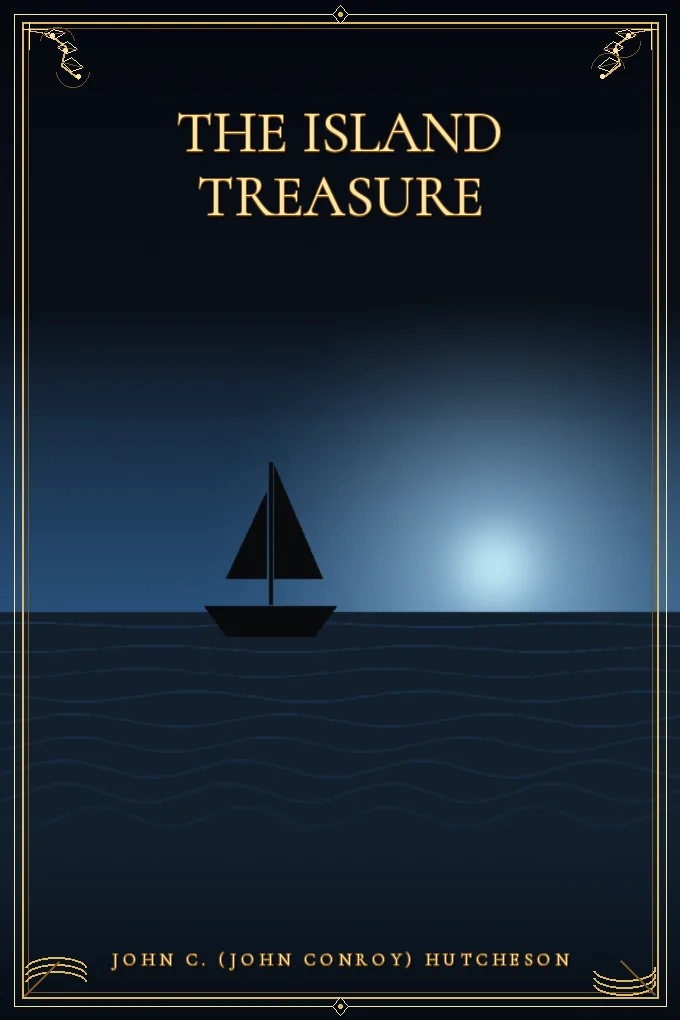
From this reading The Island Treasure, or The Black Man's Ghost, by John Conroy Hutcheson.
a written work or composition that has been published (printed on pages bound together)
From this reading ________________________________________________________________________ Starting with excuses, this book was rather hard to transcribe to digital format.
showing who or what does the action
From this reading The Island Treasure, or The Black Man's Ghost, by John Conroy Hutcheson.
plural of “character” — an imaginary person represented in a work of fiction (play or film or story)
From this reading Several of the characters in the book spoke in their own dialect or with a heavy foreign accent, so that many of the words in the book were not words in the English language.
Conroy
Dictionary entry pending editorial verification. Tap Listen to hear the word.
From this reading The Island Treasure, or The Black Man's Ghost, by John Conroy Hutcheson.
a reproduction of a written record (e.g. of a legal or school record)
From this reading And if that were not all the copy used was somewhat spotted.
dialectnounUS /ˈdaɪəlekt/
the usage or vocabulary that is characteristic of a specific group of people
From this reading Several of the characters in the book spoke in their own dialect or with a heavy foreign accent, so that many of the words in the book were not words in the English language.
digitaladjectiveUS /ˈdɪdʒətəl/
displaying numbers rather than scale positions
From this reading ________________________________________________________________________ Starting with excuses, this book was rather hard to transcribe to digital format.
an Indo-European language belonging to the West Germanic branch; the official language of Britain and the United States and most of the commonwealth countries
From this reading Several of the characters in the book spoke in their own dialect or with a heavy foreign accent, so that many of the words in the book were not words in the English language.
divisible by two
From this reading It was unevenly printed on a rather rough paper, so that many words were hard to read, even to the naked eye.
excusesnounUS /ɪksˈkjuːsɪz/
plural of “excuse” — a defense of some offensive behavior or some failure to keep a promise etc.
From this reading ________________________________________________________________________ Starting with excuses, this book was rather hard to transcribe to digital format.
the organ of sight
From this reading It was unevenly printed on a rather rough paper, so that many words were hard to read, even to the naked eye.
of concern to or concerning the affairs of other nations (other than your own)
From this reading Several of the characters in the book spoke in their own dialect or with a heavy foreign accent, so that many of the words in the book were not words in the English language.
formatverbUS /ˈfɔːrmæt/
set (printed matter) into a specific format
From this reading ________________________________________________________________________ Starting with excuses, this book was rather hard to transcribe to digital format.
a mental representation of some haunting experience
From this reading The Island Treasure, or The Black Man's Ghost, by John Conroy Hutcheson.
not easy; requiring great physical or mental effort to accomplish or comprehend or endure
From this reading ________________________________________________________________________ Starting with excuses, this book was rather hard to transcribe to digital format.
of comparatively great physical weight or density
From this reading Several of the characters in the book spoke in their own dialect or with a heavy foreign accent, so that many of the words in the book were not words in the English language.
Hutcheson
Dictionary entry pending editorial verification. Tap Listen to hear the word.
From this reading The Island Treasure, or The Black Man's Ghost, by John Conroy Hutcheson.
on condition that; in the event that
From this reading And if that were not all the copy used was somewhat spotted.
inside something, or within a place, period, or state
From this reading Several of the characters in the book spoke in their own dialect or with a heavy foreign accent, so that many of the words in the book were not words in the English language.
a land mass (smaller than a continent) that is surrounded by water
From this reading The Island Treasure, or The Black Man's Ghost, by John Conroy Hutcheson.
a thing, animal, or idea already mentioned
From this reading It was unevenly printed on a rather rough paper, so that many words were hard to read, even to the naked eye.
a room or building equipped with one or more toilets
From this reading The Island Treasure, or The Black Man's Ghost, by John Conroy Hutcheson.
a systematic means of communicating by the use of sounds or conventional symbols
From this reading Several of the characters in the book spoke in their own dialect or with a heavy foreign accent, so that many of the words in the book were not words in the English language.
Man'snounUS /mænz/
possessive form of “man” — an adult person who is male (as opposed to a woman)
From this reading The Island Treasure, or The Black Man's Ghost, by John Conroy Hutcheson.
a quantifier that can be used with count nouns and is often preceded by “as” or “too” or “so” or “that”; amounting to a large but indefinite number
From this reading It was unevenly printed on a rather rough paper, so that many words were hard to read, even to the naked eye.
nakedadjectiveUS /ˈneɪkəd/
completely unclothed
From this reading It was unevenly printed on a rather rough paper, so that many words were hard to read, even to the naked eye.
used to make a word, phrase, or sentence negative
From this reading Several of the characters in the book spoke in their own dialect or with a heavy foreign accent, so that many of the words in the book were not words in the English language.
belonging to, or connected with, somebody or something
From this reading Several of the characters in the book spoke in their own dialect or with a heavy foreign accent, so that many of the words in the book were not words in the English language.
touching and supported by a surface
From this reading It was unevenly printed on a rather rough paper, so that many words were hard to read, even to the naked eye.
used to join alternatives or possibilities
From this reading The Island Treasure, or The Black Man's Ghost, by John Conroy Hutcheson.
have ownership or possession of
From this reading Several of the characters in the book spoke in their own dialect or with a heavy foreign accent, so that many of the words in the book were not words in the English language.
a material made of cellulose pulp derived mainly from wood or rags or certain grasses
From this reading It was unevenly printed on a rather rough paper, so that many words were hard to read, even to the naked eye.
printedverbUS /ˈprɪntɪd/
past form of “print” — put into print
From this reading It was unevenly printed on a rather rough paper, so that many words were hard to read, even to the naked eye.
on the contrary
From this reading ________________________________________________________________________ Starting with excuses, this book was rather hard to transcribe to digital format.
interpret something that is written or printed
From this reading It was unevenly printed on a rather rough paper, so that many words were hard to read, even to the naked eye.
having or caused by an irregular surface
From this reading It was unevenly printed on a rather rough paper, so that many words were hard to read, even to the naked eye.
(used with count nouns) of an indefinite number more than 2 or 3 but not many
From this reading Several of the characters in the book spoke in their own dialect or with a heavy foreign accent, so that many of the words in the book were not words in the English language.
for that reason; with the result that
From this reading It was unevenly printed on a rather rough paper, so that many words were hard to read, even to the naked eye.
to a small degree or extent
From this reading And if that were not all the copy used was somewhat spotted.
support consisting of a radial member of a wheel joining the hub to the rim
From this reading Several of the characters in the book spoke in their own dialect or with a heavy foreign accent, so that many of the words in the book were not words in the English language.
spottedadjectiveUS /ˈspɑːtɪd/
having spots or patches (small areas of contrasting color or texture)
From this reading And if that were not all the copy used was somewhat spotted.
(especially of eyes) bulging or protruding as with fear
From this reading ________________________________________________________________________ Starting with excuses, this book was rather hard to transcribe to digital format.
used to introduce what somebody said, thought, or felt
From this reading It was unevenly printed on a rather rough paper, so that many words were hard to read, even to the naked eye.
used before a noun that is already known, already mentioned, or the only one of its kind
From this reading The Island Treasure, or The Black Man's Ghost, by John Conroy Hutcheson.
belonging to the people or things already mentioned
From this reading Several of the characters in the book spoke in their own dialect or with a heavy foreign accent, so that many of the words in the book were not words in the English language.
used for a person or thing that is near, or that has just been mentioned
From this reading ________________________________________________________________________ Starting with excuses, this book was rather hard to transcribe to digital format.
used before the base form of a verb to make the infinitive
From this reading ________________________________________________________________________ Starting with excuses, this book was rather hard to transcribe to digital format.
transcribeverbUS /trænˈskraɪb/
write out from speech, notes, etc.
From this reading ________________________________________________________________________ Starting with excuses, this book was rather hard to transcribe to digital format.
accumulated wealth in the form of money or jewels etc.
From this reading The Island Treasure, or The Black Man's Ghost, by John Conroy Hutcheson.
unevenlyadverbUS /əˈniːvənli/
in an uneven and irregular way
From this reading It was unevenly printed on a rather rough paper, so that many words were hard to read, even to the naked eye.
employed in accomplishing something
From this reading And if that were not all the copy used was somewhat spotted.
wasauxiliary verbUS /wɑːz/
the past form of “be” used with I, he, she, it, or a singular noun
From this reading ________________________________________________________________________ Starting with excuses, this book was rather hard to transcribe to digital format.
wereauxiliary verbUS /wɜːr/
the past form of “be” used with you, we, they, or a plural noun
From this reading It was unevenly printed on a rather rough paper, so that many words were hard to read, even to the naked eye.
in the company of; together with
From this reading ________________________________________________________________________ Starting with excuses, this book was rather hard to transcribe to digital format.
the words that are spoken
From this reading It was unevenly printed on a rather rough paper, so that many words were hard to read, even to the naked eye.