Learn English through classic literature • Five-line readings • Clear US narration
VELMORA ACADEMY
Academy of Archival Languages & Memory Studies
Menu Close
The Junior Classics — Volume 1, Fairy and wonder tales

Chapter XXIV · Chapter 24

Chapter 24 of The Junior Classics — Volume 1, Fairy and wonder tales is here in full — 149 sentences across 30 reading sections, with audio for every sentence and word.

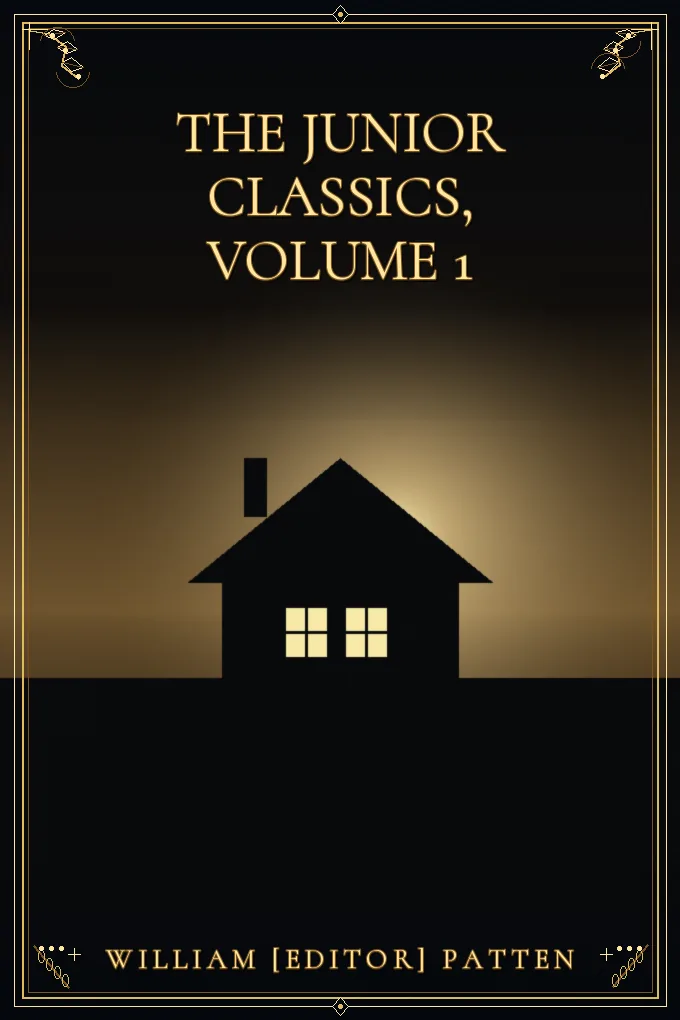
Cover illustration for The Junior Classics — Volume 1, Fairy and wonder tales
Context Illustration Reading 1/29 · 5 lines
English subtitles · tap any word to listen 1 / 5
I think I will go out into the wide world,” said the Duckling.
Yes, do go,” replied the Hen.
And so the Duckling went away.
It swam on the water, and dived, but it was slighted by every creature because of its ugliness.
Now came the autumn.
0:00 / 0:00
Speed 0.75x
AI-generated narration by OpenAI · Slow US English
LEARNER DICTIONARY
Archivist
/ˈɑːrkɪvɪst/
Editorial verification pending

A keeper or guardian of historical records and memories.

The Junior Classics — Volume 1, Fairy and wonder tales

Chapter XXIV · Chapter 24

Chapter 24 of The Junior Classics — Volume 1, Fairy and wonder tales is here in full — 149 sentences across 30 reading sections, with audio for every sentence and word.

Reading 1/29 · 5 reading units · Lines 1–5

Line 1
I think I will go out into the wide world,” said the Duckling.
/aɪ θɪŋk aɪ wɪl ɡoʊ aʊt ˈɪntuː ðə waɪd wɜːrld sed ðə ˈdʌklɪŋ/
Line 2
Yes, do go,” replied the Hen.
/jes duː ɡoʊ rɪˈplaɪd ðə hen/
Line 3
And so the Duckling went away.
/ənd soʊ ðə ˈdʌklɪŋ went əˈweɪ/
Line 4
It swam on the water, and dived, but it was slighted by every creature because of its ugliness.
/ɪt swæm ɑːn ðə ˈwɔːtər ənd daɪvd bʌt ɪt wɑːz ˈslaɪtɪd baɪ ˈevəri ˈkriːtʃər bɪˈkɔːz ʌv ɪts ˈʌɡlinəs/
Line 5
Now came the autumn.
/naʊ keɪm ðə ˈɔːtəm/

Learner Dictionary

These definitions explain words found in the current reading and keep every example grounded in its original sentence.

Oxford-style entry order: headword, part of speech, US IPA, concise definition, contextual example, and audio.

autumn noun US /ˈɔːtəm/

the season when the leaves fall from the trees

From this reading “Now came the autumn.”

creature noun US /ˈkriːtʃər/

a living organism characterized by voluntary movement

From this reading “It swam on the water, and dived, but it was slighted by every creature because of its ugliness.”

dived verb US /daɪvd/

past form of “dive” — drop steeply

From this reading “It swam on the water, and dived, but it was slighted by every creature because of its ugliness.”

Duckling noun US /ˈdʌklɪŋ/

flesh of a young domestic duck

From this reading ““I think I will go out into the wide world,” said the Duckling.”

Hen noun US /hen/

adult female chicken

From this reading ““Yes, do go,” replied the Hen.”

slighted verb US /ˈslaɪtɪd/

past form of “slight” — pay no attention to, disrespect

From this reading “It swam on the water, and dived, but it was slighted by every creature because of its ugliness.”

swam verb US /swæm/

inflected form of “swim” — travel through water

From this reading “It swam on the water, and dived, but it was slighted by every creature because of its ugliness.”

ugliness noun US /ˈʌɡlinəs/

qualities of appearance that do not give pleasure to the senses

From this reading “It swam on the water, and dived, but it was slighted by every creature because of its ugliness.”

All words in this reading · 37

Every word in these five lines is listed here, and every one of them can be played on its own.

Dictionary details are shown only when verified; these are not licensed Oxford entries.

AndconjunctionUS /ənd/

used to join words or parts of a sentence that go together

From this reading And so the Duckling went away.

autumnnounUS /ˈɔːtəm/

the season when the leaves fall from the trees

From this reading Now came the autumn.

awayadverbUS /əˈweɪ/

from a particular thing or place or position (“forth” is obsolete)

From this reading And so the Duckling went away.

becauseconjunctionUS /bɪˈkɔːz/

for the reason that

From this reading It swam on the water, and dived, but it was slighted by every creature because of its ugliness.

butconjunctionUS /bʌt/

used to introduce something that contrasts with what came before

From this reading It swam on the water, and dived, but it was slighted by every creature because of its ugliness.

byprepositionUS /baɪ/

showing who or what does the action

From this reading It swam on the water, and dived, but it was slighted by every creature because of its ugliness.

cameverbUS /keɪm/

inflected form of “come” — move toward, travel toward something or somebody or approach something or somebody

From this reading Now came the autumn.

creaturenounUS /ˈkriːtʃər/

a living organism characterized by voluntary movement

From this reading It swam on the water, and dived, but it was slighted by every creature because of its ugliness.

divedverbUS /daɪvd/

past form of “dive” — drop steeply

From this reading It swam on the water, and dived, but it was slighted by every creature because of its ugliness.

doauxiliary verbUS /duː/

used to form questions and negatives, and to give emphasis

From this reading “Yes, do go,” replied the Hen.

DucklingnounUS /ˈdʌklɪŋ/

flesh of a young domestic duck

From this reading “I think I will go out into the wide world,” said the Duckling.

everydeterminerUS /ˈevəri/

all the members of a group, with none left out

From this reading It swam on the water, and dived, but it was slighted by every creature because of its ugliness.

goverbUS /ɡoʊ/

change location; move, travel, or proceed, also metaphorically

From this reading “I think I will go out into the wide world,” said the Duckling.

HennounUS /hen/

adult female chicken

From this reading “Yes, do go,” replied the Hen.

IpronounUS /aɪ/

the person speaking or writing, as the subject of the verb

From this reading “I think I will go out into the wide world,” said the Duckling.

intoprepositionUS /ˈɪntuː/

moving to the inside of something

From this reading “I think I will go out into the wide world,” said the Duckling.

ItpronounUS /ɪt/

a thing, animal, or idea already mentioned

From this reading It swam on the water, and dived, but it was slighted by every creature because of its ugliness.

itsdeterminerUS /ɪts/

belonging to the thing or animal already mentioned

From this reading It swam on the water, and dived, but it was slighted by every creature because of its ugliness.

NowadverbUS /naʊ/

in the historical present; at this point in the narration of a series of past events

From this reading Now came the autumn.

ofprepositionUS /ʌv/

belonging to, or connected with, somebody or something

From this reading It swam on the water, and dived, but it was slighted by every creature because of its ugliness.

onprepositionUS /ɑːn/

touching and supported by a surface

From this reading It swam on the water, and dived, but it was slighted by every creature because of its ugliness.

outadjectiveUS /aʊt/

not allowed to continue to bat or run

From this reading “I think I will go out into the wide world,” said the Duckling.

repliedverbUS /rɪˈplaɪd/

inflected form of “reply” — react verbally

From this reading “Yes, do go,” replied the Hen.

saidadjectiveUS /sed/

being the one previously mentioned or spoken of

From this reading “I think I will go out into the wide world,” said the Duckling.

slightedverbUS /ˈslaɪtɪd/

past form of “slight” — pay no attention to, disrespect

From this reading It swam on the water, and dived, but it was slighted by every creature because of its ugliness.

soconjunctionUS /soʊ/

for that reason; with the result that

From this reading And so the Duckling went away.

swamverbUS /swæm/

inflected form of “swim” — travel through water

From this reading It swam on the water, and dived, but it was slighted by every creature because of its ugliness.

thedeterminerUS /ðə/

used before a noun that is already known, already mentioned, or the only one of its kind

From this reading “I think I will go out into the wide world,” said the Duckling.

thinkverbUS /θɪŋk/

judge or regard; look upon; judge

From this reading “I think I will go out into the wide world,” said the Duckling.

uglinessnounUS /ˈʌɡlinəs/

qualities of appearance that do not give pleasure to the senses

From this reading It swam on the water, and dived, but it was slighted by every creature because of its ugliness.

wasauxiliary verbUS /wɑːz/

the past form of “be” used with I, he, she, it, or a singular noun

From this reading It swam on the water, and dived, but it was slighted by every creature because of its ugliness.

waternounUS /ˈwɔːtər/

binary compound that occurs at room temperature as a clear colorless odorless tasteless liquid; freezes into ice below 0 degrees centigrade and boils above 100 degrees centigrade; widely used as a solvent

From this reading It swam on the water, and dived, but it was slighted by every creature because of its ugliness.

wentverbUS /went/

inflected form of “go” — change location; move, travel, or proceed, also metaphorically

From this reading And so the Duckling went away.

wideadjectiveUS /waɪd/

having great (or a certain) extent from one side to the other

From this reading “I think I will go out into the wide world,” said the Duckling.

willmodal verbUS /wɪl/

used to talk about the future, or about willingness

From this reading “I think I will go out into the wide world,” said the Duckling.

worldnounUS /wɜːrld/

everything that exists anywhere

From this reading “I think I will go out into the wide world,” said the Duckling.

YesnounUS /jes/

an affirmative

From this reading “Yes, do go,” replied the Hen.

Chapter 24 of The Junior Classics — Volume 1, Fairy and wonder tales by William [Editor] Patten holds 149 sentences, grouped into 30 reading sections of at most 5 sentences. The text is the public-domain source, unabridged, and the chapter records which sentences cover which part of the work so that nothing is dropped. Every word can be tapped for its pronunciation and dictionary entry.

What does chapter 24 of The Junior Classics — Volume 1, Fairy and wonder tales contain?

Chapter 24 holds 149 sentences of The Junior Classics — Volume 1, Fairy and wonder tales, unabridged, divided into 30 reading sections.

This page carries chapter 24 of The Junior Classics — Volume 1, Fairy and wonder tales by William [Editor] Patten exactly as it stands in the public-domain source edition, without abridgement. It runs to 149 sentences, grouped into 30 sections of at most 5 sentences so that a reader can take the chapter in steady, finishable pieces. The chapter also stores a coverage record mapping every one of its sentences to a part of the work, which is how the edition demonstrates that no line was dropped.

How do I study chapter 24 of The Junior Classics — Volume 1, Fairy and wonder tales?

Work through the 30 sections in order, replaying any sentence and tapping unfamiliar words for their entries.

Each of the 30 sections in this chapter is short enough to read once, hear once, and then re-read with the vocabulary in view. Tapping a word plays it alone and opens its dictionary entry with IPA, part of speech and meaning, so the reader is never forced to guess a pronunciation from spelling. Working section by section keeps a long chapter from becoming an undifferentiated wall of text, which is the usual reason a reader abandons a work of this period.

Can chapter 24 be read aloud to me?

Yes — every sentence and every individual word in chapter 24 can be played aloud in United States English.

Audio covers the whole chapter: any sentence can be played, and any single word within it can be played on its own. The voice uses United States English. For a work of this period that matters, because spelling is an unreliable guide to pronunciation for vocabulary that has fallen out of daily use, and a learner who guesses wrong tends to keep the error. Hearing the word in its own sentence, and then alone, settles it.

Questions about reading The Junior Classics — Volume 1, Fairy and wonder tales

Common questions about reading The Junior Classics — Volume 1, Fairy and wonder tales by William [Editor] Patten on this page, its source edition and its audio.

Is this the complete text of The Junior Classics — Volume 1, Fairy and wonder tales?

Yes. All 6269 sentences of Project Gutenberg eBook #3152 are kept, with a record of which sentences cover which part.

Which edition of The Junior Classics — Volume 1, Fairy and wonder tales is used?

Project Gutenberg eBook #3152, a public-domain edition. The Project Gutenberg header, footer and licence are removed.

How long does The Junior Classics — Volume 1, Fairy and wonder tales take to read?

About 522 minutes of reading across 1254 sections of 5 sentences each, at an unhurried pace.

How to read The Junior Classics — Volume 1, Fairy and wonder tales section by section

How to work through The Junior Classics — Volume 1, Fairy and wonder tales section by section, using the audio and the tap-to-define vocabulary.

  1. Open a chapter

    Choose one of the 39 chapters of The Junior Classics — Volume 1, Fairy and wonder tales to begin.

  2. Read one section

    Each section holds 5 sentences; read it once through.

  3. Listen and tap

    Play the section aloud, then tap any unfamiliar word for its entry.

Vocabulary met early in The Junior Classics — Volume 1, Fairy and wonder tales

Words and structures a reader meets early in The Junior Classics — Volume 1, Fairy and wonder tales, each tappable for pronunciation and meaning.

Fairy
A word that appears in the opening chapter of The Junior Classics — Volume 1, Fairy and wonder tales; the reader can tap it to hear it and see its dictionary entry.
Wonder
A word that appears in the opening chapter of The Junior Classics — Volume 1, Fairy and wonder tales; the reader can tap it to hear it and see its dictionary entry.
Tales
A word that appears in the opening chapter of The Junior Classics — Volume 1, Fairy and wonder tales; the reader can tap it to hear it and see its dictionary entry.
Purpose
A word that appears in the opening chapter of The Junior Classics — Volume 1, Fairy and wonder tales; the reader can tap it to hear it and see its dictionary entry.