Complete classic literature • Five-line readings • Clear US narration
VELMORA ACADEMY
Academy of Archival Languages & Memory Studies
Menu Close
The Just and the Unjust

Chapter XI · Chapter 11

Chapter 11 of The Just and the Unjust is here in full — 429 sentences across 86 reading sections, with audio for every sentence and word.

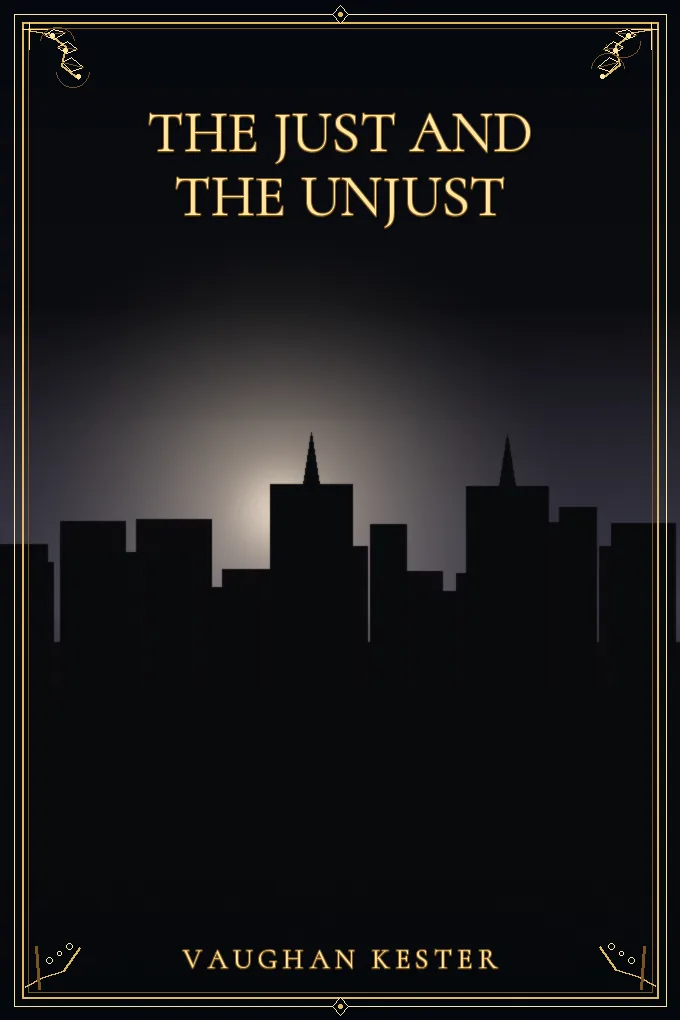
Cover illustration for The Just and the Unjust
Context Illustration Reading 1/85 · 5 lines
English subtitles · tap any word to listen 1 / 5
They stopped at the jail to say good-by to North, and were then driven rapidly to the station.
The journey of about two hours seemed interminable, but they rarely spoke.
Elizabeth did not change the position she had assumed when they took their seats.
She leaned lightly against her father's broad shoulder and her hands were clasped in her lap.
For weeks the situation had been absolutely pitiless.
0:00 / 0:00
Speed 0.75x
AI-generated narration by OpenAI · Slow US English
LEARNER DICTIONARY
Archivist
/ˈɑːrkɪvɪst/
Editorial verification pending

A keeper or guardian of historical records and memories.

The Just and the Unjust

Chapter XI · Chapter 11

Chapter 11 of The Just and the Unjust is here in full — 429 sentences across 86 reading sections, with audio for every sentence and word.

Reading 1/85 · 5 reading units · Lines 1–5

Line 1
They stopped at the jail to say good-by to North, and were then driven rapidly to the station.
Line 2
The journey of about two hours seemed interminable, but they rarely spoke.
/ðə ˈdʒɜːrni ʌv əˈbaʊt tuː ˈaʊərz siːmd ˌɪnˈtɜːrmənəbəl bʌt ðeɪ ˈrerli spoʊk/
Line 3
Elizabeth did not change the position she had assumed when they took their seats.
/ɪˈlɪzəbəθ dɪd nɑːt tʃeɪndʒ ðə pəˈzɪʃən ʃiː hæd əˈsuːmd wen ðeɪ tʊk ðer siːts/
Line 4
She leaned lightly against her father's broad shoulder and her hands were clasped in her lap.
/ʃiː liːnd ˈlaɪtli əˈɡenst hɜːr ˈfɑːðərz brɔːd ˈʃoʊldər ənd hɜːr hændz wɜːr klæspt ɪn hɜːr læp/
Line 5
For weeks the situation had been absolutely pitiless.
/fɔːr wiːks ðə ˌsɪtʃuːˈeɪʃən hæd bɪn ˌæbsəˈluːtli ˈpɪtiləs/

Learner Dictionary

These definitions explain words found in the current reading and keep every example grounded in its original sentence.

Oxford-style entry order: headword, part of speech, US IPA, concise definition, contextual example, and audio.

assumed adjective US /əˈsuːmd/

adopted in order to deceive

From this reading “Elizabeth did not change the position she had assumed when they took their seats.”

clasped verb US /klæspt/

past form of “clasp” — hold firmly and tightly

From this reading “She leaned lightly against her father's broad shoulder and her hands were clasped in her lap.”

interminable adjective US /ˌɪnˈtɜːrmənəbəl/

tiresomely long; seemingly without end

From this reading “The journey of about two hours seemed interminable, but they rarely spoke.”

jail noun US /dʒeɪl/

a correctional institution used to detain persons who are in the lawful custody of the government (either accused persons awaiting trial or convicted persons serving a sentence)

From this reading “They stopped at the jail to say good-by to North, and were then driven rapidly to the station.”

lap verb US /læp/

lie partly over or alongside of something or of one another

From this reading “She leaned lightly against her father's broad shoulder and her hands were clasped in her lap.”

pitiless adjective US /ˈpɪtiləs/

without mercy or pity

From this reading “For weeks the situation had been absolutely pitiless.”

rarely adverb US /ˈrerli/

not often

From this reading “The journey of about two hours seemed interminable, but they rarely spoke.”

seats noun US /siːts/

an area that includes places where several people can sit

From this reading “Elizabeth did not change the position she had assumed when they took their seats.”

All words in this reading · 54

Every word in these five lines is listed here, and every one of them can be played on its own.

Dictionary details are shown only when verified; these are not licensed Oxford entries.

aboutprepositionUS /əˈbaʊt/

on the subject of; concerning

From this reading The journey of about two hours seemed interminable, but they rarely spoke.

absolutelyadverbUS /ˌæbsəˈluːtli/

completely and without qualification; used informally as intensifiers

From this reading For weeks the situation had been absolutely pitiless.

againstprepositionUS /əˈɡenst/

touching and pressing; in opposition to

From this reading She leaned lightly against her father's broad shoulder and her hands were clasped in her lap.

andconjunctionUS /ənd/

used to join words or parts of a sentence that go together

From this reading They stopped at the jail to say good-by to North, and were then driven rapidly to the station.

assumedadjectiveUS /əˈsuːmd/

adopted in order to deceive

From this reading Elizabeth did not change the position she had assumed when they took their seats.

atprepositionUS /æt/

in or near a particular place or position

From this reading They stopped at the jail to say good-by to North, and were then driven rapidly to the station.

beenauxiliary verbUS /bɪn/

the past participle of “be”

From this reading For weeks the situation had been absolutely pitiless.

broadadjectiveUS /brɔːd/

having great (or a certain) extent from one side to the other

From this reading She leaned lightly against her father's broad shoulder and her hands were clasped in her lap.

butconjunctionUS /bʌt/

used to introduce something that contrasts with what came before

From this reading The journey of about two hours seemed interminable, but they rarely spoke.

changeverbUS /tʃeɪndʒ/

cause to change; make different; cause a transformation

From this reading Elizabeth did not change the position she had assumed when they took their seats.

claspedverbUS /klæspt/

past form of “clasp” — hold firmly and tightly

From this reading She leaned lightly against her father's broad shoulder and her hands were clasped in her lap.

didauxiliary verbUS /dɪd/

the past form of “do”, used in questions and negatives

From this reading Elizabeth did not change the position she had assumed when they took their seats.

drivenadjectiveUS /ˈdrɪvən/

compelled forcibly by an outside agency

From this reading They stopped at the jail to say good-by to North, and were then driven rapidly to the station.

ElizabethnounUS /ɪˈlɪzəbəθ/

daughter of George VI who became the Queen of England and Northern Ireland in 1952 on the death of her father (1926-)

From this reading Elizabeth did not change the position she had assumed when they took their seats.

father'snounUS /ˈfɑːðərz/

possessive form of “father” — a male parent (also used as a term of address to your father)

From this reading She leaned lightly against her father's broad shoulder and her hands were clasped in her lap.

ForprepositionUS /fɔːr/

intended to be given to, or used by, somebody

From this reading For weeks the situation had been absolutely pitiless.

good-bynoun

a farewell remark

From this reading They stopped at the jail to say good-by to North, and were then driven rapidly to the station.

hadauxiliary verbUS /hæd/

the past form of “have”, used to form the past perfect

From this reading Elizabeth did not change the position she had assumed when they took their seats.

handsnounUS /hændz/

(with “in”) guardianship over; in divorce cases it is the right to house and care for and discipline a child

From this reading She leaned lightly against her father's broad shoulder and her hands were clasped in her lap.

herdeterminerUS /hɜːr/

belonging to a woman, girl, or female animal already mentioned

From this reading She leaned lightly against her father's broad shoulder and her hands were clasped in her lap.

hoursnounUS /ˈaʊərz/

a period of time assigned for work

From this reading The journey of about two hours seemed interminable, but they rarely spoke.

inprepositionUS /ɪn/

inside something, or within a place, period, or state

From this reading She leaned lightly against her father's broad shoulder and her hands were clasped in her lap.

interminableadjectiveUS /ˌɪnˈtɜːrmənəbəl/

tiresomely long; seemingly without end

From this reading The journey of about two hours seemed interminable, but they rarely spoke.

jailnounUS /dʒeɪl/

a correctional institution used to detain persons who are in the lawful custody of the government (either accused persons awaiting trial or convicted persons serving a sentence)

From this reading They stopped at the jail to say good-by to North, and were then driven rapidly to the station.

journeyverbUS /ˈdʒɜːrni/

undertake a journey or trip

From this reading The journey of about two hours seemed interminable, but they rarely spoke.

lapverbUS /læp/

lie partly over or alongside of something or of one another

From this reading She leaned lightly against her father's broad shoulder and her hands were clasped in her lap.

leanedverbUS /liːnd/

past form of “lean” — to incline or bend from a vertical position

From this reading She leaned lightly against her father's broad shoulder and her hands were clasped in her lap.

lightlyadverbUS /ˈlaɪtli/

without good reason

From this reading She leaned lightly against her father's broad shoulder and her hands were clasped in her lap.

NorthnounUS /nɔːrθ/

the region of the United States lying to the north of the Mason-Dixon line

From this reading They stopped at the jail to say good-by to North, and were then driven rapidly to the station.

notadverbUS /nɑːt/

used to make a word, phrase, or sentence negative

From this reading Elizabeth did not change the position she had assumed when they took their seats.

ofprepositionUS /ʌv/

belonging to, or connected with, somebody or something

From this reading The journey of about two hours seemed interminable, but they rarely spoke.

pitilessadjectiveUS /ˈpɪtiləs/

without mercy or pity

From this reading For weeks the situation had been absolutely pitiless.

positionnounUS /pəˈzɪʃən/

the particular portion of space occupied by something

From this reading Elizabeth did not change the position she had assumed when they took their seats.

rapidlyadverbUS /ˈræpədli/

with speed

From this reading They stopped at the jail to say good-by to North, and were then driven rapidly to the station.

rarelyadverbUS /ˈrerli/

not often

From this reading The journey of about two hours seemed interminable, but they rarely spoke.

sayverbUS /seɪ/

express in words

From this reading They stopped at the jail to say good-by to North, and were then driven rapidly to the station.

seatsnounUS /siːts/

an area that includes places where several people can sit

From this reading Elizabeth did not change the position she had assumed when they took their seats.

seemedverbUS /siːmd/

past form of “seem” — give a certain impression or have a certain outward aspect

From this reading The journey of about two hours seemed interminable, but they rarely spoke.

shepronounUS /ʃiː/

a woman, girl, or female animal already mentioned, as the subject

From this reading Elizabeth did not change the position she had assumed when they took their seats.

shoulderverbUS /ˈʃoʊldər/

lift onto one's shoulders

From this reading She leaned lightly against her father's broad shoulder and her hands were clasped in her lap.

situationnounUS /ˌsɪtʃuːˈeɪʃən/

the general state of things; the combination of circumstances at a given time

From this reading For weeks the situation had been absolutely pitiless.

spokenounUS /spoʊk/

support consisting of a radial member of a wheel joining the hub to the rim

From this reading The journey of about two hours seemed interminable, but they rarely spoke.

stationnounUS /ˈsteɪʃən/

a facility equipped with special equipment and personnel for a particular purpose

From this reading They stopped at the jail to say good-by to North, and were then driven rapidly to the station.

stoppedadjectiveUS /stɑːpt/

(of a nose) blocked

From this reading They stopped at the jail to say good-by to North, and were then driven rapidly to the station.

thedeterminerUS /ðə/

used before a noun that is already known, already mentioned, or the only one of its kind

From this reading They stopped at the jail to say good-by to North, and were then driven rapidly to the station.

theirdeterminerUS /ðer/

belonging to the people or things already mentioned

From this reading Elizabeth did not change the position she had assumed when they took their seats.

thenadverbUS /ðen/

subsequently or soon afterward (often used as sentence connectors)

From this reading They stopped at the jail to say good-by to North, and were then driven rapidly to the station.

TheypronounUS /ðeɪ/

the people, animals, or things already mentioned, as the subject

From this reading They stopped at the jail to say good-by to North, and were then driven rapidly to the station.

toparticleUS /tuː/

used before the base form of a verb to make the infinitive

From this reading They stopped at the jail to say good-by to North, and were then driven rapidly to the station.

tookverbUS /tʊk/

inflected form of “take” — carry out

From this reading Elizabeth did not change the position she had assumed when they took their seats.

twonounUS /tuː/

the cardinal number that is the sum of one and one or a numeral representing this number

From this reading The journey of about two hours seemed interminable, but they rarely spoke.

weeksnounUS /wiːks/

plural of “week” — any period of seven consecutive days

From this reading For weeks the situation had been absolutely pitiless.

wereauxiliary verbUS /wɜːr/

the past form of “be” used with you, we, they, or a plural noun

From this reading They stopped at the jail to say good-by to North, and were then driven rapidly to the station.

whenconjunctionUS /wen/

at the time that

From this reading Elizabeth did not change the position she had assumed when they took their seats.

Chapter 11 of The Just and the Unjust by Vaughan Kester holds 429 sentences, grouped into 86 reading sections of at most 5 sentences. The text is the source edition, unabridged, and the chapter records which sentences cover which part of the work so that nothing is dropped. Every word can be tapped for its pronunciation and dictionary entry.

What does chapter 11 of The Just and the Unjust contain?

Chapter 11 holds 429 sentences of The Just and the Unjust, unabridged, divided into 86 reading sections.

This page carries chapter 11 of The Just and the Unjust by Vaughan Kester exactly as it stands in the source edition, without abridgement. It runs to 429 sentences, grouped into 86 sections of at most 5 sentences so that a reader can take the chapter in steady, finishable pieces. The chapter also stores a coverage record mapping every one of its sentences to a part of the work, which is how the edition demonstrates that no line was dropped.

How do I study chapter 11 of The Just and the Unjust?

Work through the 86 sections in order, replaying any sentence and tapping unfamiliar words for their entries.

Each of the 86 sections in this chapter is short enough to read once, hear once, and then re-read with the vocabulary in view. Tapping a word plays it alone and opens its dictionary entry with IPA, part of speech and meaning, so the reader is never forced to guess a pronunciation from spelling. Working section by section keeps a long chapter from becoming an undifferentiated wall of text, which is the usual reason a reader abandons a work of this period.

Can chapter 11 be read aloud to me?

Yes — every sentence and every individual word in chapter 11 can be played aloud in United States English.

Audio covers the whole chapter: any sentence can be played, and any single word within it can be played on its own. The voice uses United States English. For a work of this period that matters, because spelling is an unreliable guide to pronunciation for vocabulary that has fallen out of daily use, and a learner who guesses wrong tends to keep the error. Hearing the word in its own sentence, and then alone, settles it.

Questions about reading The Just and the Unjust

Common questions about reading The Just and the Unjust by Vaughan Kester on this page, its source edition and its audio.

Is this the complete text of The Just and the Unjust?

Yes. All 5488 sentences of Project Gutenberg eBook #14581 are kept, with a record of which sentences cover which part.

Which edition of The Just and the Unjust is used?

Project Gutenberg eBook #14581, unabridged. The Project Gutenberg header, footer and licence are removed.

How long does The Just and the Unjust take to read?

About 457 minutes of reading across 1098 sections of 5 sentences each, at an unhurried pace.

How to read The Just and the Unjust section by section

How to work through The Just and the Unjust section by section, using the audio and the tap-to-define vocabulary.

  1. Open a chapter

    Choose one of the 13 chapters of The Just and the Unjust to begin.

  2. Read one section

    Each section holds 5 sentences; read it once through.

  3. Listen and tap

    Play the section aloud, then tap any unfamiliar word for its entry.

Vocabulary met early in The Just and the Unjust

Words and structures a reader meets early in The Just and the Unjust, each tappable for pronunciation and meaning.

Author
A word that appears in the opening chapter of The Just and the Unjust; the reader can tap it to hear it and see its dictionary entry.
Prodigal
A word that appears in the opening chapter of The Just and the Unjust; the reader can tap it to hear it and see its dictionary entry.
Judge
A word that appears in the opening chapter of The Just and the Unjust; the reader can tap it to hear it and see its dictionary entry.
Custer
A word that appears in the opening chapter of The Just and the Unjust; the reader can tap it to hear it and see its dictionary entry.