Complete classic literature • Five-line readings • Clear US narration
VELMORA ACADEMY
Academy of Archival Languages & Memory Studies
Menu Close
The King's Men: A Tale of To-morrow

Chapter XI · Chapter 11

Chapter 11 of The King's Men: A Tale of To-morrow is here in full — 208 sentences across 42 reading sections, with audio for every sentence and word.

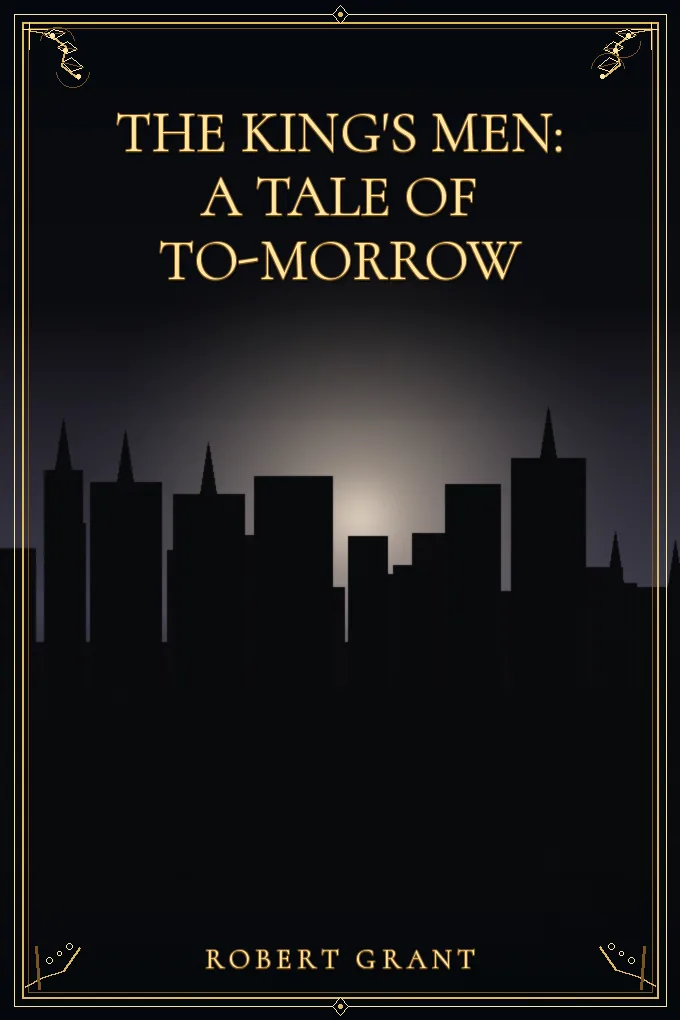
Cover illustration for The King's Men: A Tale of To-morrow
Context Illustration Reading 1/41 · 5 lines
English subtitles · tap any word to listen 1 / 5
IN THE LION'S MOUTH.
The news of the suppression of the conspiracy and the arrest of the ringleaders caused great excitement over England.
Enormous crowds paraded the streets of London demanding the exile of all persons who had formerly borne titles.

The King was hung in effigy and his lay figure cremated in the public kiln at Lincoln's Inn Fields.
Socialism became rampant.
0:00 / 0:00
Speed 0.75x
AI-generated narration by OpenAI · Slow US English
LEARNER DICTIONARY
Archivist
/ˈɑːrkɪvɪst/
Editorial verification pending

A keeper or guardian of historical records and memories.

The King's Men: A Tale of To-morrow

Chapter XI · Chapter 11

Chapter 11 of The King's Men: A Tale of To-morrow is here in full — 208 sentences across 42 reading sections, with audio for every sentence and word.

Reading 1/41 · 5 reading units · Lines 1–5

Line 1
IN THE LION'S MOUTH.
/ɪn ðə ˈlaɪənz maʊθ/
Line 2
The news of the suppression of the conspiracy and the arrest of the ringleaders caused great excitement over England.
/ðə nuːz ʌv ðə səˈpreʃən ʌv ðə kənˈspɪrəsi ənd ðə ərˈest ʌv ðə ˈrɪŋliːdərz kɑːzd ɡreɪt ɪkˈsaɪtmənt ˈoʊvər ˈɪŋɡlənd/
Line 3
Enormous crowds paraded the streets of London demanding the exile of all persons who had formerly borne titles.
/ɪˈnɔːrməs kraʊdz pərˈeɪdɪd ðə striːts ʌv ˈlʌndən dɪˈmændɪŋ ðə ˈeɡzaɪl ʌv ɔːl ˈpɜːrsənz huː hæd ˈfɔːrmərli bɔːrn ˈtaɪtəlz/
Line 4
The King was hung in effigy and his lay figure cremated in the public kiln at Lincoln's Inn Fields.
/ðə kɪŋ wɑːz hʌŋ ɪn ˈefɪdʒi ənd hɪz leɪ ˈfɪɡjər ˈkriːmeɪtɪd ɪn ðə ˈpʌblɪk kɪln æt ˈlɪŋkənz ɪn fiːldz/
Line 5
Socialism became rampant.
/ˈsoʊʃəlɪzəm bɪˈkeɪm ˈræmpənt/

Learner Dictionary

These definitions explain words found in the current reading and keep every example grounded in its original sentence.

Oxford-style entry order: headword, part of speech, US IPA, concise definition, contextual example, and audio.

cremated verb US /ˈkriːmeɪtɪd/

past form of “cremate” — reduce to ashes

From this reading “The King was hung in effigy and his lay figure cremated in the public kiln at Lincoln's Inn Fields.”

effigy noun US /ˈefɪdʒi/

a representation of a person (especially in the form of sculpture)

From this reading “The King was hung in effigy and his lay figure cremated in the public kiln at Lincoln's Inn Fields.”

kiln noun US /kɪln/

a furnace for firing or burning or drying such things as porcelain or bricks

From this reading “The King was hung in effigy and his lay figure cremated in the public kiln at Lincoln's Inn Fields.”

Lincoln's noun US /ˈlɪŋkənz/

possessive form of “lincoln” — 16th President of the United States; saved the Union during the American Civil War and emancipated the slaves; was assassinated by Booth (1809-1865)

From this reading “The King was hung in effigy and his lay figure cremated in the public kiln at Lincoln's Inn Fields.”

paraded verb US /pərˈeɪdɪd/

past form of “parade” — walk ostentatiously

From this reading “Enormous crowds paraded the streets of London demanding the exile of all persons who had formerly borne titles.”

rampant adjective US /ˈræmpənt/

unrestrained and violent

From this reading “Socialism became rampant.”

ringleaders noun US /ˈrɪŋliːdərz/

plural of “ringleader” — a person who leads (especially in illicit activities)

From this reading “The news of the suppression of the conspiracy and the arrest of the ringleaders caused great excitement over England.”

suppression noun US /səˈpreʃən/

the failure to develop some part or organ

From this reading “The news of the suppression of the conspiracy and the arrest of the ringleaders caused great excitement over England.”

All words in this reading · 47

Every word in these five lines is listed here, and every one of them can be played on its own.

Dictionary details are shown only when verified; these are not licensed Oxford entries.

alladjectiveUS /ɔːl/

(quantifier) used with either mass or count nouns to indicate the whole number or amount of or every one of a class

From this reading Enormous crowds paraded the streets of London demanding the exile of all persons who had formerly borne titles.

andconjunctionUS /ənd/

used to join words or parts of a sentence that go together

From this reading The news of the suppression of the conspiracy and the arrest of the ringleaders caused great excitement over England.

arrestverbUS /ərˈest/

take into custody

From this reading The news of the suppression of the conspiracy and the arrest of the ringleaders caused great excitement over England.

atprepositionUS /æt/

in or near a particular place or position

From this reading The King was hung in effigy and his lay figure cremated in the public kiln at Lincoln's Inn Fields.

becameverbUS /bɪˈkeɪm/

inflected form of “become” — enter or assume a certain state or condition

From this reading Socialism became rampant.

borneverbUS /bɔːrn/

inflected form of “bear” — have

From this reading Enormous crowds paraded the streets of London demanding the exile of all persons who had formerly borne titles.

causedverbUS /kɑːzd/

past form of “cause” — give rise to; cause to happen or occur, not always intentionally

From this reading The news of the suppression of the conspiracy and the arrest of the ringleaders caused great excitement over England.

conspiracynounUS /kənˈspɪrəsi/

a secret agreement between two or more people to perform an unlawful act

From this reading The news of the suppression of the conspiracy and the arrest of the ringleaders caused great excitement over England.

crematedverbUS /ˈkriːmeɪtɪd/

past form of “cremate” — reduce to ashes

From this reading The King was hung in effigy and his lay figure cremated in the public kiln at Lincoln's Inn Fields.

crowdsnounUS /kraʊdz/

plural of “crowd” — a large number of things or people considered together

From this reading Enormous crowds paraded the streets of London demanding the exile of all persons who had formerly borne titles.

demandingadjectiveUS /dɪˈmændɪŋ/

requiring more than usually expected or thought due; especially great patience and effort and skill

From this reading Enormous crowds paraded the streets of London demanding the exile of all persons who had formerly borne titles.

effigynounUS /ˈefɪdʒi/

a representation of a person (especially in the form of sculpture)

From this reading The King was hung in effigy and his lay figure cremated in the public kiln at Lincoln's Inn Fields.

EnglandnounUS /ˈɪŋɡlənd/

a division of the United Kingdom

From this reading The news of the suppression of the conspiracy and the arrest of the ringleaders caused great excitement over England.

EnormousadjectiveUS /ɪˈnɔːrməs/

extraordinarily large in size or extent or amount or power or degree

From this reading Enormous crowds paraded the streets of London demanding the exile of all persons who had formerly borne titles.

excitementnounUS /ɪkˈsaɪtmənt/

the feeling of lively and cheerful joy

From this reading The news of the suppression of the conspiracy and the arrest of the ringleaders caused great excitement over England.

exileverbUS /ˈeɡzaɪl/

expel from a country

From this reading Enormous crowds paraded the streets of London demanding the exile of all persons who had formerly borne titles.

FieldsnounUS /fiːldz/

United States comedian and film actor (1880-1946)

From this reading The King was hung in effigy and his lay figure cremated in the public kiln at Lincoln's Inn Fields.

figurenounUS /ˈfɪɡjər/

a diagram or picture illustrating textual material

From this reading The King was hung in effigy and his lay figure cremated in the public kiln at Lincoln's Inn Fields.

formerlyadverbUS /ˈfɔːrmərli/

at a previous time

From this reading Enormous crowds paraded the streets of London demanding the exile of all persons who had formerly borne titles.

greatadjectiveUS /ɡreɪt/

relatively large in size or number or extent; larger than others of its kind

From this reading The news of the suppression of the conspiracy and the arrest of the ringleaders caused great excitement over England.

hadauxiliary verbUS /hæd/

the past form of “have”, used to form the past perfect

From this reading Enormous crowds paraded the streets of London demanding the exile of all persons who had formerly borne titles.

hisdeterminerUS /hɪz/

belonging to a man, boy, or male animal already mentioned

From this reading The King was hung in effigy and his lay figure cremated in the public kiln at Lincoln's Inn Fields.

hungverbUS /hʌŋ/

inflected form of “hang” — be suspended or hanging

From this reading The King was hung in effigy and his lay figure cremated in the public kiln at Lincoln's Inn Fields.

INprepositionUS /ɪn/

inside something, or within a place, period, or state

From this reading IN THE LION'S MOUTH.

InnnounUS /ɪn/

a hotel providing overnight lodging for travelers

From this reading The King was hung in effigy and his lay figure cremated in the public kiln at Lincoln's Inn Fields.

kilnnounUS /kɪln/

a furnace for firing or burning or drying such things as porcelain or bricks

From this reading The King was hung in effigy and his lay figure cremated in the public kiln at Lincoln's Inn Fields.

KingnounUS /kɪŋ/

a male sovereign; ruler of a kingdom

From this reading The King was hung in effigy and his lay figure cremated in the public kiln at Lincoln's Inn Fields.

layverbUS /leɪ/

put into a certain place or abstract location

From this reading The King was hung in effigy and his lay figure cremated in the public kiln at Lincoln's Inn Fields.

Lincoln'snounUS /ˈlɪŋkənz/

possessive form of “lincoln” — 16th President of the United States; saved the Union during the American Civil War and emancipated the slaves; was assassinated by Booth (1809-1865)

From this reading The King was hung in effigy and his lay figure cremated in the public kiln at Lincoln's Inn Fields.

LION'SnounUS /ˈlaɪənz/

possessive form of “lion” — large gregarious predatory feline of Africa and India having a tawny coat with a shaggy mane in the male

From this reading IN THE LION'S MOUTH.

LondonnounUS /ˈlʌndən/

the capital and largest city of England; located on the Thames in southeastern England; financial and industrial and cultural center

From this reading Enormous crowds paraded the streets of London demanding the exile of all persons who had formerly borne titles.

MOUTHnounUS /maʊθ/

the opening through which food is taken in and vocalizations emerge

From this reading IN THE LION'S MOUTH.

newsnounUS /nuːz/

information about recent and important events

From this reading The news of the suppression of the conspiracy and the arrest of the ringleaders caused great excitement over England.

ofprepositionUS /ʌv/

belonging to, or connected with, somebody or something

From this reading The news of the suppression of the conspiracy and the arrest of the ringleaders caused great excitement over England.

overprepositionUS /ˈoʊvər/

above and across; more than

From this reading The news of the suppression of the conspiracy and the arrest of the ringleaders caused great excitement over England.

paradedverbUS /pərˈeɪdɪd/

past form of “parade” — walk ostentatiously

From this reading Enormous crowds paraded the streets of London demanding the exile of all persons who had formerly borne titles.

personsnounUS /ˈpɜːrsənz/

plural of “person” — a human being

From this reading Enormous crowds paraded the streets of London demanding the exile of all persons who had formerly borne titles.

publicnounUS /ˈpʌblɪk/

people in general considered as a whole

From this reading The King was hung in effigy and his lay figure cremated in the public kiln at Lincoln's Inn Fields.

rampantadjectiveUS /ˈræmpənt/

unrestrained and violent

From this reading Socialism became rampant.

ringleadersnounUS /ˈrɪŋliːdərz/

plural of “ringleader” — a person who leads (especially in illicit activities)

From this reading The news of the suppression of the conspiracy and the arrest of the ringleaders caused great excitement over England.

SocialismnounUS /ˈsoʊʃəlɪzəm/

a political theory advocating state ownership of industry

From this reading Socialism became rampant.

streetsnounUS /striːts/

plural of “street” — a thoroughfare (usually including sidewalks) that is lined with buildings

From this reading Enormous crowds paraded the streets of London demanding the exile of all persons who had formerly borne titles.

suppressionnounUS /səˈpreʃən/

the failure to develop some part or organ

From this reading The news of the suppression of the conspiracy and the arrest of the ringleaders caused great excitement over England.

THEdeterminerUS /ðə/

used before a noun that is already known, already mentioned, or the only one of its kind

From this reading IN THE LION'S MOUTH.

titlesnounUS /ˈtaɪtəlz/

plural of “title” — a heading that names a statute or legislative bill; may give a brief summary of the matters it deals with

From this reading Enormous crowds paraded the streets of London demanding the exile of all persons who had formerly borne titles.

wasauxiliary verbUS /wɑːz/

the past form of “be” used with I, he, she, it, or a singular noun

From this reading The King was hung in effigy and his lay figure cremated in the public kiln at Lincoln's Inn Fields.

whopronounUS /huː/

which person or people

From this reading Enormous crowds paraded the streets of London demanding the exile of all persons who had formerly borne titles.

Chapter 11 of The King's Men: A Tale of To-morrow by Robert Grant holds 208 sentences, grouped into 42 reading sections of at most 5 sentences. The text is the source edition, unabridged, and the chapter records which sentences cover which part of the work so that nothing is dropped. Every word can be tapped for its pronunciation and dictionary entry.

What does chapter 11 of The King's Men: A Tale of To-morrow contain?

Chapter 11 holds 208 sentences of The King's Men: A Tale of To-morrow, unabridged, divided into 42 reading sections.

This page carries chapter 11 of The King's Men: A Tale of To-morrow by Robert Grant exactly as it stands in the source edition, without abridgement. It runs to 208 sentences, grouped into 42 sections of at most 5 sentences so that a reader can take the chapter in steady, finishable pieces. The chapter also stores a coverage record mapping every one of its sentences to a part of the work, which is how the edition demonstrates that no line was dropped.

How do I study chapter 11 of The King's Men: A Tale of To-morrow?

Work through the 42 sections in order, replaying any sentence and tapping unfamiliar words for their entries.

Each of the 42 sections in this chapter is short enough to read once, hear once, and then re-read with the vocabulary in view. Tapping a word plays it alone and opens its dictionary entry with IPA, part of speech and meaning, so the reader is never forced to guess a pronunciation from spelling. Working section by section keeps a long chapter from becoming an undifferentiated wall of text, which is the usual reason a reader abandons a work of this period.

Can chapter 11 be read aloud to me?

Yes — every sentence and every individual word in chapter 11 can be played aloud in United States English.

Audio covers the whole chapter: any sentence can be played, and any single word within it can be played on its own. The voice uses United States English. For a work of this period that matters, because spelling is an unreliable guide to pronunciation for vocabulary that has fallen out of daily use, and a learner who guesses wrong tends to keep the error. Hearing the word in its own sentence, and then alone, settles it.

Questions about reading The King's Men: A Tale of To-morrow

Common questions about reading The King's Men: A Tale of To-morrow by Robert Grant on this page, its source edition and its audio.

Is this the complete text of The King's Men: A Tale of To-morrow?

Yes. All 4308 sentences of Project Gutenberg eBook #18960 are kept, with a record of which sentences cover which part.

Which edition of The King's Men: A Tale of To-morrow is used?

Project Gutenberg eBook #18960, unabridged. The Project Gutenberg header, footer and licence are removed.

How long does The King's Men: A Tale of To-morrow take to read?

About 359 minutes of reading across 862 sections of 5 sentences each, at an unhurried pace.

How to read The King's Men: A Tale of To-morrow section by section

How to work through The King's Men: A Tale of To-morrow section by section, using the audio and the tap-to-define vocabulary.

  1. Open a chapter

    Choose one of the 20 chapters of The King's Men: A Tale of To-morrow to begin.

  2. Read one section

    Each section holds 5 sentences; read it once through.

  3. Listen and tap

    Play the section aloud, then tap any unfamiliar word for its entry.

Vocabulary met early in The King's Men: A Tale of To-morrow

Words and structures a reader meets early in The King's Men: A Tale of To-morrow, each tappable for pronunciation and meaning.

Richard
A word that appears in the opening chapter of The King's Men: A Tale of To-morrow; the reader can tap it to hear it and see its dictionary entry.
Lincoln
A word that appears in the opening chapter of The King's Men: A Tale of To-morrow; the reader can tap it to hear it and see its dictionary entry.
Palace
A word that appears in the opening chapter of The King's Men: A Tale of To-morrow; the reader can tap it to hear it and see its dictionary entry.
Thousand
A word that appears in the opening chapter of The King's Men: A Tale of To-morrow; the reader can tap it to hear it and see its dictionary entry.