Complete classic literature • Five-line readings • Clear US narration
VELMORA ACADEMY
Academy of Archival Languages & Memory Studies
Menu Close
The Last Cruise of the Spitfire

Chapter XV · Chapter 15

Chapter 15 of The Last Cruise of the Spitfire is here in full — 100 sentences across 20 reading sections, with audio for every sentence and word.

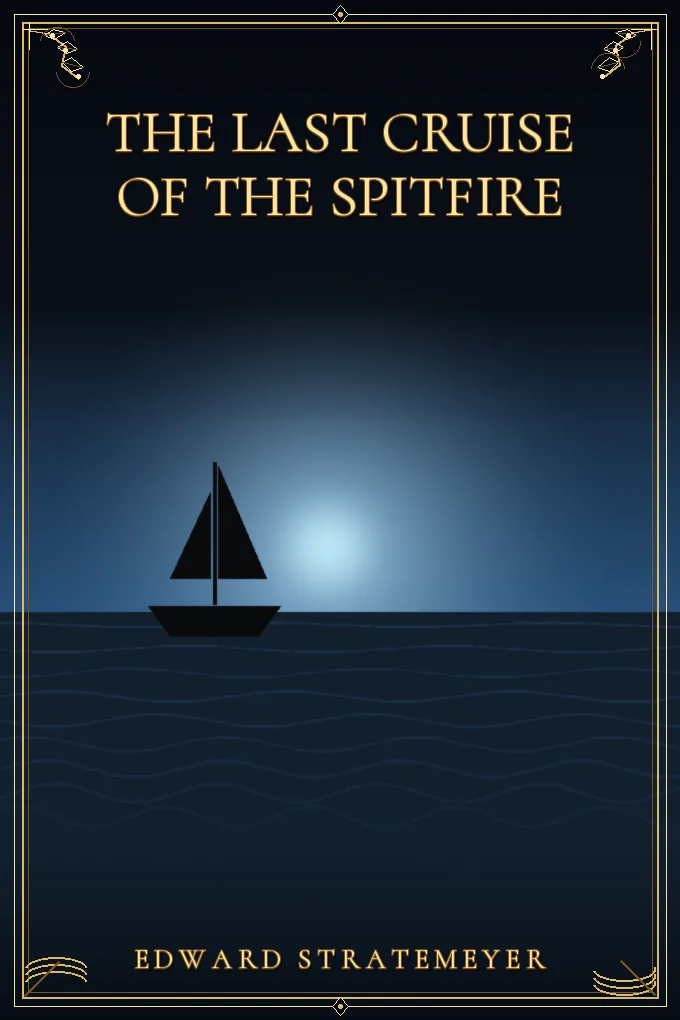
Cover illustration for The Last Cruise of the Spitfire
Context Illustration Reading 1/20 · 5 lines
English subtitles · tap any word to listen 1 / 5
CAPTAIN HANNOCK TRIES TO MAKE TERMS.
A sudden idea sprang into my mind.
I would try it.
If it failed there would be no harm done.
Captain Hannock's reference to rats put me in mind of cats; and drawing in my breath, I let off the most unearthly cat cry that has ever passed my lips, a cry that astonished even myself.
0:00 / 0:00
Speed 0.75x
AI-generated narration by OpenAI · Slow US English
LEARNER DICTIONARY
Archivist
/ˈɑːrkɪvɪst/
Editorial verification pending

A keeper or guardian of historical records and memories.

The Last Cruise of the Spitfire

Chapter XV · Chapter 15

Chapter 15 of The Last Cruise of the Spitfire is here in full — 100 sentences across 20 reading sections, with audio for every sentence and word.

Reading 1/20 · 5 reading units · Lines 1–5

Line 1
CAPTAIN HANNOCK TRIES TO MAKE TERMS.
Line 2
A sudden idea sprang into my mind.
/ə ˈsʌdən aɪˈdiːə spræŋ ˈɪntuː maɪ maɪnd/
Line 3
I would try it.
/aɪ wʊd traɪ ɪt/
Line 4
If it failed there would be no harm done.
/ɪf ɪt feɪld ðer wʊd biː noʊ hɑːrm dʌn/
Line 5
Captain Hannock's reference to rats put me in mind of cats; and drawing in my breath, I let off the most unearthly cat cry that has ever passed my lips, a cry that astonished even myself.

Learner Dictionary

These definitions explain words found in the current reading and keep every example grounded in its original sentence.

Oxford-style entry order: headword, part of speech, US IPA, concise definition, contextual example, and audio.

astonished adjective US /əˈstɑːnɪʃt/

filled with the emotional impact of overwhelming surprise or shock

From this reading “Captain Hannock's reference to rats put me in mind of cats; and drawing in my breath, I let off the most unearthly cat cry that has ever passed my lips, a cry that astonished even myself.”

cat noun US /kæt/

feline mammal usually having thick soft fur and no ability to roar: domestic cats; wildcats

From this reading “Captain Hannock's reference to rats put me in mind of cats; and drawing in my breath, I let off the most unearthly cat cry that has ever passed my lips, a cry that astonished even myself.”

cats noun US /kæts/

plural of “cat” — feline mammal usually having thick soft fur and no ability to roar: domestic cats; wildcats

From this reading “Captain Hannock's reference to rats put me in mind of cats; and drawing in my breath, I let off the most unearthly cat cry that has ever passed my lips, a cry that astonished even myself.”

rats noun US /ræts/

plural of “rat” — any of various long-tailed rodents similar to but larger than a mouse

From this reading “Captain Hannock's reference to rats put me in mind of cats; and drawing in my breath, I let off the most unearthly cat cry that has ever passed my lips, a cry that astonished even myself.”

reference noun US /ˈrefərəns/

a remark that calls attention to something or someone

From this reading “Captain Hannock's reference to rats put me in mind of cats; and drawing in my breath, I let off the most unearthly cat cry that has ever passed my lips, a cry that astonished even myself.”

terms noun US /tɜːrmz/

status with respect to the relations between people or groups

From this reading “CAPTAIN HANNOCK TRIES TO MAKE TERMS.”

tries noun US /traɪz/

plural of “try” — earnest and conscientious activity intended to do or accomplish something

From this reading “CAPTAIN HANNOCK TRIES TO MAKE TERMS.”

unearthly adjective US /əˈnɜːrθli/

concerned with or affecting the spirit or soul

From this reading “Captain Hannock's reference to rats put me in mind of cats; and drawing in my breath, I let off the most unearthly cat cry that has ever passed my lips, a cry that astonished even myself.”

Word partnerships in these lines

English keeps certain words together, and knowing the pair is worth more than knowing each word alone. Every partnership below was counted across our whole published library, and earns its place by appearing far more often than two unrelated words of the same frequency would.

Shown as this reading writes them, with the form the library counts, what kind of pairing it is, and how often it occurs.

sudden idea adjective + noun

In this reading “A sudden idea sprang into my mind.”

sprang into verb + particle counted as “spring into”

In this reading “A sudden idea sprang into my mind.”

MAKE TERMS verb + noun

In this reading “CAPTAIN HANNOCK TRIES TO MAKE TERMS.”

All words in this reading · 50

Every word in these five lines is listed here, and every one of them can be played on its own.

Dictionary details are shown only when verified; these are not licensed Oxford entries.

AdeterminerUS /ə/

used before a singular noun to mean one of a group, when it is not a particular one

From this reading A sudden idea sprang into my mind.

andconjunctionUS /ənd/

used to join words or parts of a sentence that go together

From this reading Captain Hannock's reference to rats put me in mind of cats; and drawing in my breath, I let off the most unearthly cat cry that has ever passed my lips, a cry that astonished even myself.

astonishedadjectiveUS /əˈstɑːnɪʃt/

filled with the emotional impact of overwhelming surprise or shock

From this reading Captain Hannock's reference to rats put me in mind of cats; and drawing in my breath, I let off the most unearthly cat cry that has ever passed my lips, a cry that astonished even myself.

beauxiliary verbUS /biː/

used with a past participle to form the passive, or with -ing for continuous tenses

From this reading If it failed there would be no harm done.

breathnounUS /breθ/

the process of taking in and expelling air during breathing

From this reading Captain Hannock's reference to rats put me in mind of cats; and drawing in my breath, I let off the most unearthly cat cry that has ever passed my lips, a cry that astonished even myself.

CAPTAINnounUS /ˈkæptən/

an officer holding a rank below a major but above a lieutenant

From this reading CAPTAIN HANNOCK TRIES TO MAKE TERMS.

catnounUS /kæt/

feline mammal usually having thick soft fur and no ability to roar: domestic cats; wildcats

From this reading Captain Hannock's reference to rats put me in mind of cats; and drawing in my breath, I let off the most unearthly cat cry that has ever passed my lips, a cry that astonished even myself.

catsnounUS /kæts/

plural of “cat” — feline mammal usually having thick soft fur and no ability to roar: domestic cats; wildcats

From this reading Captain Hannock's reference to rats put me in mind of cats; and drawing in my breath, I let off the most unearthly cat cry that has ever passed my lips, a cry that astonished even myself.

cryverbUS /kraɪ/

utter a sudden loud cry

From this reading Captain Hannock's reference to rats put me in mind of cats; and drawing in my breath, I let off the most unearthly cat cry that has ever passed my lips, a cry that astonished even myself.

doneadjectiveUS /dʌn/

having finished or arrived at completion

From this reading If it failed there would be no harm done.

drawingnounUS /ˈdrɔːɪŋ/

an illustration that is drawn by hand and published in a book, magazine, or newspaper

From this reading Captain Hannock's reference to rats put me in mind of cats; and drawing in my breath, I let off the most unearthly cat cry that has ever passed my lips, a cry that astonished even myself.

evenadjectiveUS /ˈiːvɪn/

divisible by two

From this reading Captain Hannock's reference to rats put me in mind of cats; and drawing in my breath, I let off the most unearthly cat cry that has ever passed my lips, a cry that astonished even myself.

everadverbUS /ˈevər/

at any time

From this reading Captain Hannock's reference to rats put me in mind of cats; and drawing in my breath, I let off the most unearthly cat cry that has ever passed my lips, a cry that astonished even myself.

failedverbUS /feɪld/

past form of “fail” — fail to do something; leave something undone

From this reading If it failed there would be no harm done.

HANNOCK

Dictionary entry pending editorial verification. Tap Listen to hear the word.

From this reading CAPTAIN HANNOCK TRIES TO MAKE TERMS.

Hannock's

Dictionary entry pending editorial verification. Tap Listen to hear the word.

From this reading Captain Hannock's reference to rats put me in mind of cats; and drawing in my breath, I let off the most unearthly cat cry that has ever passed my lips, a cry that astonished even myself.

harmnounUS /hɑːrm/

any physical damage to the body caused by violence or accident or fracture etc.

From this reading If it failed there would be no harm done.

hasauxiliary verbUS /hæz/

the form of “have” used with he, she, it, or a singular noun

From this reading Captain Hannock's reference to rats put me in mind of cats; and drawing in my breath, I let off the most unearthly cat cry that has ever passed my lips, a cry that astonished even myself.

IpronounUS /aɪ/

the person speaking or writing, as the subject of the verb

From this reading I would try it.

ideanounUS /aɪˈdiːə/

the content of cognition; the main thing you are thinking about

From this reading A sudden idea sprang into my mind.

IfconjunctionUS /ɪf/

on condition that; in the event that

From this reading If it failed there would be no harm done.

inprepositionUS /ɪn/

inside something, or within a place, period, or state

From this reading Captain Hannock's reference to rats put me in mind of cats; and drawing in my breath, I let off the most unearthly cat cry that has ever passed my lips, a cry that astonished even myself.

intoprepositionUS /ˈɪntuː/

moving to the inside of something

From this reading A sudden idea sprang into my mind.

itpronounUS /ɪt/

a thing, animal, or idea already mentioned

From this reading I would try it.

letauxiliary verbUS /let/

used to make a suggestion or a command including the speaker

From this reading Captain Hannock's reference to rats put me in mind of cats; and drawing in my breath, I let off the most unearthly cat cry that has ever passed my lips, a cry that astonished even myself.

lipsnounUS /lɪps/

plural of “lip” — either of two fleshy folds of tissue that surround the mouth and play a role in speaking

From this reading Captain Hannock's reference to rats put me in mind of cats; and drawing in my breath, I let off the most unearthly cat cry that has ever passed my lips, a cry that astonished even myself.

MAKEverbUS /meɪk/

engage in

From this reading CAPTAIN HANNOCK TRIES TO MAKE TERMS.

mepronounUS /miː/

the person speaking, as the object of a verb or preposition

From this reading Captain Hannock's reference to rats put me in mind of cats; and drawing in my breath, I let off the most unearthly cat cry that has ever passed my lips, a cry that astonished even myself.

mindnounUS /maɪnd/

The element of a person that enables awareness and thought.

From this reading A sudden idea sprang into my mind.

mostadverbUS /moʊst/

used to form the superlative

From this reading Captain Hannock's reference to rats put me in mind of cats; and drawing in my breath, I let off the most unearthly cat cry that has ever passed my lips, a cry that astonished even myself.

mydeterminerUS /maɪ/

belonging to the person speaking

From this reading A sudden idea sprang into my mind.

myselfpronounUS /ˌmaɪˈself/

used when the speaker is also the object of the action

From this reading Captain Hannock's reference to rats put me in mind of cats; and drawing in my breath, I let off the most unearthly cat cry that has ever passed my lips, a cry that astonished even myself.

nodeterminerUS /noʊ/

not any; not one

From this reading If it failed there would be no harm done.

ofprepositionUS /ʌv/

belonging to, or connected with, somebody or something

From this reading Captain Hannock's reference to rats put me in mind of cats; and drawing in my breath, I let off the most unearthly cat cry that has ever passed my lips, a cry that astonished even myself.

offadverbUS /ɔːf/

from a particular thing or place or position (“forth” is obsolete)

From this reading Captain Hannock's reference to rats put me in mind of cats; and drawing in my breath, I let off the most unearthly cat cry that has ever passed my lips, a cry that astonished even myself.

passedverbUS /pæst/

past form of “pass” — go across or through

From this reading Captain Hannock's reference to rats put me in mind of cats; and drawing in my breath, I let off the most unearthly cat cry that has ever passed my lips, a cry that astonished even myself.

putverbUS /pʊt/

put into a certain place or abstract location

From this reading Captain Hannock's reference to rats put me in mind of cats; and drawing in my breath, I let off the most unearthly cat cry that has ever passed my lips, a cry that astonished even myself.

ratsnounUS /ræts/

plural of “rat” — any of various long-tailed rodents similar to but larger than a mouse

From this reading Captain Hannock's reference to rats put me in mind of cats; and drawing in my breath, I let off the most unearthly cat cry that has ever passed my lips, a cry that astonished even myself.

referencenounUS /ˈrefərəns/

a remark that calls attention to something or someone

From this reading Captain Hannock's reference to rats put me in mind of cats; and drawing in my breath, I let off the most unearthly cat cry that has ever passed my lips, a cry that astonished even myself.

sprangverbUS /spræŋ/

inflected form of “spring” — move forward by leaps and bounds

From this reading A sudden idea sprang into my mind.

suddenadjectiveUS /ˈsʌdən/

happening without warning or in a short space of time

From this reading A sudden idea sprang into my mind.

TERMSnounUS /tɜːrmz/

status with respect to the relations between people or groups

From this reading CAPTAIN HANNOCK TRIES TO MAKE TERMS.

thatconjunctionUS /ðæt/

used to introduce what somebody said, thought, or felt

From this reading Captain Hannock's reference to rats put me in mind of cats; and drawing in my breath, I let off the most unearthly cat cry that has ever passed my lips, a cry that astonished even myself.

thedeterminerUS /ðə/

used before a noun that is already known, already mentioned, or the only one of its kind

From this reading Captain Hannock's reference to rats put me in mind of cats; and drawing in my breath, I let off the most unearthly cat cry that has ever passed my lips, a cry that astonished even myself.

thereadverbUS /ðer/

in or at that place or location

From this reading If it failed there would be no harm done.

TOparticleUS /tuː/

used before the base form of a verb to make the infinitive

From this reading CAPTAIN HANNOCK TRIES TO MAKE TERMS.

TRIESnounUS /traɪz/

plural of “try” — earnest and conscientious activity intended to do or accomplish something

From this reading CAPTAIN HANNOCK TRIES TO MAKE TERMS.

tryverbUS /traɪ/

make an effort or attempt

From this reading I would try it.

unearthlyadjectiveUS /əˈnɜːrθli/

concerned with or affecting the spirit or soul

From this reading Captain Hannock's reference to rats put me in mind of cats; and drawing in my breath, I let off the most unearthly cat cry that has ever passed my lips, a cry that astonished even myself.

wouldmodal verbUS /wʊd/

used for something imagined, polite, or habitual in the past

From this reading I would try it.

Chapter 15 of The Last Cruise of the Spitfire by Edward Stratemeyer holds 100 sentences, grouped into 20 reading sections of at most 5 sentences. The text is the source edition, unabridged, and the chapter records which sentences cover which part of the work so that nothing is dropped. Every word can be tapped for its pronunciation and dictionary entry.

What does chapter 15 of The Last Cruise of the Spitfire contain?

Chapter 15 holds 100 sentences of The Last Cruise of the Spitfire, unabridged, divided into 20 reading sections.

This page carries chapter 15 of The Last Cruise of the Spitfire by Edward Stratemeyer exactly as it stands in the source edition, without abridgement. It runs to 100 sentences, grouped into 20 sections of at most 5 sentences so that a reader can take the chapter in steady, finishable pieces. The chapter also stores a coverage record mapping every one of its sentences to a part of the work, which is how the edition demonstrates that no line was dropped.

How do I study chapter 15 of The Last Cruise of the Spitfire?

Work through the 20 sections in order, replaying any sentence and tapping unfamiliar words for their entries.

Each of the 20 sections in this chapter is short enough to read once, hear once, and then re-read with the vocabulary in view. Tapping a word plays it alone and opens its dictionary entry with IPA, part of speech and meaning, so the reader is never forced to guess a pronunciation from spelling. Working section by section keeps a long chapter from becoming an undifferentiated wall of text, which is the usual reason a reader abandons a work of this period.

Can chapter 15 be read aloud to me?

Yes — every sentence and every individual word in chapter 15 can be played aloud in United States English.

Audio covers the whole chapter: any sentence can be played, and any single word within it can be played on its own. The voice uses United States English. For a work of this period that matters, because spelling is an unreliable guide to pronunciation for vocabulary that has fallen out of daily use, and a learner who guesses wrong tends to keep the error. Hearing the word in its own sentence, and then alone, settles it.

Questions about reading The Last Cruise of the Spitfire

Common questions about reading The Last Cruise of the Spitfire by Edward Stratemeyer on this page, its source edition and its audio.

Is this the complete text of The Last Cruise of the Spitfire?

Yes. All 3938 sentences of Project Gutenberg eBook #34367 are kept, with a record of which sentences cover which part.

Which edition of The Last Cruise of the Spitfire is used?

Project Gutenberg eBook #34367, unabridged. The Project Gutenberg header, footer and licence are removed.

How long does The Last Cruise of the Spitfire take to read?

About 328 minutes of reading across 788 sections of 5 sentences each, at an unhurried pace.

How to read The Last Cruise of the Spitfire section by section

How to work through The Last Cruise of the Spitfire section by section, using the audio and the tap-to-define vocabulary.

  1. Open a chapter

    Choose one of the 31 chapters of The Last Cruise of the Spitfire to begin.

  2. Read one section

    Each section holds 5 sentences; read it once through.

  3. Listen and tap

    Play the section aloud, then tap any unfamiliar word for its entry.

Vocabulary met early in The Last Cruise of the Spitfire

Words and structures a reader meets early in The Last Cruise of the Spitfire, each tappable for pronunciation and meaning.

Author
A word that appears in the opening chapter of The Last Cruise of the Spitfire; the reader can tap it to hear it and see its dictionary entry.
Under
A word that appears in the opening chapter of The Last Cruise of the Spitfire; the reader can tap it to hear it and see its dictionary entry.
Dewey
A word that appears in the opening chapter of The Last Cruise of the Spitfire; the reader can tap it to hear it and see its dictionary entry.
Manila
A word that appears in the opening chapter of The Last Cruise of the Spitfire; the reader can tap it to hear it and see its dictionary entry.