Complete classic literature • Five-line readings • Clear US narration
VELMORA ACADEMY
Academy of Archival Languages & Memory Studies
Menu Close
The Legion of Lazarus

Chapter V · Chapter 5

Chapter 5 of The Legion of Lazarus is here in full — 297 sentences across 60 reading sections, with audio for every sentence and word.

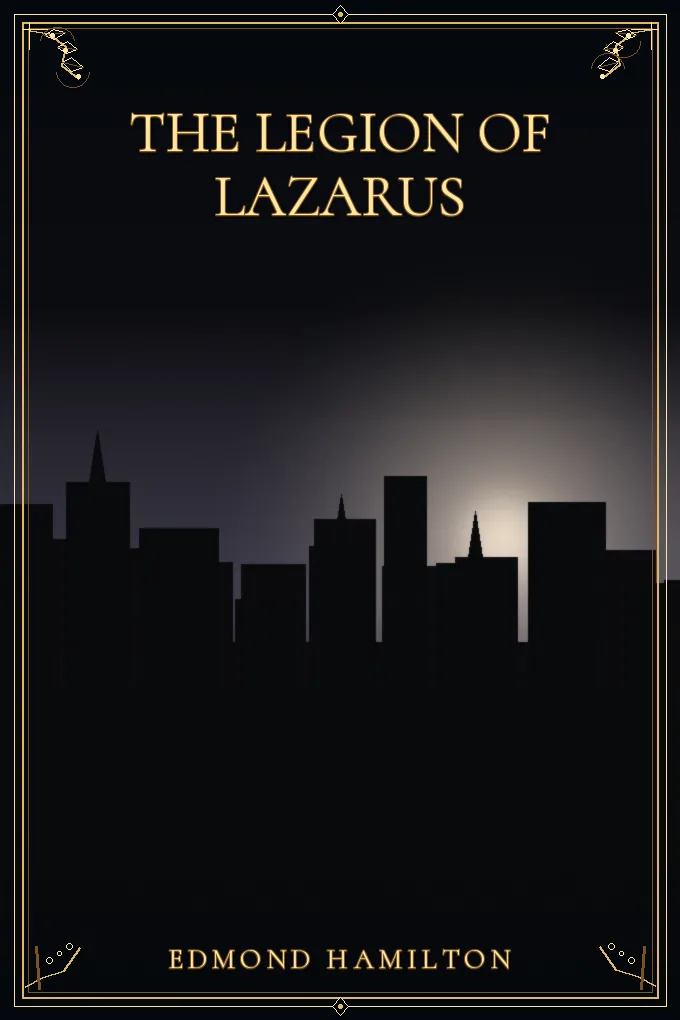
Cover illustration for The Legion of Lazarus
Context Illustration Reading 1/59 · 5 lines
English subtitles · tap any word to listen 1 / 5
It did not stay lost for long.
Shearing was at the controls.
The chronometer showed fourteen hours and twenty-seven minutes since they left the _Happy Dream_.
Shearing had spent eight of those hours in a species of comatose slumber, from which he had roused out practically normal.

Now Hyrst was heavily asleep in the pneumo-chair beside him.
0:00 / 0:00
Speed 0.75x
AI-generated narration by OpenAI · Slow US English
LEARNER DICTIONARY
Archivist
/ˈɑːrkɪvɪst/
Editorial verification pending

A keeper or guardian of historical records and memories.

The Legion of Lazarus

Chapter V · Chapter 5

Chapter 5 of The Legion of Lazarus is here in full — 297 sentences across 60 reading sections, with audio for every sentence and word.

Reading 1/59 · 5 reading units · Lines 1–5

Line 1
It did not stay lost for long.
/ɪt dɪd nɑːt steɪ lɔːst fɔːr lɔːŋ/
Line 2
Shearing was at the controls.
/ˈʃɪrɪŋ wɑːz æt ðə kənˈtroʊlz/
Line 3
The chronometer showed fourteen hours and twenty-seven minutes since they left the _Happy Dream_.
Line 4
Shearing had spent eight of those hours in a species of comatose slumber, from which he had roused out practically normal.
/ˈʃɪrɪŋ hæd spent eɪt ʌv ðoʊz ˈaʊərz ɪn ə ˈspiːʃiz ʌv ˈkoʊmətoʊs ˈslʌmbər frʌm wɪtʃ hiː hæd raʊzd aʊt ˈpræktɪkli ˈnɔːrməl/
Line 5
Now Hyrst was heavily asleep in the pneumo-chair beside him.

Learner Dictionary

These definitions explain words found in the current reading and keep every example grounded in its original sentence.

Oxford-style entry order: headword, part of speech, US IPA, concise definition, contextual example, and audio.

comatose adjective US /ˈkoʊmətoʊs/

relating to or associated with a coma

From this reading “Shearing had spent eight of those hours in a species of comatose slumber, from which he had roused out practically normal.”

controls noun US /kənˈtroʊlz/

plural of “control” — power to direct or determine

From this reading “Shearing was at the controls.”

fourteen noun US /ˈfɔːrˈtiːn/

the cardinal number that is the sum of thirteen and one

From this reading “The chronometer showed fourteen hours and twenty-seven minutes since they left the _Happy Dream_.”

normal adjective US /ˈnɔːrməl/

conforming with or constituting a norm or standard or level or type or social norm; not abnormal

From this reading “Shearing had spent eight of those hours in a species of comatose slumber, from which he had roused out practically normal.”

practically adverb US /ˈpræktɪkli/

almost; nearly

From this reading “Shearing had spent eight of those hours in a species of comatose slumber, from which he had roused out practically normal.”

Shearing noun US /ˈʃɪrɪŋ/

removing by cutting off or clipping

From this reading “Shearing was at the controls.”

slumber noun US /ˈslʌmbər/

a natural and periodic state of rest during which consciousness of the world is suspended

From this reading “Shearing had spent eight of those hours in a species of comatose slumber, from which he had roused out practically normal.”

species noun US /ˈspiːʃiz/

(biology) taxonomic group whose members can interbreed

From this reading “Shearing had spent eight of those hours in a species of comatose slumber, from which he had roused out practically normal.”

Word partnerships in these lines

English keeps certain words together, and knowing the pair is worth more than knowing each word alone. Every partnership below was counted across our whole published library, and earns its place by appearing far more often than two unrelated words of the same frequency would.

Shown as this reading writes them, with the form the library counts, what kind of pairing it is, and how often it occurs.

fourteen hours noun + noun

In this reading “The chronometer showed fourteen hours and twenty-seven minutes since they left the _Happy Dream_.”

Happy Dream adjective + noun

In this reading “The chronometer showed fourteen hours and twenty-seven minutes since they left the _Happy Dream_.”

All words in this reading · 48

Every word in these five lines is listed here, and every one of them can be played on its own.

Dictionary details are shown only when verified; these are not licensed Oxford entries.

adeterminerUS /ə/

used before a singular noun to mean one of a group, when it is not a particular one

From this reading Shearing had spent eight of those hours in a species of comatose slumber, from which he had roused out practically normal.

andconjunctionUS /ənd/

used to join words or parts of a sentence that go together

From this reading The chronometer showed fourteen hours and twenty-seven minutes since they left the _Happy Dream_.

asleepadjectiveUS /əˈsliːp/

in a state of sleep

From this reading Now Hyrst was heavily asleep in the pneumo-chair beside him.

atprepositionUS /æt/

in or near a particular place or position

From this reading Shearing was at the controls.

besideprepositionUS /bɪˈsaɪd/

next to; at the side of

From this reading Now Hyrst was heavily asleep in the pneumo-chair beside him.

chronometernoun

an accurate clock (especially used in navigation)

From this reading The chronometer showed fourteen hours and twenty-seven minutes since they left the _Happy Dream_.

comatoseadjectiveUS /ˈkoʊmətoʊs/

relating to or associated with a coma

From this reading Shearing had spent eight of those hours in a species of comatose slumber, from which he had roused out practically normal.

controlsnounUS /kənˈtroʊlz/

plural of “control” — power to direct or determine

From this reading Shearing was at the controls.

didauxiliary verbUS /dɪd/

the past form of “do”, used in questions and negatives

From this reading It did not stay lost for long.

DreamnounUS /driːm/

A series of thoughts, images, or emotions during sleep.

From this reading The chronometer showed fourteen hours and twenty-seven minutes since they left the _Happy Dream_.

eightadjectiveUS /eɪt/

being one more than seven

From this reading Shearing had spent eight of those hours in a species of comatose slumber, from which he had roused out practically normal.

forprepositionUS /fɔːr/

intended to be given to, or used by, somebody

From this reading It did not stay lost for long.

fourteennounUS /ˈfɔːrˈtiːn/

the cardinal number that is the sum of thirteen and one

From this reading The chronometer showed fourteen hours and twenty-seven minutes since they left the _Happy Dream_.

fromprepositionUS /frʌm/

showing where something starts, or who sent it

From this reading Shearing had spent eight of those hours in a species of comatose slumber, from which he had roused out practically normal.

hadauxiliary verbUS /hæd/

the past form of “have”, used to form the past perfect

From this reading Shearing had spent eight of those hours in a species of comatose slumber, from which he had roused out practically normal.

HappyadjectiveUS /ˈhæpi/

enjoying or showing or marked by joy or pleasure

From this reading The chronometer showed fourteen hours and twenty-seven minutes since they left the _Happy Dream_.

hepronounUS /hiː/

a man, boy, or male animal already mentioned, as the subject

From this reading Shearing had spent eight of those hours in a species of comatose slumber, from which he had roused out practically normal.

heavilyadverbUS /ˈhevəli/

to a considerable degree

From this reading Now Hyrst was heavily asleep in the pneumo-chair beside him.

himpronounUS /hɪm/

the male already mentioned, as the object of a verb or preposition

From this reading Now Hyrst was heavily asleep in the pneumo-chair beside him.

hoursnounUS /ˈaʊərz/

a period of time assigned for work

From this reading The chronometer showed fourteen hours and twenty-seven minutes since they left the _Happy Dream_.

Hyrst

Dictionary entry pending editorial verification. Tap Listen to hear the word.

From this reading Now Hyrst was heavily asleep in the pneumo-chair beside him.

inprepositionUS /ɪn/

inside something, or within a place, period, or state

From this reading Shearing had spent eight of those hours in a species of comatose slumber, from which he had roused out practically normal.

ItpronounUS /ɪt/

a thing, animal, or idea already mentioned

From this reading It did not stay lost for long.

leftnounUS /left/

location near or direction toward the left side; i.e. the side to the north when a person or object faces east

From this reading The chronometer showed fourteen hours and twenty-seven minutes since they left the _Happy Dream_.

longadjectiveUS /lɔːŋ/

primarily temporal sense; being or indicating a relatively great or greater than average duration or passage of time or a duration as specified

From this reading It did not stay lost for long.

lostadjectiveUS /lɔːst/

no longer in your possession or control; unable to be found or recovered

From this reading It did not stay lost for long.

minutesnounUS /ˈmɪnəts/

a written account of what transpired at a meeting

From this reading The chronometer showed fourteen hours and twenty-seven minutes since they left the _Happy Dream_.

normaladjectiveUS /ˈnɔːrməl/

conforming with or constituting a norm or standard or level or type or social norm; not abnormal

From this reading Shearing had spent eight of those hours in a species of comatose slumber, from which he had roused out practically normal.

notadverbUS /nɑːt/

used to make a word, phrase, or sentence negative

From this reading It did not stay lost for long.

NowadverbUS /naʊ/

in the historical present; at this point in the narration of a series of past events

From this reading Now Hyrst was heavily asleep in the pneumo-chair beside him.

ofprepositionUS /ʌv/

belonging to, or connected with, somebody or something

From this reading Shearing had spent eight of those hours in a species of comatose slumber, from which he had roused out practically normal.

outadjectiveUS /aʊt/

not allowed to continue to bat or run

From this reading Shearing had spent eight of those hours in a species of comatose slumber, from which he had roused out practically normal.

pneumo-chair

Dictionary entry pending editorial verification. Tap Listen to hear the word.

From this reading Now Hyrst was heavily asleep in the pneumo-chair beside him.

practicallyadverbUS /ˈpræktɪkli/

almost; nearly

From this reading Shearing had spent eight of those hours in a species of comatose slumber, from which he had roused out practically normal.

rousedverbUS /raʊzd/

past form of “rouse” — become active

From this reading Shearing had spent eight of those hours in a species of comatose slumber, from which he had roused out practically normal.

ShearingnounUS /ˈʃɪrɪŋ/

removing by cutting off or clipping

From this reading Shearing was at the controls.

showedverbUS /ʃoʊd/

past form of “show” — give an exhibition of to an interested audience

From this reading The chronometer showed fourteen hours and twenty-seven minutes since they left the _Happy Dream_.

sinceprepositionUS /sɪns/

from a time in the past until now

From this reading The chronometer showed fourteen hours and twenty-seven minutes since they left the _Happy Dream_.

slumbernounUS /ˈslʌmbər/

a natural and periodic state of rest during which consciousness of the world is suspended

From this reading Shearing had spent eight of those hours in a species of comatose slumber, from which he had roused out practically normal.

speciesnounUS /ˈspiːʃiz/

(biology) taxonomic group whose members can interbreed

From this reading Shearing had spent eight of those hours in a species of comatose slumber, from which he had roused out practically normal.

spentadjectiveUS /spent/

depleted of energy, force, or strength

From this reading Shearing had spent eight of those hours in a species of comatose slumber, from which he had roused out practically normal.

stayverbUS /steɪ/

stay the same; remain in a certain state

From this reading It did not stay lost for long.

thedeterminerUS /ðə/

used before a noun that is already known, already mentioned, or the only one of its kind

From this reading Shearing was at the controls.

theypronounUS /ðeɪ/

the people, animals, or things already mentioned, as the subject

From this reading The chronometer showed fourteen hours and twenty-seven minutes since they left the _Happy Dream_.

thosedeterminerUS /ðoʊz/

the plural of “that”: the people or things further away, or already known

From this reading Shearing had spent eight of those hours in a species of comatose slumber, from which he had roused out practically normal.

twenty-sevennoun

the cardinal number that is the sum of twenty-six and one

From this reading The chronometer showed fourteen hours and twenty-seven minutes since they left the _Happy Dream_.

wasauxiliary verbUS /wɑːz/

the past form of “be” used with I, he, she, it, or a singular noun

From this reading Shearing was at the controls.

whichpronounUS /wɪtʃ/

used to introduce a clause giving more about a thing just mentioned

From this reading Shearing had spent eight of those hours in a species of comatose slumber, from which he had roused out practically normal.

Chapter 5 of The Legion of Lazarus by Edmond Hamilton holds 297 sentences, grouped into 60 reading sections of at most 5 sentences. The text is the source edition, unabridged, and the chapter records which sentences cover which part of the work so that nothing is dropped. Every word can be tapped for its pronunciation and dictionary entry.

What does chapter 5 of The Legion of Lazarus contain?

Chapter 5 holds 297 sentences of The Legion of Lazarus, unabridged, divided into 60 reading sections.

This page carries chapter 5 of The Legion of Lazarus by Edmond Hamilton exactly as it stands in the source edition, without abridgement. It runs to 297 sentences, grouped into 60 sections of at most 5 sentences so that a reader can take the chapter in steady, finishable pieces. The chapter also stores a coverage record mapping every one of its sentences to a part of the work, which is how the edition demonstrates that no line was dropped.

How do I study chapter 5 of The Legion of Lazarus?

Work through the 60 sections in order, replaying any sentence and tapping unfamiliar words for their entries.

Each of the 60 sections in this chapter is short enough to read once, hear once, and then re-read with the vocabulary in view. Tapping a word plays it alone and opens its dictionary entry with IPA, part of speech and meaning, so the reader is never forced to guess a pronunciation from spelling. Working section by section keeps a long chapter from becoming an undifferentiated wall of text, which is the usual reason a reader abandons a work of this period.

Can chapter 5 be read aloud to me?

Yes — every sentence and every individual word in chapter 5 can be played aloud in United States English.

Audio covers the whole chapter: any sentence can be played, and any single word within it can be played on its own. The voice uses United States English. For a work of this period that matters, because spelling is an unreliable guide to pronunciation for vocabulary that has fallen out of daily use, and a learner who guesses wrong tends to keep the error. Hearing the word in its own sentence, and then alone, settles it.

Questions about reading The Legion of Lazarus

Common questions about reading The Legion of Lazarus by Edmond Hamilton on this page, its source edition and its audio.

Is this the complete text of The Legion of Lazarus?

Yes. All 1930 sentences of Project Gutenberg eBook #32486 are kept, with a record of which sentences cover which part.

Which edition of The Legion of Lazarus is used?

Project Gutenberg eBook #32486, unabridged. The Project Gutenberg header, footer and licence are removed.

How long does The Legion of Lazarus take to read?

About 160 minutes of reading across 386 sections of 5 sentences each, at an unhurried pace.

How to read The Legion of Lazarus section by section

How to work through The Legion of Lazarus section by section, using the audio and the tap-to-define vocabulary.

  1. Open a chapter

    Choose one of the 11 chapters of The Legion of Lazarus to begin.

  2. Read one section

    Each section holds 5 sentences; read it once through.

  3. Listen and tap

    Play the section aloud, then tap any unfamiliar word for its entry.

Vocabulary met early in The Legion of Lazarus

Words and structures a reader meets early in The Legion of Lazarus, each tappable for pronunciation and meaning.

Sidenote
A word that appears in the opening chapter of The Legion of Lazarus; the reader can tap it to hear it and see its dictionary entry.
Being
A word that appears in the opening chapter of The Legion of Lazarus; the reader can tap it to hear it and see its dictionary entry.
Expelled
A word that appears in the opening chapter of The Legion of Lazarus; the reader can tap it to hear it and see its dictionary entry.
Space
A word that appears in the opening chapter of The Legion of Lazarus; the reader can tap it to hear it and see its dictionary entry.