Learn English through classic literature • Five-line readings • Clear US narration
VELMORA ACADEMY
Academy of Archival Languages & Memory Studies
Menu Close
The Lock and Key Library — North Europe — Russian — Swedish

Chapter XV · Chapter 15

Chapter 15 of The Lock and Key Library — North Europe — Russian — Swedish is here in full — 198 sentences across 40 reading sections, with audio for every sentence and word.

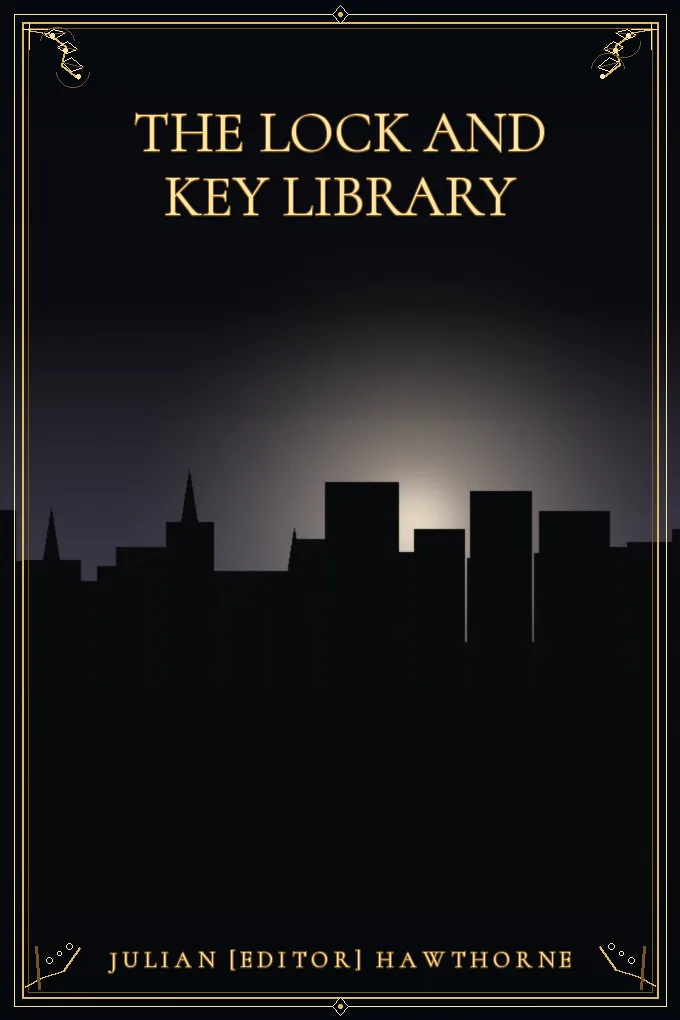
Cover illustration for The Lock and Key Library — North Europe — Russian — Swedish
Context Illustration Reading 1/39 · 5 lines
English subtitles · tap any word to listen 1 / 5
"What do you want here?"
Instead of replying, Raskolnikoff walked to the outer door and, standing outside, began to pull at the bell.
Yes, that was the bell, with its harsh sound.
He pulled again and again three times, and remained there listening and thinking.
"What is it you want?" again cried the workman as he went out to Raskolnikoff.
0:00 / 0:00
Speed 0.75x
AI-generated narration by OpenAI · Slow US English
LEARNER DICTIONARY
Archivist
/ˈɑːrkɪvɪst/
Editorial verification pending

A keeper or guardian of historical records and memories.

The Lock and Key Library — North Europe — Russian — Swedish

Chapter XV · Chapter 15

Chapter 15 of The Lock and Key Library — North Europe — Russian — Swedish is here in full — 198 sentences across 40 reading sections, with audio for every sentence and word.

Reading 1/39 · 5 reading units · Lines 1–5

Line 1
"What do you want here?"
/wʌt duː juː wɑːnt hiːr/
Line 2
Instead of replying, Raskolnikoff walked to the outer door and, standing outside, began to pull at the bell.
Line 3
Yes, that was the bell, with its harsh sound.
/jes ðæt wɑːz ðə bel wɪð ɪts hɑːrʃ saʊnd/
Line 4
He pulled again and again three times, and remained there listening and thinking.
/hiː pʊld əˈɡen ənd əˈɡen θriː taɪmz ənd rɪˈmeɪnd ðer ˈlɪsənɪŋ ənd ˈθɪŋkɪŋ/
Line 5
"What is it you want?" again cried the workman as he went out to Raskolnikoff.

Learner Dictionary

These definitions explain words found in the current reading and keep every example grounded in its original sentence.

Oxford-style entry order: headword, part of speech, US IPA, concise definition, contextual example, and audio.

bell noun US /bel/

a hollow device made of metal that makes a ringing sound when struck

From this reading “Instead of replying, Raskolnikoff walked to the outer door and, standing outside, began to pull at the bell.”

harsh adjective US /hɑːrʃ/

unpleasantly stern

From this reading “Yes, that was the bell, with its harsh sound.”

listening noun US /ˈlɪsənɪŋ/

the act of hearing attentively

From this reading “He pulled again and again three times, and remained there listening and thinking.”

outer adjective US /ˈaʊtər/

being on the outside or further from a center

From this reading “Instead of replying, Raskolnikoff walked to the outer door and, standing outside, began to pull at the bell.”

pull verb US /pʊl/

cause to move by pulling

From this reading “Instead of replying, Raskolnikoff walked to the outer door and, standing outside, began to pull at the bell.”

pulled verb US /pʊld/

past form of “pull” — cause to move by pulling

From this reading “He pulled again and again three times, and remained there listening and thinking.”

replying verb US /rɪˈplaɪɪŋ/

-ing form of “reply” — react verbally

From this reading “Instead of replying, Raskolnikoff walked to the outer door and, standing outside, began to pull at the bell.”

workman noun US /ˈwɜːrkmən/

an employee who performs manual or industrial labor

From this reading “"What is it you want?" again cried the workman as he went out to Raskolnikoff.”

All words in this reading · 44

Every word in these five lines is listed here, and every one of them can be played on its own.

Dictionary details are shown only when verified; these are not licensed Oxford entries.

againadverbUS /əˈɡen/

anew

From this reading He pulled again and again three times, and remained there listening and thinking.

andconjunctionUS /ənd/

used to join words or parts of a sentence that go together

From this reading Instead of replying, Raskolnikoff walked to the outer door and, standing outside, began to pull at the bell.

asconjunctionUS /æz/

at the same time that; because; in the way that

From this reading "What is it you want?" again cried the workman as he went out to Raskolnikoff.

atprepositionUS /æt/

in or near a particular place or position

From this reading Instead of replying, Raskolnikoff walked to the outer door and, standing outside, began to pull at the bell.

beganverbUS /bɪˈɡæn/

inflected form of “begin” — take the first step or steps in carrying out an action

From this reading Instead of replying, Raskolnikoff walked to the outer door and, standing outside, began to pull at the bell.

bellnounUS /bel/

a hollow device made of metal that makes a ringing sound when struck

From this reading Instead of replying, Raskolnikoff walked to the outer door and, standing outside, began to pull at the bell.

criedverbUS /kraɪd/

inflected form of “cry” — utter a sudden loud cry

From this reading "What is it you want?" again cried the workman as he went out to Raskolnikoff.

doauxiliary verbUS /duː/

used to form questions and negatives, and to give emphasis

From this reading "What do you want here?"

doornounUS /dɔːr/

a swinging or sliding barrier that will close the entrance to a room or building or vehicle

From this reading Instead of replying, Raskolnikoff walked to the outer door and, standing outside, began to pull at the bell.

harshadjectiveUS /hɑːrʃ/

unpleasantly stern

From this reading Yes, that was the bell, with its harsh sound.

HepronounUS /hiː/

a man, boy, or male animal already mentioned, as the subject

From this reading He pulled again and again three times, and remained there listening and thinking.

hereadverbUS /hiːr/

in or at this place; where the speaker or writer is

From this reading "What do you want here?"

InsteadadverbUS /ˌɪnˈsted/

in place of, or as an alternative to

From this reading Instead of replying, Raskolnikoff walked to the outer door and, standing outside, began to pull at the bell.

isauxiliary verbUS /ɪz/

the form of “be” used with he, she, it, or a singular noun

From this reading "What is it you want?" again cried the workman as he went out to Raskolnikoff.

itpronounUS /ɪt/

a thing, animal, or idea already mentioned

From this reading "What is it you want?" again cried the workman as he went out to Raskolnikoff.

itsdeterminerUS /ɪts/

belonging to the thing or animal already mentioned

From this reading Yes, that was the bell, with its harsh sound.

listeningnounUS /ˈlɪsənɪŋ/

the act of hearing attentively

From this reading He pulled again and again three times, and remained there listening and thinking.

ofprepositionUS /ʌv/

belonging to, or connected with, somebody or something

From this reading Instead of replying, Raskolnikoff walked to the outer door and, standing outside, began to pull at the bell.

outadjectiveUS /aʊt/

not allowed to continue to bat or run

From this reading "What is it you want?" again cried the workman as he went out to Raskolnikoff.

outeradjectiveUS /ˈaʊtər/

being on the outside or further from a center

From this reading Instead of replying, Raskolnikoff walked to the outer door and, standing outside, began to pull at the bell.

outsideadjectiveUS /ˈaʊtˈsaɪd/

relating to or being on or near the outer side or limit

From this reading Instead of replying, Raskolnikoff walked to the outer door and, standing outside, began to pull at the bell.

pullverbUS /pʊl/

cause to move by pulling

From this reading Instead of replying, Raskolnikoff walked to the outer door and, standing outside, began to pull at the bell.

pulledverbUS /pʊld/

past form of “pull” — cause to move by pulling

From this reading He pulled again and again three times, and remained there listening and thinking.

Raskolnikoff

Dictionary entry pending editorial verification. Tap Listen to hear the word.

From this reading Instead of replying, Raskolnikoff walked to the outer door and, standing outside, began to pull at the bell.

remainedverbUS /rɪˈmeɪnd/

past form of “remain” — stay the same; remain in a certain state

From this reading He pulled again and again three times, and remained there listening and thinking.

replyingverbUS /rɪˈplaɪɪŋ/

-ing form of “reply” — react verbally

From this reading Instead of replying, Raskolnikoff walked to the outer door and, standing outside, began to pull at the bell.

soundnounUS /saʊnd/

the particular auditory effect produced by a given cause

From this reading Yes, that was the bell, with its harsh sound.

standingadjectiveUS /ˈstændɪŋ/

having a supporting base

From this reading Instead of replying, Raskolnikoff walked to the outer door and, standing outside, began to pull at the bell.

thatconjunctionUS /ðæt/

used to introduce what somebody said, thought, or felt

From this reading Yes, that was the bell, with its harsh sound.

thedeterminerUS /ðə/

used before a noun that is already known, already mentioned, or the only one of its kind

From this reading Instead of replying, Raskolnikoff walked to the outer door and, standing outside, began to pull at the bell.

thereadverbUS /ðer/

in or at that place or location

From this reading He pulled again and again three times, and remained there listening and thinking.

thinkingnounUS /ˈθɪŋkɪŋ/

the process of using your mind to consider something carefully

From this reading He pulled again and again three times, and remained there listening and thinking.

threenounUS /θriː/

the cardinal number that is the sum of one and one and one

From this reading He pulled again and again three times, and remained there listening and thinking.

timesnounUS /taɪmz/

a more or less definite period of time now or previously present

From this reading He pulled again and again three times, and remained there listening and thinking.

toparticleUS /tuː/

used before the base form of a verb to make the infinitive

From this reading Instead of replying, Raskolnikoff walked to the outer door and, standing outside, began to pull at the bell.

walkedverbUS /wɔːkt/

past form of “walk” — use one's feet to advance; advance by steps

From this reading Instead of replying, Raskolnikoff walked to the outer door and, standing outside, began to pull at the bell.

wantverbUS /wɑːnt/

feel or have a desire for; want strongly

From this reading "What do you want here?"

wasauxiliary verbUS /wɑːz/

the past form of “be” used with I, he, she, it, or a singular noun

From this reading Yes, that was the bell, with its harsh sound.

wentverbUS /went/

inflected form of “go” — change location; move, travel, or proceed, also metaphorically

From this reading "What is it you want?" again cried the workman as he went out to Raskolnikoff.

WhatpronounUS /wʌt/

used to ask for information about something

From this reading "What do you want here?"

withprepositionUS /wɪð/

in the company of; together with

From this reading Yes, that was the bell, with its harsh sound.

workmannounUS /ˈwɜːrkmən/

an employee who performs manual or industrial labor

From this reading "What is it you want?" again cried the workman as he went out to Raskolnikoff.

YesnounUS /jes/

an affirmative

From this reading Yes, that was the bell, with its harsh sound.

youpronounUS /juː/

the person or people being spoken to

From this reading "What do you want here?"

Chapter 15 of The Lock and Key Library — North Europe — Russian — Swedish by Julian [Editor] Hawthorne holds 198 sentences, grouped into 40 reading sections of at most 5 sentences. The text is the public-domain source, unabridged, and the chapter records which sentences cover which part of the work so that nothing is dropped. Every word can be tapped for its pronunciation and dictionary entry.

What does chapter 15 of The Lock and Key Library — North Europe — Russian — Swedish contain?

Chapter 15 holds 198 sentences of The Lock and Key Library — North Europe — Russian — Swedish, unabridged, divided into 40 reading sections.

This page carries chapter 15 of The Lock and Key Library — North Europe — Russian — Swedish by Julian [Editor] Hawthorne exactly as it stands in the public-domain source edition, without abridgement. It runs to 198 sentences, grouped into 40 sections of at most 5 sentences so that a reader can take the chapter in steady, finishable pieces. The chapter also stores a coverage record mapping every one of its sentences to a part of the work, which is how the edition demonstrates that no line was dropped.

How do I study chapter 15 of The Lock and Key Library — North Europe — Russian — Swedish?

Work through the 40 sections in order, replaying any sentence and tapping unfamiliar words for their entries.

Each of the 40 sections in this chapter is short enough to read once, hear once, and then re-read with the vocabulary in view. Tapping a word plays it alone and opens its dictionary entry with IPA, part of speech and meaning, so the reader is never forced to guess a pronunciation from spelling. Working section by section keeps a long chapter from becoming an undifferentiated wall of text, which is the usual reason a reader abandons a work of this period.

Can chapter 15 be read aloud to me?

Yes — every sentence and every individual word in chapter 15 can be played aloud in United States English.

Audio covers the whole chapter: any sentence can be played, and any single word within it can be played on its own. The voice uses United States English. For a work of this period that matters, because spelling is an unreliable guide to pronunciation for vocabulary that has fallen out of daily use, and a learner who guesses wrong tends to keep the error. Hearing the word in its own sentence, and then alone, settles it.

Questions about reading The Lock and Key Library — North Europe — Russian — Swedish

Common questions about reading The Lock and Key Library — North Europe — Russian — Swedish by Julian [Editor] Hawthorne on this page, its source edition and its audio.

Is this the complete text of The Lock and Key Library — North Europe — Russian — Swedish?

Yes. All 7707 sentences of Project Gutenberg eBook #1552 are kept, with a record of which sentences cover which part.

Which edition of The Lock and Key Library — North Europe — Russian — Swedish is used?

Project Gutenberg eBook #1552, a public-domain edition. The Project Gutenberg header, footer and licence are removed.

How long does The Lock and Key Library — North Europe — Russian — Swedish take to read?

About 600 minutes of reading across 1542 sections of 5 sentences each, at an unhurried pace.

How to read The Lock and Key Library — North Europe — Russian — Swedish section by section

How to work through The Lock and Key Library — North Europe — Russian — Swedish section by section, using the audio and the tap-to-define vocabulary.

  1. Open a chapter

    Choose one of the 38 chapters of The Lock and Key Library — North Europe — Russian — Swedish to begin.

  2. Read one section

    Each section holds 5 sentences; read it once through.

  3. Listen and tap

    Play the section aloud, then tap any unfamiliar word for its entry.

Vocabulary met early in The Lock and Key Library — North Europe — Russian — Swedish

Words and structures a reader meets early in The Lock and Key Library — North Europe — Russian — Swedish, each tappable for pronunciation and meaning.

Interesting
A word that appears in the opening chapter of The Lock and Key Library — North Europe — Russian — Swedish; the reader can tap it to hear it and see its dictionary entry.
Stories
A word that appears in the opening chapter of The Lock and Key Library — North Europe — Russian — Swedish; the reader can tap it to hear it and see its dictionary entry.
Nations
A word that appears in the opening chapter of The Lock and Key Library — North Europe — Russian — Swedish; the reader can tap it to hear it and see its dictionary entry.
Queen
A word that appears in the opening chapter of The Lock and Key Library — North Europe — Russian — Swedish; the reader can tap it to hear it and see its dictionary entry.