Complete classic literature • Five-line readings • Clear US narration
VELMORA ACADEMY
Academy of Archival Languages & Memory Studies
Menu Close
The lost hunter: A tale of early times

Chapter XIII · Chapter 13

Chapter 13 of The lost hunter: A tale of early times is here in full — 179 sentences across 36 reading sections, with audio for every sentence and word.

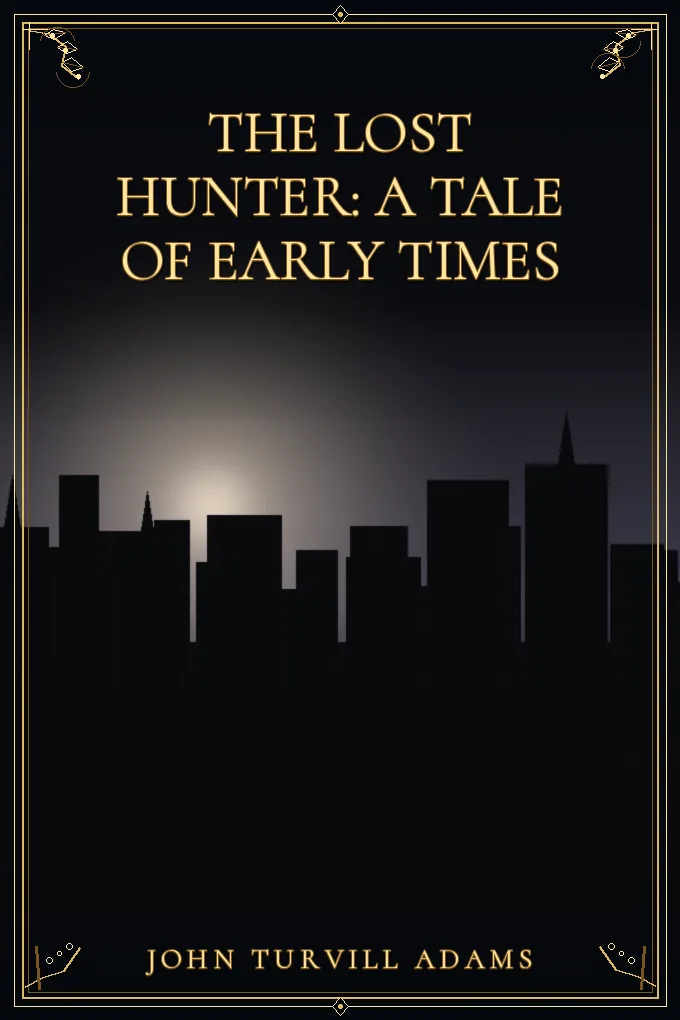
Cover illustration for The lost hunter: A tale of early times
Context Illustration Reading 1/35 · 5 lines
English subtitles · tap any word to listen 1 / 5
_Celia_.--Here comes Monsieur Le Beau, _Rosalind_.--With his mouth full of news.
AS YOU LIKE IT.
"You strike dreadful hard, Missa Gladding.
If you can't write, I guess you can make you mark," said the General, rubbing his shoulders.
"I was larned to do one, and t'other come natural," said Tom, laughing; "but I didn't lay it on a bit too hard.
0:00 / 0:00
Speed 0.75x
AI-generated narration by OpenAI · Slow US English
LEARNER DICTIONARY
Archivist
/ˈɑːrkɪvɪst/
Editorial verification pending

A keeper or guardian of historical records and memories.

The lost hunter: A tale of early times

Chapter XIII · Chapter 13

Chapter 13 of The lost hunter: A tale of early times is here in full — 179 sentences across 36 reading sections, with audio for every sentence and word.

Reading 1/35 · 5 reading units · Lines 1–5

Line 1
_Celia_.--Here comes Monsieur Le Beau, _Rosalind_.--With his mouth full of news.
Line 2
AS YOU LIKE IT.
/æz juː laɪk ɪt/
Line 3
"You strike dreadful hard, Missa Gladding.
Line 4
If you can't write, I guess you can make you mark," said the General, rubbing his shoulders.
Line 5
"I was larned to do one, and t'other come natural," said Tom, laughing; "but I didn't lay it on a bit too hard.

Learner Dictionary

These definitions explain words found in the current reading and keep every example grounded in its original sentence.

Oxford-style entry order: headword, part of speech, US IPA, concise definition, contextual example, and audio.

Beau noun US /boʊ/

a man who is the lover of a man or woman

From this reading “_Celia_.--Here comes Monsieur Le Beau, _Rosalind_.--With his mouth full of news.”

dreadful adjective US /ˈdredfəl/

causing fear or dread or terror

From this reading “"You strike dreadful hard, Missa Gladding.”

larned verb US /lɑːrnd/

past form of “larn” — gain knowledge or skills

From this reading “"I was larned to do one, and t'other come natural," said Tom, laughing; "but I didn't lay it on a bit too hard.”

laughing adjective US /ˈlæfɪŋ/

showing or feeling mirth or pleasure or happiness

From this reading “"I was larned to do one, and t'other come natural," said Tom, laughing; "but I didn't lay it on a bit too hard.”

mark verb US /mɑːrk/

attach a tag or label to

From this reading “If you can't write, I guess you can make you mark," said the General, rubbing his shoulders.”

rubbing noun US /ˈrʌbɪŋ/

the resistance encountered when one body is moved in contact with another

From this reading “If you can't write, I guess you can make you mark," said the General, rubbing his shoulders.”

shoulders noun US /ˈʃoʊldərz/

plural of “shoulder” — the part of the body between the neck and the upper arm

From this reading “If you can't write, I guess you can make you mark," said the General, rubbing his shoulders.”

strike verb US /straɪk/

deliver a sharp blow, as with the hand, fist, or weapon

From this reading “"You strike dreadful hard, Missa Gladding.”

All words in this reading · 53

Every word in these five lines is listed here, and every one of them can be played on its own.

Dictionary details are shown only when verified; these are not licensed Oxford entries.

adeterminerUS /ə/

used before a singular noun to mean one of a group, when it is not a particular one

From this reading "I was larned to do one, and t'other come natural," said Tom, laughing; "but I didn't lay it on a bit too hard.

andconjunctionUS /ənd/

used to join words or parts of a sentence that go together

From this reading "I was larned to do one, and t'other come natural," said Tom, laughing; "but I didn't lay it on a bit too hard.

ASconjunctionUS /æz/

at the same time that; because; in the way that

From this reading AS YOU LIKE IT.

BeaunounUS /boʊ/

a man who is the lover of a man or woman

From this reading _Celia_.--Here comes Monsieur Le Beau, _Rosalind_.--With his mouth full of news.

bitnounUS /bɪt/

a small piece or quantity of something

From this reading "I was larned to do one, and t'other come natural," said Tom, laughing; "but I didn't lay it on a bit too hard.

butconjunctionUS /bʌt/

used to introduce something that contrasts with what came before

From this reading "I was larned to do one, and t'other come natural," said Tom, laughing; "but I didn't lay it on a bit too hard.

canmodal verbUS /kæn/

to be able to, or to be allowed to

From this reading If you can't write, I guess you can make you mark," said the General, rubbing his shoulders.

can't

Dictionary entry pending editorial verification. Tap Listen to hear the word.

From this reading If you can't write, I guess you can make you mark," said the General, rubbing his shoulders.

Celia

Dictionary entry pending editorial verification. Tap Listen to hear the word.

From this reading _Celia_.--Here comes Monsieur Le Beau, _Rosalind_.--With his mouth full of news.

comeverbUS /kʌm/

move toward, travel toward something or somebody or approach something or somebody

From this reading "I was larned to do one, and t'other come natural," said Tom, laughing; "but I didn't lay it on a bit too hard.

comesnounUS /kʌmz/

plural of “come” — the thick white fluid containing spermatozoa that is ejaculated by the male genital tract

From this reading _Celia_.--Here comes Monsieur Le Beau, _Rosalind_.--With his mouth full of news.

didn't

Dictionary entry pending editorial verification. Tap Listen to hear the word.

From this reading "I was larned to do one, and t'other come natural," said Tom, laughing; "but I didn't lay it on a bit too hard.

doauxiliary verbUS /duː/

used to form questions and negatives, and to give emphasis

From this reading "I was larned to do one, and t'other come natural," said Tom, laughing; "but I didn't lay it on a bit too hard.

dreadfuladjectiveUS /ˈdredfəl/

causing fear or dread or terror

From this reading "You strike dreadful hard, Missa Gladding.

fulladjectiveUS /fʊl/

containing as much or as many as is possible or normal

From this reading _Celia_.--Here comes Monsieur Le Beau, _Rosalind_.--With his mouth full of news.

GeneraladjectiveUS /ˈdʒenərəl/

applying to all or most members of a category or group

From this reading If you can't write, I guess you can make you mark," said the General, rubbing his shoulders.

Gladding

Dictionary entry pending editorial verification. Tap Listen to hear the word.

From this reading "You strike dreadful hard, Missa Gladding.

guessverbUS /ɡes/

expect, believe, or suppose

From this reading If you can't write, I guess you can make you mark," said the General, rubbing his shoulders.

hardadjectiveUS /hɑːrd/

not easy; requiring great physical or mental effort to accomplish or comprehend or endure

From this reading "You strike dreadful hard, Missa Gladding.

HereadverbUS /hiːr/

in or at this place; where the speaker or writer is

From this reading _Celia_.--Here comes Monsieur Le Beau, _Rosalind_.--With his mouth full of news.

hisdeterminerUS /hɪz/

belonging to a man, boy, or male animal already mentioned

From this reading _Celia_.--Here comes Monsieur Le Beau, _Rosalind_.--With his mouth full of news.

IpronounUS /aɪ/

the person speaking or writing, as the subject of the verb

From this reading If you can't write, I guess you can make you mark," said the General, rubbing his shoulders.

IfconjunctionUS /ɪf/

on condition that; in the event that

From this reading If you can't write, I guess you can make you mark," said the General, rubbing his shoulders.

ITpronounUS /ɪt/

a thing, animal, or idea already mentioned

From this reading AS YOU LIKE IT.

larnedverbUS /lɑːrnd/

past form of “larn” — gain knowledge or skills

From this reading "I was larned to do one, and t'other come natural," said Tom, laughing; "but I didn't lay it on a bit too hard.

laughingadjectiveUS /ˈlæfɪŋ/

showing or feeling mirth or pleasure or happiness

From this reading "I was larned to do one, and t'other come natural," said Tom, laughing; "but I didn't lay it on a bit too hard.

layverbUS /leɪ/

put into a certain place or abstract location

From this reading "I was larned to do one, and t'other come natural," said Tom, laughing; "but I didn't lay it on a bit too hard.

LenounUS /lə/

a chronic inflammatory collagen disease affecting connective tissue (skin or joints)

From this reading _Celia_.--Here comes Monsieur Le Beau, _Rosalind_.--With his mouth full of news.

LIKEverbUS /laɪk/

prefer or wish to do something

From this reading AS YOU LIKE IT.

makeverbUS /meɪk/

engage in

From this reading If you can't write, I guess you can make you mark," said the General, rubbing his shoulders.

markverbUS /mɑːrk/

attach a tag or label to

From this reading If you can't write, I guess you can make you mark," said the General, rubbing his shoulders.

Missa

Dictionary entry pending editorial verification. Tap Listen to hear the word.

From this reading "You strike dreadful hard, Missa Gladding.

MonsieurnounUS /məˈsjɜːr/

used as a French courtesy title; equivalent to English “Mr”

From this reading _Celia_.--Here comes Monsieur Le Beau, _Rosalind_.--With his mouth full of news.

mouthnounUS /maʊθ/

the opening through which food is taken in and vocalizations emerge

From this reading _Celia_.--Here comes Monsieur Le Beau, _Rosalind_.--With his mouth full of news.

naturaladjectiveUS /ˈnætʃərəl/

in accordance with nature; relating to or concerning nature

From this reading "I was larned to do one, and t'other come natural," said Tom, laughing; "but I didn't lay it on a bit too hard.

newsnounUS /nuːz/

information about recent and important events

From this reading _Celia_.--Here comes Monsieur Le Beau, _Rosalind_.--With his mouth full of news.

ofprepositionUS /ʌv/

belonging to, or connected with, somebody or something

From this reading _Celia_.--Here comes Monsieur Le Beau, _Rosalind_.--With his mouth full of news.

onprepositionUS /ɑːn/

touching and supported by a surface

From this reading "I was larned to do one, and t'other come natural," said Tom, laughing; "but I didn't lay it on a bit too hard.

onepronounUS /wʌn/

used to mean any person in general, including the speaker

From this reading "I was larned to do one, and t'other come natural," said Tom, laughing; "but I didn't lay it on a bit too hard.

Rosalind

Dictionary entry pending editorial verification. Tap Listen to hear the word.

From this reading _Celia_.--Here comes Monsieur Le Beau, _Rosalind_.--With his mouth full of news.

rubbingnounUS /ˈrʌbɪŋ/

the resistance encountered when one body is moved in contact with another

From this reading If you can't write, I guess you can make you mark," said the General, rubbing his shoulders.

saidadjectiveUS /sed/

being the one previously mentioned or spoken of

From this reading If you can't write, I guess you can make you mark," said the General, rubbing his shoulders.

shouldersnounUS /ˈʃoʊldərz/

plural of “shoulder” — the part of the body between the neck and the upper arm

From this reading If you can't write, I guess you can make you mark," said the General, rubbing his shoulders.

strikeverbUS /straɪk/

deliver a sharp blow, as with the hand, fist, or weapon

From this reading "You strike dreadful hard, Missa Gladding.

t'other

Dictionary entry pending editorial verification. Tap Listen to hear the word.

From this reading "I was larned to do one, and t'other come natural," said Tom, laughing; "but I didn't lay it on a bit too hard.

thedeterminerUS /ðə/

used before a noun that is already known, already mentioned, or the only one of its kind

From this reading If you can't write, I guess you can make you mark," said the General, rubbing his shoulders.

toparticleUS /tuː/

used before the base form of a verb to make the infinitive

From this reading "I was larned to do one, and t'other come natural," said Tom, laughing; "but I didn't lay it on a bit too hard.

TomnounUS /tɑːm/

male cat

From this reading "I was larned to do one, and t'other come natural," said Tom, laughing; "but I didn't lay it on a bit too hard.

tooadverbUS /tuː/

to a degree exceeding normal or proper limits

From this reading "I was larned to do one, and t'other come natural," said Tom, laughing; "but I didn't lay it on a bit too hard.

wasauxiliary verbUS /wɑːz/

the past form of “be” used with I, he, she, it, or a singular noun

From this reading "I was larned to do one, and t'other come natural," said Tom, laughing; "but I didn't lay it on a bit too hard.

WithprepositionUS /wɪð/

in the company of; together with

From this reading _Celia_.--Here comes Monsieur Le Beau, _Rosalind_.--With his mouth full of news.

writeverbUS /raɪt/

produce a literary work

From this reading If you can't write, I guess you can make you mark," said the General, rubbing his shoulders.

YOUpronounUS /juː/

the person or people being spoken to

From this reading AS YOU LIKE IT.

Chapter 13 of The lost hunter: A tale of early times by John Turvill Adams holds 179 sentences, grouped into 36 reading sections of at most 5 sentences. The text is the source edition, unabridged, and the chapter records which sentences cover which part of the work so that nothing is dropped. Every word can be tapped for its pronunciation and dictionary entry.

What does chapter 13 of The lost hunter: A tale of early times contain?

Chapter 13 holds 179 sentences of The lost hunter: A tale of early times, unabridged, divided into 36 reading sections.

This page carries chapter 13 of The lost hunter: A tale of early times by John Turvill Adams exactly as it stands in the source edition, without abridgement. It runs to 179 sentences, grouped into 36 sections of at most 5 sentences so that a reader can take the chapter in steady, finishable pieces. The chapter also stores a coverage record mapping every one of its sentences to a part of the work, which is how the edition demonstrates that no line was dropped.

How do I study chapter 13 of The lost hunter: A tale of early times?

Work through the 36 sections in order, replaying any sentence and tapping unfamiliar words for their entries.

Each of the 36 sections in this chapter is short enough to read once, hear once, and then re-read with the vocabulary in view. Tapping a word plays it alone and opens its dictionary entry with IPA, part of speech and meaning, so the reader is never forced to guess a pronunciation from spelling. Working section by section keeps a long chapter from becoming an undifferentiated wall of text, which is the usual reason a reader abandons a work of this period.

Can chapter 13 be read aloud to me?

Yes — every sentence and every individual word in chapter 13 can be played aloud in United States English.

Audio covers the whole chapter: any sentence can be played, and any single word within it can be played on its own. The voice uses United States English. For a work of this period that matters, because spelling is an unreliable guide to pronunciation for vocabulary that has fallen out of daily use, and a learner who guesses wrong tends to keep the error. Hearing the word in its own sentence, and then alone, settles it.

Questions about reading The lost hunter: A tale of early times

Common questions about reading The lost hunter: A tale of early times by John Turvill Adams on this page, its source edition and its audio.

Is this the complete text of The lost hunter: A tale of early times?

Yes. All 6547 sentences of Project Gutenberg eBook #15328 are kept, with a record of which sentences cover which part.

Which edition of The lost hunter: A tale of early times is used?

Project Gutenberg eBook #15328, unabridged. The Project Gutenberg header, footer and licence are removed.

How long does The lost hunter: A tale of early times take to read?

About 545 minutes of reading across 1310 sections of 5 sentences each, at an unhurried pace.

How to read The lost hunter: A tale of early times section by section

How to work through The lost hunter: A tale of early times section by section, using the audio and the tap-to-define vocabulary.

  1. Open a chapter

    Choose one of the 40 chapters of The lost hunter: A tale of early times to begin.

  2. Read one section

    Each section holds 5 sentences; read it once through.

  3. Listen and tap

    Play the section aloud, then tap any unfamiliar word for its entry.

Vocabulary met early in The lost hunter: A tale of early times

Words and structures a reader meets early in The lost hunter: A tale of early times, each tappable for pronunciation and meaning.

Golden
A word that appears in the opening chapter of The lost hunter: A tale of early times; the reader can tap it to hear it and see its dictionary entry.
Orientall
A word that appears in the opening chapter of The lost hunter: A tale of early times; the reader can tap it to hear it and see its dictionary entry.
Greatest
A word that appears in the opening chapter of The lost hunter: A tale of early times; the reader can tap it to hear it and see its dictionary entry.
Heaven
A word that appears in the opening chapter of The lost hunter: A tale of early times; the reader can tap it to hear it and see its dictionary entry.