Complete classic literature • Five-line readings • Clear US narration
VELMORA ACADEMY
Academy of Archival Languages & Memory Studies
Menu Close
The Lost Lady of Lone

Chapter II · Chapter 2

Chapter 2 of The Lost Lady of Lone is here in full — 147 sentences across 30 reading sections, with audio for every sentence and word.

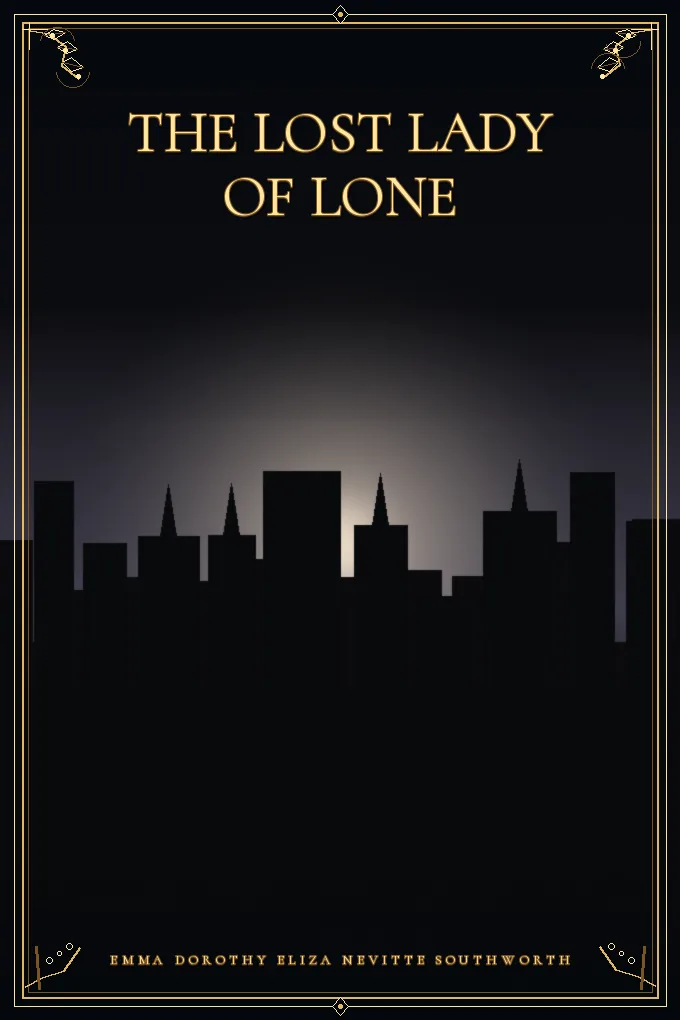
Cover illustration for The Lost Lady of Lone
Context Illustration Reading 1/29 · 5 lines
English subtitles · tap any word to listen 1 / 5
THE RUINED HEIR.
Where, meanwhile, was the "mad" duke with his loyal son?
Various reports had been circulated concerning them, so long as they had been remembered.
Some had said that they had emigrated to Australia; others that they had gone to Canada; others again that they were living on the Continent.
All agreed that wherever they were, they must be in great destitution.
0:00 / 0:00
Speed 0.75x
AI-generated narration by OpenAI · Slow US English
LEARNER DICTIONARY
Archivist
/ˈɑːrkɪvɪst/
Editorial verification pending

A keeper or guardian of historical records and memories.

The Lost Lady of Lone

Chapter II · Chapter 2

Chapter 2 of The Lost Lady of Lone is here in full — 147 sentences across 30 reading sections, with audio for every sentence and word.

Reading 1/29 · 5 reading units · Lines 1–5

Line 1
THE RUINED HEIR.
/ðə ˈruːənd er/
Line 2
Where, meanwhile, was the "mad" duke with his loyal son?
/wer ˈmiːnwaɪl wɑːz ðə mæd duːk wɪð hɪz ˈlɔɪəl sʌn/
Line 3
Various reports had been circulated concerning them, so long as they had been remembered.
/ˈveriəs rɪˈpɔːrts hæd bɪn ˈsɜːrkjəleɪtɪd kənˈsɜːrnɪŋ ðem soʊ lɔːŋ æz ðeɪ hæd bɪn rɪˈmembərd/
Line 4
Some had said that they had emigrated to Australia; others that they had gone to Canada; others again that they were living on the Continent.
Line 5
All agreed that wherever they were, they must be in great destitution.
/ɔːl əˈɡriːd ðæt weˈrevər ðeɪ wɜːr ðeɪ mʌst biː ɪn ɡreɪt ˈdestətuːʃən/

Learner Dictionary

These definitions explain words found in the current reading and keep every example grounded in its original sentence.

Oxford-style entry order: headword, part of speech, US IPA, concise definition, contextual example, and audio.

Australia noun US /ɔːˈstreɪljə/

a nation occupying the whole of the Australian continent; Aboriginal tribes are thought to have migrated from southeastern Asia 20,000 years ago; first Europeans were British convicts sent there as a penal colony

From this reading “Some had said that they had emigrated to Australia; others that they had gone to Canada; others again that they were living on the Continent.”

Canada noun US /ˈkænədə/

a nation in northern North America; the French were the first Europeans to settle in mainland Canada

From this reading “Some had said that they had emigrated to Australia; others that they had gone to Canada; others again that they were living on the Continent.”

circulated verb US /ˈsɜːrkjəleɪtɪd/

past form of “circulate” — become widely known and passed on

From this reading “Various reports had been circulated concerning them, so long as they had been remembered.”

Continent noun US /ˈkɑːntənənt/

one of the large landmasses of the earth

From this reading “Some had said that they had emigrated to Australia; others that they had gone to Canada; others again that they were living on the Continent.”

destitution noun US /ˈdestətuːʃən/

a state without friends or money or prospects

From this reading “All agreed that wherever they were, they must be in great destitution.”

emigrated verb US /ˈeməɡreɪtɪd/

past form of “emigrate” — leave one's country of residence for a new one

From this reading “Some had said that they had emigrated to Australia; others that they had gone to Canada; others again that they were living on the Continent.”

loyal adjective US /ˈlɔɪəl/

steadfast in allegiance or duty

From this reading “Where, meanwhile, was the "mad" duke with his loyal son?”

reports noun US /rɪˈpɔːrts/

plural of “report” — a written document describing the findings of some individual or group

From this reading “Various reports had been circulated concerning them, so long as they had been remembered.”

All words in this reading · 46

Every word in these five lines is listed here, and every one of them can be played on its own.

Dictionary details are shown only when verified; these are not licensed Oxford entries.

againadverbUS /əˈɡen/

anew

From this reading Some had said that they had emigrated to Australia; others that they had gone to Canada; others again that they were living on the Continent.

agreedadjectiveUS /əˈɡriːd/

united by being of the same opinion

From this reading All agreed that wherever they were, they must be in great destitution.

AlladjectiveUS /ɔːl/

(quantifier) used with either mass or count nouns to indicate the whole number or amount of or every one of a class

From this reading All agreed that wherever they were, they must be in great destitution.

asconjunctionUS /æz/

at the same time that; because; in the way that

From this reading Various reports had been circulated concerning them, so long as they had been remembered.

AustralianounUS /ɔːˈstreɪljə/

a nation occupying the whole of the Australian continent; Aboriginal tribes are thought to have migrated from southeastern Asia 20,000 years ago; first Europeans were British convicts sent there as a penal colony

From this reading Some had said that they had emigrated to Australia; others that they had gone to Canada; others again that they were living on the Continent.

beauxiliary verbUS /biː/

used with a past participle to form the passive, or with -ing for continuous tenses

From this reading All agreed that wherever they were, they must be in great destitution.

beenauxiliary verbUS /bɪn/

the past participle of “be”

From this reading Various reports had been circulated concerning them, so long as they had been remembered.

CanadanounUS /ˈkænədə/

a nation in northern North America; the French were the first Europeans to settle in mainland Canada

From this reading Some had said that they had emigrated to Australia; others that they had gone to Canada; others again that they were living on the Continent.

circulatedverbUS /ˈsɜːrkjəleɪtɪd/

past form of “circulate” — become widely known and passed on

From this reading Various reports had been circulated concerning them, so long as they had been remembered.

concerningverbUS /kənˈsɜːrnɪŋ/

-ing form of “concern” — be relevant to

From this reading Various reports had been circulated concerning them, so long as they had been remembered.

ContinentnounUS /ˈkɑːntənənt/

one of the large landmasses of the earth

From this reading Some had said that they had emigrated to Australia; others that they had gone to Canada; others again that they were living on the Continent.

destitutionnounUS /ˈdestətuːʃən/

a state without friends or money or prospects

From this reading All agreed that wherever they were, they must be in great destitution.

dukenounUS /duːk/

a British peer of the highest rank

From this reading Where, meanwhile, was the "mad" duke with his loyal son?

emigratedverbUS /ˈeməɡreɪtɪd/

past form of “emigrate” — leave one's country of residence for a new one

From this reading Some had said that they had emigrated to Australia; others that they had gone to Canada; others again that they were living on the Continent.

goneadjectiveUS /ɡɔːn/

destroyed or killed

From this reading Some had said that they had emigrated to Australia; others that they had gone to Canada; others again that they were living on the Continent.

greatadjectiveUS /ɡreɪt/

relatively large in size or number or extent; larger than others of its kind

From this reading All agreed that wherever they were, they must be in great destitution.

hadauxiliary verbUS /hæd/

the past form of “have”, used to form the past perfect

From this reading Various reports had been circulated concerning them, so long as they had been remembered.

HEIRnounUS /er/

A person legally or magically entitled to the property or rank of another on that person's death.

From this reading THE RUINED HEIR.

hisdeterminerUS /hɪz/

belonging to a man, boy, or male animal already mentioned

From this reading Where, meanwhile, was the "mad" duke with his loyal son?

inprepositionUS /ɪn/

inside something, or within a place, period, or state

From this reading All agreed that wherever they were, they must be in great destitution.

livingnounUS /ˈlɪvɪŋ/

the experience of being alive; the course of human events and activities

From this reading Some had said that they had emigrated to Australia; others that they had gone to Canada; others again that they were living on the Continent.

longadjectiveUS /lɔːŋ/

primarily temporal sense; being or indicating a relatively great or greater than average duration or passage of time or a duration as specified

From this reading Various reports had been circulated concerning them, so long as they had been remembered.

loyaladjectiveUS /ˈlɔɪəl/

steadfast in allegiance or duty

From this reading Where, meanwhile, was the "mad" duke with his loyal son?

madadjectiveUS /mæd/

roused to anger

From this reading Where, meanwhile, was the "mad" duke with his loyal son?

meanwhileadverbUS /ˈmiːnwaɪl/

at the same time but in another place

From this reading Where, meanwhile, was the "mad" duke with his loyal son?

mustmodal verbUS /mʌst/

used to say something is necessary, or almost certainly true

From this reading All agreed that wherever they were, they must be in great destitution.

onprepositionUS /ɑːn/

touching and supported by a surface

From this reading Some had said that they had emigrated to Australia; others that they had gone to Canada; others again that they were living on the Continent.

others

Dictionary entry pending editorial verification. Tap Listen to hear the word.

From this reading Some had said that they had emigrated to Australia; others that they had gone to Canada; others again that they were living on the Continent.

rememberedverbUS /rɪˈmembərd/

past form of “remember” — recall knowledge from memory; have a recollection

From this reading Various reports had been circulated concerning them, so long as they had been remembered.

reportsnounUS /rɪˈpɔːrts/

plural of “report” — a written document describing the findings of some individual or group

From this reading Various reports had been circulated concerning them, so long as they had been remembered.

RUINEDadjectiveUS /ˈruːənd/

destroyed physically or morally

From this reading THE RUINED HEIR.

saidadjectiveUS /sed/

being the one previously mentioned or spoken of

From this reading Some had said that they had emigrated to Australia; others that they had gone to Canada; others again that they were living on the Continent.

soconjunctionUS /soʊ/

for that reason; with the result that

From this reading Various reports had been circulated concerning them, so long as they had been remembered.

SomeadjectiveUS /sʌm/

(quantifier) used with either mass nouns or plural count nouns to indicate an unspecified number or quantity

From this reading Some had said that they had emigrated to Australia; others that they had gone to Canada; others again that they were living on the Continent.

sonnounUS /sʌn/

a male human offspring

From this reading Where, meanwhile, was the "mad" duke with his loyal son?

thatconjunctionUS /ðæt/

used to introduce what somebody said, thought, or felt

From this reading Some had said that they had emigrated to Australia; others that they had gone to Canada; others again that they were living on the Continent.

THEdeterminerUS /ðə/

used before a noun that is already known, already mentioned, or the only one of its kind

From this reading THE RUINED HEIR.

thempronounUS /ðem/

the people or things already mentioned, as the object

From this reading Various reports had been circulated concerning them, so long as they had been remembered.

theypronounUS /ðeɪ/

the people, animals, or things already mentioned, as the subject

From this reading Various reports had been circulated concerning them, so long as they had been remembered.

toparticleUS /tuː/

used before the base form of a verb to make the infinitive

From this reading Some had said that they had emigrated to Australia; others that they had gone to Canada; others again that they were living on the Continent.

VariousadjectiveUS /ˈveriəs/

of many different kinds purposefully arranged but lacking any uniformity

From this reading Various reports had been circulated concerning them, so long as they had been remembered.

wasauxiliary verbUS /wɑːz/

the past form of “be” used with I, he, she, it, or a singular noun

From this reading Where, meanwhile, was the "mad" duke with his loyal son?

wereauxiliary verbUS /wɜːr/

the past form of “be” used with you, we, they, or a plural noun

From this reading Some had said that they had emigrated to Australia; others that they had gone to Canada; others again that they were living on the Continent.

WhereconjunctionUS /wer/

in or at the place that

From this reading Where, meanwhile, was the "mad" duke with his loyal son?

whereverconjunctionUS /weˈrevər/

in or to any place at all

From this reading All agreed that wherever they were, they must be in great destitution.

withprepositionUS /wɪð/

in the company of; together with

From this reading Where, meanwhile, was the "mad" duke with his loyal son?

Chapter 2 of The Lost Lady of Lone by Emma Dorothy Eliza Nevitte Southworth holds 147 sentences, grouped into 30 reading sections of at most 5 sentences. The text is the source edition, unabridged, and the chapter records which sentences cover which part of the work so that nothing is dropped. Every word can be tapped for its pronunciation and dictionary entry.

What does chapter 2 of The Lost Lady of Lone contain?

Chapter 2 holds 147 sentences of The Lost Lady of Lone, unabridged, divided into 30 reading sections.

This page carries chapter 2 of The Lost Lady of Lone by Emma Dorothy Eliza Nevitte Southworth exactly as it stands in the source edition, without abridgement. It runs to 147 sentences, grouped into 30 sections of at most 5 sentences so that a reader can take the chapter in steady, finishable pieces. The chapter also stores a coverage record mapping every one of its sentences to a part of the work, which is how the edition demonstrates that no line was dropped.

How do I study chapter 2 of The Lost Lady of Lone?

Work through the 30 sections in order, replaying any sentence and tapping unfamiliar words for their entries.

Each of the 30 sections in this chapter is short enough to read once, hear once, and then re-read with the vocabulary in view. Tapping a word plays it alone and opens its dictionary entry with IPA, part of speech and meaning, so the reader is never forced to guess a pronunciation from spelling. Working section by section keeps a long chapter from becoming an undifferentiated wall of text, which is the usual reason a reader abandons a work of this period.

Can chapter 2 be read aloud to me?

Yes — every sentence and every individual word in chapter 2 can be played aloud in United States English.

Audio covers the whole chapter: any sentence can be played, and any single word within it can be played on its own. The voice uses United States English. For a work of this period that matters, because spelling is an unreliable guide to pronunciation for vocabulary that has fallen out of daily use, and a learner who guesses wrong tends to keep the error. Hearing the word in its own sentence, and then alone, settles it.

Questions about reading The Lost Lady of Lone

Common questions about reading The Lost Lady of Lone by Emma Dorothy Eliza Nevitte Southworth on this page, its source edition and its audio.

Is this the complete text of The Lost Lady of Lone?

Yes. All 9004 sentences of Project Gutenberg eBook #16039 are kept, with a record of which sentences cover which part.

Which edition of The Lost Lady of Lone is used?

Project Gutenberg eBook #16039, unabridged. The Project Gutenberg header, footer and licence are removed.

How long does The Lost Lady of Lone take to read?

About 600 minutes of reading across 1801 sections of 5 sentences each, at an unhurried pace.

How to read The Lost Lady of Lone section by section

How to work through The Lost Lady of Lone section by section, using the audio and the tap-to-define vocabulary.

  1. Open a chapter

    Choose one of the 40 chapters of The Lost Lady of Lone to begin.

  2. Read one section

    Each section holds 5 sentences; read it once through.

  3. Listen and tap

    Play the section aloud, then tap any unfamiliar word for its entry.

Vocabulary met early in The Lost Lady of Lone

Words and structures a reader meets early in The Lost Lady of Lone, each tappable for pronunciation and meaning.

Ideal
A word that appears in the opening chapter of The Lost Lady of Lone; the reader can tap it to hear it and see its dictionary entry.
Weeks
A word that appears in the opening chapter of The Lost Lady of Lone; the reader can tap it to hear it and see its dictionary entry.
Settlement
A word that appears in the opening chapter of The Lost Lady of Lone; the reader can tap it to hear it and see its dictionary entry.
Lemuel
A word that appears in the opening chapter of The Lost Lady of Lone; the reader can tap it to hear it and see its dictionary entry.