Complete classic literature • Five-line readings • Clear US narration
VELMORA ACADEMY
Academy of Archival Languages & Memory Studies
Menu Close
The Lost Wagon
The Lost Wagon

Chapter XVIII

Chapter 18 of The Lost Wagon is here in full — 415 sentences across 83 reading sections, with audio for every sentence and word.

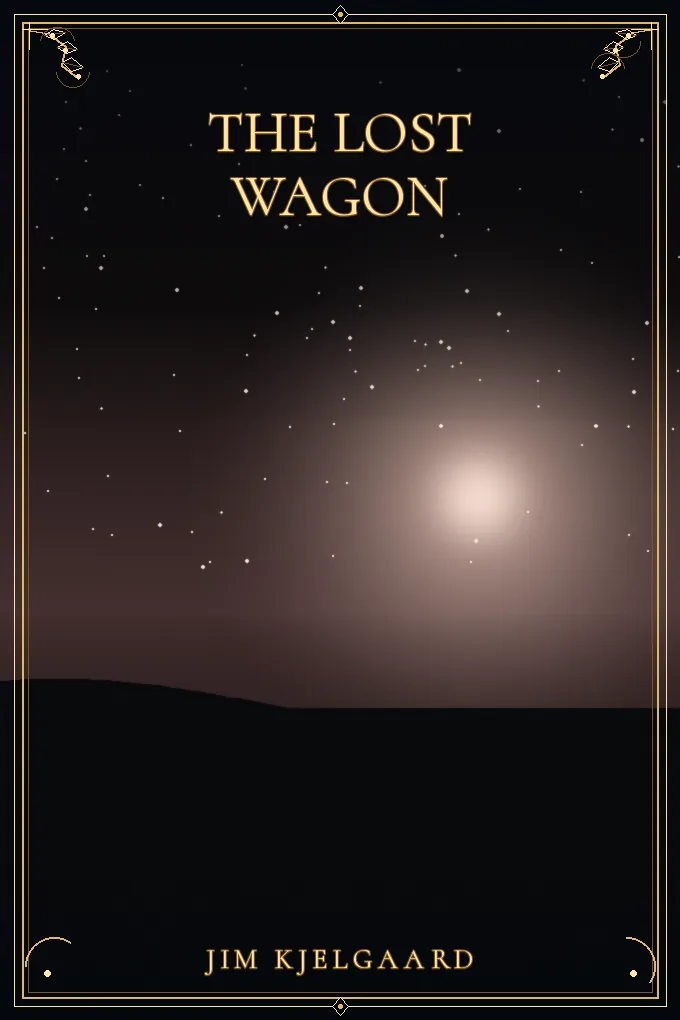
Cover illustration for The Lost Wagon
Context Illustration Reading 1/83 · 5 lines
English subtitles · tap any word to listen 1 / 5
Joe harnessed the mules, hitched them, and climbed into the wagon seat.
It was lonely, forlorn, because Emma was not beside him.
For the first time in days the Trail was a tedious one, utterly lacking in inspiration and joy.
Joe drove the mules at a fast walk.
Two hours later Ellis rode back up the Trail and reined in beside the wagon.
0:00 / 0:00
Speed 0.75x
AI-generated narration by OpenAI · Slow US English
LEARNER DICTIONARY
Archivist
/ˈɑːrkɪvɪst/
Editorial verification pending

A keeper or guardian of historical records and memories.

The Lost Wagon

Chapter XVIII

Chapter 18 of The Lost Wagon is here in full — 415 sentences across 83 reading sections, with audio for every sentence and word.

Reading 1/83 · 5 reading units · Lines 1–5

Line 1
Joe harnessed the mules, hitched them, and climbed into the wagon seat.
Line 2
It was lonely, forlorn, because Emma was not beside him.
Line 3
For the first time in days the Trail was a tedious one, utterly lacking in inspiration and joy.
/fɔːr ðə fɜːrst taɪm ɪn deɪz ðə treɪl wɑːz ə ˈtiːdiəs wʌn ˈʌtərli ˈlækɪŋ ɪn ˌɪnspərˈeɪʃən ənd dʒɔɪ/
Line 4
Joe drove the mules at a fast walk.
Line 5
Two hours later Ellis rode back up the Trail and reined in beside the wagon.
/tuː ˈaʊərz ˈleɪtər ˈelɪs roʊd bæk ʌp ðə treɪl ənd reɪnd ɪn bɪˈsaɪd ðə ˈwæɡən/

Learner Dictionary

These definitions explain words found in the current reading and keep every example grounded in its original sentence.

Oxford-style entry order: headword, part of speech, US IPA, concise definition, contextual example, and audio.

Ellis noun US /ˈelɪs/

plural of “elli” — (Norse mythology) goddess of old age who defeated Thor in a wrestling match

From this reading “Two hours later Ellis rode back up the Trail and reined in beside the wagon.”

forlorn adjective US /fərˈlɔːrn/

marked by or showing hopelessness

From this reading “It was lonely, forlorn, because Emma was not beside him.”

harnessed adjective US /ˈhɑːrnəst/

brought under control and put to use

From this reading “Joe harnessed the mules, hitched them, and climbed into the wagon seat.”

hitched verb US /hɪtʃt/

past form of “hitch” — to hook or entangle

From this reading “Joe harnessed the mules, hitched them, and climbed into the wagon seat.”

lacking adjective US /ˈlækɪŋ/

inadequate in amount or degree

From this reading “For the first time in days the Trail was a tedious one, utterly lacking in inspiration and joy.”

mules noun US /mjuːlz/

plural of “mule” — hybrid offspring of a male donkey and a female horse; usually sterile

From this reading “Joe harnessed the mules, hitched them, and climbed into the wagon seat.”

reined verb US /reɪnd/

past form of “rein” — control and direct with or as if by reins

From this reading “Two hours later Ellis rode back up the Trail and reined in beside the wagon.”

tedious adjective US /ˈtiːdiəs/

so lacking in interest as to cause mental weariness

From this reading “For the first time in days the Trail was a tedious one, utterly lacking in inspiration and joy.”

Word partnerships in these lines

English keeps certain words together, and knowing the pair is worth more than knowing each word alone. Every partnership below was counted across our whole published library, and earns its place by appearing far more often than two unrelated words of the same frequency would.

Shown as this reading writes them, with the form the library counts, what kind of pairing it is, and how often it occurs.

Two hours noun + noun

In this reading “Two hours later Ellis rode back up the Trail and reined in beside the wagon.”

first time adjective + noun

In this reading “For the first time in days the Trail was a tedious one, utterly lacking in inspiration and joy.”

climbed into verb + particle counted as “climb into”

In this reading “Joe harnessed the mules, hitched them, and climbed into the wagon seat.”

rode back verb + particle counted as “ride back”

In this reading “Two hours later Ellis rode back up the Trail and reined in beside the wagon.”

into the wagon preposition + article + noun counted as “into … wagon”

In this reading “Joe harnessed the mules, hitched them, and climbed into the wagon seat.”

reined in verb + particle counted as “rein in”

stop or slow up one's horse or oneself by or as if by pulling the reins

In this reading “Two hours later Ellis rode back up the Trail and reined in beside the wagon.”

All words in this reading · 45

Every word in these five lines is listed here, and every one of them can be played on its own.

Dictionary details are shown only when verified; these are not licensed Oxford entries.

adeterminerUS /ə/

used before a singular noun to mean one of a group, when it is not a particular one

From this reading For the first time in days the Trail was a tedious one, utterly lacking in inspiration and joy.

andconjunctionUS /ənd/

used to join words or parts of a sentence that go together

From this reading Joe harnessed the mules, hitched them, and climbed into the wagon seat.

atprepositionUS /æt/

in or near a particular place or position

From this reading Joe drove the mules at a fast walk.

backadverbUS /bæk/

in or to or toward a former location

From this reading Two hours later Ellis rode back up the Trail and reined in beside the wagon.

becauseconjunctionUS /bɪˈkɔːz/

for the reason that

From this reading It was lonely, forlorn, because Emma was not beside him.

besideprepositionUS /bɪˈsaɪd/

next to; at the side of

From this reading It was lonely, forlorn, because Emma was not beside him.

climbedverbUS /klaɪmd/

past form of “climb” — go upward with gradual or continuous progress

From this reading Joe harnessed the mules, hitched them, and climbed into the wagon seat.

daysnounUS /deɪz/

the time during which someone's life continues

From this reading For the first time in days the Trail was a tedious one, utterly lacking in inspiration and joy.

drovenounUS /droʊv/

a group of animals (a herd or flock) moving together

From this reading Joe drove the mules at a fast walk.

EllisnounUS /ˈelɪs/

plural of “elli” — (Norse mythology) goddess of old age who defeated Thor in a wrestling match

From this reading Two hours later Ellis rode back up the Trail and reined in beside the wagon.

Emma

Dictionary entry pending editorial verification. Tap Listen to hear the word.

From this reading It was lonely, forlorn, because Emma was not beside him.

fastadverbUS /fæst/

quickly or rapidly (often used as a combining form)

From this reading Joe drove the mules at a fast walk.

firstadjectiveUS /fɜːrst/

preceding all others in time or space or degree

From this reading For the first time in days the Trail was a tedious one, utterly lacking in inspiration and joy.

ForprepositionUS /fɔːr/

intended to be given to, or used by, somebody

From this reading For the first time in days the Trail was a tedious one, utterly lacking in inspiration and joy.

forlornadjectiveUS /fərˈlɔːrn/

marked by or showing hopelessness

From this reading It was lonely, forlorn, because Emma was not beside him.

harnessedadjectiveUS /ˈhɑːrnəst/

brought under control and put to use

From this reading Joe harnessed the mules, hitched them, and climbed into the wagon seat.

himpronounUS /hɪm/

the male already mentioned, as the object of a verb or preposition

From this reading It was lonely, forlorn, because Emma was not beside him.

hitchedverbUS /hɪtʃt/

past form of “hitch” — to hook or entangle

From this reading Joe harnessed the mules, hitched them, and climbed into the wagon seat.

hoursnounUS /ˈaʊərz/

a period of time assigned for work

From this reading Two hours later Ellis rode back up the Trail and reined in beside the wagon.

inprepositionUS /ɪn/

inside something, or within a place, period, or state

From this reading For the first time in days the Trail was a tedious one, utterly lacking in inspiration and joy.

inspirationnounUS /ˌɪnspərˈeɪʃən/

arousal of the mind to special unusual activity or creativity

From this reading For the first time in days the Trail was a tedious one, utterly lacking in inspiration and joy.

intoprepositionUS /ˈɪntuː/

moving to the inside of something

From this reading Joe harnessed the mules, hitched them, and climbed into the wagon seat.

ItpronounUS /ɪt/

a thing, animal, or idea already mentioned

From this reading It was lonely, forlorn, because Emma was not beside him.

Joe

Dictionary entry pending editorial verification. Tap Listen to hear the word.

From this reading Joe harnessed the mules, hitched them, and climbed into the wagon seat.

joynounUS /dʒɔɪ/

the emotion of great happiness

From this reading For the first time in days the Trail was a tedious one, utterly lacking in inspiration and joy.

lackingadjectiveUS /ˈlækɪŋ/

inadequate in amount or degree

From this reading For the first time in days the Trail was a tedious one, utterly lacking in inspiration and joy.

lateradverbUS /ˈleɪtər/

happening at a time subsequent to a reference time

From this reading Two hours later Ellis rode back up the Trail and reined in beside the wagon.

lonelyadjectiveUS /ˈloʊnli/

lacking companions or companionship

From this reading It was lonely, forlorn, because Emma was not beside him.

mulesnounUS /mjuːlz/

plural of “mule” — hybrid offspring of a male donkey and a female horse; usually sterile

From this reading Joe harnessed the mules, hitched them, and climbed into the wagon seat.

notadverbUS /nɑːt/

used to make a word, phrase, or sentence negative

From this reading It was lonely, forlorn, because Emma was not beside him.

onepronounUS /wʌn/

used to mean any person in general, including the speaker

From this reading For the first time in days the Trail was a tedious one, utterly lacking in inspiration and joy.

reinedverbUS /reɪnd/

past form of “rein” — control and direct with or as if by reins

From this reading Two hours later Ellis rode back up the Trail and reined in beside the wagon.

rodeverbUS /roʊd/

inflected form of “ride” — sit and travel on the back of animal, usually while controlling its motions

From this reading Two hours later Ellis rode back up the Trail and reined in beside the wagon.

seatnounUS /siːt/

a space reserved for sitting (as in a theater or on a train or airplane)

From this reading Joe harnessed the mules, hitched them, and climbed into the wagon seat.

tediousadjectiveUS /ˈtiːdiəs/

so lacking in interest as to cause mental weariness

From this reading For the first time in days the Trail was a tedious one, utterly lacking in inspiration and joy.

thedeterminerUS /ðə/

used before a noun that is already known, already mentioned, or the only one of its kind

From this reading Joe harnessed the mules, hitched them, and climbed into the wagon seat.

thempronounUS /ðem/

the people or things already mentioned, as the object

From this reading Joe harnessed the mules, hitched them, and climbed into the wagon seat.

timenounUS /taɪm/

an instance or single occasion for some event

From this reading For the first time in days the Trail was a tedious one, utterly lacking in inspiration and joy.

TrailnounUS /treɪl/

a track or mark left by something that has passed

From this reading For the first time in days the Trail was a tedious one, utterly lacking in inspiration and joy.

TwonounUS /tuː/

the cardinal number that is the sum of one and one or a numeral representing this number

From this reading Two hours later Ellis rode back up the Trail and reined in beside the wagon.

upadjectiveUS /ʌp/

being or moving higher in position or greater in some value; being above a former position or level

From this reading Two hours later Ellis rode back up the Trail and reined in beside the wagon.

utterlyadverbUS /ˈʌtərli/

completely and without qualification; used informally as intensifiers

From this reading For the first time in days the Trail was a tedious one, utterly lacking in inspiration and joy.

wagonnounUS /ˈwæɡən/

any of various kinds of wheeled vehicles drawn by an animal or a tractor

From this reading Joe harnessed the mules, hitched them, and climbed into the wagon seat.

walknounUS /wɔːk/

the act of traveling by foot

From this reading Joe drove the mules at a fast walk.

wasauxiliary verbUS /wɑːz/

the past form of “be” used with I, he, she, it, or a singular noun

From this reading It was lonely, forlorn, because Emma was not beside him.

Chapter 18 of The Lost Wagon by Jim Kjelgaard holds 415 sentences, grouped into 83 reading sections of at most 5 sentences. The text is the source edition, unabridged, and the chapter records which sentences cover which part of the work so that nothing is dropped. Every word can be tapped for its pronunciation and dictionary entry.

What does chapter 18 of The Lost Wagon contain?

Chapter 18 holds 415 sentences of The Lost Wagon, unabridged, divided into 83 reading sections.

This page carries chapter 18 of The Lost Wagon by Jim Kjelgaard exactly as it stands in the source edition, without abridgement. It runs to 415 sentences, grouped into 83 sections of at most 5 sentences so that a reader can take the chapter in steady, finishable pieces. The chapter also stores a coverage record mapping every one of its sentences to a part of the work, which is how the edition demonstrates that no line was dropped.

How do I study chapter 18 of The Lost Wagon?

Work through the 83 sections in order, replaying any sentence and tapping unfamiliar words for their entries.

Each of the 83 sections in this chapter is short enough to read once, hear once, and then re-read with the vocabulary in view. Tapping a word plays it alone and opens its dictionary entry with IPA, part of speech and meaning, so the reader is never forced to guess a pronunciation from spelling. Working section by section keeps a long chapter from becoming an undifferentiated wall of text, which is the usual reason a reader abandons a work of this period.

Can chapter 18 be read aloud to me?

Yes — every sentence and every individual word in chapter 18 can be played aloud in United States English.

Audio covers the whole chapter: any sentence can be played, and any single word within it can be played on its own. The voice uses United States English. For a work of this period that matters, because spelling is an unreliable guide to pronunciation for vocabulary that has fallen out of daily use, and a learner who guesses wrong tends to keep the error. Hearing the word in its own sentence, and then alone, settles it.

Questions about reading The Lost Wagon

Common questions about reading The Lost Wagon by Jim Kjelgaard on this page, its source edition and its audio.

Is this the complete text of The Lost Wagon?

Yes. All 8188 sentences of Project Gutenberg eBook #34697 are kept, with a record of which sentences cover which part.

Which edition of The Lost Wagon is used?

Project Gutenberg eBook #34697, unabridged. The Project Gutenberg header, footer and licence are removed.

How long does The Lost Wagon take to read?

About 600 minutes of reading across 1638 sections of 5 sentences each, at an unhurried pace.

How to read The Lost Wagon section by section

How to work through The Lost Wagon section by section, using the audio and the tap-to-define vocabulary.

  1. Open a chapter

    Choose one of the 20 chapters of The Lost Wagon to begin.

  2. Read one section

    Each section holds 5 sentences; read it once through.

  3. Listen and tap

    Play the section aloud, then tap any unfamiliar word for its entry.

Vocabulary met early in The Lost Wagon

Words and structures a reader meets early in The Lost Wagon, each tappable for pronunciation and meaning.

Lithographed
A word that appears in the opening chapter of The Lost Wagon; the reader can tap it to hear it and see its dictionary entry.
Company
A word that appears in the opening chapter of The Lost Wagon; the reader can tap it to hear it and see its dictionary entry.
Library
A word that appears in the opening chapter of The Lost Wagon; the reader can tap it to hear it and see its dictionary entry.
Congress
A word that appears in the opening chapter of The Lost Wagon; the reader can tap it to hear it and see its dictionary entry.