Complete classic literature • Five-line readings • Clear US narration
VELMORA ACADEMY
Academy of Archival Languages & Memory Studies
Menu Close
The Mystery at Putnam Hall

Chapter XXVI · Chapter 26

Chapter 26 of The Mystery at Putnam Hall is here in full — 119 sentences across 24 reading sections, with audio for every sentence and word.

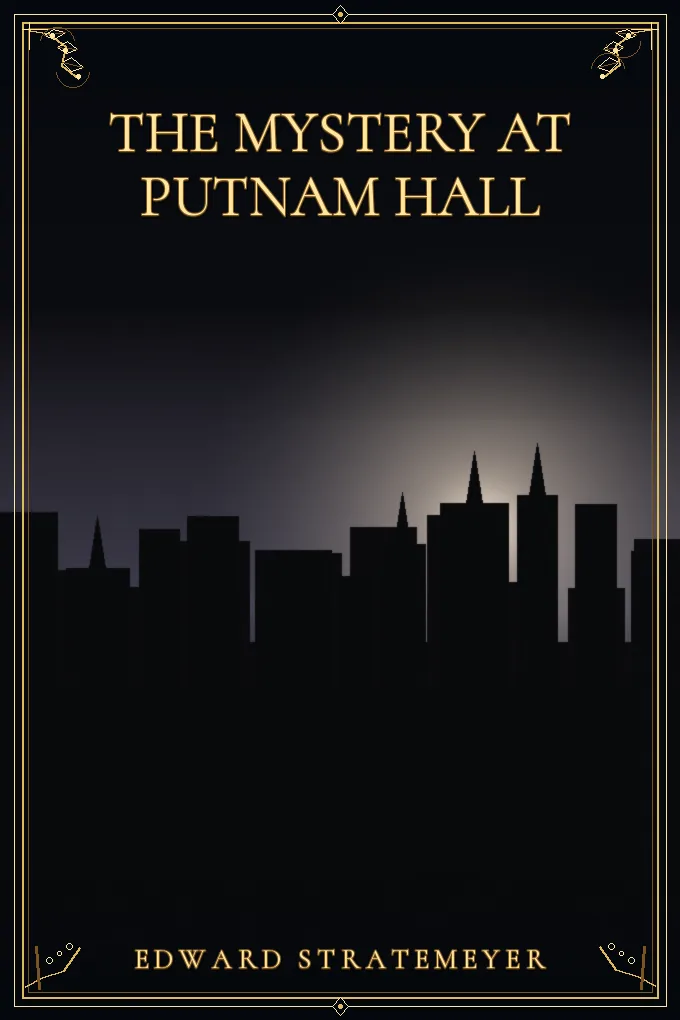
Cover illustration for The Mystery at Putnam Hall
Context Illustration Reading 1/23 · 5 lines
English subtitles · tap any word to listen 1 / 5
WHAT THE CONSTABLE THOUGHT Up the stairs went the two cadets, Jack leading the way.
On the upper landing they paused, for the sounds of footsteps had suddenly ceased.
"Which way did he go?" whispered Pepper.
"I don't know, Pepper.
Go slow now, we don't want to walk into any trap."
0:00 / 0:00
Speed 0.75x
AI-generated narration by OpenAI · Slow US English
LEARNER DICTIONARY
Archivist
/ˈɑːrkɪvɪst/
Editorial verification pending

A keeper or guardian of historical records and memories.

The Mystery at Putnam Hall

Chapter XXVI · Chapter 26

Chapter 26 of The Mystery at Putnam Hall is here in full — 119 sentences across 24 reading sections, with audio for every sentence and word.

Reading 1/23 · 5 reading units · Lines 1–5

Line 1
WHAT THE CONSTABLE THOUGHT Up the stairs went the two cadets, Jack leading the way.
/wʌt ðə ˈkɑːnstəbəl θɔːt ʌp ðə sterz went ðə tuː kəˈdets dʒæk ˈliːdɪŋ ðə weɪ/
Line 2
On the upper landing they paused, for the sounds of footsteps had suddenly ceased.
/ɑːn ðə ˈʌpər ˈlændɪŋ ðeɪ pɔːzd fɔːr ðə saʊndz ʌv ˈfʊtsteps hæd ˈsʌdənli siːst/
Line 3
"Which way did he go?" whispered Pepper.
/wɪtʃ weɪ dɪd hiː ɡoʊ ˈwɪspərd ˈpepər/
Line 4
"I don't know, Pepper.
Line 5
Go slow now, we don't want to walk into any trap."

Learner Dictionary

These definitions explain words found in the current reading and keep every example grounded in its original sentence.

Oxford-style entry order: headword, part of speech, US IPA, concise definition, contextual example, and audio.

cadets noun US /kəˈdets/

plural of “cadet” — a military trainee (as at a military academy)

From this reading “WHAT THE CONSTABLE THOUGHT Up the stairs went the two cadets, Jack leading the way.”

constable noun US /ˈkɑːnstəbəl/

a lawman with less authority and jurisdiction than a sheriff

From this reading “WHAT THE CONSTABLE THOUGHT Up the stairs went the two cadets, Jack leading the way.”

footsteps noun US /ˈfʊtsteps/

plural of “footstep” — the sound of a step of someone walking

From this reading “On the upper landing they paused, for the sounds of footsteps had suddenly ceased.”

landing noun US /ˈlændɪŋ/

an intermediate platform in a staircase

From this reading “On the upper landing they paused, for the sounds of footsteps had suddenly ceased.”

Pepper verb US /ˈpepər/

add pepper to

From this reading “"Which way did he go?" whispered Pepper.”

sounds noun US /saʊndz/

plural of “sound” — the particular auditory effect produced by a given cause

From this reading “On the upper landing they paused, for the sounds of footsteps had suddenly ceased.”

trap noun US /træp/

a device in which something (usually an animal) can be caught and penned

From this reading “Go slow now, we don't want to walk into any trap."”

upper adjective US /ˈʌpər/

the topmost one of two

From this reading “On the upper landing they paused, for the sounds of footsteps had suddenly ceased.”

All words in this reading · 42

Every word in these five lines is listed here, and every one of them can be played on its own.

Dictionary details are shown only when verified; these are not licensed Oxford entries.

anyadjectiveUS /ˈeni/

one or some or every or all without specification

From this reading Go slow now, we don't want to walk into any trap."

cadetsnounUS /kəˈdets/

plural of “cadet” — a military trainee (as at a military academy)

From this reading WHAT THE CONSTABLE THOUGHT Up the stairs went the two cadets, Jack leading the way.

ceasedverbUS /siːst/

past form of “cease” — put an end to a state or an activity

From this reading On the upper landing they paused, for the sounds of footsteps had suddenly ceased.

CONSTABLEnounUS /ˈkɑːnstəbəl/

a lawman with less authority and jurisdiction than a sheriff

From this reading WHAT THE CONSTABLE THOUGHT Up the stairs went the two cadets, Jack leading the way.

didauxiliary verbUS /dɪd/

the past form of “do”, used in questions and negatives

From this reading "Which way did he go?" whispered Pepper.

don't

Dictionary entry pending editorial verification. Tap Listen to hear the word.

From this reading "I don't know, Pepper.

footstepsnounUS /ˈfʊtsteps/

plural of “footstep” — the sound of a step of someone walking

From this reading On the upper landing they paused, for the sounds of footsteps had suddenly ceased.

forprepositionUS /fɔːr/

intended to be given to, or used by, somebody

From this reading On the upper landing they paused, for the sounds of footsteps had suddenly ceased.

goverbUS /ɡoʊ/

change location; move, travel, or proceed, also metaphorically

From this reading "Which way did he go?" whispered Pepper.

hadauxiliary verbUS /hæd/

the past form of “have”, used to form the past perfect

From this reading On the upper landing they paused, for the sounds of footsteps had suddenly ceased.

hepronounUS /hiː/

a man, boy, or male animal already mentioned, as the subject

From this reading "Which way did he go?" whispered Pepper.

IpronounUS /aɪ/

the person speaking or writing, as the subject of the verb

From this reading "I don't know, Pepper.

intoprepositionUS /ˈɪntuː/

moving to the inside of something

From this reading Go slow now, we don't want to walk into any trap."

JacknounUS /dʒæk/

a small worthless amount

From this reading WHAT THE CONSTABLE THOUGHT Up the stairs went the two cadets, Jack leading the way.

knowverbUS /noʊ/

be cognizant or aware of a fact or a specific piece of information; possess knowledge or information about

From this reading "I don't know, Pepper.

landingnounUS /ˈlændɪŋ/

an intermediate platform in a staircase

From this reading On the upper landing they paused, for the sounds of footsteps had suddenly ceased.

leadingadjectiveUS /ˈliːdɪŋ/

indicating the most important performer or role

From this reading WHAT THE CONSTABLE THOUGHT Up the stairs went the two cadets, Jack leading the way.

nowadverbUS /naʊ/

in the historical present; at this point in the narration of a series of past events

From this reading Go slow now, we don't want to walk into any trap."

ofprepositionUS /ʌv/

belonging to, or connected with, somebody or something

From this reading On the upper landing they paused, for the sounds of footsteps had suddenly ceased.

OnprepositionUS /ɑːn/

touching and supported by a surface

From this reading On the upper landing they paused, for the sounds of footsteps had suddenly ceased.

pausedverbUS /pɔːzd/

past form of “pause” — interrupt temporarily an activity before continuing

From this reading On the upper landing they paused, for the sounds of footsteps had suddenly ceased.

PepperverbUS /ˈpepər/

add pepper to

From this reading "Which way did he go?" whispered Pepper.

slowadjectiveUS /sloʊ/

not moving quickly; taking a comparatively long time

From this reading Go slow now, we don't want to walk into any trap."

soundsnounUS /saʊndz/

plural of “sound” — the particular auditory effect produced by a given cause

From this reading On the upper landing they paused, for the sounds of footsteps had suddenly ceased.

stairsnounUS /sterz/

a flight of stairs or a flight of steps

From this reading WHAT THE CONSTABLE THOUGHT Up the stairs went the two cadets, Jack leading the way.

suddenlyadverbUS /ˈsʌdənli/

happening unexpectedly

From this reading On the upper landing they paused, for the sounds of footsteps had suddenly ceased.

THEdeterminerUS /ðə/

used before a noun that is already known, already mentioned, or the only one of its kind

From this reading WHAT THE CONSTABLE THOUGHT Up the stairs went the two cadets, Jack leading the way.

theypronounUS /ðeɪ/

the people, animals, or things already mentioned, as the subject

From this reading On the upper landing they paused, for the sounds of footsteps had suddenly ceased.

THOUGHTnounUS /θɔːt/

the content of cognition; the main thing you are thinking about

From this reading WHAT THE CONSTABLE THOUGHT Up the stairs went the two cadets, Jack leading the way.

toparticleUS /tuː/

used before the base form of a verb to make the infinitive

From this reading Go slow now, we don't want to walk into any trap."

trapnounUS /træp/

a device in which something (usually an animal) can be caught and penned

From this reading Go slow now, we don't want to walk into any trap."

twonounUS /tuː/

the cardinal number that is the sum of one and one or a numeral representing this number

From this reading WHAT THE CONSTABLE THOUGHT Up the stairs went the two cadets, Jack leading the way.

UpadjectiveUS /ʌp/

being or moving higher in position or greater in some value; being above a former position or level

From this reading WHAT THE CONSTABLE THOUGHT Up the stairs went the two cadets, Jack leading the way.

upperadjectiveUS /ˈʌpər/

the topmost one of two

From this reading On the upper landing they paused, for the sounds of footsteps had suddenly ceased.

walknounUS /wɔːk/

the act of traveling by foot

From this reading Go slow now, we don't want to walk into any trap."

wantverbUS /wɑːnt/

feel or have a desire for; want strongly

From this reading Go slow now, we don't want to walk into any trap."

waynounUS /weɪ/

how something is done or how it happens

From this reading WHAT THE CONSTABLE THOUGHT Up the stairs went the two cadets, Jack leading the way.

wepronounUS /wiː/

the speaker together with one or more other people

From this reading Go slow now, we don't want to walk into any trap."

wentverbUS /went/

inflected form of “go” — change location; move, travel, or proceed, also metaphorically

From this reading WHAT THE CONSTABLE THOUGHT Up the stairs went the two cadets, Jack leading the way.

WHATpronounUS /wʌt/

used to ask for information about something

From this reading WHAT THE CONSTABLE THOUGHT Up the stairs went the two cadets, Jack leading the way.

WhichpronounUS /wɪtʃ/

used to introduce a clause giving more about a thing just mentioned

From this reading "Which way did he go?" whispered Pepper.

whisperedadjectiveUS /ˈwɪspərd/

spoken in soft hushed tones without vibrations of the vocal cords

From this reading "Which way did he go?" whispered Pepper.

Chapter 26 of The Mystery at Putnam Hall by Edward Stratemeyer holds 119 sentences, grouped into 24 reading sections of at most 5 sentences. The text is the source edition, unabridged, and the chapter records which sentences cover which part of the work so that nothing is dropped. Every word can be tapped for its pronunciation and dictionary entry.

What does chapter 26 of The Mystery at Putnam Hall contain?

Chapter 26 holds 119 sentences of The Mystery at Putnam Hall, unabridged, divided into 24 reading sections.

This page carries chapter 26 of The Mystery at Putnam Hall by Edward Stratemeyer exactly as it stands in the source edition, without abridgement. It runs to 119 sentences, grouped into 24 sections of at most 5 sentences so that a reader can take the chapter in steady, finishable pieces. The chapter also stores a coverage record mapping every one of its sentences to a part of the work, which is how the edition demonstrates that no line was dropped.

How do I study chapter 26 of The Mystery at Putnam Hall?

Work through the 24 sections in order, replaying any sentence and tapping unfamiliar words for their entries.

Each of the 24 sections in this chapter is short enough to read once, hear once, and then re-read with the vocabulary in view. Tapping a word plays it alone and opens its dictionary entry with IPA, part of speech and meaning, so the reader is never forced to guess a pronunciation from spelling. Working section by section keeps a long chapter from becoming an undifferentiated wall of text, which is the usual reason a reader abandons a work of this period.

Can chapter 26 be read aloud to me?

Yes — every sentence and every individual word in chapter 26 can be played aloud in United States English.

Audio covers the whole chapter: any sentence can be played, and any single word within it can be played on its own. The voice uses United States English. For a work of this period that matters, because spelling is an unreliable guide to pronunciation for vocabulary that has fallen out of daily use, and a learner who guesses wrong tends to keep the error. Hearing the word in its own sentence, and then alone, settles it.

Questions about reading The Mystery at Putnam Hall

Common questions about reading The Mystery at Putnam Hall by Edward Stratemeyer on this page, its source edition and its audio.

Is this the complete text of The Mystery at Putnam Hall?

Yes. All 4426 sentences of Project Gutenberg eBook #17636 are kept, with a record of which sentences cover which part.

Which edition of The Mystery at Putnam Hall is used?

Project Gutenberg eBook #17636, unabridged. The Project Gutenberg header, footer and licence are removed.

How long does The Mystery at Putnam Hall take to read?

About 368 minutes of reading across 886 sections of 5 sentences each, at an unhurried pace.

How to read The Mystery at Putnam Hall section by section

How to work through The Mystery at Putnam Hall section by section, using the audio and the tap-to-define vocabulary.

  1. Open a chapter

    Choose one of the 30 chapters of The Mystery at Putnam Hall to begin.

  2. Read one section

    Each section holds 5 sentences; read it once through.

  3. Listen and tap

    Play the section aloud, then tap any unfamiliar word for its entry.

Vocabulary met early in The Mystery at Putnam Hall

Words and structures a reader meets early in The Mystery at Putnam Hall, each tappable for pronunciation and meaning.

Again
A word that appears in the opening chapter of The Mystery at Putnam Hall; the reader can tap it to hear it and see its dictionary entry.
Clown
A word that appears in the opening chapter of The Mystery at Putnam Hall; the reader can tap it to hear it and see its dictionary entry.
Circus
A word that appears in the opening chapter of The Mystery at Putnam Hall; the reader can tap it to hear it and see its dictionary entry.
Right
A word that appears in the opening chapter of The Mystery at Putnam Hall; the reader can tap it to hear it and see its dictionary entry.