1860
Dictionary entry pending editorial verification. Tap Listen to hear the word.
From this reading It appears that the action of the story was set in the 1860s.
1903
Dictionary entry pending editorial verification. Tap Listen to hear the word.
From this reading ________________________________________________________________________ This extraordinary book was acclaimed on its publication in 1903 as one of the very best books ever written in the English language.
acclaimedverbUS /əˈkleɪmd/
past form of “acclaim” — praise vociferously
From this reading ________________________________________________________________________ This extraordinary book was acclaimed on its publication in 1903 as one of the very best books ever written in the English language.
something done (usually as opposed to something said)
From this reading It appears that the action of the story was set in the 1860s.
actorsnounUS /ˈæktərz/
plural of “actor” — a theatrical performer
From this reading There are not so many actors in the story that the reader is baffled, and each of them is beautifully drawn, so that their characters stand out clearly and consistently.
used to join words or parts of a sentence that go together
From this reading There are not so many actors in the story that the reader is baffled, and each of them is beautifully drawn, so that their characters stand out clearly and consistently.
third-person singular of “appear” — give a certain impression or have a certain outward aspect
From this reading It appears that the action of the story was set in the 1860s.
areauxiliary verbUS /ɑːr/
the form of “be” used with you, we, they, or a plural noun
From this reading There are not so many actors in the story that the reader is baffled, and each of them is beautifully drawn, so that their characters stand out clearly and consistently.
at the same time that; because; in the way that
From this reading ________________________________________________________________________ This extraordinary book was acclaimed on its publication in 1903 as one of the very best books ever written in the English language.
bafflednounUS /ˈbæfəld/
people who are frustrated and perplexed
From this reading There are not so many actors in the story that the reader is baffled, and each of them is beautifully drawn, so that their characters stand out clearly and consistently.
beautifullyadverbUS /ˈbjuːtəfli/
in a beautiful manner
From this reading There are not so many actors in the story that the reader is baffled, and each of them is beautifully drawn, so that their characters stand out clearly and consistently.
the supreme effort one can make
From this reading ________________________________________________________________________ This extraordinary book was acclaimed on its publication in 1903 as one of the very best books ever written in the English language.
a written work or composition that has been published (printed on pages bound together)
From this reading ________________________________________________________________________ This extraordinary book was acclaimed on its publication in 1903 as one of the very best books ever written in the English language.
Bound written or printed works.
From this reading ________________________________________________________________________ This extraordinary book was acclaimed on its publication in 1903 as one of the very best books ever written in the English language.
showing who or what does the action
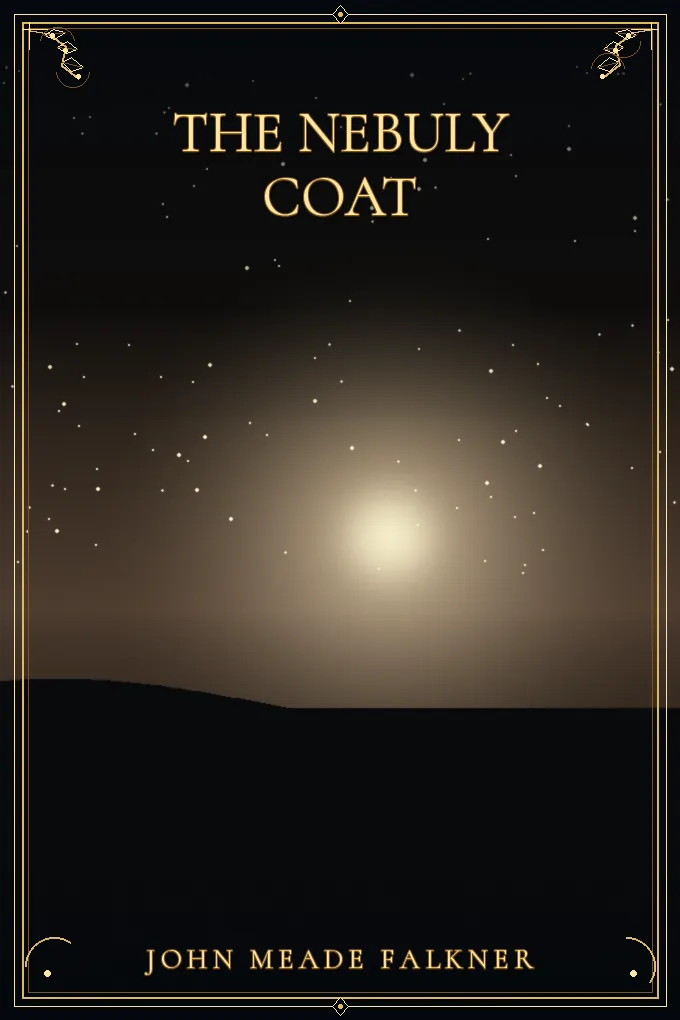
From this reading The Nebuly Coat, by John Meade Falkner.
plural of “character” — an imaginary person represented in a work of fiction (play or film or story)
From this reading There are not so many actors in the story that the reader is baffled, and each of them is beautifully drawn, so that their characters stand out clearly and consistently.
without doubt or question
From this reading There are not so many actors in the story that the reader is baffled, and each of them is beautifully drawn, so that their characters stand out clearly and consistently.
an outer garment that has sleeves and covers the body from shoulder down; worn outdoors
From this reading The Nebuly Coat, by John Meade Falkner.
consistentlyadverbUS /kənˈsɪstəntli/
in a systematic or consistent manner
From this reading There are not so many actors in the story that the reader is baffled, and each of them is beautifully drawn, so that their characters stand out clearly and consistently.
showing the wearing effects of overwork or care or suffering
From this reading There are not so many actors in the story that the reader is baffled, and each of them is beautifully drawn, so that their characters stand out clearly and consistently.
every one of two or more people or things, taken separately
From this reading There are not so many actors in the story that the reader is baffled, and each of them is beautifully drawn, so that their characters stand out clearly and consistently.
editionnounUS /əˈdɪʃən/
the form in which a text (especially a printed book) is published
From this reading We have worked for this transcription from the first edition, which was given two printings, of which we used the second.
an Indo-European language belonging to the West Germanic branch; the official language of Britain and the United States and most of the commonwealth countries
From this reading ________________________________________________________________________ This extraordinary book was acclaimed on its publication in 1903 as one of the very best books ever written in the English language.
at any time
From this reading ________________________________________________________________________ This extraordinary book was acclaimed on its publication in 1903 as one of the very best books ever written in the English language.
beyond what is ordinary or usual; highly unusual or exceptional or remarkable
From this reading ________________________________________________________________________ This extraordinary book was acclaimed on its publication in 1903 as one of the very best books ever written in the English language.
FalknernounUS /ˈfɔːknər/
United States novelist (originally Falkner) who wrote about people in the southern United States (1897-1962)
From this reading The Nebuly Coat, by John Meade Falkner.
firstadjectiveUS /fɜːrst/
preceding all others in time or space or degree
From this reading We have worked for this transcription from the first edition, which was given two printings, of which we used the second.
intended to be given to, or used by, somebody
From this reading We have worked for this transcription from the first edition, which was given two printings, of which we used the second.
showing where something starts, or who sent it
From this reading We have worked for this transcription from the first edition, which was given two printings, of which we used the second.
givenadjectiveUS /ˈɡɪvən/
acknowledged as a supposition
From this reading We have worked for this transcription from the first edition, which was given two printings, of which we used the second.
haveauxiliary verbUS /hæv/
used with a past participle to form the perfect tenses
From this reading We have worked for this transcription from the first edition, which was given two printings, of which we used the second.
inside something, or within a place, period, or state
From this reading ________________________________________________________________________ This extraordinary book was acclaimed on its publication in 1903 as one of the very best books ever written in the English language.
the form of “be” used with he, she, it, or a singular noun
From this reading There are not so many actors in the story that the reader is baffled, and each of them is beautifully drawn, so that their characters stand out clearly and consistently.
a thing, animal, or idea already mentioned
From this reading It appears that the action of the story was set in the 1860s.
belonging to the thing or animal already mentioned
From this reading ________________________________________________________________________ This extraordinary book was acclaimed on its publication in 1903 as one of the very best books ever written in the English language.
a room or building equipped with one or more toilets
From this reading The Nebuly Coat, by John Meade Falkner.
a systematic means of communicating by the use of sounds or conventional symbols
From this reading ________________________________________________________________________ This extraordinary book was acclaimed on its publication in 1903 as one of the very best books ever written in the English language.
a quantifier that can be used with count nouns and is often preceded by “as” or “too” or “so” or “that”; amounting to a large but indefinite number
From this reading There are not so many actors in the story that the reader is baffled, and each of them is beautifully drawn, so that their characters stand out clearly and consistently.
MeadenounUS /miːd/
English economist noted for his studies of international trade and finance (1907-1995)
From this reading The Nebuly Coat, by John Meade Falkner.
Nebuly
Dictionary entry pending editorial verification. Tap Listen to hear the word.
From this reading The Nebuly Coat, by John Meade Falkner.
used to make a word, phrase, or sentence negative
From this reading There are not so many actors in the story that the reader is baffled, and each of them is beautifully drawn, so that their characters stand out clearly and consistently.
belonging to, or connected with, somebody or something
From this reading ________________________________________________________________________ This extraordinary book was acclaimed on its publication in 1903 as one of the very best books ever written in the English language.
touching and supported by a surface
From this reading ________________________________________________________________________ This extraordinary book was acclaimed on its publication in 1903 as one of the very best books ever written in the English language.
used to mean any person in general, including the speaker
From this reading ________________________________________________________________________ This extraordinary book was acclaimed on its publication in 1903 as one of the very best books ever written in the English language.
not allowed to continue to bat or run
From this reading There are not so many actors in the story that the reader is baffled, and each of them is beautifully drawn, so that their characters stand out clearly and consistently.
printingsnounUS /ˈprɪntɪŋz/
plural of “printing” — text handwritten in the style of printed matter
From this reading We have worked for this transcription from the first edition, which was given two printings, of which we used the second.
publicationnounUS /ˌpʌblɪˈkeɪʃən/
a copy of a printed work offered for distribution
From this reading ________________________________________________________________________ This extraordinary book was acclaimed on its publication in 1903 as one of the very best books ever written in the English language.
a person who enjoys reading
From this reading There are not so many actors in the story that the reader is baffled, and each of them is beautifully drawn, so that their characters stand out clearly and consistently.
1/60 of a minute; the basic unit of time adopted under the Systeme International d'Unites
From this reading It appears that the action of the story was set in the 1860s.
1/60 of a minute; the basic unit of time adopted under the Systeme International d'Unites
From this reading We have worked for this transcription from the first edition, which was given two printings, of which we used the second.
put into a certain place or abstract location
From this reading It appears that the action of the story was set in the 1860s.
for that reason; with the result that
From this reading There are not so many actors in the story that the reader is baffled, and each of them is beautifully drawn, so that their characters stand out clearly and consistently.
be standing; be upright
From this reading There are not so many actors in the story that the reader is baffled, and each of them is beautifully drawn, so that their characters stand out clearly and consistently.
a message that tells the particulars of an act or occurrence or course of events; presented in writing or drama or cinema or as a radio or television program
From this reading There are not so many actors in the story that the reader is baffled, and each of them is beautifully drawn, so that their characters stand out clearly and consistently.
used to introduce what somebody said, thought, or felt
From this reading There are not so many actors in the story that the reader is baffled, and each of them is beautifully drawn, so that their characters stand out clearly and consistently.
used before a noun that is already known, already mentioned, or the only one of its kind
From this reading The Nebuly Coat, by John Meade Falkner.
belonging to the people or things already mentioned
From this reading There are not so many actors in the story that the reader is baffled, and each of them is beautifully drawn, so that their characters stand out clearly and consistently.
the people or things already mentioned, as the object
From this reading There are not so many actors in the story that the reader is baffled, and each of them is beautifully drawn, so that their characters stand out clearly and consistently.
in or at that place or location
From this reading There are not so many actors in the story that the reader is baffled, and each of them is beautifully drawn, so that their characters stand out clearly and consistently.
used for a person or thing that is near, or that has just been mentioned
From this reading ________________________________________________________________________ This extraordinary book was acclaimed on its publication in 1903 as one of the very best books ever written in the English language.
transcriptionnounUS /ˌtrænˈskrɪpʃən/
something written, especially copied from one medium to another, as a typewritten version of dictation
From this reading We have worked for this transcription from the first edition, which was given two printings, of which we used the second.
the cardinal number that is the sum of one and one or a numeral representing this number
From this reading We have worked for this transcription from the first edition, which was given two printings, of which we used the second.
employed in accomplishing something
From this reading We have worked for this transcription from the first edition, which was given two printings, of which we used the second.
precisely as stated
From this reading ________________________________________________________________________ This extraordinary book was acclaimed on its publication in 1903 as one of the very best books ever written in the English language.
wasauxiliary verbUS /wɑːz/
the past form of “be” used with I, he, she, it, or a singular noun
From this reading ________________________________________________________________________ This extraordinary book was acclaimed on its publication in 1903 as one of the very best books ever written in the English language.
the speaker together with one or more other people
From this reading We have worked for this transcription from the first edition, which was given two printings, of which we used the second.
used to introduce a clause giving more about a thing just mentioned
From this reading We have worked for this transcription from the first edition, which was given two printings, of which we used the second.
past form of “work” — exert oneself by doing mental or physical work for a purpose or out of necessity
From this reading We have worked for this transcription from the first edition, which was given two printings, of which we used the second.
set down in writing in any of various ways
From this reading ________________________________________________________________________ This extraordinary book was acclaimed on its publication in 1903 as one of the very best books ever written in the English language.