Complete classic literature • Five-line readings • Clear US narration
VELMORA ACADEMY
Academy of Archival Languages & Memory Studies
Menu Close
The Nine-Tenths
The Nine-Tenths

Chapter VIII · Chapter 8

Chapter 8 of The Nine-Tenths is here in full — 432 sentences across 87 reading sections, with audio for every sentence and word.

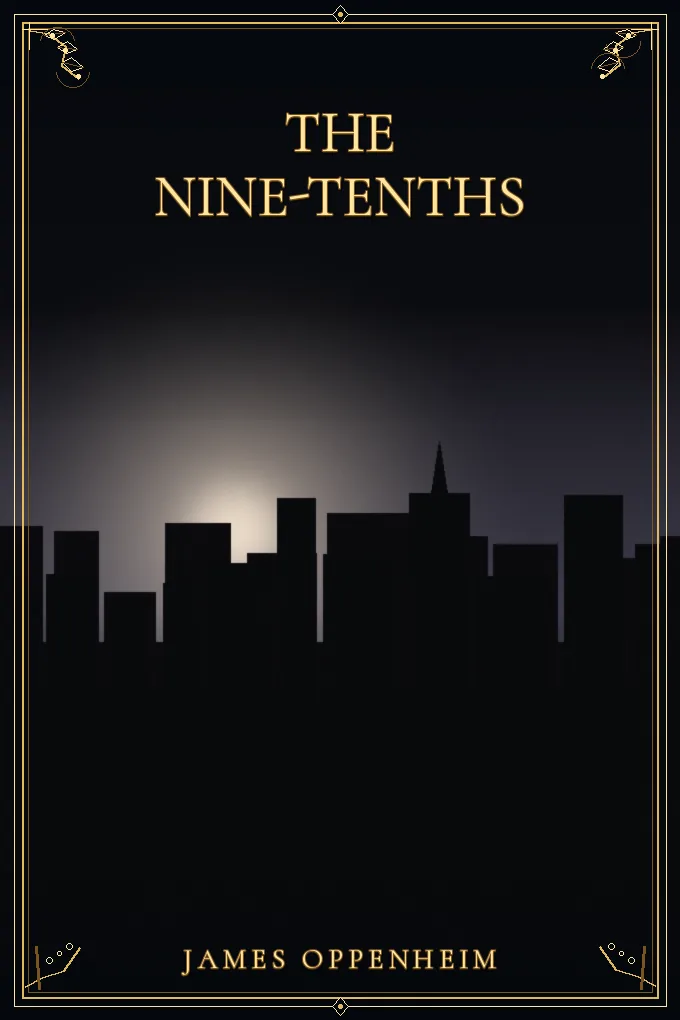
Cover illustration for The Nine-Tenths
Context Illustration Reading 1/86 · 5 lines
English subtitles · tap any word to listen 1 / 5
"Read it!
Read it out loud!"
He opened it and read: TO MY MEN,--I have thought matters over.
I do not like to sever connections with men who have been so long in my employ.
If you return to work this morning, you may go on at the old salaries, and we will consider the matter closed.

0:00 / 0:00
Speed 0.75x
AI-generated narration by OpenAI · Slow US English
LEARNER DICTIONARY
Archivist
/ˈɑːrkɪvɪst/
Editorial verification pending

A keeper or guardian of historical records and memories.

The Nine-Tenths

Chapter VIII · Chapter 8

Chapter 8 of The Nine-Tenths is here in full — 432 sentences across 87 reading sections, with audio for every sentence and word.

Reading 1/86 · 5 reading units · Lines 1–5

Line 1
"Read it!
/red ɪt/
Line 2
Read it out loud!"
/red ɪt aʊt laʊd/
Line 3
He opened it and read: TO MY MEN,--I have thought matters over.
Line 4
I do not like to sever connections with men who have been so long in my employ.
/aɪ duː nɑːt laɪk tuː ˈsevər kəˈnekʃənz wɪð men huː hæv bɪn soʊ lɔːŋ ɪn maɪ emˈplɔɪ/
Line 5
If you return to work this morning, you may go on at the old salaries, and we will consider the matter closed.
/ɪf juː rɪˈtɜːrn tuː wɜːrk ðɪs ˈmɔːrnɪŋ juː meɪ ɡoʊ ɑːn æt ðə oʊld ˈsæləriz ənd wiː wɪl kənˈsɪdər ðə ˈmætər kloʊzd/

Learner Dictionary

These definitions explain words found in the current reading and keep every example grounded in its original sentence.

Oxford-style entry order: headword, part of speech, US IPA, concise definition, contextual example, and audio.

closed adjective US /kloʊzd/

not open or affording passage or access

From this reading “If you return to work this morning, you may go on at the old salaries, and we will consider the matter closed.”

connections noun US /kəˈnekʃənz/

plural of “connection” — a relation between things or events (as in the case of one causing the other or sharing features with it)

From this reading “I do not like to sever connections with men who have been so long in my employ.”

consider verb US /kənˈsɪdər/

deem to be

From this reading “If you return to work this morning, you may go on at the old salaries, and we will consider the matter closed.”

employ verb US /emˈplɔɪ/

put into service; make work or employ for a particular purpose or for its inherent or natural purpose

From this reading “I do not like to sever connections with men who have been so long in my employ.”

loud adjective US /laʊd/

characterized by or producing sound of great volume or intensity

From this reading “Read it out loud!"”

matters noun US /ˈmætərz/

plural of “matter” — a vaguely specified concern

From this reading “He opened it and read: TO MY MEN,--I have thought matters over.”

salaries noun US /ˈsæləriz/

plural of “salary” — something that remunerates

From this reading “If you return to work this morning, you may go on at the old salaries, and we will consider the matter closed.”

sever verb US /ˈsevər/

set or keep apart

From this reading “I do not like to sever connections with men who have been so long in my employ.”

All words in this reading · 45

Every word in these five lines is listed here, and every one of them can be played on its own.

Dictionary details are shown only when verified; these are not licensed Oxford entries.

andconjunctionUS /ənd/

used to join words or parts of a sentence that go together

From this reading He opened it and read: TO MY MEN,--I have thought matters over.

atprepositionUS /æt/

in or near a particular place or position

From this reading If you return to work this morning, you may go on at the old salaries, and we will consider the matter closed.

beenauxiliary verbUS /bɪn/

the past participle of “be”

From this reading I do not like to sever connections with men who have been so long in my employ.

closedadjectiveUS /kloʊzd/

not open or affording passage or access

From this reading If you return to work this morning, you may go on at the old salaries, and we will consider the matter closed.

connectionsnounUS /kəˈnekʃənz/

plural of “connection” — a relation between things or events (as in the case of one causing the other or sharing features with it)

From this reading I do not like to sever connections with men who have been so long in my employ.

considerverbUS /kənˈsɪdər/

deem to be

From this reading If you return to work this morning, you may go on at the old salaries, and we will consider the matter closed.

doauxiliary verbUS /duː/

used to form questions and negatives, and to give emphasis

From this reading I do not like to sever connections with men who have been so long in my employ.

employverbUS /emˈplɔɪ/

put into service; make work or employ for a particular purpose or for its inherent or natural purpose

From this reading I do not like to sever connections with men who have been so long in my employ.

goverbUS /ɡoʊ/

change location; move, travel, or proceed, also metaphorically

From this reading If you return to work this morning, you may go on at the old salaries, and we will consider the matter closed.

haveauxiliary verbUS /hæv/

used with a past participle to form the perfect tenses

From this reading He opened it and read: TO MY MEN,--I have thought matters over.

HepronounUS /hiː/

a man, boy, or male animal already mentioned, as the subject

From this reading He opened it and read: TO MY MEN,--I have thought matters over.

IpronounUS /aɪ/

the person speaking or writing, as the subject of the verb

From this reading He opened it and read: TO MY MEN,--I have thought matters over.

IfconjunctionUS /ɪf/

on condition that; in the event that

From this reading If you return to work this morning, you may go on at the old salaries, and we will consider the matter closed.

inprepositionUS /ɪn/

inside something, or within a place, period, or state

From this reading I do not like to sever connections with men who have been so long in my employ.

itpronounUS /ɪt/

a thing, animal, or idea already mentioned

From this reading "Read it!

likeverbUS /laɪk/

prefer or wish to do something

From this reading I do not like to sever connections with men who have been so long in my employ.

longadjectiveUS /lɔːŋ/

primarily temporal sense; being or indicating a relatively great or greater than average duration or passage of time or a duration as specified

From this reading I do not like to sever connections with men who have been so long in my employ.

loudadjectiveUS /laʊd/

characterized by or producing sound of great volume or intensity

From this reading Read it out loud!"

matternounUS /ˈmætər/

a vaguely specified concern

From this reading If you return to work this morning, you may go on at the old salaries, and we will consider the matter closed.

mattersnounUS /ˈmætərz/

plural of “matter” — a vaguely specified concern

From this reading He opened it and read: TO MY MEN,--I have thought matters over.

maymodal verbUS /meɪ/

used to say something is possible, or to give permission

From this reading If you return to work this morning, you may go on at the old salaries, and we will consider the matter closed.

MENnounUS /men/

the force of workers available

From this reading He opened it and read: TO MY MEN,--I have thought matters over.

morningnounUS /ˈmɔːrnɪŋ/

the time period between dawn and noon

From this reading If you return to work this morning, you may go on at the old salaries, and we will consider the matter closed.

MYdeterminerUS /maɪ/

belonging to the person speaking

From this reading He opened it and read: TO MY MEN,--I have thought matters over.

notadverbUS /nɑːt/

used to make a word, phrase, or sentence negative

From this reading I do not like to sever connections with men who have been so long in my employ.

oldadjectiveUS /oʊld/

(used especially of persons) having lived for a relatively long time or attained a specific age

From this reading If you return to work this morning, you may go on at the old salaries, and we will consider the matter closed.

onprepositionUS /ɑːn/

touching and supported by a surface

From this reading If you return to work this morning, you may go on at the old salaries, and we will consider the matter closed.

openedadjectiveUS /ˈoʊpənd/

used of mouth or eyes

From this reading He opened it and read: TO MY MEN,--I have thought matters over.

outadjectiveUS /aʊt/

not allowed to continue to bat or run

From this reading Read it out loud!"

overprepositionUS /ˈoʊvər/

above and across; more than

From this reading He opened it and read: TO MY MEN,--I have thought matters over.

ReadverbUS /red/

interpret something that is written or printed

From this reading "Read it!

returnverbUS /rɪˈtɜːrn/

go or come back to place, condition, or activity where one has been before

From this reading If you return to work this morning, you may go on at the old salaries, and we will consider the matter closed.

salariesnounUS /ˈsæləriz/

plural of “salary” — something that remunerates

From this reading If you return to work this morning, you may go on at the old salaries, and we will consider the matter closed.

seververbUS /ˈsevər/

set or keep apart

From this reading I do not like to sever connections with men who have been so long in my employ.

soconjunctionUS /soʊ/

for that reason; with the result that

From this reading I do not like to sever connections with men who have been so long in my employ.

thedeterminerUS /ðə/

used before a noun that is already known, already mentioned, or the only one of its kind

From this reading If you return to work this morning, you may go on at the old salaries, and we will consider the matter closed.

thisdeterminerUS /ðɪs/

used for a person or thing that is near, or that has just been mentioned

From this reading If you return to work this morning, you may go on at the old salaries, and we will consider the matter closed.

thoughtnounUS /θɔːt/

the content of cognition; the main thing you are thinking about

From this reading He opened it and read: TO MY MEN,--I have thought matters over.

TOparticleUS /tuː/

used before the base form of a verb to make the infinitive

From this reading He opened it and read: TO MY MEN,--I have thought matters over.

wepronounUS /wiː/

the speaker together with one or more other people

From this reading If you return to work this morning, you may go on at the old salaries, and we will consider the matter closed.

whopronounUS /huː/

which person or people

From this reading I do not like to sever connections with men who have been so long in my employ.

willmodal verbUS /wɪl/

used to talk about the future, or about willingness

From this reading If you return to work this morning, you may go on at the old salaries, and we will consider the matter closed.

withprepositionUS /wɪð/

in the company of; together with

From this reading I do not like to sever connections with men who have been so long in my employ.

workverbUS /wɜːrk/

exert oneself by doing mental or physical work for a purpose or out of necessity

From this reading If you return to work this morning, you may go on at the old salaries, and we will consider the matter closed.

youpronounUS /juː/

the person or people being spoken to

From this reading If you return to work this morning, you may go on at the old salaries, and we will consider the matter closed.

Chapter 8 of The Nine-Tenths by James Oppenheim holds 432 sentences, grouped into 87 reading sections of at most 5 sentences. The text is the source edition, unabridged, and the chapter records which sentences cover which part of the work so that nothing is dropped. Every word can be tapped for its pronunciation and dictionary entry.

What does chapter 8 of The Nine-Tenths contain?

Chapter 8 holds 432 sentences of The Nine-Tenths, unabridged, divided into 87 reading sections.

This page carries chapter 8 of The Nine-Tenths by James Oppenheim exactly as it stands in the source edition, without abridgement. It runs to 432 sentences, grouped into 87 sections of at most 5 sentences so that a reader can take the chapter in steady, finishable pieces. The chapter also stores a coverage record mapping every one of its sentences to a part of the work, which is how the edition demonstrates that no line was dropped.

How do I study chapter 8 of The Nine-Tenths?

Work through the 87 sections in order, replaying any sentence and tapping unfamiliar words for their entries.

Each of the 87 sections in this chapter is short enough to read once, hear once, and then re-read with the vocabulary in view. Tapping a word plays it alone and opens its dictionary entry with IPA, part of speech and meaning, so the reader is never forced to guess a pronunciation from spelling. Working section by section keeps a long chapter from becoming an undifferentiated wall of text, which is the usual reason a reader abandons a work of this period.

Can chapter 8 be read aloud to me?

Yes — every sentence and every individual word in chapter 8 can be played aloud in United States English.

Audio covers the whole chapter: any sentence can be played, and any single word within it can be played on its own. The voice uses United States English. For a work of this period that matters, because spelling is an unreliable guide to pronunciation for vocabulary that has fallen out of daily use, and a learner who guesses wrong tends to keep the error. Hearing the word in its own sentence, and then alone, settles it.

Questions about reading The Nine-Tenths

Common questions about reading The Nine-Tenths by James Oppenheim on this page, its source edition and its audio.

Is this the complete text of The Nine-Tenths?

Yes. All 5521 sentences of Project Gutenberg eBook #11372 are kept, with a record of which sentences cover which part.

Which edition of The Nine-Tenths is used?

Project Gutenberg eBook #11372, unabridged. The Project Gutenberg header, footer and licence are removed.

How long does The Nine-Tenths take to read?

About 460 minutes of reading across 1105 sections of 5 sentences each, at an unhurried pace.

How to read The Nine-Tenths section by section

How to work through The Nine-Tenths section by section, using the audio and the tap-to-define vocabulary.

  1. Open a chapter

    Choose one of the 13 chapters of The Nine-Tenths to begin.

  2. Read one section

    Each section holds 5 sentences; read it once through.

  3. Listen and tap

    Play the section aloud, then tap any unfamiliar word for its entry.

Vocabulary met early in The Nine-Tenths

Words and structures a reader meets early in The Nine-Tenths, each tappable for pronunciation and meaning.

Windy
A word that appears in the opening chapter of The Nine-Tenths; the reader can tap it to hear it and see its dictionary entry.
Autumn
A word that appears in the opening chapter of The Nine-Tenths; the reader can tap it to hear it and see its dictionary entry.
Young
A word that appears in the opening chapter of The Nine-Tenths; the reader can tap it to hear it and see its dictionary entry.
Girls
A word that appears in the opening chapter of The Nine-Tenths; the reader can tap it to hear it and see its dictionary entry.