Complete classic literature • Five-line readings • Clear US narration
VELMORA ACADEMY
Academy of Archival Languages & Memory Studies
Menu Close
The O'Ruddy: A Romance

Chapter VI · Chapter 6

Chapter 6 of The O'Ruddy: A Romance is here in full — 190 sentences across 38 reading sections, with audio for every sentence and word.

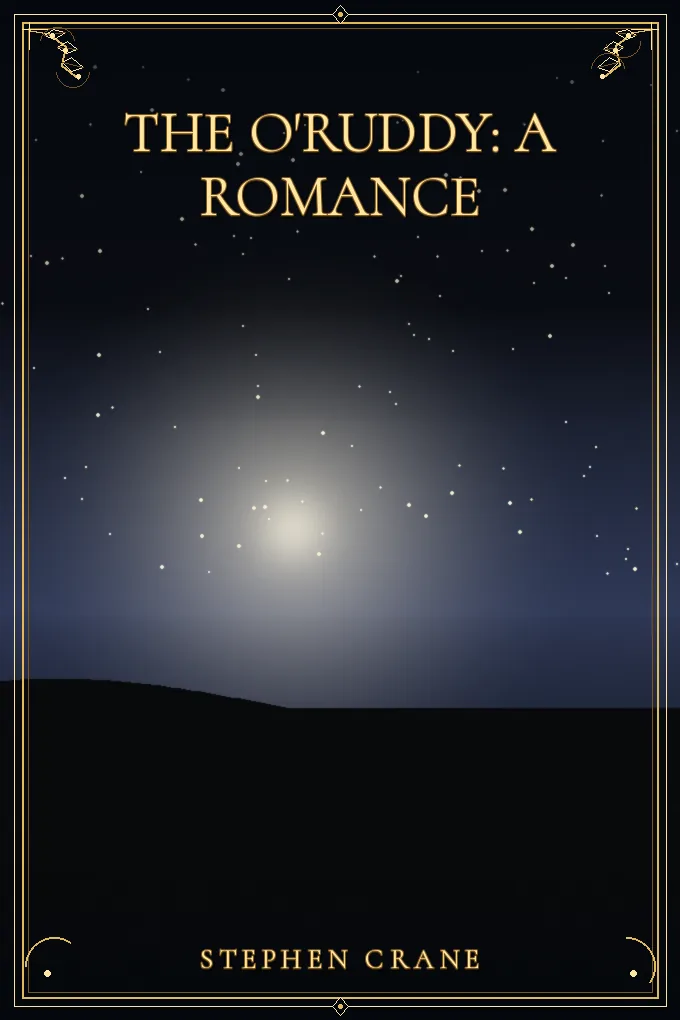
Cover illustration for The O'Ruddy: A Romance
Context Illustration Reading 1/38 · 5 lines
English subtitles · tap any word to listen 1 / 5
At first I thought that my speech had given the aged Earl a stroke.
He writhed on his bed, and something appeared at his lips which was like froth.
His lovely daughter sprang to him with a cry of fear and woe.
But he was not dying; he was only mad with rage.
"How dare you?
0:00 / 0:00
Speed 0.75x
AI-generated narration by OpenAI · Slow US English
LEARNER DICTIONARY
Archivist
/ˈɑːrkɪvɪst/
Editorial verification pending

A keeper or guardian of historical records and memories.

The O'Ruddy: A Romance

Chapter VI · Chapter 6

Chapter 6 of The O'Ruddy: A Romance is here in full — 190 sentences across 38 reading sections, with audio for every sentence and word.

Reading 1/38 · 5 reading units · Lines 1–5

Line 1
At first I thought that my speech had given the aged Earl a stroke.
/æt fɜːrst aɪ θɔːt ðæt maɪ spiːtʃ hæd ˈɡɪvən ðə eɪdʒd ɜːrl ə stroʊk/
Line 2
He writhed on his bed, and something appeared at his lips which was like froth.
/hiː rɪθd ɑːn hɪz bed ənd ˈsʌmθɪŋ əˈpɪrd æt hɪz lɪps wɪtʃ wɑːz laɪk frɔːθ/
Line 3
His lovely daughter sprang to him with a cry of fear and woe.
/hɪz ˈlʌvli ˈdɔːtər spræŋ tuː hɪm wɪð ə kraɪ ʌv fɪr ənd woʊ/
Line 4
But he was not dying; he was only mad with rage.
/bʌt hiː wɑːz nɑːt ˈdaɪɪŋ hiː wɑːz ˈoʊnli mæd wɪð reɪdʒ/
Line 5
"How dare you?

Learner Dictionary

These definitions explain words found in the current reading and keep every example grounded in its original sentence.

Oxford-style entry order: headword, part of speech, US IPA, concise definition, contextual example, and audio.

aged adjective US /eɪdʒd/

advanced in years; (“aged” is pronounced as two syllables)

From this reading “At first I thought that my speech had given the aged Earl a stroke.”

dying adjective US /ˈdaɪɪŋ/

in or associated with the process of passing from life or ceasing to be

From this reading “But he was not dying; he was only mad with rage.”

Earl noun US /ɜːrl/

a British peer ranking below a marquess and above a viscount

From this reading “At first I thought that my speech had given the aged Earl a stroke.”

froth noun US /frɔːθ/

a mass of small bubbles formed in or on a liquid

From this reading “He writhed on his bed, and something appeared at his lips which was like froth.”

rage noun US /reɪdʒ/

a feeling of intense anger

From this reading “But he was not dying; he was only mad with rage.”

stroke noun US /stroʊk/

(sports) the act of swinging or striking at a ball with a club or racket or bat or cue or hand

From this reading “At first I thought that my speech had given the aged Earl a stroke.”

woe noun US /woʊ/

misery resulting from affliction

From this reading “His lovely daughter sprang to him with a cry of fear and woe.”

writhed adjective US /rɪθd/

twisted (especially as in pain or struggle)

From this reading “He writhed on his bed, and something appeared at his lips which was like froth.”

All words in this reading · 46

Every word in these five lines is listed here, and every one of them can be played on its own.

Dictionary details are shown only when verified; these are not licensed Oxford entries.

adeterminerUS /ə/

used before a singular noun to mean one of a group, when it is not a particular one

From this reading At first I thought that my speech had given the aged Earl a stroke.

agedadjectiveUS /eɪdʒd/

advanced in years; (“aged” is pronounced as two syllables)

From this reading At first I thought that my speech had given the aged Earl a stroke.

andconjunctionUS /ənd/

used to join words or parts of a sentence that go together

From this reading He writhed on his bed, and something appeared at his lips which was like froth.

appearedverbUS /əˈpɪrd/

past form of “appear” — give a certain impression or have a certain outward aspect

From this reading He writhed on his bed, and something appeared at his lips which was like froth.

AtprepositionUS /æt/

in or near a particular place or position

From this reading At first I thought that my speech had given the aged Earl a stroke.

bednounUS /bed/

a piece of furniture that provides a place to sleep

From this reading He writhed on his bed, and something appeared at his lips which was like froth.

ButconjunctionUS /bʌt/

used to introduce something that contrasts with what came before

From this reading But he was not dying; he was only mad with rage.

cryverbUS /kraɪ/

utter a sudden loud cry

From this reading His lovely daughter sprang to him with a cry of fear and woe.

dareverbUS /der/

take upon oneself; act presumptuously, without permission

From this reading "How dare you?

daughternounUS /ˈdɔːtər/

a female human offspring

From this reading His lovely daughter sprang to him with a cry of fear and woe.

dyingadjectiveUS /ˈdaɪɪŋ/

in or associated with the process of passing from life or ceasing to be

From this reading But he was not dying; he was only mad with rage.

EarlnounUS /ɜːrl/

a British peer ranking below a marquess and above a viscount

From this reading At first I thought that my speech had given the aged Earl a stroke.

fearverbUS /fɪr/

be afraid or feel anxious or apprehensive about a possible or probable situation or event

From this reading His lovely daughter sprang to him with a cry of fear and woe.

firstadjectiveUS /fɜːrst/

preceding all others in time or space or degree

From this reading At first I thought that my speech had given the aged Earl a stroke.

frothnounUS /frɔːθ/

a mass of small bubbles formed in or on a liquid

From this reading He writhed on his bed, and something appeared at his lips which was like froth.

givenadjectiveUS /ˈɡɪvən/

acknowledged as a supposition

From this reading At first I thought that my speech had given the aged Earl a stroke.

hadauxiliary verbUS /hæd/

the past form of “have”, used to form the past perfect

From this reading At first I thought that my speech had given the aged Earl a stroke.

HepronounUS /hiː/

a man, boy, or male animal already mentioned, as the subject

From this reading He writhed on his bed, and something appeared at his lips which was like froth.

himpronounUS /hɪm/

the male already mentioned, as the object of a verb or preposition

From this reading His lovely daughter sprang to him with a cry of fear and woe.

hisdeterminerUS /hɪz/

belonging to a man, boy, or male animal already mentioned

From this reading He writhed on his bed, and something appeared at his lips which was like froth.

How

Dictionary entry pending editorial verification. Tap Listen to hear the word.

From this reading "How dare you?

IpronounUS /aɪ/

the person speaking or writing, as the subject of the verb

From this reading At first I thought that my speech had given the aged Earl a stroke.

likeverbUS /laɪk/

prefer or wish to do something

From this reading He writhed on his bed, and something appeared at his lips which was like froth.

lipsnounUS /lɪps/

plural of “lip” — either of two fleshy folds of tissue that surround the mouth and play a role in speaking

From this reading He writhed on his bed, and something appeared at his lips which was like froth.

lovelyadjectiveUS /ˈlʌvli/

appealing to the emotions as well as the eye

From this reading His lovely daughter sprang to him with a cry of fear and woe.

madadjectiveUS /mæd/

roused to anger

From this reading But he was not dying; he was only mad with rage.

mydeterminerUS /maɪ/

belonging to the person speaking

From this reading At first I thought that my speech had given the aged Earl a stroke.

notadverbUS /nɑːt/

used to make a word, phrase, or sentence negative

From this reading But he was not dying; he was only mad with rage.

ofprepositionUS /ʌv/

belonging to, or connected with, somebody or something

From this reading His lovely daughter sprang to him with a cry of fear and woe.

onprepositionUS /ɑːn/

touching and supported by a surface

From this reading He writhed on his bed, and something appeared at his lips which was like froth.

onlyadverbUS /ˈoʊnli/

and nothing more

From this reading But he was not dying; he was only mad with rage.

ragenounUS /reɪdʒ/

a feeling of intense anger

From this reading But he was not dying; he was only mad with rage.

somethingpronounUS /ˈsʌmθɪŋ/

a thing, without saying which

From this reading He writhed on his bed, and something appeared at his lips which was like froth.

speechnounUS /spiːtʃ/

the act of delivering a formal spoken communication to an audience

From this reading At first I thought that my speech had given the aged Earl a stroke.

sprangverbUS /spræŋ/

inflected form of “spring” — move forward by leaps and bounds

From this reading His lovely daughter sprang to him with a cry of fear and woe.

strokenounUS /stroʊk/

(sports) the act of swinging or striking at a ball with a club or racket or bat or cue or hand

From this reading At first I thought that my speech had given the aged Earl a stroke.

thatconjunctionUS /ðæt/

used to introduce what somebody said, thought, or felt

From this reading At first I thought that my speech had given the aged Earl a stroke.

thedeterminerUS /ðə/

used before a noun that is already known, already mentioned, or the only one of its kind

From this reading At first I thought that my speech had given the aged Earl a stroke.

thoughtnounUS /θɔːt/

the content of cognition; the main thing you are thinking about

From this reading At first I thought that my speech had given the aged Earl a stroke.

toparticleUS /tuː/

used before the base form of a verb to make the infinitive

From this reading His lovely daughter sprang to him with a cry of fear and woe.

wasauxiliary verbUS /wɑːz/

the past form of “be” used with I, he, she, it, or a singular noun

From this reading He writhed on his bed, and something appeared at his lips which was like froth.

whichpronounUS /wɪtʃ/

used to introduce a clause giving more about a thing just mentioned

From this reading He writhed on his bed, and something appeared at his lips which was like froth.

withprepositionUS /wɪð/

in the company of; together with

From this reading His lovely daughter sprang to him with a cry of fear and woe.

woenounUS /woʊ/

misery resulting from affliction

From this reading His lovely daughter sprang to him with a cry of fear and woe.

writhedadjectiveUS /rɪθd/

twisted (especially as in pain or struggle)

From this reading He writhed on his bed, and something appeared at his lips which was like froth.

youpronounUS /juː/

the person or people being spoken to

From this reading "How dare you?

Chapter 6 of The O'Ruddy: A Romance by Stephen Crane holds 190 sentences, grouped into 38 reading sections of at most 5 sentences. The text is the source edition, unabridged, and the chapter records which sentences cover which part of the work so that nothing is dropped. Every word can be tapped for its pronunciation and dictionary entry.

What does chapter 6 of The O'Ruddy: A Romance contain?

Chapter 6 holds 190 sentences of The O'Ruddy: A Romance, unabridged, divided into 38 reading sections.

This page carries chapter 6 of The O'Ruddy: A Romance by Stephen Crane exactly as it stands in the source edition, without abridgement. It runs to 190 sentences, grouped into 38 sections of at most 5 sentences so that a reader can take the chapter in steady, finishable pieces. The chapter also stores a coverage record mapping every one of its sentences to a part of the work, which is how the edition demonstrates that no line was dropped.

How do I study chapter 6 of The O'Ruddy: A Romance?

Work through the 38 sections in order, replaying any sentence and tapping unfamiliar words for their entries.

Each of the 38 sections in this chapter is short enough to read once, hear once, and then re-read with the vocabulary in view. Tapping a word plays it alone and opens its dictionary entry with IPA, part of speech and meaning, so the reader is never forced to guess a pronunciation from spelling. Working section by section keeps a long chapter from becoming an undifferentiated wall of text, which is the usual reason a reader abandons a work of this period.

Can chapter 6 be read aloud to me?

Yes — every sentence and every individual word in chapter 6 can be played aloud in United States English.

Audio covers the whole chapter: any sentence can be played, and any single word within it can be played on its own. The voice uses United States English. For a work of this period that matters, because spelling is an unreliable guide to pronunciation for vocabulary that has fallen out of daily use, and a learner who guesses wrong tends to keep the error. Hearing the word in its own sentence, and then alone, settles it.

Questions about reading The O'Ruddy: A Romance

Common questions about reading The O'Ruddy: A Romance by Stephen Crane on this page, its source edition and its audio.

Is this the complete text of The O'Ruddy: A Romance?

Yes. All 5713 sentences of Project Gutenberg eBook #29573 are kept, with a record of which sentences cover which part.

Which edition of The O'Ruddy: A Romance is used?

Project Gutenberg eBook #29573, unabridged. The Project Gutenberg header, footer and licence are removed.

How long does The O'Ruddy: A Romance take to read?

About 476 minutes of reading across 1143 sections of 5 sentences each, at an unhurried pace.

How to read The O'Ruddy: A Romance section by section

How to work through The O'Ruddy: A Romance section by section, using the audio and the tap-to-define vocabulary.

  1. Open a chapter

    Choose one of the 33 chapters of The O'Ruddy: A Romance to begin.

  2. Read one section

    Each section holds 5 sentences; read it once through.

  3. Listen and tap

    Play the section aloud, then tap any unfamiliar word for its entry.

Vocabulary met early in The O'Ruddy: A Romance

Words and structures a reader meets early in The O'Ruddy: A Romance, each tappable for pronunciation and meaning.

Chieftain
A word that appears in the opening chapter of The O'Ruddy: A Romance; the reader can tap it to hear it and see its dictionary entry.
Ancestors
A word that appears in the opening chapter of The O'Ruddy: A Romance; the reader can tap it to hear it and see its dictionary entry.
Lived
A word that appears in the opening chapter of The O'Ruddy: A Romance; the reader can tap it to hear it and see its dictionary entry.
Glandore
A word that appears in the opening chapter of The O'Ruddy: A Romance; the reader can tap it to hear it and see its dictionary entry.