used before a singular noun to mean one of a group, when it is not a particular one
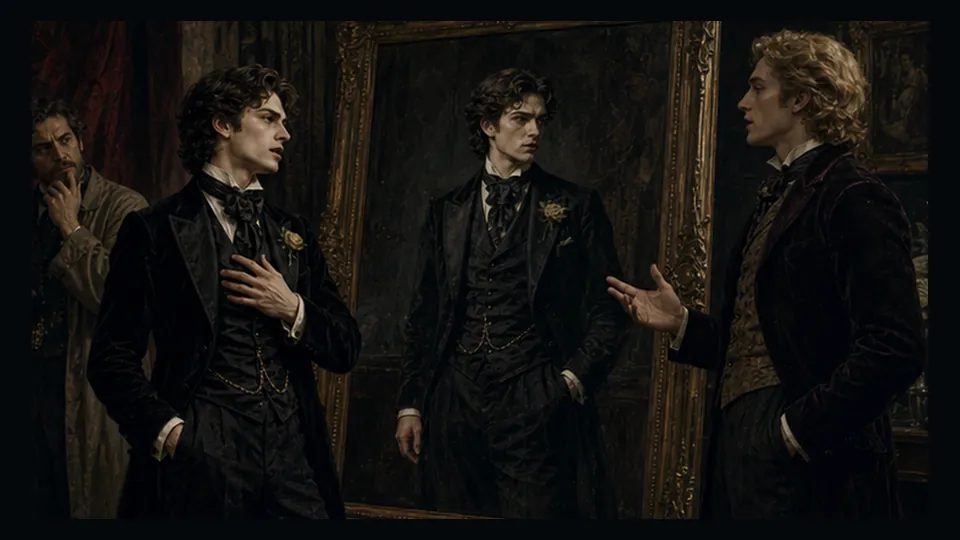
From this reading You have a wonderfully beautiful face, Mr. Gray.
used to join words or parts of a sentence that go together
From this reading And beauty is a form of genius—is higher, indeed, than genius, as it needs no explanation.
at the same time that; because; in the way that
From this reading And beauty is a form of genius—is higher, indeed, than genius, as it needs no explanation.
delighting the senses or exciting intellectual or emotional admiration
From this reading You have a wonderfully beautiful face, Mr. Gray.
the qualities that give pleasure to the senses
From this reading And beauty is a form of genius—is higher, indeed, than genius, as it needs no explanation.
Don't
Dictionary entry pending editorial verification. Tap Listen to hear the word.
From this reading Don’t frown.
a statement that makes something comprehensible by describing the relevant structure or operation or circumstances etc.
From this reading And beauty is a form of genius—is higher, indeed, than genius, as it needs no explanation.
the front of the human head from the forehead to the chin and ear to ear
From this reading You have a wonderfully beautiful face, Mr. Gray.
the phonological or orthographic sound or appearance of a word that can be used to describe or identify something
From this reading And beauty is a form of genius—is higher, indeed, than genius, as it needs no explanation.
frownverbUS /fraʊn/
look angry or sullen, wrinkle one's forehead, as if to signal disapproval
From this reading Don’t frown.
someone who has exceptional intellectual ability and originality
From this reading And beauty is a form of genius—is higher, indeed, than genius, as it needs no explanation.
a neutral achromatic color midway between white and black
From this reading You have a wonderfully beautiful face, Mr. Gray.
haveauxiliary verbUS /hæv/
used with a past participle to form the perfect tenses
From this reading You have a wonderfully beautiful face, Mr. Gray.
advanced in complexity or elaboration
From this reading And beauty is a form of genius—is higher, indeed, than genius, as it needs no explanation.
in truth (often tends to intensify)
From this reading And beauty is a form of genius—is higher, indeed, than genius, as it needs no explanation.
the form of “be” used with he, she, it, or a singular noun
From this reading And beauty is a form of genius—is higher, indeed, than genius, as it needs no explanation.
a thing, animal, or idea already mentioned
From this reading And beauty is a form of genius—is higher, indeed, than genius, as it needs no explanation.
a form of address for a man
From this reading You have a wonderfully beautiful face, Mr. Gray.
in such a manner as could not be otherwise
From this reading And beauty is a form of genius—is higher, indeed, than genius, as it needs no explanation.
not any; not one
From this reading And beauty is a form of genius—is higher, indeed, than genius, as it needs no explanation.
belonging to, or connected with, somebody or something
From this reading And beauty is a form of genius—is higher, indeed, than genius, as it needs no explanation.
used to introduce the second part of a comparison
From this reading And beauty is a form of genius—is higher, indeed, than genius, as it needs no explanation.
wonderfullyadverbUS /ˈwʌndərfəli/
(used as an intensifier) extremely well
From this reading You have a wonderfully beautiful face, Mr. Gray.
the person or people being spoken to
From this reading You have a wonderfully beautiful face, Mr. Gray.