Complete classic literature • Five-line readings • Clear US narration
VELMORA ACADEMY
Academy of Archival Languages & Memory Studies
Menu Close
The Pilots of Pomona

Chapter XXXVII · Chapter 37

Chapter 37 of The Pilots of Pomona is here in full — 151 sentences across 31 reading sections, with audio for every sentence and word.

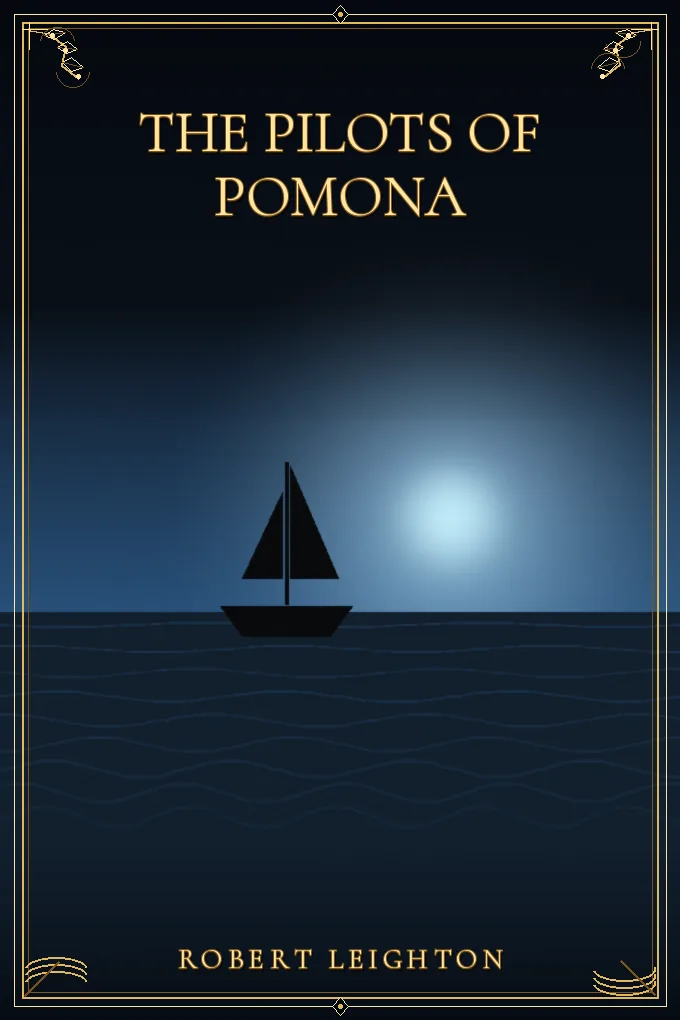
Cover illustration for The Pilots of Pomona
Context Illustration Reading 1/30 · 5 lines
English subtitles · tap any word to listen 1 / 5
"Tom Kinlay is no brother of yours, Thora; nor Carver your father!"
These words were ringing in my ears.
What did they mean?
I was questioning in my own mind what Colin could have meant when Mr. Drever asked us all to sit at the table.
He had some statement to make.
0:00 / 0:00
Speed 0.75x
AI-generated narration by OpenAI · Slow US English
LEARNER DICTIONARY
Archivist
/ˈɑːrkɪvɪst/
Editorial verification pending

A keeper or guardian of historical records and memories.

The Pilots of Pomona

Chapter XXXVII · Chapter 37

Chapter 37 of The Pilots of Pomona is here in full — 151 sentences across 31 reading sections, with audio for every sentence and word.

Reading 1/30 · 5 reading units · Lines 1–5

Line 1
"Tom Kinlay is no brother of yours, Thora; nor Carver your father!"
Line 2
These words were ringing in my ears.
/ðiːz wɜːrdz wɜːr ˈrɪŋɪŋ ɪn maɪ ɪrz/
Line 3
What did they mean?
/wʌt dɪd ðeɪ miːn/
Line 4
I was questioning in my own mind what Colin could have meant when Mr. Drever asked us all to sit at the table.
Line 5
He had some statement to make.
/hiː hæd sʌm ˈsteɪtmənt tuː meɪk/

Learner Dictionary

These definitions explain words found in the current reading and keep every example grounded in its original sentence.

Oxford-style entry order: headword, part of speech, US IPA, concise definition, contextual example, and audio.

Carver noun US /ˈkɑːrvər/

United States botanist and agricultural chemist who developed many uses for peanuts and soy beans and sweet potatoes (1864-1943)

From this reading “"Tom Kinlay is no brother of yours, Thora; nor Carver your father!"”

ears noun US /ɪrz/

plural of “ear” — the sense organ for hearing and equilibrium

From this reading “These words were ringing in my ears.”

meant verb US /ment/

inflected form of “mean” — mean or intend to express or convey

From this reading “I was questioning in my own mind what Colin could have meant when Mr. Drever asked us all to sit at the table.”

questioning adjective US /ˈkwestʃənɪŋ/

perplexed (as if being expected to know something that you do not know)

From this reading “I was questioning in my own mind what Colin could have meant when Mr. Drever asked us all to sit at the table.”

ringing noun US /ˈrɪŋɪŋ/

the sound of a bell ringing

From this reading “These words were ringing in my ears.”

sit verb US /sɪt/

be seated

From this reading “I was questioning in my own mind what Colin could have meant when Mr. Drever asked us all to sit at the table.”

statement noun US /ˈsteɪtmənt/

a message that is stated or declared; a communication (oral or written) setting forth particulars or facts etc

From this reading “He had some statement to make.”

yours pronoun US /jʊrz/

the one or ones belonging to the person spoken to

From this reading “"Tom Kinlay is no brother of yours, Thora; nor Carver your father!"”

All words in this reading · 48

Every word in these five lines is listed here, and every one of them can be played on its own.

Dictionary details are shown only when verified; these are not licensed Oxford entries.

alladjectiveUS /ɔːl/

(quantifier) used with either mass or count nouns to indicate the whole number or amount of or every one of a class

From this reading I was questioning in my own mind what Colin could have meant when Mr. Drever asked us all to sit at the table.

askedverbUS /æskt/

past form of “ask” — make a request or demand for something to somebody

From this reading I was questioning in my own mind what Colin could have meant when Mr. Drever asked us all to sit at the table.

atprepositionUS /æt/

in or near a particular place or position

From this reading I was questioning in my own mind what Colin could have meant when Mr. Drever asked us all to sit at the table.

brothernounUS /ˈbrʌðər/

a male with the same parents as someone else

From this reading "Tom Kinlay is no brother of yours, Thora; nor Carver your father!"

CarvernounUS /ˈkɑːrvər/

United States botanist and agricultural chemist who developed many uses for peanuts and soy beans and sweet potatoes (1864-1943)

From this reading "Tom Kinlay is no brother of yours, Thora; nor Carver your father!"

Colin

Dictionary entry pending editorial verification. Tap Listen to hear the word.

From this reading I was questioning in my own mind what Colin could have meant when Mr. Drever asked us all to sit at the table.

couldmodal verbUS /kʊd/

the past of “can”; used for possibility or polite requests

From this reading I was questioning in my own mind what Colin could have meant when Mr. Drever asked us all to sit at the table.

didauxiliary verbUS /dɪd/

the past form of “do”, used in questions and negatives

From this reading What did they mean?

Drever

Dictionary entry pending editorial verification. Tap Listen to hear the word.

From this reading I was questioning in my own mind what Colin could have meant when Mr. Drever asked us all to sit at the table.

earsnounUS /ɪrz/

plural of “ear” — the sense organ for hearing and equilibrium

From this reading These words were ringing in my ears.

fathernounUS /ˈfɑːðər/

a male parent (also used as a term of address to your father)

From this reading "Tom Kinlay is no brother of yours, Thora; nor Carver your father!"

hadauxiliary verbUS /hæd/

the past form of “have”, used to form the past perfect

From this reading He had some statement to make.

haveauxiliary verbUS /hæv/

used with a past participle to form the perfect tenses

From this reading I was questioning in my own mind what Colin could have meant when Mr. Drever asked us all to sit at the table.

HepronounUS /hiː/

a man, boy, or male animal already mentioned, as the subject

From this reading He had some statement to make.

IpronounUS /aɪ/

the person speaking or writing, as the subject of the verb

From this reading I was questioning in my own mind what Colin could have meant when Mr. Drever asked us all to sit at the table.

inprepositionUS /ɪn/

inside something, or within a place, period, or state

From this reading These words were ringing in my ears.

isauxiliary verbUS /ɪz/

the form of “be” used with he, she, it, or a singular noun

From this reading "Tom Kinlay is no brother of yours, Thora; nor Carver your father!"

Kinlay

Dictionary entry pending editorial verification. Tap Listen to hear the word.

From this reading "Tom Kinlay is no brother of yours, Thora; nor Carver your father!"

makeverbUS /meɪk/

engage in

From this reading He had some statement to make.

meanverbUS /miːn/

mean or intend to express or convey

From this reading What did they mean?

meantverbUS /ment/

inflected form of “mean” — mean or intend to express or convey

From this reading I was questioning in my own mind what Colin could have meant when Mr. Drever asked us all to sit at the table.

mindnounUS /maɪnd/

The element of a person that enables awareness and thought.

From this reading I was questioning in my own mind what Colin could have meant when Mr. Drever asked us all to sit at the table.

MrnounUS /ˈmɪstər/

a form of address for a man

From this reading I was questioning in my own mind what Colin could have meant when Mr. Drever asked us all to sit at the table.

mydeterminerUS /maɪ/

belonging to the person speaking

From this reading These words were ringing in my ears.

nodeterminerUS /noʊ/

not any; not one

From this reading "Tom Kinlay is no brother of yours, Thora; nor Carver your father!"

norconjunctionUS /nɔːr/

and not; used after a negative to add a second negative

From this reading "Tom Kinlay is no brother of yours, Thora; nor Carver your father!"

ofprepositionUS /ʌv/

belonging to, or connected with, somebody or something

From this reading "Tom Kinlay is no brother of yours, Thora; nor Carver your father!"

ownverbUS /oʊn/

have ownership or possession of

From this reading I was questioning in my own mind what Colin could have meant when Mr. Drever asked us all to sit at the table.

questioningadjectiveUS /ˈkwestʃənɪŋ/

perplexed (as if being expected to know something that you do not know)

From this reading I was questioning in my own mind what Colin could have meant when Mr. Drever asked us all to sit at the table.

ringingnounUS /ˈrɪŋɪŋ/

the sound of a bell ringing

From this reading These words were ringing in my ears.

sitverbUS /sɪt/

be seated

From this reading I was questioning in my own mind what Colin could have meant when Mr. Drever asked us all to sit at the table.

someadjectiveUS /sʌm/

(quantifier) used with either mass nouns or plural count nouns to indicate an unspecified number or quantity

From this reading He had some statement to make.

statementnounUS /ˈsteɪtmənt/

a message that is stated or declared; a communication (oral or written) setting forth particulars or facts etc

From this reading He had some statement to make.

tablenounUS /ˈteɪbəl/

a set of data arranged in rows and columns

From this reading I was questioning in my own mind what Colin could have meant when Mr. Drever asked us all to sit at the table.

thedeterminerUS /ðə/

used before a noun that is already known, already mentioned, or the only one of its kind

From this reading I was questioning in my own mind what Colin could have meant when Mr. Drever asked us all to sit at the table.

ThesedeterminerUS /ðiːz/

the plural of “this”: the people or things near, or just mentioned

From this reading These words were ringing in my ears.

theypronounUS /ðeɪ/

the people, animals, or things already mentioned, as the subject

From this reading What did they mean?

Thora

Dictionary entry pending editorial verification. Tap Listen to hear the word.

From this reading "Tom Kinlay is no brother of yours, Thora; nor Carver your father!"

toparticleUS /tuː/

used before the base form of a verb to make the infinitive

From this reading I was questioning in my own mind what Colin could have meant when Mr. Drever asked us all to sit at the table.

TomnounUS /tɑːm/

male cat

From this reading "Tom Kinlay is no brother of yours, Thora; nor Carver your father!"

uspronounUS /ʌs/

the speaker and others, as the object of a verb or preposition

From this reading I was questioning in my own mind what Colin could have meant when Mr. Drever asked us all to sit at the table.

wasauxiliary verbUS /wɑːz/

the past form of “be” used with I, he, she, it, or a singular noun

From this reading I was questioning in my own mind what Colin could have meant when Mr. Drever asked us all to sit at the table.

wereauxiliary verbUS /wɜːr/

the past form of “be” used with you, we, they, or a plural noun

From this reading These words were ringing in my ears.

WhatpronounUS /wʌt/

used to ask for information about something

From this reading What did they mean?

whenconjunctionUS /wen/

at the time that

From this reading I was questioning in my own mind what Colin could have meant when Mr. Drever asked us all to sit at the table.

wordsnounUS /wɜːrdz/

the words that are spoken

From this reading These words were ringing in my ears.

yourdeterminerUS /jɔːr/

belonging to the person or people being spoken to

From this reading "Tom Kinlay is no brother of yours, Thora; nor Carver your father!"

yourspronounUS /jʊrz/

the one or ones belonging to the person spoken to

From this reading "Tom Kinlay is no brother of yours, Thora; nor Carver your father!"

Chapter 37 of The Pilots of Pomona by Robert Leighton holds 151 sentences, grouped into 31 reading sections of at most 5 sentences. The text is the source edition, unabridged, and the chapter records which sentences cover which part of the work so that nothing is dropped. Every word can be tapped for its pronunciation and dictionary entry.

What does chapter 37 of The Pilots of Pomona contain?

Chapter 37 holds 151 sentences of The Pilots of Pomona, unabridged, divided into 31 reading sections.

This page carries chapter 37 of The Pilots of Pomona by Robert Leighton exactly as it stands in the source edition, without abridgement. It runs to 151 sentences, grouped into 31 sections of at most 5 sentences so that a reader can take the chapter in steady, finishable pieces. The chapter also stores a coverage record mapping every one of its sentences to a part of the work, which is how the edition demonstrates that no line was dropped.

How do I study chapter 37 of The Pilots of Pomona?

Work through the 31 sections in order, replaying any sentence and tapping unfamiliar words for their entries.

Each of the 31 sections in this chapter is short enough to read once, hear once, and then re-read with the vocabulary in view. Tapping a word plays it alone and opens its dictionary entry with IPA, part of speech and meaning, so the reader is never forced to guess a pronunciation from spelling. Working section by section keeps a long chapter from becoming an undifferentiated wall of text, which is the usual reason a reader abandons a work of this period.

Can chapter 37 be read aloud to me?

Yes — every sentence and every individual word in chapter 37 can be played aloud in United States English.

Audio covers the whole chapter: any sentence can be played, and any single word within it can be played on its own. The voice uses United States English. For a work of this period that matters, because spelling is an unreliable guide to pronunciation for vocabulary that has fallen out of daily use, and a learner who guesses wrong tends to keep the error. Hearing the word in its own sentence, and then alone, settles it.

Questions about reading The Pilots of Pomona

Common questions about reading The Pilots of Pomona by Robert Leighton on this page, its source edition and its audio.

Is this the complete text of The Pilots of Pomona?

Yes. All 4399 sentences of Project Gutenberg eBook #14149 are kept, with a record of which sentences cover which part.

Which edition of The Pilots of Pomona is used?

Project Gutenberg eBook #14149, unabridged. The Project Gutenberg header, footer and licence are removed.

How long does The Pilots of Pomona take to read?

About 366 minutes of reading across 880 sections of 5 sentences each, at an unhurried pace.

How to read The Pilots of Pomona section by section

How to work through The Pilots of Pomona section by section, using the audio and the tap-to-define vocabulary.

  1. Open a chapter

    Choose one of the 40 chapters of The Pilots of Pomona to begin.

  2. Read one section

    Each section holds 5 sentences; read it once through.

  3. Listen and tap

    Play the section aloud, then tap any unfamiliar word for its entry.

Vocabulary met early in The Pilots of Pomona

Words and structures a reader meets early in The Pilots of Pomona, each tappable for pronunciation and meaning.

Schoolhouse
A word that appears in the opening chapter of The Pilots of Pomona; the reader can tap it to hear it and see its dictionary entry.
Situated
A word that appears in the opening chapter of The Pilots of Pomona; the reader can tap it to hear it and see its dictionary entry.
Braeside
A word that appears in the opening chapter of The Pilots of Pomona; the reader can tap it to hear it and see its dictionary entry.
Above
A word that appears in the opening chapter of The Pilots of Pomona; the reader can tap it to hear it and see its dictionary entry.