used before a singular noun to mean one of a group, when it is not a particular one
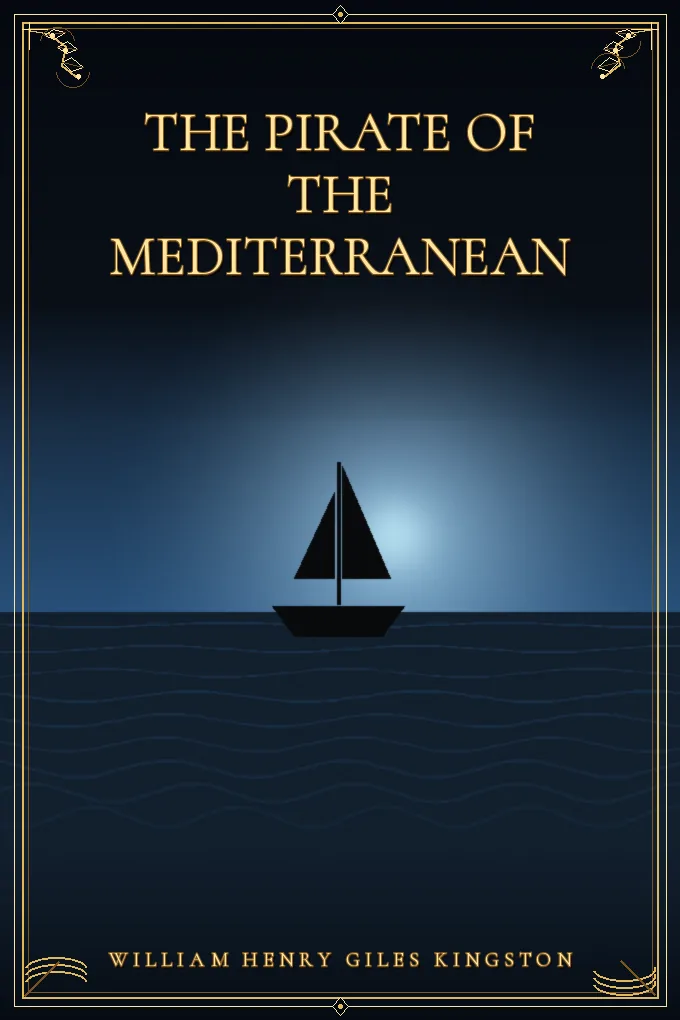
From this reading The Pirate of the Mediterranean, a Tale of the Sea, by W.H.G. Kingston.
speak to
From this reading I was a bit disappointed to find that the Pirate was a Greek who preyed mostly upon Italian, Greek and Turkish vessels in the Eastern Mediterranean, because I had hoped that Kingston would address himself to the problem in the previous century, where Barbary and Algerine pirates were harrying European craft, taking their passengers prisoner as slaves, whom they used to carry out the building works of their cities.
admirableadjectiveUS /ˈædmərəbəl/
deserving of the highest esteem or admiration
From this reading Nevertheless, it is another admirable book from the pen of a great author, and I recommend it to you.
take a risk in the hope of a favorable outcome
From this reading A long book--nineteen hours--full of adventure and tense situations.
Algerine
Dictionary entry pending editorial verification. Tap Listen to hear the word.
From this reading I was a bit disappointed to find that the Pirate was a Greek who preyed mostly upon Italian, Greek and Turkish vessels in the Eastern Mediterranean, because I had hoped that Kingston would address himself to the problem in the previous century, where Barbary and Algerine pirates were harrying European craft, taking their passengers prisoner as slaves, whom they used to carry out the building works of their cities.
used to join words or parts of a sentence that go together
From this reading A long book--nineteen hours--full of adventure and tense situations.
one more of the same kind, or a different one
From this reading Nevertheless, it is another admirable book from the pen of a great author, and I recommend it to you.
at the same time that; because; in the way that
From this reading I was a bit disappointed to find that the Pirate was a Greek who preyed mostly upon Italian, Greek and Turkish vessels in the Eastern Mediterranean, because I had hoped that Kingston would address himself to the problem in the previous century, where Barbary and Algerine pirates were harrying European craft, taking their passengers prisoner as slaves, whom they used to carry out the building works of their cities.
writes (books or stories or articles or the like) professionally (for pay)
From this reading Nevertheless, it is another admirable book from the pen of a great author, and I recommend it to you.
BarbarynounUS /ˈbɑːrbəri/
a region of northern Africa on the Mediterranean coast between Egypt and Gibraltar; was used as a base for pirates from the 16th to 19th centuries
From this reading I was a bit disappointed to find that the Pirate was a Greek who preyed mostly upon Italian, Greek and Turkish vessels in the Eastern Mediterranean, because I had hoped that Kingston would address himself to the problem in the previous century, where Barbary and Algerine pirates were harrying European craft, taking their passengers prisoner as slaves, whom they used to carry out the building works of their cities.
for the reason that
From this reading I was a bit disappointed to find that the Pirate was a Greek who preyed mostly upon Italian, Greek and Turkish vessels in the Eastern Mediterranean, because I had hoped that Kingston would address himself to the problem in the previous century, where Barbary and Algerine pirates were harrying European craft, taking their passengers prisoner as slaves, whom they used to carry out the building works of their cities.
a small piece or quantity of something
From this reading I was a bit disappointed to find that the Pirate was a Greek who preyed mostly upon Italian, Greek and Turkish vessels in the Eastern Mediterranean, because I had hoped that Kingston would address himself to the problem in the previous century, where Barbary and Algerine pirates were harrying European craft, taking their passengers prisoner as slaves, whom they used to carry out the building works of their cities.
a written work or composition that has been published (printed on pages bound together)
From this reading A long book--nineteen hours--full of adventure and tense situations.
a structure that has a roof and walls and stands more or less permanently in one place
From this reading I was a bit disappointed to find that the Pirate was a Greek who preyed mostly upon Italian, Greek and Turkish vessels in the Eastern Mediterranean, because I had hoped that Kingston would address himself to the problem in the previous century, where Barbary and Algerine pirates were harrying European craft, taking their passengers prisoner as slaves, whom they used to carry out the building works of their cities.
showing who or what does the action
From this reading The Pirate of the Mediterranean, a Tale of the Sea, by W.H.G. Kingston.
move while supporting, either in a vehicle or in one's hands or on one's body
From this reading I was a bit disappointed to find that the Pirate was a Greek who preyed mostly upon Italian, Greek and Turkish vessels in the Eastern Mediterranean, because I had hoped that Kingston would address himself to the problem in the previous century, where Barbary and Algerine pirates were harrying European craft, taking their passengers prisoner as slaves, whom they used to carry out the building works of their cities.
a period of 100 years
From this reading I was a bit disappointed to find that the Pirate was a Greek who preyed mostly upon Italian, Greek and Turkish vessels in the Eastern Mediterranean, because I had hoped that Kingston would address himself to the problem in the previous century, where Barbary and Algerine pirates were harrying European craft, taking their passengers prisoner as slaves, whom they used to carry out the building works of their cities.
citiesnounUS /ˈsɪtiz/
plural of “city” — a large and densely populated urban area; may include several independent administrative districts
From this reading I was a bit disappointed to find that the Pirate was a Greek who preyed mostly upon Italian, Greek and Turkish vessels in the Eastern Mediterranean, because I had hoped that Kingston would address himself to the problem in the previous century, where Barbary and Algerine pirates were harrying European craft, taking their passengers prisoner as slaves, whom they used to carry out the building works of their cities.
the skilled practice of a practical occupation
From this reading I was a bit disappointed to find that the Pirate was a Greek who preyed mostly upon Italian, Greek and Turkish vessels in the Eastern Mediterranean, because I had hoped that Kingston would address himself to the problem in the previous century, where Barbary and Algerine pirates were harrying European craft, taking their passengers prisoner as slaves, whom they used to carry out the building works of their cities.
disappointingly unsuccessful
From this reading I was a bit disappointed to find that the Pirate was a Greek who preyed mostly upon Italian, Greek and Turkish vessels in the Eastern Mediterranean, because I had hoped that Kingston would address himself to the problem in the previous century, where Barbary and Algerine pirates were harrying European craft, taking their passengers prisoner as slaves, whom they used to carry out the building works of their cities.
EasternadjectiveUS /ˈiːstərn/
lying toward or situated in the east
From this reading I was a bit disappointed to find that the Pirate was a Greek who preyed mostly upon Italian, Greek and Turkish vessels in the Eastern Mediterranean, because I had hoped that Kingston would address himself to the problem in the previous century, where Barbary and Algerine pirates were harrying European craft, taking their passengers prisoner as slaves, whom they used to carry out the building works of their cities.
EuropeannounUS /ˌjʊrəˈpiːən/
a native or inhabitant of Europe
From this reading I was a bit disappointed to find that the Pirate was a Greek who preyed mostly upon Italian, Greek and Turkish vessels in the Eastern Mediterranean, because I had hoped that Kingston would address himself to the problem in the previous century, where Barbary and Algerine pirates were harrying European craft, taking their passengers prisoner as slaves, whom they used to carry out the building works of their cities.
come upon, as if by accident; meet with
From this reading I was a bit disappointed to find that the Pirate was a Greek who preyed mostly upon Italian, Greek and Turkish vessels in the Eastern Mediterranean, because I had hoped that Kingston would address himself to the problem in the previous century, where Barbary and Algerine pirates were harrying European craft, taking their passengers prisoner as slaves, whom they used to carry out the building works of their cities.
showing where something starts, or who sent it
From this reading Nevertheless, it is another admirable book from the pen of a great author, and I recommend it to you.
containing as much or as many as is possible or normal
From this reading A long book--nineteen hours--full of adventure and tense situations.
a metric unit of weight equal to one thousandth of a kilogram
From this reading The Pirate of the Mediterranean, a Tale of the Sea, by W.H.G. Kingston.
relatively large in size or number or extent; larger than others of its kind
From this reading Nevertheless, it is another admirable book from the pen of a great author, and I recommend it to you.
the Hellenic branch of the Indo-European family of languages
From this reading I was a bit disappointed to find that the Pirate was a Greek who preyed mostly upon Italian, Greek and Turkish vessels in the Eastern Mediterranean, because I had hoped that Kingston would address himself to the problem in the previous century, where Barbary and Algerine pirates were harrying European craft, taking their passengers prisoner as slaves, whom they used to carry out the building works of their cities.
a nonmetallic univalent element that is normally a colorless and odorless highly flammable diatomic gas; the simplest and lightest and most abundant element in the universe
From this reading The Pirate of the Mediterranean, a Tale of the Sea, by W.H.G. Kingston.
hadauxiliary verbUS /hæd/
the past form of “have”, used to form the past perfect
From this reading I was a bit disappointed to find that the Pirate was a Greek who preyed mostly upon Italian, Greek and Turkish vessels in the Eastern Mediterranean, because I had hoped that Kingston would address himself to the problem in the previous century, where Barbary and Algerine pirates were harrying European craft, taking their passengers prisoner as slaves, whom they used to carry out the building works of their cities.
harrying
Dictionary entry pending editorial verification. Tap Listen to hear the word.
From this reading I was a bit disappointed to find that the Pirate was a Greek who preyed mostly upon Italian, Greek and Turkish vessels in the Eastern Mediterranean, because I had hoped that Kingston would address himself to the problem in the previous century, where Barbary and Algerine pirates were harrying European craft, taking their passengers prisoner as slaves, whom they used to carry out the building works of their cities.
used when the man or boy doing the action is also its object
From this reading I was a bit disappointed to find that the Pirate was a Greek who preyed mostly upon Italian, Greek and Turkish vessels in the Eastern Mediterranean, because I had hoped that Kingston would address himself to the problem in the previous century, where Barbary and Algerine pirates were harrying European craft, taking their passengers prisoner as slaves, whom they used to carry out the building works of their cities.
past form of “hope” — expect and wish
From this reading I was a bit disappointed to find that the Pirate was a Greek who preyed mostly upon Italian, Greek and Turkish vessels in the Eastern Mediterranean, because I had hoped that Kingston would address himself to the problem in the previous century, where Barbary and Algerine pirates were harrying European craft, taking their passengers prisoner as slaves, whom they used to carry out the building works of their cities.
a period of time assigned for work
From this reading A long book--nineteen hours--full of adventure and tense situations.
the person speaking or writing, as the subject of the verb
From this reading I was a bit disappointed to find that the Pirate was a Greek who preyed mostly upon Italian, Greek and Turkish vessels in the Eastern Mediterranean, because I had hoped that Kingston would address himself to the problem in the previous century, where Barbary and Algerine pirates were harrying European craft, taking their passengers prisoner as slaves, whom they used to carry out the building works of their cities.
inside something, or within a place, period, or state
From this reading I was a bit disappointed to find that the Pirate was a Greek who preyed mostly upon Italian, Greek and Turkish vessels in the Eastern Mediterranean, because I had hoped that Kingston would address himself to the problem in the previous century, where Barbary and Algerine pirates were harrying European craft, taking their passengers prisoner as slaves, whom they used to carry out the building works of their cities.
the form of “be” used with he, she, it, or a singular noun
From this reading Nevertheless, it is another admirable book from the pen of a great author, and I recommend it to you.
a thing, animal, or idea already mentioned
From this reading Nevertheless, it is another admirable book from the pen of a great author, and I recommend it to you.
a native or inhabitant of Italy
From this reading I was a bit disappointed to find that the Pirate was a Greek who preyed mostly upon Italian, Greek and Turkish vessels in the Eastern Mediterranean, because I had hoped that Kingston would address himself to the problem in the previous century, where Barbary and Algerine pirates were harrying European craft, taking their passengers prisoner as slaves, whom they used to carry out the building works of their cities.
KingstonnounUS /ˈkɪŋstən/
a town on the Hudson River in New York
From this reading The Pirate of the Mediterranean, a Tale of the Sea, by W.H.G. Kingston.
primarily temporal sense; being or indicating a relatively great or greater than average duration or passage of time or a duration as specified
From this reading A long book--nineteen hours--full of adventure and tense situations.
MediterraneannounUS /ˌmedətərˈeɪniən/
the largest inland sea; between Europe and Africa and Asia
From this reading The Pirate of the Mediterranean, a Tale of the Sea, by W.H.G. Kingston.
mostlyadverbUS /ˈmoʊstli/
in large part; mainly or chiefly
From this reading I was a bit disappointed to find that the Pirate was a Greek who preyed mostly upon Italian, Greek and Turkish vessels in the Eastern Mediterranean, because I had hoped that Kingston would address himself to the problem in the previous century, where Barbary and Algerine pirates were harrying European craft, taking their passengers prisoner as slaves, whom they used to carry out the building works of their cities.
in spite of what has just been said
From this reading Nevertheless, it is another admirable book from the pen of a great author, and I recommend it to you.
nineteennounUS /ˈnaɪnˈtiːn/
the cardinal number that is the sum of eighteen and one
From this reading A long book--nineteen hours--full of adventure and tense situations.
belonging to, or connected with, somebody or something
From this reading The Pirate of the Mediterranean, a Tale of the Sea, by W.H.G. Kingston.
not allowed to continue to bat or run
From this reading I was a bit disappointed to find that the Pirate was a Greek who preyed mostly upon Italian, Greek and Turkish vessels in the Eastern Mediterranean, because I had hoped that Kingston would address himself to the problem in the previous century, where Barbary and Algerine pirates were harrying European craft, taking their passengers prisoner as slaves, whom they used to carry out the building works of their cities.
passengersnounUS /ˈpæsəndʒərz/
plural of “passenger” — a traveler riding in a vehicle (a boat or bus or car or plane or train etc) who is not operating it
From this reading I was a bit disappointed to find that the Pirate was a Greek who preyed mostly upon Italian, Greek and Turkish vessels in the Eastern Mediterranean, because I had hoped that Kingston would address himself to the problem in the previous century, where Barbary and Algerine pirates were harrying European craft, taking their passengers prisoner as slaves, whom they used to carry out the building works of their cities.
a writing implement with a point from which ink flows
From this reading Nevertheless, it is another admirable book from the pen of a great author, and I recommend it to you.
PiratenounUS /ˈpaɪrət/
someone who uses another person's words or ideas as if they were his own
From this reading The Pirate of the Mediterranean, a Tale of the Sea, by W.H.G. Kingston.
piratesnounUS /ˈpaɪrəts/
plural of “pirate” — someone who uses another person's words or ideas as if they were his own
From this reading I was a bit disappointed to find that the Pirate was a Greek who preyed mostly upon Italian, Greek and Turkish vessels in the Eastern Mediterranean, because I had hoped that Kingston would address himself to the problem in the previous century, where Barbary and Algerine pirates were harrying European craft, taking their passengers prisoner as slaves, whom they used to carry out the building works of their cities.
just preceding something else in time or order
From this reading I was a bit disappointed to find that the Pirate was a Greek who preyed mostly upon Italian, Greek and Turkish vessels in the Eastern Mediterranean, because I had hoped that Kingston would address himself to the problem in the previous century, where Barbary and Algerine pirates were harrying European craft, taking their passengers prisoner as slaves, whom they used to carry out the building works of their cities.
preyedverbUS /preɪd/
past form of “prey” — profit from in an exploitatory manner
From this reading I was a bit disappointed to find that the Pirate was a Greek who preyed mostly upon Italian, Greek and Turkish vessels in the Eastern Mediterranean, because I had hoped that Kingston would address himself to the problem in the previous century, where Barbary and Algerine pirates were harrying European craft, taking their passengers prisoner as slaves, whom they used to carry out the building works of their cities.
a person who is confined; especially a prisoner of war
From this reading I was a bit disappointed to find that the Pirate was a Greek who preyed mostly upon Italian, Greek and Turkish vessels in the Eastern Mediterranean, because I had hoped that Kingston would address himself to the problem in the previous century, where Barbary and Algerine pirates were harrying European craft, taking their passengers prisoner as slaves, whom they used to carry out the building works of their cities.
problemnounUS /ˈprɑːbləm/
a state of difficulty that needs to be resolved
From this reading I was a bit disappointed to find that the Pirate was a Greek who preyed mostly upon Italian, Greek and Turkish vessels in the Eastern Mediterranean, because I had hoped that Kingston would address himself to the problem in the previous century, where Barbary and Algerine pirates were harrying European craft, taking their passengers prisoner as slaves, whom they used to carry out the building works of their cities.
recommendverbUS /ˌrekəˈmend/
push for something
From this reading Nevertheless, it is another admirable book from the pen of a great author, and I recommend it to you.
a division of an ocean or a large body of salt water partially enclosed by land
From this reading The Pirate of the Mediterranean, a Tale of the Sea, by W.H.G. Kingston.
situationsnounUS /ˌsɪtʃuːˈeɪʃənz/
plural of “situation” — the general state of things; the combination of circumstances at a given time
From this reading A long book--nineteen hours--full of adventure and tense situations.
plural of “slave” — a person who is owned by someone
From this reading I was a bit disappointed to find that the Pirate was a Greek who preyed mostly upon Italian, Greek and Turkish vessels in the Eastern Mediterranean, because I had hoped that Kingston would address himself to the problem in the previous century, where Barbary and Algerine pirates were harrying European craft, taking their passengers prisoner as slaves, whom they used to carry out the building works of their cities.
the act of someone who picks up or takes something
From this reading I was a bit disappointed to find that the Pirate was a Greek who preyed mostly upon Italian, Greek and Turkish vessels in the Eastern Mediterranean, because I had hoped that Kingston would address himself to the problem in the previous century, where Barbary and Algerine pirates were harrying European craft, taking their passengers prisoner as slaves, whom they used to carry out the building works of their cities.
a message that tells the particulars of an act or occurrence or course of events; presented in writing or drama or cinema or as a radio or television program
From this reading The Pirate of the Mediterranean, a Tale of the Sea, by W.H.G. Kingston.
tensenounUS /tens/
a grammatical category of verbs used to express distinctions of time
From this reading A long book--nineteen hours--full of adventure and tense situations.
used to introduce what somebody said, thought, or felt
From this reading I was a bit disappointed to find that the Pirate was a Greek who preyed mostly upon Italian, Greek and Turkish vessels in the Eastern Mediterranean, because I had hoped that Kingston would address himself to the problem in the previous century, where Barbary and Algerine pirates were harrying European craft, taking their passengers prisoner as slaves, whom they used to carry out the building works of their cities.
used before a noun that is already known, already mentioned, or the only one of its kind
From this reading The Pirate of the Mediterranean, a Tale of the Sea, by W.H.G. Kingston.
belonging to the people or things already mentioned
From this reading I was a bit disappointed to find that the Pirate was a Greek who preyed mostly upon Italian, Greek and Turkish vessels in the Eastern Mediterranean, because I had hoped that Kingston would address himself to the problem in the previous century, where Barbary and Algerine pirates were harrying European craft, taking their passengers prisoner as slaves, whom they used to carry out the building works of their cities.
the people, animals, or things already mentioned, as the subject
From this reading I was a bit disappointed to find that the Pirate was a Greek who preyed mostly upon Italian, Greek and Turkish vessels in the Eastern Mediterranean, because I had hoped that Kingston would address himself to the problem in the previous century, where Barbary and Algerine pirates were harrying European craft, taking their passengers prisoner as slaves, whom they used to carry out the building works of their cities.
used before the base form of a verb to make the infinitive
From this reading I was a bit disappointed to find that the Pirate was a Greek who preyed mostly upon Italian, Greek and Turkish vessels in the Eastern Mediterranean, because I had hoped that Kingston would address himself to the problem in the previous century, where Barbary and Algerine pirates were harrying European craft, taking their passengers prisoner as slaves, whom they used to carry out the building works of their cities.
TurkishadjectiveUS /ˈtɜːrkɪʃ/
of or relating to or characteristic of Turkey or its people or language
From this reading I was a bit disappointed to find that the Pirate was a Greek who preyed mostly upon Italian, Greek and Turkish vessels in the Eastern Mediterranean, because I had hoped that Kingston would address himself to the problem in the previous century, where Barbary and Algerine pirates were harrying European craft, taking their passengers prisoner as slaves, whom they used to carry out the building works of their cities.
uponprepositionUS /əˈpɑːn/
a formal word for “on”
From this reading I was a bit disappointed to find that the Pirate was a Greek who preyed mostly upon Italian, Greek and Turkish vessels in the Eastern Mediterranean, because I had hoped that Kingston would address himself to the problem in the previous century, where Barbary and Algerine pirates were harrying European craft, taking their passengers prisoner as slaves, whom they used to carry out the building works of their cities.
employed in accomplishing something
From this reading I was a bit disappointed to find that the Pirate was a Greek who preyed mostly upon Italian, Greek and Turkish vessels in the Eastern Mediterranean, because I had hoped that Kingston would address himself to the problem in the previous century, where Barbary and Algerine pirates were harrying European craft, taking their passengers prisoner as slaves, whom they used to carry out the building works of their cities.
vesselsnounUS /ˈvesəlz/
plural of “vessel” — a tube in which a body fluid circulates
From this reading I was a bit disappointed to find that the Pirate was a Greek who preyed mostly upon Italian, Greek and Turkish vessels in the Eastern Mediterranean, because I had hoped that Kingston would address himself to the problem in the previous century, where Barbary and Algerine pirates were harrying European craft, taking their passengers prisoner as slaves, whom they used to carry out the building works of their cities.
a heavy grey-white metallic element; the pure form is used mainly in electrical applications; it is found in several ores including wolframite and scheelite
From this reading The Pirate of the Mediterranean, a Tale of the Sea, by W.H.G. Kingston.
wasauxiliary verbUS /wɑːz/
the past form of “be” used with I, he, she, it, or a singular noun
From this reading I was a bit disappointed to find that the Pirate was a Greek who preyed mostly upon Italian, Greek and Turkish vessels in the Eastern Mediterranean, because I had hoped that Kingston would address himself to the problem in the previous century, where Barbary and Algerine pirates were harrying European craft, taking their passengers prisoner as slaves, whom they used to carry out the building works of their cities.
wereauxiliary verbUS /wɜːr/
the past form of “be” used with you, we, they, or a plural noun
From this reading I was a bit disappointed to find that the Pirate was a Greek who preyed mostly upon Italian, Greek and Turkish vessels in the Eastern Mediterranean, because I had hoped that Kingston would address himself to the problem in the previous century, where Barbary and Algerine pirates were harrying European craft, taking their passengers prisoner as slaves, whom they used to carry out the building works of their cities.
in or at the place that
From this reading I was a bit disappointed to find that the Pirate was a Greek who preyed mostly upon Italian, Greek and Turkish vessels in the Eastern Mediterranean, because I had hoped that Kingston would address himself to the problem in the previous century, where Barbary and Algerine pirates were harrying European craft, taking their passengers prisoner as slaves, whom they used to carry out the building works of their cities.
which person or people
From this reading I was a bit disappointed to find that the Pirate was a Greek who preyed mostly upon Italian, Greek and Turkish vessels in the Eastern Mediterranean, because I had hoped that Kingston would address himself to the problem in the previous century, where Barbary and Algerine pirates were harrying European craft, taking their passengers prisoner as slaves, whom they used to carry out the building works of their cities.
the form of “who” used as the object of a verb or preposition
From this reading I was a bit disappointed to find that the Pirate was a Greek who preyed mostly upon Italian, Greek and Turkish vessels in the Eastern Mediterranean, because I had hoped that Kingston would address himself to the problem in the previous century, where Barbary and Algerine pirates were harrying European craft, taking their passengers prisoner as slaves, whom they used to carry out the building works of their cities.
buildings for carrying on industrial labor
From this reading I was a bit disappointed to find that the Pirate was a Greek who preyed mostly upon Italian, Greek and Turkish vessels in the Eastern Mediterranean, because I had hoped that Kingston would address himself to the problem in the previous century, where Barbary and Algerine pirates were harrying European craft, taking their passengers prisoner as slaves, whom they used to carry out the building works of their cities.
used for something imagined, polite, or habitual in the past
From this reading I was a bit disappointed to find that the Pirate was a Greek who preyed mostly upon Italian, Greek and Turkish vessels in the Eastern Mediterranean, because I had hoped that Kingston would address himself to the problem in the previous century, where Barbary and Algerine pirates were harrying European craft, taking their passengers prisoner as slaves, whom they used to carry out the building works of their cities.
the person or people being spoken to
From this reading Nevertheless, it is another admirable book from the pen of a great author, and I recommend it to you.