used before a singular noun to mean one of a group, when it is not a particular one
From this reading According to this legend, there existed at one time a great continent in the Atlantic Ocean not far west of the Pillars of Hercules, those two great rocks of Gibraltar in Spain and Jibel Kebir in Morocco which guard the entrance to the Mediterranean.
(followed by “to”) in agreement with or accordant with
From this reading According to this legend, there existed at one time a great continent in the Atlantic Ocean not far west of the Pillars of Hercules, those two great rocks of Gibraltar in Spain and Jibel Kebir in Morocco which guard the entrance to the Mediterranean.
AfricanounUS /ˈæfrəkɑː/
the second largest continent; located to the south of Europe and bordered to the west by the South Atlantic and to the east by the Indian Ocean
From this reading Author of _“The Radio Boys on the Mexican Border,” “The Radio Boys with the Revenue Guards,” “The Radio Boys on Secret Service Duty,” “The Radio Boys Search for the Inca’s Treasure,” “The Radio Boys Rescue the Lost Alaska Expedition,” “The Radio Boys in Darkest Africa.”_
plural of “age” — how long something has existed
From this reading One of the greatest, if not _the_ greatest story of all the ages, is the legend of Atlantis.
AlaskanounUS /əˈlæskə/
a state in northwestern North America; the 49th state admitted to the union
From this reading Author of _“The Radio Boys on the Mexican Border,” “The Radio Boys with the Revenue Guards,” “The Radio Boys on Secret Service Duty,” “The Radio Boys Search for the Inca’s Treasure,” “The Radio Boys Rescue the Lost Alaska Expedition,” “The Radio Boys in Darkest Africa.”_
(quantifier) used with either mass or count nouns to indicate the whole number or amount of or every one of a class
From this reading One of the greatest, if not _the_ greatest story of all the ages, is the legend of Atlantis.
AmazonnounUS /ˈæməzɑːn/
a large strong and aggressive woman
From this reading The legend says that this continent was the first region in which man rose from barbarism to civilization, and that in the course of ages it became a populous and mighty nation from whose shores immigrants went out to settle the shores of the Gulf of Mexico, the valley of the Mississippi, the valley of the Amazon, the Pacific coast of South America, the shores of the Mediterranean, of the Baltic, the Black Sea and the Caspian and the western coast of Europe and Africa.
North American republic containing 50 states - 48 conterminous states in North America plus Alaska in northwest North America and the Hawaiian Islands in the Pacific Ocean; achieved independence in 1776
From this reading The legend says that this continent was the first region in which man rose from barbarism to civilization, and that in the course of ages it became a populous and mighty nation from whose shores immigrants went out to settle the shores of the Gulf of Mexico, the valley of the Mississippi, the valley of the Amazon, the Pacific coast of South America, the shores of the Mediterranean, of the Baltic, the Black Sea and the Caspian and the western coast of Europe and Africa.
used to join words or parts of a sentence that go together
From this reading According to this legend, there existed at one time a great continent in the Atlantic Ocean not far west of the Pillars of Hercules, those two great rocks of Gibraltar in Spain and Jibel Kebir in Morocco which guard the entrance to the Mediterranean.
in or near a particular place or position
From this reading According to this legend, there existed at one time a great continent in the Atlantic Ocean not far west of the Pillars of Hercules, those two great rocks of Gibraltar in Spain and Jibel Kebir in Morocco which guard the entrance to the Mediterranean.
AtlanticnounUS /ətˈlæntɪk/
the 2nd largest ocean; separates North and South America on the west from Europe and Africa on the east
From this reading According to this legend, there existed at one time a great continent in the Atlantic Ocean not far west of the Pillars of Hercules, those two great rocks of Gibraltar in Spain and Jibel Kebir in Morocco which guard the entrance to the Mediterranean.
AtlantisnounUS /ætˈlæntɪs/
according to legend, an island in the Atlantic Ocean that Plato said was swallowed by an earthquake
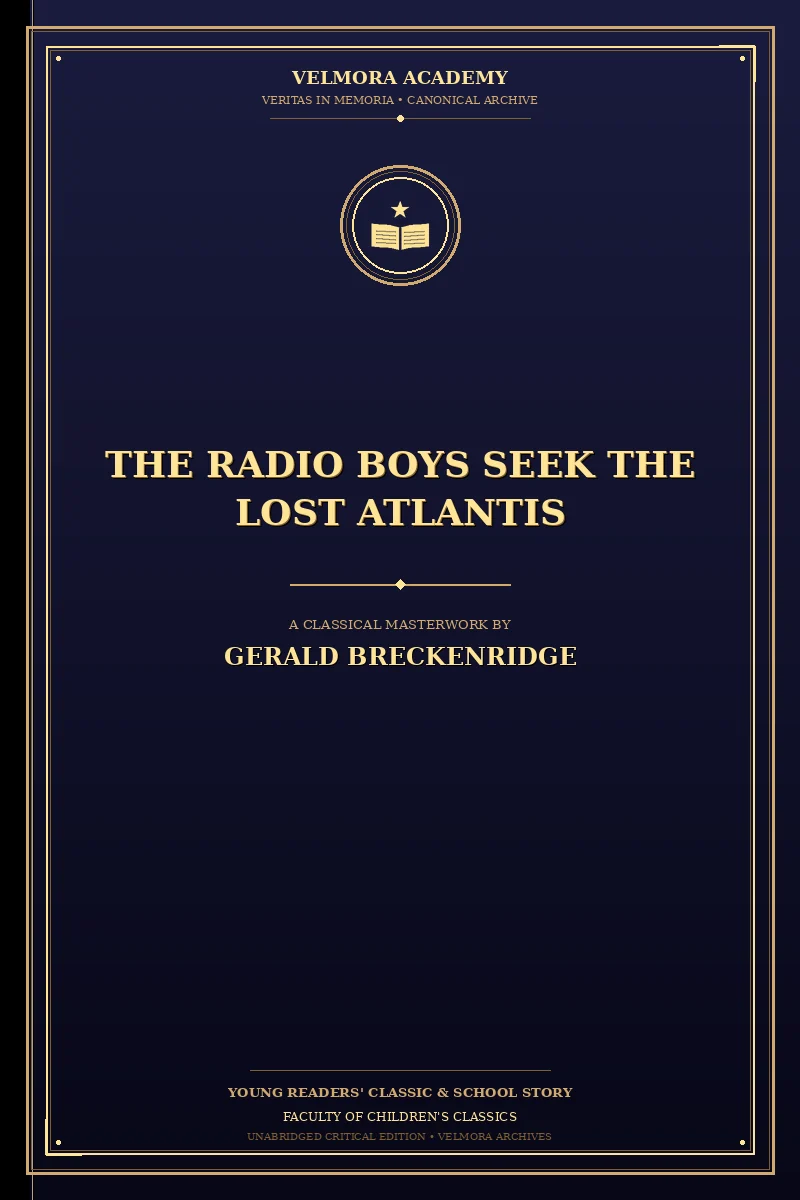
From this reading The Radio Boys on the Mexican Border The Radio Boys on Secret Service Duty The Radio Boys with the Revenue Guards The Radio Boys Search for the Inca’s Treasure The Radio Boys Rescue the Lost Alaska Expedition The Radio Boys Seek the Lost Atlantis The Radio Boys In Darkest Africa
writes (books or stories or articles or the like) professionally (for pay)
From this reading Author of _“The Radio Boys on the Mexican Border,” “The Radio Boys with the Revenue Guards,” “The Radio Boys on Secret Service Duty,” “The Radio Boys Search for the Inca’s Treasure,” “The Radio Boys Rescue the Lost Alaska Expedition,” “The Radio Boys in Darkest Africa.”_
BalticnounUS /ˈbɔːltɪk/
a sea in northern Europe; stronghold of the Russian navy
From this reading The legend says that this continent was the first region in which man rose from barbarism to civilization, and that in the course of ages it became a populous and mighty nation from whose shores immigrants went out to settle the shores of the Gulf of Mexico, the valley of the Mississippi, the valley of the Amazon, the Pacific coast of South America, the shores of the Mediterranean, of the Baltic, the Black Sea and the Caspian and the western coast of Europe and Africa.
barbarismnounUS /ˈbɑːrbərɪzəm/
a brutal barbarous savage act
From this reading The legend says that this continent was the first region in which man rose from barbarism to civilization, and that in the course of ages it became a populous and mighty nation from whose shores immigrants went out to settle the shores of the Gulf of Mexico, the valley of the Mississippi, the valley of the Amazon, the Pacific coast of South America, the shores of the Mediterranean, of the Baltic, the Black Sea and the Caspian and the western coast of Europe and Africa.
inflected form of “become” — enter or assume a certain state or condition
From this reading The legend says that this continent was the first region in which man rose from barbarism to civilization, and that in the course of ages it became a populous and mighty nation from whose shores immigrants went out to settle the shores of the Gulf of Mexico, the valley of the Mississippi, the valley of the Amazon, the Pacific coast of South America, the shores of the Mediterranean, of the Baltic, the Black Sea and the Caspian and the western coast of Europe and Africa.
being of the achromatic color of maximum darkness; having little or no hue owing to absorption of almost all incident light
From this reading The legend says that this continent was the first region in which man rose from barbarism to civilization, and that in the course of ages it became a populous and mighty nation from whose shores immigrants went out to settle the shores of the Gulf of Mexico, the valley of the Mississippi, the valley of the Amazon, the Pacific coast of South America, the shores of the Mediterranean, of the Baltic, the Black Sea and the Caspian and the western coast of Europe and Africa.
BordernounUS /ˈbɔːrdər/
a line that indicates a boundary
From this reading Author of _“The Radio Boys on the Mexican Border,” “The Radio Boys with the Revenue Guards,” “The Radio Boys on Secret Service Duty,” “The Radio Boys Search for the Inca’s Treasure,” “The Radio Boys Rescue the Lost Alaska Expedition,” “The Radio Boys in Darkest Africa.”_
plural of “boy” — a youthful male person
From this reading Author of _“The Radio Boys on the Mexican Border,” “The Radio Boys with the Revenue Guards,” “The Radio Boys on Secret Service Duty,” “The Radio Boys Search for the Inca’s Treasure,” “The Radio Boys Rescue the Lost Alaska Expedition,” “The Radio Boys in Darkest Africa.”_
CaspiannounUS /ˈkæspiən/
a large saltwater lake between Iran and Russia fed by the Volga River; the largest inland body of water in the world
From this reading The legend says that this continent was the first region in which man rose from barbarism to civilization, and that in the course of ages it became a populous and mighty nation from whose shores immigrants went out to settle the shores of the Gulf of Mexico, the valley of the Mississippi, the valley of the Amazon, the Pacific coast of South America, the shores of the Mediterranean, of the Baltic, the Black Sea and the Caspian and the western coast of Europe and Africa.
civilizationnounUS /ˌsɪvəlɪˈzeɪʃən/
a society in an advanced state of social development (e.g., with complex legal and political and religious organizations)
From this reading The legend says that this continent was the first region in which man rose from barbarism to civilization, and that in the course of ages it became a populous and mighty nation from whose shores immigrants went out to settle the shores of the Gulf of Mexico, the valley of the Mississippi, the valley of the Amazon, the Pacific coast of South America, the shores of the Mediterranean, of the Baltic, the Black Sea and the Caspian and the western coast of Europe and Africa.
the shore of a sea or ocean
From this reading The legend says that this continent was the first region in which man rose from barbarism to civilization, and that in the course of ages it became a populous and mighty nation from whose shores immigrants went out to settle the shores of the Gulf of Mexico, the valley of the Mississippi, the valley of the Amazon, the Pacific coast of South America, the shores of the Mediterranean, of the Baltic, the Black Sea and the Caspian and the western coast of Europe and Africa.
continentnounUS /ˈkɑːntənənt/
one of the large landmasses of the earth
From this reading According to this legend, there existed at one time a great continent in the Atlantic Ocean not far west of the Pillars of Hercules, those two great rocks of Gibraltar in Spain and Jibel Kebir in Morocco which guard the entrance to the Mediterranean.
education imparted in a series of lessons or meetings
From this reading The legend says that this continent was the first region in which man rose from barbarism to civilization, and that in the course of ages it became a populous and mighty nation from whose shores immigrants went out to settle the shores of the Gulf of Mexico, the valley of the Mississippi, the valley of the Amazon, the Pacific coast of South America, the shores of the Mediterranean, of the Baltic, the Black Sea and the Caspian and the western coast of Europe and Africa.
DarkestadjectiveUS /ˈdɑːrkəst/
superlative of “dark” — devoid of or deficient in light or brightness; shadowed or black
From this reading Author of _“The Radio Boys on the Mexican Border,” “The Radio Boys with the Revenue Guards,” “The Radio Boys on Secret Service Duty,” “The Radio Boys Search for the Inca’s Treasure,” “The Radio Boys Rescue the Lost Alaska Expedition,” “The Radio Boys in Darkest Africa.”_
the social force that binds you to the courses of action demanded by that force
From this reading Author of _“The Radio Boys on the Mexican Border,” “The Radio Boys with the Revenue Guards,” “The Radio Boys on Secret Service Duty,” “The Radio Boys Search for the Inca’s Treasure,” “The Radio Boys Rescue the Lost Alaska Expedition,” “The Radio Boys in Darkest Africa.”_
something that provides access (to get in or get out)
From this reading According to this legend, there existed at one time a great continent in the Atlantic Ocean not far west of the Pillars of Hercules, those two great rocks of Gibraltar in Spain and Jibel Kebir in Morocco which guard the entrance to the Mediterranean.
the 2nd smallest continent (actually a vast peninsula of Eurasia); the British use “Europe” to refer to all of the continent except the British Isles
From this reading The legend says that this continent was the first region in which man rose from barbarism to civilization, and that in the course of ages it became a populous and mighty nation from whose shores immigrants went out to settle the shores of the Gulf of Mexico, the valley of the Mississippi, the valley of the Amazon, the Pacific coast of South America, the shores of the Mediterranean, of the Baltic, the Black Sea and the Caspian and the western coast of Europe and Africa.
existedverbUS /ɪɡˈzɪstəd/
past form of “exist” — have an existence, be extant
From this reading According to this legend, there existed at one time a great continent in the Atlantic Ocean not far west of the Pillars of Hercules, those two great rocks of Gibraltar in Spain and Jibel Kebir in Morocco which guard the entrance to the Mediterranean.
a military campaign designed to achieve a specific objective in a foreign country
From this reading Author of _“The Radio Boys on the Mexican Border,” “The Radio Boys with the Revenue Guards,” “The Radio Boys on Secret Service Duty,” “The Radio Boys Search for the Inca’s Treasure,” “The Radio Boys Rescue the Lost Alaska Expedition,” “The Radio Boys in Darkest Africa.”_
to a considerable degree; very much
From this reading According to this legend, there existed at one time a great continent in the Atlantic Ocean not far west of the Pillars of Hercules, those two great rocks of Gibraltar in Spain and Jibel Kebir in Morocco which guard the entrance to the Mediterranean.
firstadjectiveUS /fɜːrst/
preceding all others in time or space or degree
From this reading The legend says that this continent was the first region in which man rose from barbarism to civilization, and that in the course of ages it became a populous and mighty nation from whose shores immigrants went out to settle the shores of the Gulf of Mexico, the valley of the Mississippi, the valley of the Amazon, the Pacific coast of South America, the shores of the Mediterranean, of the Baltic, the Black Sea and the Caspian and the western coast of Europe and Africa.
intended to be given to, or used by, somebody
From this reading Author of _“The Radio Boys on the Mexican Border,” “The Radio Boys with the Revenue Guards,” “The Radio Boys on Secret Service Duty,” “The Radio Boys Search for the Inca’s Treasure,” “The Radio Boys Rescue the Lost Alaska Expedition,” “The Radio Boys in Darkest Africa.”_
showing where something starts, or who sent it
From this reading The legend says that this continent was the first region in which man rose from barbarism to civilization, and that in the course of ages it became a populous and mighty nation from whose shores immigrants went out to settle the shores of the Gulf of Mexico, the valley of the Mississippi, the valley of the Amazon, the Pacific coast of South America, the shores of the Mediterranean, of the Baltic, the Black Sea and the Caspian and the western coast of Europe and Africa.
GibraltarnounUS /dʒɪˈbrɔːltər/
location of a colony of the United Kingdom on a limestone promontory at the southern tip of Spain; strategically important because it can control the entrance of ships into the Mediterranean; one of the Pillars of Hercules
From this reading According to this legend, there existed at one time a great continent in the Atlantic Ocean not far west of the Pillars of Hercules, those two great rocks of Gibraltar in Spain and Jibel Kebir in Morocco which guard the entrance to the Mediterranean.
relatively large in size or number or extent; larger than others of its kind
From this reading According to this legend, there existed at one time a great continent in the Atlantic Ocean not far west of the Pillars of Hercules, those two great rocks of Gibraltar in Spain and Jibel Kebir in Morocco which guard the entrance to the Mediterranean.
highest in quality
From this reading One of the greatest, if not _the_ greatest story of all the ages, is the legend of Atlantis.
a person who keeps watch over something or someone
From this reading According to this legend, there existed at one time a great continent in the Atlantic Ocean not far west of the Pillars of Hercules, those two great rocks of Gibraltar in Spain and Jibel Kebir in Morocco which guard the entrance to the Mediterranean.
GuardsnounUS /ɡɑːrdz/
plural of “guard” — a person who keeps watch over something or someone
From this reading Author of _“The Radio Boys on the Mexican Border,” “The Radio Boys with the Revenue Guards,” “The Radio Boys on Secret Service Duty,” “The Radio Boys Search for the Inca’s Treasure,” “The Radio Boys Rescue the Lost Alaska Expedition,” “The Radio Boys in Darkest Africa.”_
GulfnounUS /ɡʌlf/
an arm of a sea or ocean partly enclosed by land; larger than a bay
From this reading The legend says that this continent was the first region in which man rose from barbarism to civilization, and that in the course of ages it became a populous and mighty nation from whose shores immigrants went out to settle the shores of the Gulf of Mexico, the valley of the Mississippi, the valley of the Amazon, the Pacific coast of South America, the shores of the Mediterranean, of the Baltic, the Black Sea and the Caspian and the western coast of Europe and Africa.
HerculesnounUS /ˈhɜːrkjəliːz/
(classical mythology) a hero noted for his strength; performed 12 immense labors to gain immortality
From this reading According to this legend, there existed at one time a great continent in the Atlantic Ocean not far west of the Pillars of Hercules, those two great rocks of Gibraltar in Spain and Jibel Kebir in Morocco which guard the entrance to the Mediterranean.
on condition that; in the event that
From this reading One of the greatest, if not _the_ greatest story of all the ages, is the legend of Atlantis.
immigrantsnounUS /ˈɪməɡrənts/
plural of “immigrant” — a person who comes to a country where they were not born in order to settle there
From this reading The legend says that this continent was the first region in which man rose from barbarism to civilization, and that in the course of ages it became a populous and mighty nation from whose shores immigrants went out to settle the shores of the Gulf of Mexico, the valley of the Mississippi, the valley of the Amazon, the Pacific coast of South America, the shores of the Mediterranean, of the Baltic, the Black Sea and the Caspian and the western coast of Europe and Africa.
inside something, or within a place, period, or state
From this reading Author of _“The Radio Boys on the Mexican Border,” “The Radio Boys with the Revenue Guards,” “The Radio Boys on Secret Service Duty,” “The Radio Boys Search for the Inca’s Treasure,” “The Radio Boys Rescue the Lost Alaska Expedition,” “The Radio Boys in Darkest Africa.”_
Inca's
Dictionary entry pending editorial verification. Tap Listen to hear the word.
From this reading Author of _“The Radio Boys on the Mexican Border,” “The Radio Boys with the Revenue Guards,” “The Radio Boys on Secret Service Duty,” “The Radio Boys Search for the Inca’s Treasure,” “The Radio Boys Rescue the Lost Alaska Expedition,” “The Radio Boys in Darkest Africa.”_
the form of “be” used with he, she, it, or a singular noun
From this reading One of the greatest, if not _the_ greatest story of all the ages, is the legend of Atlantis.
a thing, animal, or idea already mentioned
From this reading The legend says that this continent was the first region in which man rose from barbarism to civilization, and that in the course of ages it became a populous and mighty nation from whose shores immigrants went out to settle the shores of the Gulf of Mexico, the valley of the Mississippi, the valley of the Amazon, the Pacific coast of South America, the shores of the Mediterranean, of the Baltic, the Black Sea and the Caspian and the western coast of Europe and Africa.
Jibel
Dictionary entry pending editorial verification. Tap Listen to hear the word.
From this reading According to this legend, there existed at one time a great continent in the Atlantic Ocean not far west of the Pillars of Hercules, those two great rocks of Gibraltar in Spain and Jibel Kebir in Morocco which guard the entrance to the Mediterranean.
Kebir
Dictionary entry pending editorial verification. Tap Listen to hear the word.
From this reading According to this legend, there existed at one time a great continent in the Atlantic Ocean not far west of the Pillars of Hercules, those two great rocks of Gibraltar in Spain and Jibel Kebir in Morocco which guard the entrance to the Mediterranean.
legendnounUS /ˈledʒənd/
a story about mythical or supernatural beings or events
From this reading One of the greatest, if not _the_ greatest story of all the ages, is the legend of Atlantis.
no longer in your possession or control; unable to be found or recovered
From this reading Author of _“The Radio Boys on the Mexican Border,” “The Radio Boys with the Revenue Guards,” “The Radio Boys on Secret Service Duty,” “The Radio Boys Search for the Inca’s Treasure,” “The Radio Boys Rescue the Lost Alaska Expedition,” “The Radio Boys in Darkest Africa.”_
an adult person who is male (as opposed to a woman)
From this reading The legend says that this continent was the first region in which man rose from barbarism to civilization, and that in the course of ages it became a populous and mighty nation from whose shores immigrants went out to settle the shores of the Gulf of Mexico, the valley of the Mississippi, the valley of the Amazon, the Pacific coast of South America, the shores of the Mediterranean, of the Baltic, the Black Sea and the Caspian and the western coast of Europe and Africa.
MediterraneannounUS /ˌmedətərˈeɪniən/
the largest inland sea; between Europe and Africa and Asia
From this reading According to this legend, there existed at one time a great continent in the Atlantic Ocean not far west of the Pillars of Hercules, those two great rocks of Gibraltar in Spain and Jibel Kebir in Morocco which guard the entrance to the Mediterranean.
MexicannounUS /ˈmeksəkən/
a native or inhabitant of Mexico
From this reading Author of _“The Radio Boys on the Mexican Border,” “The Radio Boys with the Revenue Guards,” “The Radio Boys on Secret Service Duty,” “The Radio Boys Search for the Inca’s Treasure,” “The Radio Boys Rescue the Lost Alaska Expedition,” “The Radio Boys in Darkest Africa.”_
MexiconounUS /ˈmeksəkoʊ/
a republic in southern North America; became independent from Spain in 1810
From this reading The legend says that this continent was the first region in which man rose from barbarism to civilization, and that in the course of ages it became a populous and mighty nation from whose shores immigrants went out to settle the shores of the Gulf of Mexico, the valley of the Mississippi, the valley of the Amazon, the Pacific coast of South America, the shores of the Mediterranean, of the Baltic, the Black Sea and the Caspian and the western coast of Europe and Africa.
having or showing great strength or force or intensity
From this reading The legend says that this continent was the first region in which man rose from barbarism to civilization, and that in the course of ages it became a populous and mighty nation from whose shores immigrants went out to settle the shores of the Gulf of Mexico, the valley of the Mississippi, the valley of the Amazon, the Pacific coast of South America, the shores of the Mediterranean, of the Baltic, the Black Sea and the Caspian and the western coast of Europe and Africa.
MississippinounUS /ˌmɪsɪˈsɪpi/
a major North American river and the chief river of the United States; rises in northern Minnesota and flows southward into the Gulf of Mexico
From this reading The legend says that this continent was the first region in which man rose from barbarism to civilization, and that in the course of ages it became a populous and mighty nation from whose shores immigrants went out to settle the shores of the Gulf of Mexico, the valley of the Mississippi, the valley of the Amazon, the Pacific coast of South America, the shores of the Mediterranean, of the Baltic, the Black Sea and the Caspian and the western coast of Europe and Africa.
MorocconounUS /mərˈɑːkoʊ/
a kingdom (constitutional monarchy) in northwestern Africa with a largely Muslim population; achieved independence from France in 1956
From this reading According to this legend, there existed at one time a great continent in the Atlantic Ocean not far west of the Pillars of Hercules, those two great rocks of Gibraltar in Spain and Jibel Kebir in Morocco which guard the entrance to the Mediterranean.
a politically organized body of people under a single government
From this reading The legend says that this continent was the first region in which man rose from barbarism to civilization, and that in the course of ages it became a populous and mighty nation from whose shores immigrants went out to settle the shores of the Gulf of Mexico, the valley of the Mississippi, the valley of the Amazon, the Pacific coast of South America, the shores of the Mediterranean, of the Baltic, the Black Sea and the Caspian and the western coast of Europe and Africa.
used to make a word, phrase, or sentence negative
From this reading One of the greatest, if not _the_ greatest story of all the ages, is the legend of Atlantis.
a large body of water constituting a principal part of the hydrosphere
From this reading According to this legend, there existed at one time a great continent in the Atlantic Ocean not far west of the Pillars of Hercules, those two great rocks of Gibraltar in Spain and Jibel Kebir in Morocco which guard the entrance to the Mediterranean.
belonging to, or connected with, somebody or something
From this reading Author of _“The Radio Boys on the Mexican Border,” “The Radio Boys with the Revenue Guards,” “The Radio Boys on Secret Service Duty,” “The Radio Boys Search for the Inca’s Treasure,” “The Radio Boys Rescue the Lost Alaska Expedition,” “The Radio Boys in Darkest Africa.”_
touching and supported by a surface
From this reading Author of _“The Radio Boys on the Mexican Border,” “The Radio Boys with the Revenue Guards,” “The Radio Boys on Secret Service Duty,” “The Radio Boys Search for the Inca’s Treasure,” “The Radio Boys Rescue the Lost Alaska Expedition,” “The Radio Boys in Darkest Africa.”_
used to mean any person in general, including the speaker
From this reading One of the greatest, if not _the_ greatest story of all the ages, is the legend of Atlantis.
not allowed to continue to bat or run
From this reading The legend says that this continent was the first region in which man rose from barbarism to civilization, and that in the course of ages it became a populous and mighty nation from whose shores immigrants went out to settle the shores of the Gulf of Mexico, the valley of the Mississippi, the valley of the Amazon, the Pacific coast of South America, the shores of the Mediterranean, of the Baltic, the Black Sea and the Caspian and the western coast of Europe and Africa.
PacificnounUS /pəˈsɪfɪk/
the largest ocean in the world
From this reading The legend says that this continent was the first region in which man rose from barbarism to civilization, and that in the course of ages it became a populous and mighty nation from whose shores immigrants went out to settle the shores of the Gulf of Mexico, the valley of the Mississippi, the valley of the Amazon, the Pacific coast of South America, the shores of the Mediterranean, of the Baltic, the Black Sea and the Caspian and the western coast of Europe and Africa.
PillarsnounUS /ˈpɪlərz/
plural of “pillar” — a fundamental principle or practice
From this reading According to this legend, there existed at one time a great continent in the Atlantic Ocean not far west of the Pillars of Hercules, those two great rocks of Gibraltar in Spain and Jibel Kebir in Morocco which guard the entrance to the Mediterranean.
populousadjectiveUS /ˈpɑːpjələs/
densely populated
From this reading The legend says that this continent was the first region in which man rose from barbarism to civilization, and that in the course of ages it became a populous and mighty nation from whose shores immigrants went out to settle the shores of the Gulf of Mexico, the valley of the Mississippi, the valley of the Amazon, the Pacific coast of South America, the shores of the Mediterranean, of the Baltic, the Black Sea and the Caspian and the western coast of Europe and Africa.
RadionounUS /ˈreɪdioʊ/
medium for communication
From this reading Author of _“The Radio Boys on the Mexican Border,” “The Radio Boys with the Revenue Guards,” “The Radio Boys on Secret Service Duty,” “The Radio Boys Search for the Inca’s Treasure,” “The Radio Boys Rescue the Lost Alaska Expedition,” “The Radio Boys in Darkest Africa.”_
regionnounUS /ˈriːdʒən/
the extended spatial location of something
From this reading The legend says that this continent was the first region in which man rose from barbarism to civilization, and that in the course of ages it became a populous and mighty nation from whose shores immigrants went out to settle the shores of the Gulf of Mexico, the valley of the Mississippi, the valley of the Amazon, the Pacific coast of South America, the shores of the Mediterranean, of the Baltic, the Black Sea and the Caspian and the western coast of Europe and Africa.
free from harm or evil
From this reading Author of _“The Radio Boys on the Mexican Border,” “The Radio Boys with the Revenue Guards,” “The Radio Boys on Secret Service Duty,” “The Radio Boys Search for the Inca’s Treasure,” “The Radio Boys Rescue the Lost Alaska Expedition,” “The Radio Boys in Darkest Africa.”_
RevenuenounUS /ˈrevənuː/
the entire amount of income before any deductions are made
From this reading Author of _“The Radio Boys on the Mexican Border,” “The Radio Boys with the Revenue Guards,” “The Radio Boys on Secret Service Duty,” “The Radio Boys Search for the Inca’s Treasure,” “The Radio Boys Rescue the Lost Alaska Expedition,” “The Radio Boys in Darkest Africa.”_
plural of “rock” — a lump or mass of hard consolidated mineral matter
From this reading According to this legend, there existed at one time a great continent in the Atlantic Ocean not far west of the Pillars of Hercules, those two great rocks of Gibraltar in Spain and Jibel Kebir in Morocco which guard the entrance to the Mediterranean.
any of many shrubs of the genus Rosa that bear roses
From this reading The legend says that this continent was the first region in which man rose from barbarism to civilization, and that in the course of ages it became a populous and mighty nation from whose shores immigrants went out to settle the shores of the Gulf of Mexico, the valley of the Mississippi, the valley of the Amazon, the Pacific coast of South America, the shores of the Mediterranean, of the Baltic, the Black Sea and the Caspian and the western coast of Europe and Africa.
plural of “say” — the chance to speak
From this reading The legend says that this continent was the first region in which man rose from barbarism to civilization, and that in the course of ages it became a populous and mighty nation from whose shores immigrants went out to settle the shores of the Gulf of Mexico, the valley of the Mississippi, the valley of the Amazon, the Pacific coast of South America, the shores of the Mediterranean, of the Baltic, the Black Sea and the Caspian and the western coast of Europe and Africa.
a division of an ocean or a large body of salt water partially enclosed by land
From this reading The legend says that this continent was the first region in which man rose from barbarism to civilization, and that in the course of ages it became a populous and mighty nation from whose shores immigrants went out to settle the shores of the Gulf of Mexico, the valley of the Mississippi, the valley of the Amazon, the Pacific coast of South America, the shores of the Mediterranean, of the Baltic, the Black Sea and the Caspian and the western coast of Europe and Africa.
try to locate or discover, or try to establish the existence of
From this reading Author of _“The Radio Boys on the Mexican Border,” “The Radio Boys with the Revenue Guards,” “The Radio Boys on Secret Service Duty,” “The Radio Boys Search for the Inca’s Treasure,” “The Radio Boys Rescue the Lost Alaska Expedition,” “The Radio Boys in Darkest Africa.”_
Something that is kept or meant to be kept unknown or unseen by others.
From this reading Author of _“The Radio Boys on the Mexican Border,” “The Radio Boys with the Revenue Guards,” “The Radio Boys on Secret Service Duty,” “The Radio Boys Search for the Inca’s Treasure,” “The Radio Boys Rescue the Lost Alaska Expedition,” “The Radio Boys in Darkest Africa.”_
try to get or reach
From this reading The Radio Boys on the Mexican Border The Radio Boys on Secret Service Duty The Radio Boys with the Revenue Guards The Radio Boys Search for the Inca’s Treasure The Radio Boys Rescue the Lost Alaska Expedition The Radio Boys Seek the Lost Atlantis The Radio Boys In Darkest Africa
work done by one person or group that benefits another
From this reading Author of _“The Radio Boys on the Mexican Border,” “The Radio Boys with the Revenue Guards,” “The Radio Boys on Secret Service Duty,” “The Radio Boys Search for the Inca’s Treasure,” “The Radio Boys Rescue the Lost Alaska Expedition,” “The Radio Boys in Darkest Africa.”_
settle into a position, usually on a surface or ground
From this reading The legend says that this continent was the first region in which man rose from barbarism to civilization, and that in the course of ages it became a populous and mighty nation from whose shores immigrants went out to settle the shores of the Gulf of Mexico, the valley of the Mississippi, the valley of the Amazon, the Pacific coast of South America, the shores of the Mediterranean, of the Baltic, the Black Sea and the Caspian and the western coast of Europe and Africa.
shoresnounUS /ʃɔːrz/
plural of “shore” — the land along the edge of a body of water
From this reading The legend says that this continent was the first region in which man rose from barbarism to civilization, and that in the course of ages it became a populous and mighty nation from whose shores immigrants went out to settle the shores of the Gulf of Mexico, the valley of the Mississippi, the valley of the Amazon, the Pacific coast of South America, the shores of the Mediterranean, of the Baltic, the Black Sea and the Caspian and the western coast of Europe and Africa.
the region of the United States lying to the south of the Mason-Dixon line
From this reading The legend says that this continent was the first region in which man rose from barbarism to civilization, and that in the course of ages it became a populous and mighty nation from whose shores immigrants went out to settle the shores of the Gulf of Mexico, the valley of the Mississippi, the valley of the Amazon, the Pacific coast of South America, the shores of the Mediterranean, of the Baltic, the Black Sea and the Caspian and the western coast of Europe and Africa.
SpainnounUS /speɪn/
a parliamentary monarchy in southwestern Europe on the Iberian Peninsula; a former colonial power
From this reading According to this legend, there existed at one time a great continent in the Atlantic Ocean not far west of the Pillars of Hercules, those two great rocks of Gibraltar in Spain and Jibel Kebir in Morocco which guard the entrance to the Mediterranean.
a message that tells the particulars of an act or occurrence or course of events; presented in writing or drama or cinema or as a radio or television program
From this reading One of the greatest, if not _the_ greatest story of all the ages, is the legend of Atlantis.
used to introduce what somebody said, thought, or felt
From this reading The legend says that this continent was the first region in which man rose from barbarism to civilization, and that in the course of ages it became a populous and mighty nation from whose shores immigrants went out to settle the shores of the Gulf of Mexico, the valley of the Mississippi, the valley of the Amazon, the Pacific coast of South America, the shores of the Mediterranean, of the Baltic, the Black Sea and the Caspian and the western coast of Europe and Africa.
used before a noun that is already known, already mentioned, or the only one of its kind
From this reading Author of _“The Radio Boys on the Mexican Border,” “The Radio Boys with the Revenue Guards,” “The Radio Boys on Secret Service Duty,” “The Radio Boys Search for the Inca’s Treasure,” “The Radio Boys Rescue the Lost Alaska Expedition,” “The Radio Boys in Darkest Africa.”_
in or at that place or location
From this reading According to this legend, there existed at one time a great continent in the Atlantic Ocean not far west of the Pillars of Hercules, those two great rocks of Gibraltar in Spain and Jibel Kebir in Morocco which guard the entrance to the Mediterranean.
used for a person or thing that is near, or that has just been mentioned
From this reading According to this legend, there existed at one time a great continent in the Atlantic Ocean not far west of the Pillars of Hercules, those two great rocks of Gibraltar in Spain and Jibel Kebir in Morocco which guard the entrance to the Mediterranean.
the plural of “that”: the people or things further away, or already known
From this reading According to this legend, there existed at one time a great continent in the Atlantic Ocean not far west of the Pillars of Hercules, those two great rocks of Gibraltar in Spain and Jibel Kebir in Morocco which guard the entrance to the Mediterranean.
an instance or single occasion for some event
From this reading According to this legend, there existed at one time a great continent in the Atlantic Ocean not far west of the Pillars of Hercules, those two great rocks of Gibraltar in Spain and Jibel Kebir in Morocco which guard the entrance to the Mediterranean.
used before the base form of a verb to make the infinitive
From this reading According to this legend, there existed at one time a great continent in the Atlantic Ocean not far west of the Pillars of Hercules, those two great rocks of Gibraltar in Spain and Jibel Kebir in Morocco which guard the entrance to the Mediterranean.
accumulated wealth in the form of money or jewels etc.
From this reading Author of _“The Radio Boys on the Mexican Border,” “The Radio Boys with the Revenue Guards,” “The Radio Boys on Secret Service Duty,” “The Radio Boys Search for the Inca’s Treasure,” “The Radio Boys Rescue the Lost Alaska Expedition,” “The Radio Boys in Darkest Africa.”_
the cardinal number that is the sum of one and one or a numeral representing this number
From this reading According to this legend, there existed at one time a great continent in the Atlantic Ocean not far west of the Pillars of Hercules, those two great rocks of Gibraltar in Spain and Jibel Kebir in Morocco which guard the entrance to the Mediterranean.
a long depression in the surface of the land that usually contains a river
From this reading The legend says that this continent was the first region in which man rose from barbarism to civilization, and that in the course of ages it became a populous and mighty nation from whose shores immigrants went out to settle the shores of the Gulf of Mexico, the valley of the Mississippi, the valley of the Amazon, the Pacific coast of South America, the shores of the Mediterranean, of the Baltic, the Black Sea and the Caspian and the western coast of Europe and Africa.
wasauxiliary verbUS /wɑːz/
the past form of “be” used with I, he, she, it, or a singular noun
From this reading The legend says that this continent was the first region in which man rose from barbarism to civilization, and that in the course of ages it became a populous and mighty nation from whose shores immigrants went out to settle the shores of the Gulf of Mexico, the valley of the Mississippi, the valley of the Amazon, the Pacific coast of South America, the shores of the Mediterranean, of the Baltic, the Black Sea and the Caspian and the western coast of Europe and Africa.
inflected form of “go” — change location; move, travel, or proceed, also metaphorically
From this reading The legend says that this continent was the first region in which man rose from barbarism to civilization, and that in the course of ages it became a populous and mighty nation from whose shores immigrants went out to settle the shores of the Gulf of Mexico, the valley of the Mississippi, the valley of the Amazon, the Pacific coast of South America, the shores of the Mediterranean, of the Baltic, the Black Sea and the Caspian and the western coast of Europe and Africa.
the countries of (originally) Europe and (now including) North America and South America
From this reading According to this legend, there existed at one time a great continent in the Atlantic Ocean not far west of the Pillars of Hercules, those two great rocks of Gibraltar in Spain and Jibel Kebir in Morocco which guard the entrance to the Mediterranean.
relating to or characteristic of the western parts of the world or the West as opposed to the eastern or oriental parts
From this reading The legend says that this continent was the first region in which man rose from barbarism to civilization, and that in the course of ages it became a populous and mighty nation from whose shores immigrants went out to settle the shores of the Gulf of Mexico, the valley of the Mississippi, the valley of the Amazon, the Pacific coast of South America, the shores of the Mediterranean, of the Baltic, the Black Sea and the Caspian and the western coast of Europe and Africa.
used to introduce a clause giving more about a thing just mentioned
From this reading According to this legend, there existed at one time a great continent in the Atlantic Ocean not far west of the Pillars of Hercules, those two great rocks of Gibraltar in Spain and Jibel Kebir in Morocco which guard the entrance to the Mediterranean.
belonging to which person
From this reading The legend says that this continent was the first region in which man rose from barbarism to civilization, and that in the course of ages it became a populous and mighty nation from whose shores immigrants went out to settle the shores of the Gulf of Mexico, the valley of the Mississippi, the valley of the Amazon, the Pacific coast of South America, the shores of the Mediterranean, of the Baltic, the Black Sea and the Caspian and the western coast of Europe and Africa.
in the company of; together with
From this reading Author of _“The Radio Boys on the Mexican Border,” “The Radio Boys with the Revenue Guards,” “The Radio Boys on Secret Service Duty,” “The Radio Boys Search for the Inca’s Treasure,” “The Radio Boys Rescue the Lost Alaska Expedition,” “The Radio Boys in Darkest Africa.”_