adeterminerUS /ə/
used before a singular noun to mean one of a group, when it is not a particular one
From this reading I rubbed my eyes and wondered where I was; stretched myself painfully, too, for even the cushions had not given me a true bed of roses.
after-glow
Dictionary entry pending editorial verification. Tap Listen to hear the word.
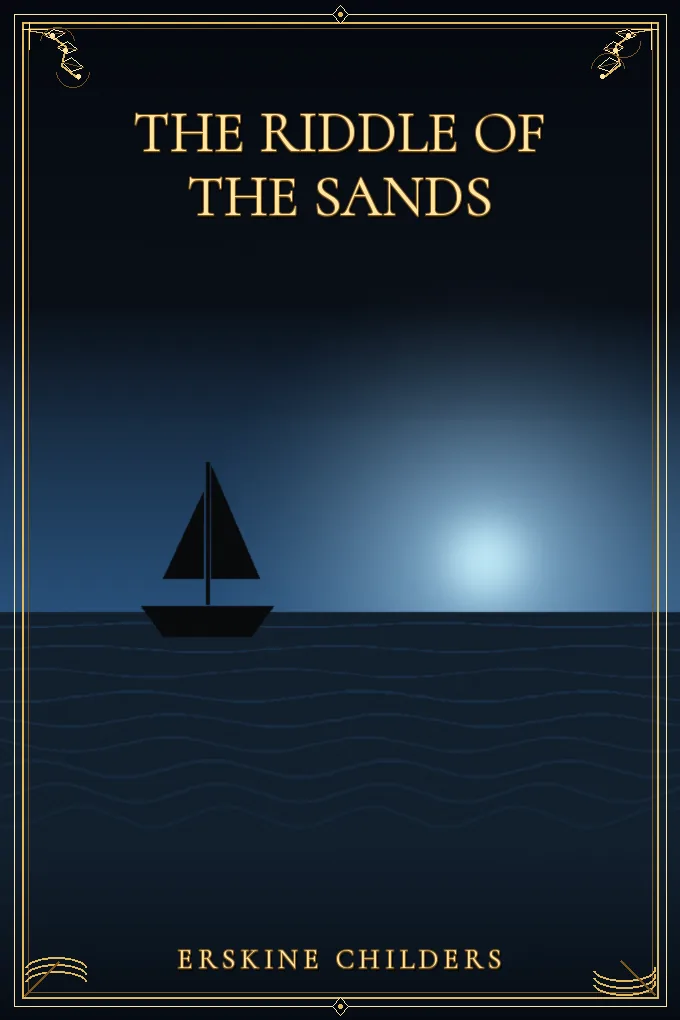
From this reading It was dusk, and the yacht was stationary in glassy water, coloured by the last after-glow.
airnounUS /er/
a mixture of gases (especially oxygen) required for breathing; the stuff that the wind consists of
From this reading A roofing of thin upper-cloud had spread over most of the sky, and a subtle smell of rain was in the air.
andconjunctionUS /ənd/
used to join words or parts of a sentence that go together
From this reading I rubbed my eyes and wondered where I was; stretched myself painfully, too, for even the cushions had not given me a true bed of roses.
beauxiliary verbUS /biː/
used with a past participle to form the passive, or with -ing for continuous tenses
From this reading We seemed to be in the middle of the fiord, whose shores looked distant and steep in the gathering darkness.
bednounUS /bed/
a piece of furniture that provides a place to sleep
From this reading I rubbed my eyes and wondered where I was; stretched myself painfully, too, for even the cushions had not given me a true bed of roses.
byprepositionUS /baɪ/
showing who or what does the action
From this reading It was dusk, and the yacht was stationary in glassy water, coloured by the last after-glow.
colouredadjectiveUS /ˈkʌlərd/
having color or a certain color; sometimes used in combination
From this reading It was dusk, and the yacht was stationary in glassy water, coloured by the last after-glow.
cushionsnounUS /ˈkʊʃənz/
plural of “cushion” — a mechanical damper; absorbs energy of sudden impulses
From this reading I rubbed my eyes and wondered where I was; stretched myself painfully, too, for even the cushions had not given me a true bed of roses.
darknessnounUS /ˈdɑːrknəs/
absence of light or illumination
From this reading We seemed to be in the middle of the fiord, whose shores looked distant and steep in the gathering darkness.
distantadjectiveUS /ˈdɪstənt/
separated in space or coming from or going to a distance
From this reading We seemed to be in the middle of the fiord, whose shores looked distant and steep in the gathering darkness.
dusknounUS /dʌsk/
the time of day immediately following sunset
From this reading It was dusk, and the yacht was stationary in glassy water, coloured by the last after-glow.
evenadjectiveUS /ˈiːvɪn/
divisible by two
From this reading I rubbed my eyes and wondered where I was; stretched myself painfully, too, for even the cushions had not given me a true bed of roses.
eyesnounUS /aɪz/
opinion or judgment
From this reading I rubbed my eyes and wondered where I was; stretched myself painfully, too, for even the cushions had not given me a true bed of roses.
fiordnoun
a long narrow inlet of the sea between steep cliffs; common in Norway
From this reading We seemed to be in the middle of the fiord, whose shores looked distant and steep in the gathering darkness.
forprepositionUS /fɔːr/
intended to be given to, or used by, somebody
From this reading I rubbed my eyes and wondered where I was; stretched myself painfully, too, for even the cushions had not given me a true bed of roses.
gatheringnounUS /ˈɡæðərɪŋ/
a group of persons together in one place
From this reading We seemed to be in the middle of the fiord, whose shores looked distant and steep in the gathering darkness.
givenadjectiveUS /ˈɡɪvən/
acknowledged as a supposition
From this reading I rubbed my eyes and wondered where I was; stretched myself painfully, too, for even the cushions had not given me a true bed of roses.
glassyadjectiveUS /ˈɡlæsi/
resembling glass in smoothness and shininess and slickness
From this reading It was dusk, and the yacht was stationary in glassy water, coloured by the last after-glow.
hadauxiliary verbUS /hæd/
the past form of “have”, used to form the past perfect
From this reading I rubbed my eyes and wondered where I was; stretched myself painfully, too, for even the cushions had not given me a true bed of roses.
IpronounUS /aɪ/
the person speaking or writing, as the subject of the verb
From this reading I rubbed my eyes and wondered where I was; stretched myself painfully, too, for even the cushions had not given me a true bed of roses.
inprepositionUS /ɪn/
inside something, or within a place, period, or state
From this reading It was dusk, and the yacht was stationary in glassy water, coloured by the last after-glow.
ItpronounUS /ɪt/
a thing, animal, or idea already mentioned
From this reading It was dusk, and the yacht was stationary in glassy water, coloured by the last after-glow.
lastadjectiveUS /læst/
immediately past
From this reading It was dusk, and the yacht was stationary in glassy water, coloured by the last after-glow.
lookedverbUS /lʊkt/
past form of “look” — perceive with attention; direct one's gaze towards
From this reading We seemed to be in the middle of the fiord, whose shores looked distant and steep in the gathering darkness.
mepronounUS /miː/
the person speaking, as the object of a verb or preposition
From this reading I rubbed my eyes and wondered where I was; stretched myself painfully, too, for even the cushions had not given me a true bed of roses.
middlenounUS /ˈmɪdəl/
an area that is approximately central within some larger region
From this reading We seemed to be in the middle of the fiord, whose shores looked distant and steep in the gathering darkness.
mostadverbUS /moʊst/
used to form the superlative
From this reading A roofing of thin upper-cloud had spread over most of the sky, and a subtle smell of rain was in the air.
mydeterminerUS /maɪ/
belonging to the person speaking
From this reading I rubbed my eyes and wondered where I was; stretched myself painfully, too, for even the cushions had not given me a true bed of roses.
myselfpronounUS /ˌmaɪˈself/
used when the speaker is also the object of the action
From this reading I rubbed my eyes and wondered where I was; stretched myself painfully, too, for even the cushions had not given me a true bed of roses.
notadverbUS /nɑːt/
used to make a word, phrase, or sentence negative
From this reading I rubbed my eyes and wondered where I was; stretched myself painfully, too, for even the cushions had not given me a true bed of roses.
ofprepositionUS /ʌv/
belonging to, or connected with, somebody or something
From this reading I rubbed my eyes and wondered where I was; stretched myself painfully, too, for even the cushions had not given me a true bed of roses.
overprepositionUS /ˈoʊvər/
above and across; more than
From this reading A roofing of thin upper-cloud had spread over most of the sky, and a subtle smell of rain was in the air.
painfullyadverbUS /ˈpeɪnfəli/
unpleasantly
From this reading I rubbed my eyes and wondered where I was; stretched myself painfully, too, for even the cushions had not given me a true bed of roses.
rainnounUS /reɪn/
water falling in drops from vapor condensed in the atmosphere
From this reading A roofing of thin upper-cloud had spread over most of the sky, and a subtle smell of rain was in the air.
RetrospectnounUS /ˈretrəspekt/
contemplation of things past
From this reading Retrospect “Wake up!”
roofingnounUS /ˈruːfɪŋ/
material used to construct a roof
From this reading A roofing of thin upper-cloud had spread over most of the sky, and a subtle smell of rain was in the air.
rosesnounUS /ˈroʊzɪz/
plural of “rose” — any of many shrubs of the genus Rosa that bear roses
From this reading I rubbed my eyes and wondered where I was; stretched myself painfully, too, for even the cushions had not given me a true bed of roses.
rubbedverbUS /rʌbd/
inflected form of “rub” — move over something with pressure
From this reading I rubbed my eyes and wondered where I was; stretched myself painfully, too, for even the cushions had not given me a true bed of roses.
seemedverbUS /siːmd/
past form of “seem” — give a certain impression or have a certain outward aspect
From this reading We seemed to be in the middle of the fiord, whose shores looked distant and steep in the gathering darkness.
shoresnounUS /ʃɔːrz/
plural of “shore” — the land along the edge of a body of water
From this reading We seemed to be in the middle of the fiord, whose shores looked distant and steep in the gathering darkness.
skynounUS /skaɪ/
the atmosphere and outer space as viewed from the earth
From this reading A roofing of thin upper-cloud had spread over most of the sky, and a subtle smell of rain was in the air.
smellnounUS /smel/
the sensation that results when olfactory receptors in the nose are stimulated by particular chemicals in gaseous form
From this reading A roofing of thin upper-cloud had spread over most of the sky, and a subtle smell of rain was in the air.
spreadverbUS /spred/
distribute or disperse widely
From this reading A roofing of thin upper-cloud had spread over most of the sky, and a subtle smell of rain was in the air.
stationaryadjectiveUS /ˈsteɪʃəneri/
standing still
From this reading It was dusk, and the yacht was stationary in glassy water, coloured by the last after-glow.
steepadjectiveUS /stiːp/
having a sharp inclination
From this reading We seemed to be in the middle of the fiord, whose shores looked distant and steep in the gathering darkness.
stretchedadjectiveUS /stretʃt/
(of muscles) relieved of stiffness by stretching
From this reading I rubbed my eyes and wondered where I was; stretched myself painfully, too, for even the cushions had not given me a true bed of roses.
subtleadjectiveUS /ˈsʌtəl/
difficult to detect or grasp by the mind or analyze
From this reading A roofing of thin upper-cloud had spread over most of the sky, and a subtle smell of rain was in the air.
thedeterminerUS /ðə/
used before a noun that is already known, already mentioned, or the only one of its kind
From this reading I rubbed my eyes and wondered where I was; stretched myself painfully, too, for even the cushions had not given me a true bed of roses.
thinadjectiveUS /θɪn/
Having little thickness or extent.
From this reading A roofing of thin upper-cloud had spread over most of the sky, and a subtle smell of rain was in the air.
toparticleUS /tuː/
used before the base form of a verb to make the infinitive
From this reading We seemed to be in the middle of the fiord, whose shores looked distant and steep in the gathering darkness.
tooadverbUS /tuː/
to a degree exceeding normal or proper limits
From this reading I rubbed my eyes and wondered where I was; stretched myself painfully, too, for even the cushions had not given me a true bed of roses.
trueadjectiveUS /truː/
consistent with fact or reality; not false
From this reading I rubbed my eyes and wondered where I was; stretched myself painfully, too, for even the cushions had not given me a true bed of roses.
upadjectiveUS /ʌp/
being or moving higher in position or greater in some value; being above a former position or level
From this reading Retrospect “Wake up!”
upper-cloud
Dictionary entry pending editorial verification. Tap Listen to hear the word.
From this reading A roofing of thin upper-cloud had spread over most of the sky, and a subtle smell of rain was in the air.
WakeverbUS /weɪk/
be awake, be alert, be there
From this reading Retrospect “Wake up!”
wasauxiliary verbUS /wɑːz/
the past form of “be” used with I, he, she, it, or a singular noun
From this reading I rubbed my eyes and wondered where I was; stretched myself painfully, too, for even the cushions had not given me a true bed of roses.
waternounUS /ˈwɔːtər/
binary compound that occurs at room temperature as a clear colorless odorless tasteless liquid; freezes into ice below 0 degrees centigrade and boils above 100 degrees centigrade; widely used as a solvent
From this reading It was dusk, and the yacht was stationary in glassy water, coloured by the last after-glow.
WepronounUS /wiː/
the speaker together with one or more other people
From this reading We seemed to be in the middle of the fiord, whose shores looked distant and steep in the gathering darkness.
whereconjunctionUS /wer/
in or at the place that
From this reading I rubbed my eyes and wondered where I was; stretched myself painfully, too, for even the cushions had not given me a true bed of roses.
whosedeterminerUS /huːz/
belonging to which person
From this reading We seemed to be in the middle of the fiord, whose shores looked distant and steep in the gathering darkness.
wonderedverbUS /ˈwʌndərd/
past form of “wonder” — have a wish or desire to know something
From this reading I rubbed my eyes and wondered where I was; stretched myself painfully, too, for even the cushions had not given me a true bed of roses.
yachtnounUS /jɑːt/
an expensive vessel propelled by sail or power and used for cruising or racing
From this reading It was dusk, and the yacht was stationary in glassy water, coloured by the last after-glow.