Learn English through classic literature • Five-line readings • Clear US narration
VELMORA ACADEMY
Academy of Archival Languages & Memory Studies
Menu Close
The Rise of Roscoe Paine

Chapter XVI · Chapter 16

Chapter 16 of The Rise of Roscoe Paine is here in full — 620 sentences across 124 reading sections, with audio for every sentence and word.

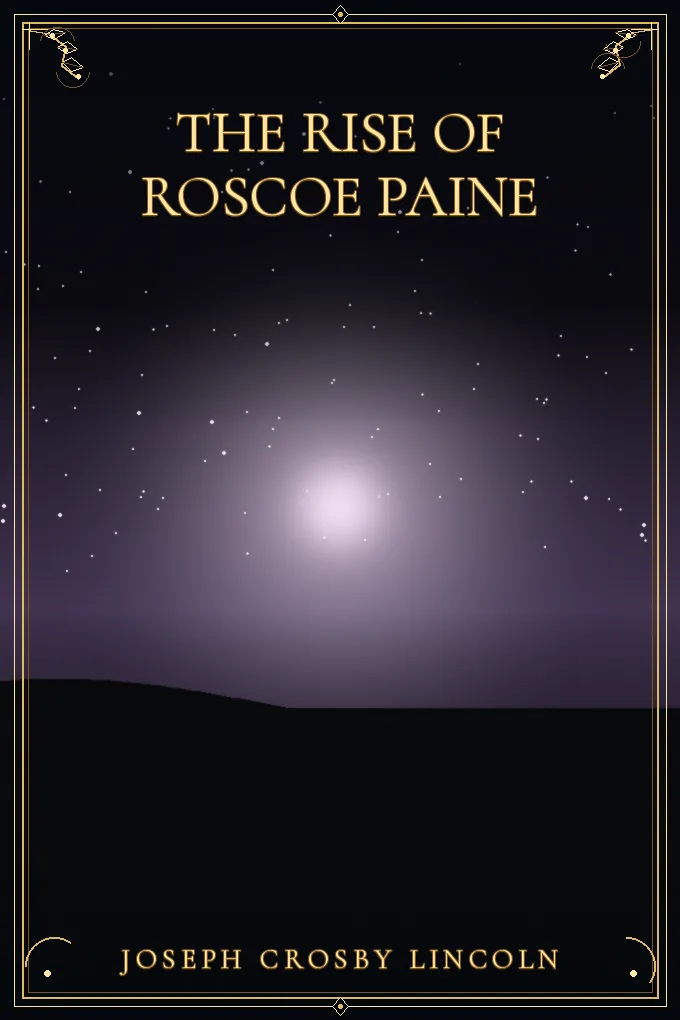
Cover illustration for The Rise of Roscoe Paine
Context Illustration Reading 1/124 · 5 lines
English subtitles · tap any word to listen 1 / 5
Before he could close the drawer completely I caught his arm and held it.
George,” I cried, George, what is the matter?
Tell me; you must tell me.”
He tried to pull his arm free.
Finding that I would not let him do this he gave up the attempt and, with a poor attempt at a laugh, answered, Matter?
0:00 / 0:00
Speed 0.75x
AI-generated narration by OpenAI · Slow US English
LEARNER DICTIONARY
Archivist
/ˈɑːrkɪvɪst/
Editorial verification pending

A keeper or guardian of historical records and memories.

The Rise of Roscoe Paine

Chapter XVI · Chapter 16

Chapter 16 of The Rise of Roscoe Paine is here in full — 620 sentences across 124 reading sections, with audio for every sentence and word.

Reading 1/124 · 5 reading units · Lines 1–5

Line 1
Before he could close the drawer completely I caught his arm and held it.
/bɪˈfɔːr hiː kʊd kloʊs ðə drɔːr kəmˈpliːtli aɪ kɑːt hɪz ɑːrm ənd held ɪt/
Line 2
George,” I cried, “George, what is the matter?
/dʒɔːrdʒ aɪ kraɪd dʒɔːrdʒ wʌt ɪz ðə ˈmætər/
Line 3
Tell me; you must tell me.”
/tel miː juː mʌst tel miː/
Line 4
He tried to pull his arm free.
/hiː traɪd tuː pʊl hɪz ɑːrm friː/
Line 5
Finding that I would not let him do this he gave up the attempt and, with a poor attempt at a laugh, answered, “Matter?
/ˈfaɪndɪŋ ðæt aɪ wʊd nɑːt let hɪm duː ðɪs hiː ɡeɪv ʌp ðə əˈtempt ənd wɪð ə puːr əˈtempt æt ə læf ˈænsərd ˈmætər/

Learner Dictionary

These definitions explain words found in the current reading and keep every example grounded in its original sentence.

Oxford-style entry order: headword, part of speech, US IPA, concise definition, contextual example, and audio.

attempt noun US /əˈtempt/

earnest and conscientious activity intended to do or accomplish something

From this reading “Finding that I would not let him do this he gave up the attempt and, with a poor attempt at a laugh, answered, “Matter?”

completely adverb US /kəmˈpliːtli/

to a complete degree or to the full or entire extent (“whole” is often used informally for “wholly”)

From this reading “Before he could close the drawer completely I caught his arm and held it.”

drawer noun US /drɔːr/

a boxlike container in a piece of furniture; made so as to slide in and out

From this reading “Before he could close the drawer completely I caught his arm and held it.”

Finding noun US /ˈfaɪndɪŋ/

the act of determining the properties of something, usually by research or calculation

From this reading “Finding that I would not let him do this he gave up the attempt and, with a poor attempt at a laugh, answered, “Matter?”

free verb US /friː/

grant freedom to; free from confinement

From this reading “He tried to pull his arm free.”

George noun US /dʒɔːrdʒ/

Christian martyr; patron saint of England; hero of the legend of Saint George and the Dragon in which he slew a dragon and saved a princess (?-303)

From this reading ““George,” I cried, “George, what is the matter?”

laugh noun US /læf/

the sound of laughing

From this reading “Finding that I would not let him do this he gave up the attempt and, with a poor attempt at a laugh, answered, “Matter?”

pull verb US /pʊl/

cause to move by pulling

From this reading “He tried to pull his arm free.”

All words in this reading · 44

Every word in these five lines is listed here, and every one of them can be played on its own.

Dictionary details are shown only when verified; these are not licensed Oxford entries.

adeterminerUS /ə/

used before a singular noun to mean one of a group, when it is not a particular one

From this reading Finding that I would not let him do this he gave up the attempt and, with a poor attempt at a laugh, answered, “Matter?

andconjunctionUS /ənd/

used to join words or parts of a sentence that go together

From this reading Before he could close the drawer completely I caught his arm and held it.

answeredverbUS /ˈænsərd/

past form of “answer” — react verbally

From this reading Finding that I would not let him do this he gave up the attempt and, with a poor attempt at a laugh, answered, “Matter?

armnounUS /ɑːrm/

a human limb; technically the part of the superior limb between the shoulder and the elbow but commonly used to refer to the whole superior limb

From this reading Before he could close the drawer completely I caught his arm and held it.

atprepositionUS /æt/

in or near a particular place or position

From this reading Finding that I would not let him do this he gave up the attempt and, with a poor attempt at a laugh, answered, “Matter?

attemptnounUS /əˈtempt/

earnest and conscientious activity intended to do or accomplish something

From this reading Finding that I would not let him do this he gave up the attempt and, with a poor attempt at a laugh, answered, “Matter?

BeforeprepositionUS /bɪˈfɔːr/

earlier than; in front of

From this reading Before he could close the drawer completely I caught his arm and held it.

caughtverbUS /kɑːt/

inflected form of “catch” — discover or come upon accidentally, suddenly, or unexpectedly; catch somebody doing something or in a certain state

From this reading Before he could close the drawer completely I caught his arm and held it.

closeadjectiveUS /kloʊs/

at or within a short distance in space or time or having elements near each other

From this reading Before he could close the drawer completely I caught his arm and held it.

completelyadverbUS /kəmˈpliːtli/

to a complete degree or to the full or entire extent (“whole” is often used informally for “wholly”)

From this reading Before he could close the drawer completely I caught his arm and held it.

couldmodal verbUS /kʊd/

the past of “can”; used for possibility or polite requests

From this reading Before he could close the drawer completely I caught his arm and held it.

criedverbUS /kraɪd/

inflected form of “cry” — utter a sudden loud cry

From this reading “George,” I cried, “George, what is the matter?

doauxiliary verbUS /duː/

used to form questions and negatives, and to give emphasis

From this reading Finding that I would not let him do this he gave up the attempt and, with a poor attempt at a laugh, answered, “Matter?

drawernounUS /drɔːr/

a boxlike container in a piece of furniture; made so as to slide in and out

From this reading Before he could close the drawer completely I caught his arm and held it.

FindingnounUS /ˈfaɪndɪŋ/

the act of determining the properties of something, usually by research or calculation

From this reading Finding that I would not let him do this he gave up the attempt and, with a poor attempt at a laugh, answered, “Matter?

freeverbUS /friː/

grant freedom to; free from confinement

From this reading He tried to pull his arm free.

gaveverbUS /ɡeɪv/

inflected form of “give” — cause to have, in the abstract sense or physical sense

From this reading Finding that I would not let him do this he gave up the attempt and, with a poor attempt at a laugh, answered, “Matter?

GeorgenounUS /dʒɔːrdʒ/

Christian martyr; patron saint of England; hero of the legend of Saint George and the Dragon in which he slew a dragon and saved a princess (?-303)

From this reading “George,” I cried, “George, what is the matter?

hepronounUS /hiː/

a man, boy, or male animal already mentioned, as the subject

From this reading Before he could close the drawer completely I caught his arm and held it.

heldadjectiveUS /held/

occupied or in the control of; often used in combination

From this reading Before he could close the drawer completely I caught his arm and held it.

himpronounUS /hɪm/

the male already mentioned, as the object of a verb or preposition

From this reading Finding that I would not let him do this he gave up the attempt and, with a poor attempt at a laugh, answered, “Matter?

hisdeterminerUS /hɪz/

belonging to a man, boy, or male animal already mentioned

From this reading Before he could close the drawer completely I caught his arm and held it.

IpronounUS /aɪ/

the person speaking or writing, as the subject of the verb

From this reading Before he could close the drawer completely I caught his arm and held it.

isauxiliary verbUS /ɪz/

the form of “be” used with he, she, it, or a singular noun

From this reading “George,” I cried, “George, what is the matter?

itpronounUS /ɪt/

a thing, animal, or idea already mentioned

From this reading Before he could close the drawer completely I caught his arm and held it.

laughnounUS /læf/

the sound of laughing

From this reading Finding that I would not let him do this he gave up the attempt and, with a poor attempt at a laugh, answered, “Matter?

letauxiliary verbUS /let/

used to make a suggestion or a command including the speaker

From this reading Finding that I would not let him do this he gave up the attempt and, with a poor attempt at a laugh, answered, “Matter?

matternounUS /ˈmætər/

a vaguely specified concern

From this reading “George,” I cried, “George, what is the matter?

mepronounUS /miː/

the person speaking, as the object of a verb or preposition

From this reading Tell me; you must tell me.”

mustmodal verbUS /mʌst/

used to say something is necessary, or almost certainly true

From this reading Tell me; you must tell me.”

notadverbUS /nɑːt/

used to make a word, phrase, or sentence negative

From this reading Finding that I would not let him do this he gave up the attempt and, with a poor attempt at a laugh, answered, “Matter?

pooradjectiveUS /puːr/

deserving or inciting pity

From this reading Finding that I would not let him do this he gave up the attempt and, with a poor attempt at a laugh, answered, “Matter?

pullverbUS /pʊl/

cause to move by pulling

From this reading He tried to pull his arm free.

TellverbUS /tel/

express in words

From this reading Tell me; you must tell me.”

thatconjunctionUS /ðæt/

used to introduce what somebody said, thought, or felt

From this reading Finding that I would not let him do this he gave up the attempt and, with a poor attempt at a laugh, answered, “Matter?

thedeterminerUS /ðə/

used before a noun that is already known, already mentioned, or the only one of its kind

From this reading Before he could close the drawer completely I caught his arm and held it.

thisdeterminerUS /ðɪs/

used for a person or thing that is near, or that has just been mentioned

From this reading Finding that I would not let him do this he gave up the attempt and, with a poor attempt at a laugh, answered, “Matter?

toparticleUS /tuː/

used before the base form of a verb to make the infinitive

From this reading He tried to pull his arm free.

triedadjectiveUS /traɪd/

tested and proved useful or correct

From this reading He tried to pull his arm free.

upadjectiveUS /ʌp/

being or moving higher in position or greater in some value; being above a former position or level

From this reading Finding that I would not let him do this he gave up the attempt and, with a poor attempt at a laugh, answered, “Matter?

whatpronounUS /wʌt/

used to ask for information about something

From this reading “George,” I cried, “George, what is the matter?

withprepositionUS /wɪð/

in the company of; together with

From this reading Finding that I would not let him do this he gave up the attempt and, with a poor attempt at a laugh, answered, “Matter?

wouldmodal verbUS /wʊd/

used for something imagined, polite, or habitual in the past

From this reading Finding that I would not let him do this he gave up the attempt and, with a poor attempt at a laugh, answered, “Matter?

youpronounUS /juː/

the person or people being spoken to

From this reading Tell me; you must tell me.”

Chapter 16 of The Rise of Roscoe Paine by Joseph Crosby Lincoln holds 620 sentences, grouped into 124 reading sections of at most 5 sentences. The text is the public-domain source, unabridged, and the chapter records which sentences cover which part of the work so that nothing is dropped. Every word can be tapped for its pronunciation and dictionary entry.

What does chapter 16 of The Rise of Roscoe Paine contain?

Chapter 16 holds 620 sentences of The Rise of Roscoe Paine, unabridged, divided into 124 reading sections.

This page carries chapter 16 of The Rise of Roscoe Paine by Joseph Crosby Lincoln exactly as it stands in the public-domain source edition, without abridgement. It runs to 620 sentences, grouped into 124 sections of at most 5 sentences so that a reader can take the chapter in steady, finishable pieces. The chapter also stores a coverage record mapping every one of its sentences to a part of the work, which is how the edition demonstrates that no line was dropped.

How do I study chapter 16 of The Rise of Roscoe Paine?

Work through the 124 sections in order, replaying any sentence and tapping unfamiliar words for their entries.

Each of the 124 sections in this chapter is short enough to read once, hear once, and then re-read with the vocabulary in view. Tapping a word plays it alone and opens its dictionary entry with IPA, part of speech and meaning, so the reader is never forced to guess a pronunciation from spelling. Working section by section keeps a long chapter from becoming an undifferentiated wall of text, which is the usual reason a reader abandons a work of this period.

Can chapter 16 be read aloud to me?

Yes — every sentence and every individual word in chapter 16 can be played aloud in United States English.

Audio covers the whole chapter: any sentence can be played, and any single word within it can be played on its own. The voice uses United States English. For a work of this period that matters, because spelling is an unreliable guide to pronunciation for vocabulary that has fallen out of daily use, and a learner who guesses wrong tends to keep the error. Hearing the word in its own sentence, and then alone, settles it.

Questions about reading The Rise of Roscoe Paine

Common questions about reading The Rise of Roscoe Paine by Joseph Crosby Lincoln on this page, its source edition and its audio.

Is this the complete text of The Rise of Roscoe Paine?

Yes. All 13125 sentences of Project Gutenberg eBook #3137 are kept, with a record of which sentences cover which part.

Which edition of The Rise of Roscoe Paine is used?

Project Gutenberg eBook #3137, a public-domain edition. The Project Gutenberg header, footer and licence are removed.

How long does The Rise of Roscoe Paine take to read?

About 600 minutes of reading across 2625 sections of 5 sentences each, at an unhurried pace.

How to read The Rise of Roscoe Paine section by section

How to work through The Rise of Roscoe Paine section by section, using the audio and the tap-to-define vocabulary.

  1. Open a chapter

    Choose one of the 23 chapters of The Rise of Roscoe Paine to begin.

  2. Read one section

    Each section holds 5 sentences; read it once through.

  3. Listen and tap

    Play the section aloud, then tap any unfamiliar word for its entry.

Vocabulary met early in The Rise of Roscoe Paine

Words and structures a reader meets early in The Rise of Roscoe Paine, each tappable for pronunciation and meaning.

Going
A word that appears in the opening chapter of The Rise of Roscoe Paine; the reader can tap it to hear it and see its dictionary entry.
Village
A word that appears in the opening chapter of The Rise of Roscoe Paine; the reader can tap it to hear it and see its dictionary entry.
Dorinda
A word that appears in the opening chapter of The Rise of Roscoe Paine; the reader can tap it to hear it and see its dictionary entry.
Taking
A word that appears in the opening chapter of The Rise of Roscoe Paine; the reader can tap it to hear it and see its dictionary entry.