Complete classic literature • Five-line readings • Clear US narration
VELMORA ACADEMY
Academy of Archival Languages & Memory Studies
Menu Close
The Rover Boys in Camp

Chapter XXII · Chapter 22

Chapter 22 of The Rover Boys in Camp is here in full — 139 sentences across 28 reading sections, with audio for every sentence and word.

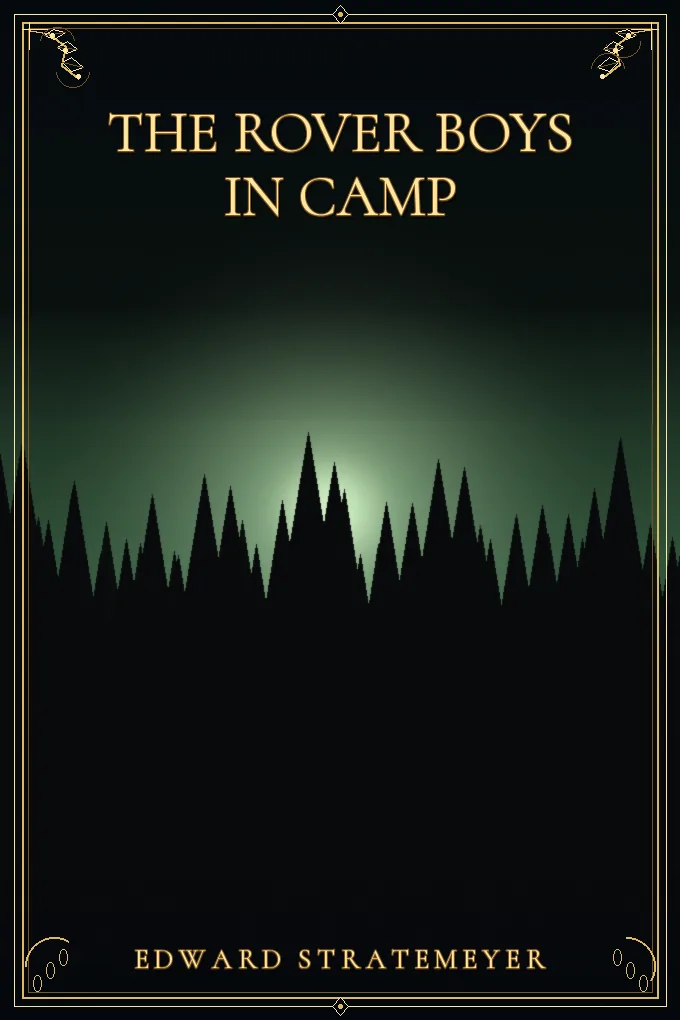
Cover illustration for The Rover Boys in Camp
Context Illustration Reading 1/27 · 5 lines
English subtitles · tap any word to listen 1 / 5
A GLIMPSE OF AN OLD ENEMY "We are in a pickle now and no mistake!" groaned Fred Garrison.
He hated snakes as much as he did poison.
"It's certainly bad," declared Songbird Powell.
"I wonder what we had best do?"
"Has anybody got a pistol?"
0:00 / 0:00
Speed 0.75x
AI-generated narration by OpenAI · Slow US English
LEARNER DICTIONARY
Archivist
/ˈɑːrkɪvɪst/
Editorial verification pending

A keeper or guardian of historical records and memories.

The Rover Boys in Camp

Chapter XXII · Chapter 22

Chapter 22 of The Rover Boys in Camp is here in full — 139 sentences across 28 reading sections, with audio for every sentence and word.

Reading 1/27 · 5 reading units · Lines 1–5

Line 1
A GLIMPSE OF AN OLD ENEMY "We are in a pickle now and no mistake!" groaned Fred Garrison.
Line 2
He hated snakes as much as he did poison.
/hiː ˈheɪtəd sneɪks æz mʌtʃ æz hiː dɪd ˈpɔɪzən/
Line 3
"It's certainly bad," declared Songbird Powell.
Line 4
"I wonder what we had best do?"
/aɪ ˈwʌndər wʌt wiː hæd best duː/
Line 5
"Has anybody got a pistol?"
/hæz ˈenibədi ɡɑːt ə ˈpɪstəl/

Learner Dictionary

These definitions explain words found in the current reading and keep every example grounded in its original sentence.

Oxford-style entry order: headword, part of speech, US IPA, concise definition, contextual example, and audio.

Garrison noun US /ˈɡærɪsən/

a fortified military post where troops are stationed

From this reading “A GLIMPSE OF AN OLD ENEMY "We are in a pickle now and no mistake!" groaned Fred Garrison.”

groaned verb US /ɡroʊnd/

past form of “groan” — indicate pain, discomfort, or displeasure

From this reading “A GLIMPSE OF AN OLD ENEMY "We are in a pickle now and no mistake!" groaned Fred Garrison.”

pickle noun US /ˈpɪkəl/

vegetables (especially cucumbers) preserved in brine or vinegar

From this reading “A GLIMPSE OF AN OLD ENEMY "We are in a pickle now and no mistake!" groaned Fred Garrison.”

pistol noun US /ˈpɪstəl/

a firearm that is held and fired with one hand

From this reading “"Has anybody got a pistol?"”

poison verb US /ˈpɔɪzən/

spoil as if by poison

From this reading “He hated snakes as much as he did poison.”

Powell noun US /ˈpaʊəl/

United States general who was the first African American to serve as chief of staff; later served as Secretary of State under President George W. Bush (born 1937)

From this reading “"It's certainly bad," declared Songbird Powell.”

snakes noun US /sneɪks/

plural of “snake” — limbless scaly elongate reptile; some are venomous

From this reading “He hated snakes as much as he did poison.”

Songbird noun US /ˈsɔːŋbɜːrd/

any bird having a musical call

From this reading “"It's certainly bad," declared Songbird Powell.”

All words in this reading · 40

Every word in these five lines is listed here, and every one of them can be played on its own.

Dictionary details are shown only when verified; these are not licensed Oxford entries.

AdeterminerUS /ə/

used before a singular noun to mean one of a group, when it is not a particular one

From this reading A GLIMPSE OF AN OLD ENEMY "We are in a pickle now and no mistake!" groaned Fred Garrison.

ANdeterminerUS /æn/

the form of “a” used before a word that begins with a vowel sound

From this reading A GLIMPSE OF AN OLD ENEMY "We are in a pickle now and no mistake!" groaned Fred Garrison.

andconjunctionUS /ənd/

used to join words or parts of a sentence that go together

From this reading A GLIMPSE OF AN OLD ENEMY "We are in a pickle now and no mistake!" groaned Fred Garrison.

anybodypronounUS /ˈenibədi/

any person at all

From this reading "Has anybody got a pistol?"

areauxiliary verbUS /ɑːr/

the form of “be” used with you, we, they, or a plural noun

From this reading A GLIMPSE OF AN OLD ENEMY "We are in a pickle now and no mistake!" groaned Fred Garrison.

asconjunctionUS /æz/

at the same time that; because; in the way that

From this reading He hated snakes as much as he did poison.

badadjectiveUS /bæd/

having undesirable or negative qualities

From this reading "It's certainly bad," declared Songbird Powell.

bestnounUS /best/

the supreme effort one can make

From this reading "I wonder what we had best do?"

certainlyadverbUS /ˈsɜːrtənli/

definitely or positively (“sure” is sometimes used informally for “surely”)

From this reading "It's certainly bad," declared Songbird Powell.

declaredadjectiveUS /dɪˈklerd/

made known or openly avowed

From this reading "It's certainly bad," declared Songbird Powell.

didauxiliary verbUS /dɪd/

the past form of “do”, used in questions and negatives

From this reading He hated snakes as much as he did poison.

doauxiliary verbUS /duː/

used to form questions and negatives, and to give emphasis

From this reading "I wonder what we had best do?"

ENEMYnounUS /ˈenəmi/

an opposing military force

From this reading A GLIMPSE OF AN OLD ENEMY "We are in a pickle now and no mistake!" groaned Fred Garrison.

Fred

Dictionary entry pending editorial verification. Tap Listen to hear the word.

From this reading A GLIMPSE OF AN OLD ENEMY "We are in a pickle now and no mistake!" groaned Fred Garrison.

GarrisonnounUS /ˈɡærɪsən/

a fortified military post where troops are stationed

From this reading A GLIMPSE OF AN OLD ENEMY "We are in a pickle now and no mistake!" groaned Fred Garrison.

GLIMPSEnounUS /ɡlɪmps/

a quick look

From this reading A GLIMPSE OF AN OLD ENEMY "We are in a pickle now and no mistake!" groaned Fred Garrison.

gotverbUS /ɡɑːt/

inflected form of “get” — come into the possession of something concrete or abstract

From this reading "Has anybody got a pistol?"

groanedverbUS /ɡroʊnd/

past form of “groan” — indicate pain, discomfort, or displeasure

From this reading A GLIMPSE OF AN OLD ENEMY "We are in a pickle now and no mistake!" groaned Fred Garrison.

hadauxiliary verbUS /hæd/

the past form of “have”, used to form the past perfect

From this reading "I wonder what we had best do?"

Hasauxiliary verbUS /hæz/

the form of “have” used with he, she, it, or a singular noun

From this reading "Has anybody got a pistol?"

hatedadjectiveUS /ˈheɪtəd/

treated with dislike or contempt

From this reading He hated snakes as much as he did poison.

HepronounUS /hiː/

a man, boy, or male animal already mentioned, as the subject

From this reading He hated snakes as much as he did poison.

IpronounUS /aɪ/

the person speaking or writing, as the subject of the verb

From this reading "I wonder what we had best do?"

inprepositionUS /ɪn/

inside something, or within a place, period, or state

From this reading A GLIMPSE OF AN OLD ENEMY "We are in a pickle now and no mistake!" groaned Fred Garrison.

It's

Dictionary entry pending editorial verification. Tap Listen to hear the word.

From this reading "It's certainly bad," declared Songbird Powell.

mistakenounUS /mɪˈsteɪk/

a wrong action attributable to bad judgment or ignorance or inattention

From this reading A GLIMPSE OF AN OLD ENEMY "We are in a pickle now and no mistake!" groaned Fred Garrison.

muchadverbUS /mʌtʃ/

to a great degree or extent

From this reading He hated snakes as much as he did poison.

nodeterminerUS /noʊ/

not any; not one

From this reading A GLIMPSE OF AN OLD ENEMY "We are in a pickle now and no mistake!" groaned Fred Garrison.

nowadverbUS /naʊ/

in the historical present; at this point in the narration of a series of past events

From this reading A GLIMPSE OF AN OLD ENEMY "We are in a pickle now and no mistake!" groaned Fred Garrison.

OFprepositionUS /ʌv/

belonging to, or connected with, somebody or something

From this reading A GLIMPSE OF AN OLD ENEMY "We are in a pickle now and no mistake!" groaned Fred Garrison.

OLDadjectiveUS /oʊld/

(used especially of persons) having lived for a relatively long time or attained a specific age

From this reading A GLIMPSE OF AN OLD ENEMY "We are in a pickle now and no mistake!" groaned Fred Garrison.

picklenounUS /ˈpɪkəl/

vegetables (especially cucumbers) preserved in brine or vinegar

From this reading A GLIMPSE OF AN OLD ENEMY "We are in a pickle now and no mistake!" groaned Fred Garrison.

pistolnounUS /ˈpɪstəl/

a firearm that is held and fired with one hand

From this reading "Has anybody got a pistol?"

poisonverbUS /ˈpɔɪzən/

spoil as if by poison

From this reading He hated snakes as much as he did poison.

PowellnounUS /ˈpaʊəl/

United States general who was the first African American to serve as chief of staff; later served as Secretary of State under President George W. Bush (born 1937)

From this reading "It's certainly bad," declared Songbird Powell.

snakesnounUS /sneɪks/

plural of “snake” — limbless scaly elongate reptile; some are venomous

From this reading He hated snakes as much as he did poison.

SongbirdnounUS /ˈsɔːŋbɜːrd/

any bird having a musical call

From this reading "It's certainly bad," declared Songbird Powell.

WepronounUS /wiː/

the speaker together with one or more other people

From this reading A GLIMPSE OF AN OLD ENEMY "We are in a pickle now and no mistake!" groaned Fred Garrison.

whatpronounUS /wʌt/

used to ask for information about something

From this reading "I wonder what we had best do?"

wondernounUS /ˈwʌndər/

the feeling aroused by something strange and surprising

From this reading "I wonder what we had best do?"

Chapter 22 of The Rover Boys in Camp by Edward Stratemeyer holds 139 sentences, grouped into 28 reading sections of at most 5 sentences. The text is the source edition, unabridged, and the chapter records which sentences cover which part of the work so that nothing is dropped. Every word can be tapped for its pronunciation and dictionary entry.

What does chapter 22 of The Rover Boys in Camp contain?

Chapter 22 holds 139 sentences of The Rover Boys in Camp, unabridged, divided into 28 reading sections.

This page carries chapter 22 of The Rover Boys in Camp by Edward Stratemeyer exactly as it stands in the source edition, without abridgement. It runs to 139 sentences, grouped into 28 sections of at most 5 sentences so that a reader can take the chapter in steady, finishable pieces. The chapter also stores a coverage record mapping every one of its sentences to a part of the work, which is how the edition demonstrates that no line was dropped.

How do I study chapter 22 of The Rover Boys in Camp?

Work through the 28 sections in order, replaying any sentence and tapping unfamiliar words for their entries.

Each of the 28 sections in this chapter is short enough to read once, hear once, and then re-read with the vocabulary in view. Tapping a word plays it alone and opens its dictionary entry with IPA, part of speech and meaning, so the reader is never forced to guess a pronunciation from spelling. Working section by section keeps a long chapter from becoming an undifferentiated wall of text, which is the usual reason a reader abandons a work of this period.

Can chapter 22 be read aloud to me?

Yes — every sentence and every individual word in chapter 22 can be played aloud in United States English.

Audio covers the whole chapter: any sentence can be played, and any single word within it can be played on its own. The voice uses United States English. For a work of this period that matters, because spelling is an unreliable guide to pronunciation for vocabulary that has fallen out of daily use, and a learner who guesses wrong tends to keep the error. Hearing the word in its own sentence, and then alone, settles it.

Questions about reading The Rover Boys in Camp

Common questions about reading The Rover Boys in Camp by Edward Stratemeyer on this page, its source edition and its audio.

Is this the complete text of The Rover Boys in Camp?

Yes. All 3709 sentences of Project Gutenberg eBook #15795 are kept, with a record of which sentences cover which part.

Which edition of The Rover Boys in Camp is used?

Project Gutenberg eBook #15795, unabridged. The Project Gutenberg header, footer and licence are removed.

How long does The Rover Boys in Camp take to read?

About 309 minutes of reading across 742 sections of 5 sentences each, at an unhurried pace.

How to read The Rover Boys in Camp section by section

How to work through The Rover Boys in Camp section by section, using the audio and the tap-to-define vocabulary.

  1. Open a chapter

    Choose one of the 29 chapters of The Rover Boys in Camp to begin.

  2. Read one section

    Each section holds 5 sentences; read it once through.

  3. Listen and tap

    Play the section aloud, then tap any unfamiliar word for its entry.

Vocabulary met early in The Rover Boys in Camp

Words and structures a reader meets early in The Rover Boys in Camp, each tappable for pronunciation and meaning.

Given
A word that appears in the opening chapter of The Rover Boys in Camp; the reader can tap it to hear it and see its dictionary entry.
Anderson
A word that appears in the opening chapter of The Rover Boys in Camp; the reader can tap it to hear it and see its dictionary entry.
Rover
A word that appears in the opening chapter of The Rover Boys in Camp; the reader can tap it to hear it and see its dictionary entry.
Caught
A word that appears in the opening chapter of The Rover Boys in Camp; the reader can tap it to hear it and see its dictionary entry.