Complete classic literature • Five-line readings • Clear US narration
VELMORA ACADEMY
Academy of Archival Languages & Memory Studies
Menu Close
The Rules of the Game

Chapter XVI · Chapter 16

Chapter 16 of The Rules of the Game is here in full — 410 sentences across 82 reading sections, with audio for every sentence and word.

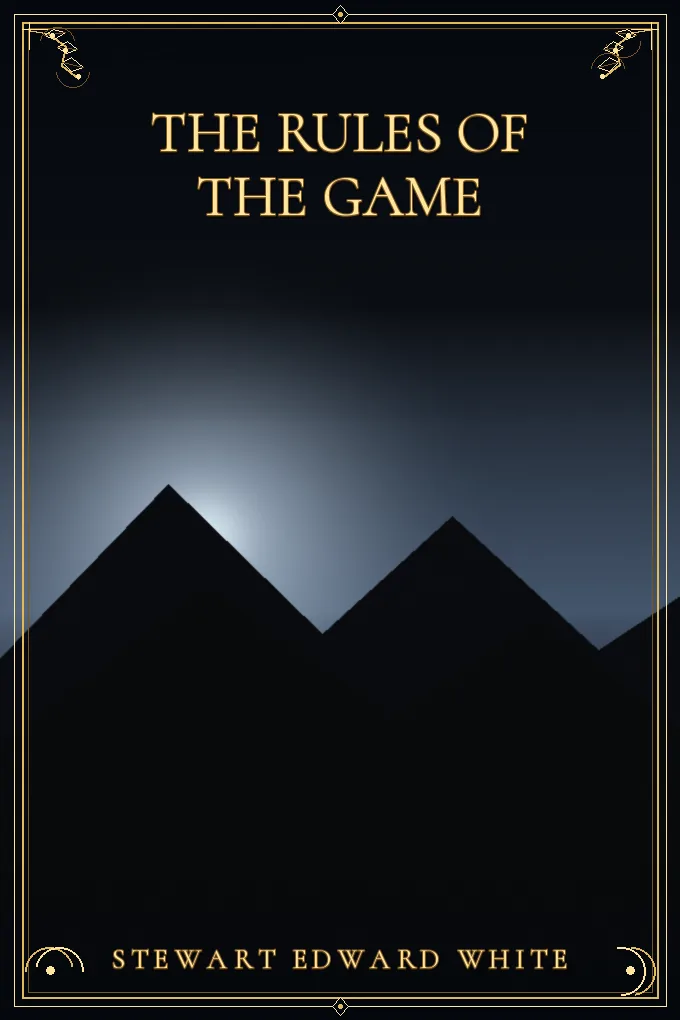
Cover illustration for The Rules of the Game
Context Illustration Reading 1/82 · 5 lines
English subtitles · tap any word to listen 1 / 5
"What good is there in hanging onto a lot of land that would be better developed?" asked Bob.
But California John refused to be drawn into a discussion.
He had his faith, but he would not argue about it.
Sometime or other the people would come to that same faith.
In the meantime there was no sense in tangling up with discussions.
0:00 / 0:00
Speed 0.75x
AI-generated narration by OpenAI · Slow US English
LEARNER DICTIONARY
Archivist
/ˈɑːrkɪvɪst/
Editorial verification pending

A keeper or guardian of historical records and memories.

The Rules of the Game

Chapter XVI · Chapter 16

Chapter 16 of The Rules of the Game is here in full — 410 sentences across 82 reading sections, with audio for every sentence and word.

Reading 1/82 · 5 reading units · Lines 1–5

Line 1
"What good is there in hanging onto a lot of land that would be better developed?" asked Bob.
/wʌt ɡʊd ɪz ðer ɪn ˈhæŋɪŋ ˈɑːntuː ə lɑːt ʌv lænd ðæt wʊd biː ˈbetər dɪˈveləpt æskt bɑːb/
Line 2
But California John refused to be drawn into a discussion.
/bʌt ˌkæləˈfɔːrnjə dʒɑːn rəˈfjuːzd tuː biː drɔːn ˈɪntuː ə dɪˈskʌʃən/
Line 3
He had his faith, but he would not argue about it.
/hiː hæd hɪz feɪθ bʌt hiː wʊd nɑːt ˈɑːrɡjuː əˈbaʊt ɪt/
Line 4
Sometime or other the people would come to that same faith.
/ˈsʌmtaɪm ɔːr ˈʌðər ðə ˈpiːpəl wʊd kʌm tuː ðæt seɪm feɪθ/
Line 5
In the meantime there was no sense in tangling up with discussions.
/ɪn ðə ˈmiːntaɪm ðer wɑːz noʊ sens ɪn ˈtæŋɡlɪŋ ʌp wɪð dɪˈskʌʃənz/

Learner Dictionary

These definitions explain words found in the current reading and keep every example grounded in its original sentence.

Oxford-style entry order: headword, part of speech, US IPA, concise definition, contextual example, and audio.

argue verb US /ˈɑːrɡjuː/

present reasons and arguments

From this reading “He had his faith, but he would not argue about it.”

California noun US /ˌkæləˈfɔːrnjə/

a state in the western United States on the Pacific; the 3rd largest state; known for earthquakes

From this reading “But California John refused to be drawn into a discussion.”

developed adjective US /dɪˈveləpt/

being changed over time so as to be e.g. stronger or more complete or more useful

From this reading “"What good is there in hanging onto a lot of land that would be better developed?" asked Bob.”

discussion noun US /dɪˈskʌʃən/

an extended communication (often interactive) dealing with some particular topic

From this reading “But California John refused to be drawn into a discussion.”

discussions noun US /dɪˈskʌʃənz/

plural of “discussion” — an extended communication (often interactive) dealing with some particular topic

From this reading “In the meantime there was no sense in tangling up with discussions.”

onto preposition US /ˈɑːntuː/

moving to a position on a surface

From this reading “"What good is there in hanging onto a lot of land that would be better developed?" asked Bob.”

Sometime adverb US /ˈsʌmtaɪm/

at some indefinite or unstated time

From this reading “Sometime or other the people would come to that same faith.”

tangling verb US /ˈtæŋɡlɪŋ/

-ing form of “tangle” — force into some kind of situation, condition, or course of action

From this reading “In the meantime there was no sense in tangling up with discussions.”

All words in this reading · 49

Every word in these five lines is listed here, and every one of them can be played on its own.

Dictionary details are shown only when verified; these are not licensed Oxford entries.

adeterminerUS /ə/

used before a singular noun to mean one of a group, when it is not a particular one

From this reading "What good is there in hanging onto a lot of land that would be better developed?" asked Bob.

aboutprepositionUS /əˈbaʊt/

on the subject of; concerning

From this reading He had his faith, but he would not argue about it.

argueverbUS /ˈɑːrɡjuː/

present reasons and arguments

From this reading He had his faith, but he would not argue about it.

askedverbUS /æskt/

past form of “ask” — make a request or demand for something to somebody

From this reading "What good is there in hanging onto a lot of land that would be better developed?" asked Bob.

beauxiliary verbUS /biː/

used with a past participle to form the passive, or with -ing for continuous tenses

From this reading "What good is there in hanging onto a lot of land that would be better developed?" asked Bob.

betteradjectiveUS /ˈbetər/

(comparative of “good”) superior to another (of the same class or set or kind) in excellence or quality or desirability or suitability; more highly skilled than another

From this reading "What good is there in hanging onto a lot of land that would be better developed?" asked Bob.

BobverbUS /bɑːb/

move up and down repeatedly

From this reading "What good is there in hanging onto a lot of land that would be better developed?" asked Bob.

ButconjunctionUS /bʌt/

used to introduce something that contrasts with what came before

From this reading But California John refused to be drawn into a discussion.

CalifornianounUS /ˌkæləˈfɔːrnjə/

a state in the western United States on the Pacific; the 3rd largest state; known for earthquakes

From this reading But California John refused to be drawn into a discussion.

comeverbUS /kʌm/

move toward, travel toward something or somebody or approach something or somebody

From this reading Sometime or other the people would come to that same faith.

developedadjectiveUS /dɪˈveləpt/

being changed over time so as to be e.g. stronger or more complete or more useful

From this reading "What good is there in hanging onto a lot of land that would be better developed?" asked Bob.

discussionnounUS /dɪˈskʌʃən/

an extended communication (often interactive) dealing with some particular topic

From this reading But California John refused to be drawn into a discussion.

discussionsnounUS /dɪˈskʌʃənz/

plural of “discussion” — an extended communication (often interactive) dealing with some particular topic

From this reading In the meantime there was no sense in tangling up with discussions.

drawnadjectiveUS /drɔːn/

showing the wearing effects of overwork or care or suffering

From this reading But California John refused to be drawn into a discussion.

faithnounUS /feɪθ/

a strong belief in a supernatural power or powers that control human destiny

From this reading He had his faith, but he would not argue about it.

goodadjectiveUS /ɡʊd/

having desirable or positive qualities especially those suitable for a thing specified

From this reading "What good is there in hanging onto a lot of land that would be better developed?" asked Bob.

hadauxiliary verbUS /hæd/

the past form of “have”, used to form the past perfect

From this reading He had his faith, but he would not argue about it.

hangingnounUS /ˈhæŋɪŋ/

decoration that is hung (as a tapestry) on a wall or over a window

From this reading "What good is there in hanging onto a lot of land that would be better developed?" asked Bob.

HepronounUS /hiː/

a man, boy, or male animal already mentioned, as the subject

From this reading He had his faith, but he would not argue about it.

hisdeterminerUS /hɪz/

belonging to a man, boy, or male animal already mentioned

From this reading He had his faith, but he would not argue about it.

inprepositionUS /ɪn/

inside something, or within a place, period, or state

From this reading "What good is there in hanging onto a lot of land that would be better developed?" asked Bob.

intoprepositionUS /ˈɪntuː/

moving to the inside of something

From this reading But California John refused to be drawn into a discussion.

isauxiliary verbUS /ɪz/

the form of “be” used with he, she, it, or a singular noun

From this reading "What good is there in hanging onto a lot of land that would be better developed?" asked Bob.

itpronounUS /ɪt/

a thing, animal, or idea already mentioned

From this reading He had his faith, but he would not argue about it.

JohnnounUS /dʒɑːn/

a room or building equipped with one or more toilets

From this reading But California John refused to be drawn into a discussion.

landnounUS /lænd/

the land on which real estate is located

From this reading "What good is there in hanging onto a lot of land that would be better developed?" asked Bob.

lotnounUS /lɑːt/

(often followed by “of”) a large number or amount or extent

From this reading "What good is there in hanging onto a lot of land that would be better developed?" asked Bob.

meantimenounUS /ˈmiːntaɪm/

the time between one event, process, or period and another

From this reading In the meantime there was no sense in tangling up with discussions.

nodeterminerUS /noʊ/

not any; not one

From this reading In the meantime there was no sense in tangling up with discussions.

notadverbUS /nɑːt/

used to make a word, phrase, or sentence negative

From this reading He had his faith, but he would not argue about it.

ofprepositionUS /ʌv/

belonging to, or connected with, somebody or something

From this reading "What good is there in hanging onto a lot of land that would be better developed?" asked Bob.

ontoprepositionUS /ˈɑːntuː/

moving to a position on a surface

From this reading "What good is there in hanging onto a lot of land that would be better developed?" asked Bob.

orconjunctionUS /ɔːr/

used to join alternatives or possibilities

From this reading Sometime or other the people would come to that same faith.

otheradjectiveUS /ˈʌðər/

not the same one or ones already mentioned or implied

From this reading Sometime or other the people would come to that same faith.

peoplenounUS /ˈpiːpəl/

(plural) any group of human beings (men or women or children) collectively

From this reading Sometime or other the people would come to that same faith.

refusedverbUS /rəˈfjuːzd/

past form of “refuse” — show unwillingness towards

From this reading But California John refused to be drawn into a discussion.

sameadjectiveUS /seɪm/

Identical; not different.

From this reading Sometime or other the people would come to that same faith.

sensenounUS /sens/

a general conscious awareness

From this reading In the meantime there was no sense in tangling up with discussions.

SometimeadverbUS /ˈsʌmtaɪm/

at some indefinite or unstated time

From this reading Sometime or other the people would come to that same faith.

tanglingverbUS /ˈtæŋɡlɪŋ/

-ing form of “tangle” — force into some kind of situation, condition, or course of action

From this reading In the meantime there was no sense in tangling up with discussions.

thatconjunctionUS /ðæt/

used to introduce what somebody said, thought, or felt

From this reading "What good is there in hanging onto a lot of land that would be better developed?" asked Bob.

thedeterminerUS /ðə/

used before a noun that is already known, already mentioned, or the only one of its kind

From this reading Sometime or other the people would come to that same faith.

thereadverbUS /ðer/

in or at that place or location

From this reading "What good is there in hanging onto a lot of land that would be better developed?" asked Bob.

toparticleUS /tuː/

used before the base form of a verb to make the infinitive

From this reading But California John refused to be drawn into a discussion.

upadjectiveUS /ʌp/

being or moving higher in position or greater in some value; being above a former position or level

From this reading In the meantime there was no sense in tangling up with discussions.

wasauxiliary verbUS /wɑːz/

the past form of “be” used with I, he, she, it, or a singular noun

From this reading In the meantime there was no sense in tangling up with discussions.

WhatpronounUS /wʌt/

used to ask for information about something

From this reading "What good is there in hanging onto a lot of land that would be better developed?" asked Bob.

withprepositionUS /wɪð/

in the company of; together with

From this reading In the meantime there was no sense in tangling up with discussions.

wouldmodal verbUS /wʊd/

used for something imagined, polite, or habitual in the past

From this reading "What good is there in hanging onto a lot of land that would be better developed?" asked Bob.

Chapter 16 of The Rules of the Game by Stewart Edward White holds 410 sentences, grouped into 82 reading sections of at most 5 sentences. The text is the source edition, unabridged, and the chapter records which sentences cover which part of the work so that nothing is dropped. Every word can be tapped for its pronunciation and dictionary entry.

What does chapter 16 of The Rules of the Game contain?

Chapter 16 holds 410 sentences of The Rules of the Game, unabridged, divided into 82 reading sections.

This page carries chapter 16 of The Rules of the Game by Stewart Edward White exactly as it stands in the source edition, without abridgement. It runs to 410 sentences, grouped into 82 sections of at most 5 sentences so that a reader can take the chapter in steady, finishable pieces. The chapter also stores a coverage record mapping every one of its sentences to a part of the work, which is how the edition demonstrates that no line was dropped.

How do I study chapter 16 of The Rules of the Game?

Work through the 82 sections in order, replaying any sentence and tapping unfamiliar words for their entries.

Each of the 82 sections in this chapter is short enough to read once, hear once, and then re-read with the vocabulary in view. Tapping a word plays it alone and opens its dictionary entry with IPA, part of speech and meaning, so the reader is never forced to guess a pronunciation from spelling. Working section by section keeps a long chapter from becoming an undifferentiated wall of text, which is the usual reason a reader abandons a work of this period.

Can chapter 16 be read aloud to me?

Yes — every sentence and every individual word in chapter 16 can be played aloud in United States English.

Audio covers the whole chapter: any sentence can be played, and any single word within it can be played on its own. The voice uses United States English. For a work of this period that matters, because spelling is an unreliable guide to pronunciation for vocabulary that has fallen out of daily use, and a learner who guesses wrong tends to keep the error. Hearing the word in its own sentence, and then alone, settles it.

Questions about reading The Rules of the Game

Common questions about reading The Rules of the Game by Stewart Edward White on this page, its source edition and its audio.

Is this the complete text of The Rules of the Game?

Yes. All 13784 sentences of Project Gutenberg eBook #13194 are kept, with a record of which sentences cover which part.

Which edition of The Rules of the Game is used?

Project Gutenberg eBook #13194, unabridged. The Project Gutenberg header, footer and licence are removed.

How long does The Rules of the Game take to read?

About 600 minutes of reading across 2757 sections of 5 sentences each, at an unhurried pace.

How to read The Rules of the Game section by section

How to work through The Rules of the Game section by section, using the audio and the tap-to-define vocabulary.

  1. Open a chapter

    Choose one of the 34 chapters of The Rules of the Game to begin.

  2. Read one section

    Each section holds 5 sentences; read it once through.

  3. Listen and tap

    Play the section aloud, then tap any unfamiliar word for its entry.

Vocabulary met early in The Rules of the Game

Words and structures a reader meets early in The Rules of the Game, each tappable for pronunciation and meaning.

Geography
A word that appears in the opening chapter of The Rules of the Game; the reader can tap it to hear it and see its dictionary entry.
Novel
A word that appears in the opening chapter of The Rules of the Game; the reader can tap it to hear it and see its dictionary entry.
Easily
A word that appears in the opening chapter of The Rules of the Game; the reader can tap it to hear it and see its dictionary entry.
Recognized
A word that appears in the opening chapter of The Rules of the Game; the reader can tap it to hear it and see its dictionary entry.