Complete classic literature • Five-line readings • Clear US narration
VELMORA ACADEMY
Academy of Archival Languages & Memory Studies
Menu Close
The Runaway Asteroid

Chapter VIII · Chapter 8

Chapter 8 of The Runaway Asteroid is here in full — 407 sentences across 82 reading sections, with audio for every sentence and word.

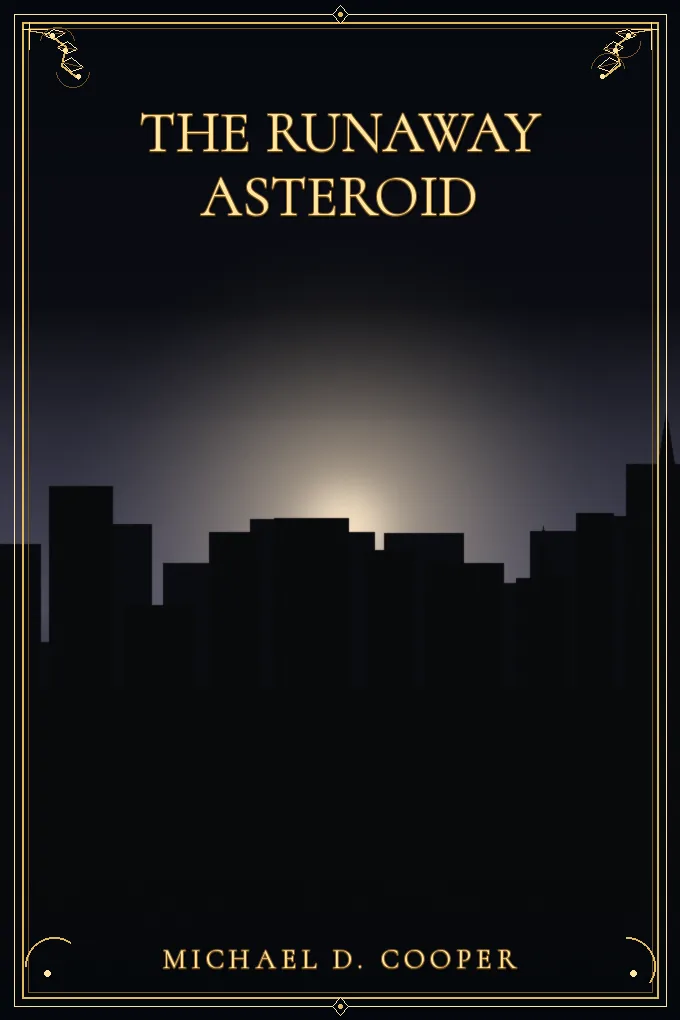
Cover illustration for The Runaway Asteroid
Context Illustration Reading 1/81 · 5 lines
English subtitles · tap any word to listen 1 / 5
No need to worry.
I’m not about to close a door behind me for good until I know I can open it again.”
He took the small iron plate and used it to jam the door open.
From the inside, the door was transparent; from the outside, it looked like the surface of the iron asteroid.
Its hinges were completely hidden.
0:00 / 0:00
Speed 0.75x
AI-generated narration by OpenAI · Slow US English
LEARNER DICTIONARY
Archivist
/ˈɑːrkɪvɪst/
Editorial verification pending

A keeper or guardian of historical records and memories.

The Runaway Asteroid

Chapter VIII · Chapter 8

Chapter 8 of The Runaway Asteroid is here in full — 407 sentences across 82 reading sections, with audio for every sentence and word.

Reading 1/81 · 5 reading units · Lines 1–5

Line 1
No need to worry.
/noʊ niːd tuː ˈwɜːri/
Line 2
I’m not about to close a door behind me for good until I know I can open it again.”
Line 3
He took the small iron plate and used it to jam the door open.
/hiː tʊk ðə smɔːl ˈaɪərn pleɪt ənd juːzd ɪt tuː dʒæm ðə dɔːr ˈoʊ.pən/
Line 4
From the inside, the door was transparent; from the outside, it looked like the surface of the iron asteroid.
/frʌm ðə ˌɪnˈsaɪd ðə dɔːr wɑːz trænˈsperənt frʌm ðə ˈaʊtˈsaɪd ɪt lʊkt laɪk ðə ˈsɜːrfəs ʌv ðə ˈaɪərn ˈæstərɔɪd/
Line 5
Its hinges were completely hidden.
/ɪts ˈhɪndʒɪz wɜːr kəmˈpliːtli ˈhɪdən/

Learner Dictionary

These definitions explain words found in the current reading and keep every example grounded in its original sentence.

Oxford-style entry order: headword, part of speech, US IPA, concise definition, contextual example, and audio.

asteroid noun US /ˈæstərɔɪd/

any of numerous small celestial bodies composed of rock and metal that move around the sun (mainly between the orbits of Mars and Jupiter)

From this reading “From the inside, the door was transparent; from the outside, it looked like the surface of the iron asteroid.”

completely adverb US /kəmˈpliːtli/

to a complete degree or to the full or entire extent (“whole” is often used informally for “wholly”)

From this reading “Its hinges were completely hidden.”

hinges noun US /ˈhɪndʒɪz/

plural of “hinge” — a joint that holds two parts together so that one can swing relative to the other

From this reading “Its hinges were completely hidden.”

jam verb US /dʒæm/

press tightly together or cram

From this reading “He took the small iron plate and used it to jam the door open.”

plate noun US /pleɪt/

(baseball) base consisting of a rubber slab where the batter stands; it must be touched by a base runner in order to score

From this reading “He took the small iron plate and used it to jam the door open.”

surface noun US /ˈsɜːrfəs/

the outer boundary of an artifact or a material layer constituting or resembling such a boundary

From this reading “From the inside, the door was transparent; from the outside, it looked like the surface of the iron asteroid.”

transparent adjective US /trænˈsperənt/

transmitting light; able to be seen through with clarity

From this reading “From the inside, the door was transparent; from the outside, it looked like the surface of the iron asteroid.”

worry verb US /ˈwɜːri/

be worried, concerned, anxious, troubled, or uneasy

From this reading ““No need to worry.”

All words in this reading · 45

Every word in these five lines is listed here, and every one of them can be played on its own.

Dictionary details are shown only when verified; these are not licensed Oxford entries.

adeterminerUS /ə/

used before a singular noun to mean one of a group, when it is not a particular one

From this reading I’m not about to close a door behind me for good until I know I can open it again.”

aboutprepositionUS /əˈbaʊt/

on the subject of; concerning

From this reading I’m not about to close a door behind me for good until I know I can open it again.”

againadverbUS /əˈɡen/

anew

From this reading I’m not about to close a door behind me for good until I know I can open it again.”

andconjunctionUS /ənd/

used to join words or parts of a sentence that go together

From this reading He took the small iron plate and used it to jam the door open.

asteroidnounUS /ˈæstərɔɪd/

any of numerous small celestial bodies composed of rock and metal that move around the sun (mainly between the orbits of Mars and Jupiter)

From this reading From the inside, the door was transparent; from the outside, it looked like the surface of the iron asteroid.

behindprepositionUS /bɪˈhaɪnd/

at or toward the back of something

From this reading I’m not about to close a door behind me for good until I know I can open it again.”

canmodal verbUS /kæn/

to be able to, or to be allowed to

From this reading I’m not about to close a door behind me for good until I know I can open it again.”

closeadjectiveUS /kloʊs/

at or within a short distance in space or time or having elements near each other

From this reading I’m not about to close a door behind me for good until I know I can open it again.”

completelyadverbUS /kəmˈpliːtli/

to a complete degree or to the full or entire extent (“whole” is often used informally for “wholly”)

From this reading Its hinges were completely hidden.

doornounUS /dɔːr/

a swinging or sliding barrier that will close the entrance to a room or building or vehicle

From this reading I’m not about to close a door behind me for good until I know I can open it again.”

forprepositionUS /fɔːr/

intended to be given to, or used by, somebody

From this reading I’m not about to close a door behind me for good until I know I can open it again.”

FromprepositionUS /frʌm/

showing where something starts, or who sent it

From this reading From the inside, the door was transparent; from the outside, it looked like the surface of the iron asteroid.

goodadjectiveUS /ɡʊd/

having desirable or positive qualities especially those suitable for a thing specified

From this reading I’m not about to close a door behind me for good until I know I can open it again.”

HepronounUS /hiː/

a man, boy, or male animal already mentioned, as the subject

From this reading He took the small iron plate and used it to jam the door open.

hiddenadjectiveUS /ˈhɪdən/

not accessible to view

From this reading Its hinges were completely hidden.

hingesnounUS /ˈhɪndʒɪz/

plural of “hinge” — a joint that holds two parts together so that one can swing relative to the other

From this reading Its hinges were completely hidden.

IpronounUS /aɪ/

the person speaking or writing, as the subject of the verb

From this reading I’m not about to close a door behind me for good until I know I can open it again.”

I'm

Dictionary entry pending editorial verification. Tap Listen to hear the word.

From this reading I’m not about to close a door behind me for good until I know I can open it again.”

insideadjectiveUS /ˌɪnˈsaɪd/

relating to or being on the side closer to the center or within a defined space

From this reading From the inside, the door was transparent; from the outside, it looked like the surface of the iron asteroid.

ironnounUS /ˈaɪərn/

a heavy ductile magnetic metallic element; is silver-white in pure form but readily rusts; used in construction and tools and armament; plays a role in the transport of oxygen by the blood

From this reading He took the small iron plate and used it to jam the door open.

itpronounUS /ɪt/

a thing, animal, or idea already mentioned

From this reading I’m not about to close a door behind me for good until I know I can open it again.”

ItsdeterminerUS /ɪts/

belonging to the thing or animal already mentioned

From this reading Its hinges were completely hidden.

jamverbUS /dʒæm/

press tightly together or cram

From this reading He took the small iron plate and used it to jam the door open.

knowverbUS /noʊ/

be cognizant or aware of a fact or a specific piece of information; possess knowledge or information about

From this reading I’m not about to close a door behind me for good until I know I can open it again.”

likeverbUS /laɪk/

prefer or wish to do something

From this reading From the inside, the door was transparent; from the outside, it looked like the surface of the iron asteroid.

lookedverbUS /lʊkt/

past form of “look” — perceive with attention; direct one's gaze towards

From this reading From the inside, the door was transparent; from the outside, it looked like the surface of the iron asteroid.

mepronounUS /miː/

the person speaking, as the object of a verb or preposition

From this reading I’m not about to close a door behind me for good until I know I can open it again.”

neednounUS /niːd/

a condition requiring relief

From this reading “No need to worry.

NodeterminerUS /noʊ/

not any; not one

From this reading “No need to worry.

notadverbUS /nɑːt/

used to make a word, phrase, or sentence negative

From this reading I’m not about to close a door behind me for good until I know I can open it again.”

ofprepositionUS /ʌv/

belonging to, or connected with, somebody or something

From this reading From the inside, the door was transparent; from the outside, it looked like the surface of the iron asteroid.

openverbUS /ˈoʊ.pən/

To move from a closed position.

From this reading I’m not about to close a door behind me for good until I know I can open it again.”

outsideadjectiveUS /ˈaʊtˈsaɪd/

relating to or being on or near the outer side or limit

From this reading From the inside, the door was transparent; from the outside, it looked like the surface of the iron asteroid.

platenounUS /pleɪt/

(baseball) base consisting of a rubber slab where the batter stands; it must be touched by a base runner in order to score

From this reading He took the small iron plate and used it to jam the door open.

smalladjectiveUS /smɔːl/

limited or below average in number or quantity or magnitude or extent

From this reading He took the small iron plate and used it to jam the door open.

surfacenounUS /ˈsɜːrfəs/

the outer boundary of an artifact or a material layer constituting or resembling such a boundary

From this reading From the inside, the door was transparent; from the outside, it looked like the surface of the iron asteroid.

thedeterminerUS /ðə/

used before a noun that is already known, already mentioned, or the only one of its kind

From this reading He took the small iron plate and used it to jam the door open.

toparticleUS /tuː/

used before the base form of a verb to make the infinitive

From this reading “No need to worry.

tookverbUS /tʊk/

inflected form of “take” — carry out

From this reading He took the small iron plate and used it to jam the door open.

transparentadjectiveUS /trænˈsperənt/

transmitting light; able to be seen through with clarity

From this reading From the inside, the door was transparent; from the outside, it looked like the surface of the iron asteroid.

untilprepositionUS /ənˈtɪl/

up to a particular time

From this reading I’m not about to close a door behind me for good until I know I can open it again.”

usedadjectiveUS /juːzd/

employed in accomplishing something

From this reading He took the small iron plate and used it to jam the door open.

wasauxiliary verbUS /wɑːz/

the past form of “be” used with I, he, she, it, or a singular noun

From this reading From the inside, the door was transparent; from the outside, it looked like the surface of the iron asteroid.

wereauxiliary verbUS /wɜːr/

the past form of “be” used with you, we, they, or a plural noun

From this reading Its hinges were completely hidden.

worryverbUS /ˈwɜːri/

be worried, concerned, anxious, troubled, or uneasy

From this reading “No need to worry.

Chapter 8 of The Runaway Asteroid by Michael D. Cooper holds 407 sentences, grouped into 82 reading sections of at most 5 sentences. The text is the source edition, unabridged, and the chapter records which sentences cover which part of the work so that nothing is dropped. Every word can be tapped for its pronunciation and dictionary entry.

What does chapter 8 of The Runaway Asteroid contain?

Chapter 8 holds 407 sentences of The Runaway Asteroid, unabridged, divided into 82 reading sections.

This page carries chapter 8 of The Runaway Asteroid by Michael D. Cooper exactly as it stands in the source edition, without abridgement. It runs to 407 sentences, grouped into 82 sections of at most 5 sentences so that a reader can take the chapter in steady, finishable pieces. The chapter also stores a coverage record mapping every one of its sentences to a part of the work, which is how the edition demonstrates that no line was dropped.

How do I study chapter 8 of The Runaway Asteroid?

Work through the 82 sections in order, replaying any sentence and tapping unfamiliar words for their entries.

Each of the 82 sections in this chapter is short enough to read once, hear once, and then re-read with the vocabulary in view. Tapping a word plays it alone and opens its dictionary entry with IPA, part of speech and meaning, so the reader is never forced to guess a pronunciation from spelling. Working section by section keeps a long chapter from becoming an undifferentiated wall of text, which is the usual reason a reader abandons a work of this period.

Can chapter 8 be read aloud to me?

Yes — every sentence and every individual word in chapter 8 can be played aloud in United States English.

Audio covers the whole chapter: any sentence can be played, and any single word within it can be played on its own. The voice uses United States English. For a work of this period that matters, because spelling is an unreliable guide to pronunciation for vocabulary that has fallen out of daily use, and a learner who guesses wrong tends to keep the error. Hearing the word in its own sentence, and then alone, settles it.

Questions about reading The Runaway Asteroid

Common questions about reading The Runaway Asteroid by Michael D. Cooper on this page, its source edition and its audio.

Is this the complete text of The Runaway Asteroid?

Yes. All 4799 sentences of Project Gutenberg eBook #11583 are kept, with a record of which sentences cover which part.

Which edition of The Runaway Asteroid is used?

Project Gutenberg eBook #11583, unabridged. The Project Gutenberg header, footer and licence are removed.

How long does The Runaway Asteroid take to read?

About 399 minutes of reading across 960 sections of 5 sentences each, at an unhurried pace.

How to read The Runaway Asteroid section by section

How to work through The Runaway Asteroid section by section, using the audio and the tap-to-define vocabulary.

  1. Open a chapter

    Choose one of the 12 chapters of The Runaway Asteroid to begin.

  2. Read one section

    Each section holds 5 sentences; read it once through.

  3. Listen and tap

    Play the section aloud, then tap any unfamiliar word for its entry.

Vocabulary met early in The Runaway Asteroid

Words and structures a reader meets early in The Runaway Asteroid, each tappable for pronunciation and meaning.

Seventh
A word that appears in the opening chapter of The Runaway Asteroid; the reader can tap it to hear it and see its dictionary entry.
Starlight
A word that appears in the opening chapter of The Runaway Asteroid; the reader can tap it to hear it and see its dictionary entry.
Maneuver
A word that appears in the opening chapter of The Runaway Asteroid; the reader can tap it to hear it and see its dictionary entry.
Other
A word that appears in the opening chapter of The Runaway Asteroid; the reader can tap it to hear it and see its dictionary entry.