Complete classic literature • Five-line readings • Clear US narration
VELMORA ACADEMY
Academy of Archival Languages & Memory Studies
Menu Close
The Saracen: Land of the Infidel

Chapter XIII · Chapter 13

Chapter 13 of The Saracen: Land of the Infidel is here in full — 398 sentences across 80 reading sections, with audio for every sentence and word.

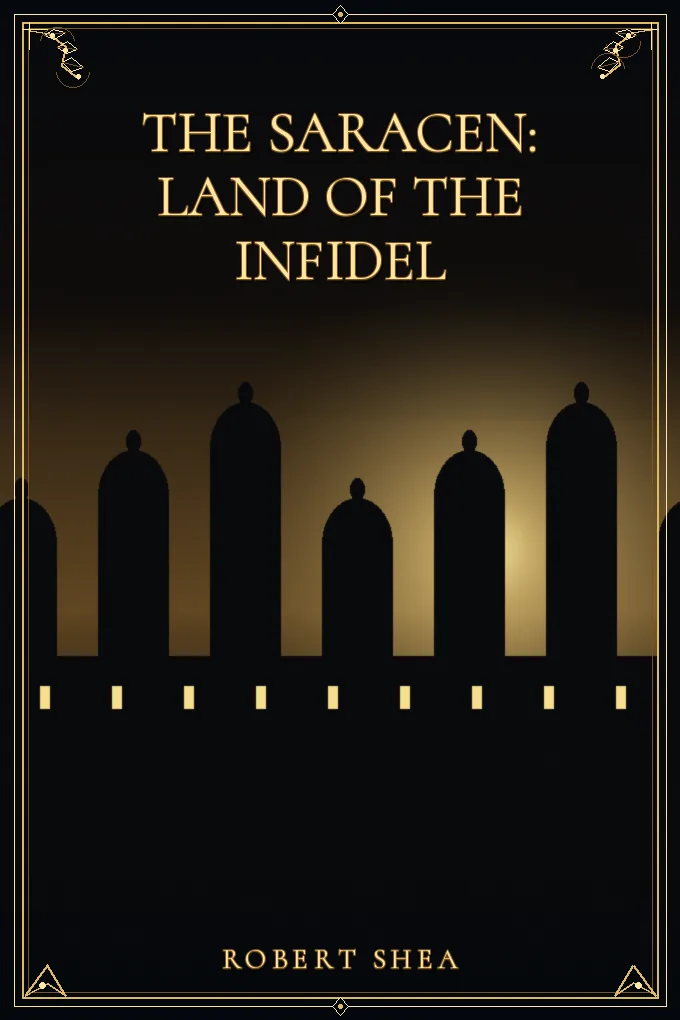
Cover illustration for The Saracen: Land of the Infidel
Context Illustration Reading 1/79 · 5 lines
English subtitles · tap any word to listen 1 / 5
But doubt cooled Simon's anger.
He did not want to admit it, but Cosmas's and David's tales had frightened him.
He thought of the hard, cold faces of John and Philip.
He _could_ see them beheading women, shooting children with arrows.
_Do we want to ally ourselves with such creatures?_ King Louis did.
0:00 / 0:00
Speed 0.75x
AI-generated narration by OpenAI · Slow US English
LEARNER DICTIONARY
Archivist
/ˈɑːrkɪvɪst/
Editorial verification pending

A keeper or guardian of historical records and memories.

The Saracen: Land of the Infidel

Chapter XIII · Chapter 13

Chapter 13 of The Saracen: Land of the Infidel is here in full — 398 sentences across 80 reading sections, with audio for every sentence and word.

Reading 1/79 · 5 reading units · Lines 1–5

Line 1
But doubt cooled Simon's anger.
/bʌt daʊt kuːld ˈsaɪmənz ˈæŋɡər/
Line 2
He did not want to admit it, but Cosmas's and David's tales had frightened him.
Line 3
He thought of the hard, cold faces of John and Philip.
/hiː θɔːt ʌv ðə hɑːrd koʊld ˈfeɪsəz ʌv dʒɑːn ənd ˈfɪləp/
Line 4
He _could_ see them beheading women, shooting children with arrows.
/hiː kʊd siː ðem bɪˈhedɪŋ ˈwɪmən ˈʃuːtɪŋ ˈtʃɪldrən wɪð ˈæroʊz/
Line 5
_Do we want to ally ourselves with such creatures?_ King Louis did.
/duː wiː wɑːnt tuː ˈælaɪ aʊərˈselvz wɪð sʌtʃ ˈkriːtʃərz kɪŋ ˈluːɪs dɪd/

Learner Dictionary

These definitions explain words found in the current reading and keep every example grounded in its original sentence.

Oxford-style entry order: headword, part of speech, US IPA, concise definition, contextual example, and audio.

ally noun US /ˈælaɪ/

a friendly nation

From this reading “_Do we want to ally ourselves with such creatures?_ King Louis did.”

arrows noun US /ˈæroʊz/

plural of “arrow” — a mark to indicate a direction or relation

From this reading “He _could_ see them beheading women, shooting children with arrows.”

beheading noun US /bɪˈhedɪŋ/

execution by cutting off the victim's head

From this reading “He _could_ see them beheading women, shooting children with arrows.”

cooled verb US /kuːld/

past form of “cool” — make cool or cooler

From this reading “But doubt cooled Simon's anger.”

David's noun US /ˈdeɪvɪdz/

possessive form of “david” — patron saint of Wales (circa 520-600)

From this reading “He did not want to admit it, but Cosmas's and David's tales had frightened him.”

shooting noun US /ˈʃuːtɪŋ/

the act of firing a projectile

From this reading “He _could_ see them beheading women, shooting children with arrows.”

Simon's noun US /ˈsaɪmənz/

possessive form of “simon” — one of the twelve Apostles (first century)

From this reading “But doubt cooled Simon's anger.”

tales noun US /teɪlz/

plural of “tale” — a message that tells the particulars of an act or occurrence or course of events; presented in writing or drama or cinema or as a radio or television program

From this reading “He did not want to admit it, but Cosmas's and David's tales had frightened him.”

All words in this reading · 44

Every word in these five lines is listed here, and every one of them can be played on its own.

Dictionary details are shown only when verified; these are not licensed Oxford entries.

admitverbUS /ədˈmɪt/

declare to be true or admit the existence or reality or truth of

From this reading He did not want to admit it, but Cosmas's and David's tales had frightened him.

allynounUS /ˈælaɪ/

a friendly nation

From this reading _Do we want to ally ourselves with such creatures?_ King Louis did.

andconjunctionUS /ənd/

used to join words or parts of a sentence that go together

From this reading He did not want to admit it, but Cosmas's and David's tales had frightened him.

angernounUS /ˈæŋɡər/

a strong emotion; a feeling that is oriented toward some real or supposed grievance

From this reading But doubt cooled Simon's anger.

arrowsnounUS /ˈæroʊz/

plural of “arrow” — a mark to indicate a direction or relation

From this reading He _could_ see them beheading women, shooting children with arrows.

beheadingnounUS /bɪˈhedɪŋ/

execution by cutting off the victim's head

From this reading He _could_ see them beheading women, shooting children with arrows.

ButconjunctionUS /bʌt/

used to introduce something that contrasts with what came before

From this reading But doubt cooled Simon's anger.

childrennounUS /ˈtʃɪldrən/

plural of “child” — a young person of either sex

From this reading He _could_ see them beheading women, shooting children with arrows.

coldadjectiveUS /koʊld/

having a low or inadequate temperature or feeling a sensation of coldness or having been made cold by e.g. ice or refrigeration

From this reading He thought of the hard, cold faces of John and Philip.

cooledverbUS /kuːld/

past form of “cool” — make cool or cooler

From this reading But doubt cooled Simon's anger.

Cosmas's

Dictionary entry pending editorial verification. Tap Listen to hear the word.

From this reading He did not want to admit it, but Cosmas's and David's tales had frightened him.

couldmodal verbUS /kʊd/

the past of “can”; used for possibility or polite requests

From this reading He _could_ see them beheading women, shooting children with arrows.

creaturesnounUS /ˈkriːtʃərz/

plural of “creature” — a living organism characterized by voluntary movement

From this reading _Do we want to ally ourselves with such creatures?_ King Louis did.

David'snounUS /ˈdeɪvɪdz/

possessive form of “david” — patron saint of Wales (circa 520-600)

From this reading He did not want to admit it, but Cosmas's and David's tales had frightened him.

didauxiliary verbUS /dɪd/

the past form of “do”, used in questions and negatives

From this reading He did not want to admit it, but Cosmas's and David's tales had frightened him.

Doauxiliary verbUS /duː/

used to form questions and negatives, and to give emphasis

From this reading _Do we want to ally ourselves with such creatures?_ King Louis did.

doubtnounUS /daʊt/

the state of being unsure of something

From this reading But doubt cooled Simon's anger.

facesnounUS /ˈfeɪsəz/

plural of “face” — the front of the human head from the forehead to the chin and ear to ear

From this reading He thought of the hard, cold faces of John and Philip.

frightenedadjectiveUS /ˈfraɪtənd/

made afraid

From this reading He did not want to admit it, but Cosmas's and David's tales had frightened him.

hadauxiliary verbUS /hæd/

the past form of “have”, used to form the past perfect

From this reading He did not want to admit it, but Cosmas's and David's tales had frightened him.

hardadjectiveUS /hɑːrd/

not easy; requiring great physical or mental effort to accomplish or comprehend or endure

From this reading He thought of the hard, cold faces of John and Philip.

HepronounUS /hiː/

a man, boy, or male animal already mentioned, as the subject

From this reading He did not want to admit it, but Cosmas's and David's tales had frightened him.

himpronounUS /hɪm/

the male already mentioned, as the object of a verb or preposition

From this reading He did not want to admit it, but Cosmas's and David's tales had frightened him.

itpronounUS /ɪt/

a thing, animal, or idea already mentioned

From this reading He did not want to admit it, but Cosmas's and David's tales had frightened him.

JohnnounUS /dʒɑːn/

a room or building equipped with one or more toilets

From this reading He thought of the hard, cold faces of John and Philip.

KingnounUS /kɪŋ/

a male sovereign; ruler of a kingdom

From this reading _Do we want to ally ourselves with such creatures?_ King Louis did.

LouisnounUS /ˈluːɪs/

United States prizefighter who was world heavyweight champion for 12 years (1914-1981)

From this reading _Do we want to ally ourselves with such creatures?_ King Louis did.

notadverbUS /nɑːt/

used to make a word, phrase, or sentence negative

From this reading He did not want to admit it, but Cosmas's and David's tales had frightened him.

ofprepositionUS /ʌv/

belonging to, or connected with, somebody or something

From this reading He thought of the hard, cold faces of John and Philip.

ourselvespronounUS /aʊərˈselvz/

used when we are both doing the action and receiving it

From this reading _Do we want to ally ourselves with such creatures?_ King Louis did.

PhilipnounUS /ˈfɪləp/

Englishman and husband of Elizabeth II (born 1921)

From this reading He thought of the hard, cold faces of John and Philip.

seeverbUS /siː/

perceive by sight or have the power to perceive by sight

From this reading He _could_ see them beheading women, shooting children with arrows.

shootingnounUS /ˈʃuːtɪŋ/

the act of firing a projectile

From this reading He _could_ see them beheading women, shooting children with arrows.

Simon'snounUS /ˈsaɪmənz/

possessive form of “simon” — one of the twelve Apostles (first century)

From this reading But doubt cooled Simon's anger.

suchdeterminerUS /sʌtʃ/

of the kind already mentioned

From this reading _Do we want to ally ourselves with such creatures?_ King Louis did.

talesnounUS /teɪlz/

plural of “tale” — a message that tells the particulars of an act or occurrence or course of events; presented in writing or drama or cinema or as a radio or television program

From this reading He did not want to admit it, but Cosmas's and David's tales had frightened him.

thedeterminerUS /ðə/

used before a noun that is already known, already mentioned, or the only one of its kind

From this reading He thought of the hard, cold faces of John and Philip.

thempronounUS /ðem/

the people or things already mentioned, as the object

From this reading He _could_ see them beheading women, shooting children with arrows.

thoughtnounUS /θɔːt/

the content of cognition; the main thing you are thinking about

From this reading He thought of the hard, cold faces of John and Philip.

toparticleUS /tuː/

used before the base form of a verb to make the infinitive

From this reading He did not want to admit it, but Cosmas's and David's tales had frightened him.

wantverbUS /wɑːnt/

feel or have a desire for; want strongly

From this reading He did not want to admit it, but Cosmas's and David's tales had frightened him.

wepronounUS /wiː/

the speaker together with one or more other people

From this reading _Do we want to ally ourselves with such creatures?_ King Louis did.

withprepositionUS /wɪð/

in the company of; together with

From this reading He _could_ see them beheading women, shooting children with arrows.

womennounUS /ˈwɪmən/

plural of “woman” — an adult female person (as opposed to a man)

From this reading He _could_ see them beheading women, shooting children with arrows.

Chapter 13 of The Saracen: Land of the Infidel by Robert Shea holds 398 sentences, grouped into 80 reading sections of at most 5 sentences. The text is the source edition, unabridged, and the chapter records which sentences cover which part of the work so that nothing is dropped. Every word can be tapped for its pronunciation and dictionary entry.

What does chapter 13 of The Saracen: Land of the Infidel contain?

Chapter 13 holds 398 sentences of The Saracen: Land of the Infidel, unabridged, divided into 80 reading sections.

This page carries chapter 13 of The Saracen: Land of the Infidel by Robert Shea exactly as it stands in the source edition, without abridgement. It runs to 398 sentences, grouped into 80 sections of at most 5 sentences so that a reader can take the chapter in steady, finishable pieces. The chapter also stores a coverage record mapping every one of its sentences to a part of the work, which is how the edition demonstrates that no line was dropped.

How do I study chapter 13 of The Saracen: Land of the Infidel?

Work through the 80 sections in order, replaying any sentence and tapping unfamiliar words for their entries.

Each of the 80 sections in this chapter is short enough to read once, hear once, and then re-read with the vocabulary in view. Tapping a word plays it alone and opens its dictionary entry with IPA, part of speech and meaning, so the reader is never forced to guess a pronunciation from spelling. Working section by section keeps a long chapter from becoming an undifferentiated wall of text, which is the usual reason a reader abandons a work of this period.

Can chapter 13 be read aloud to me?

Yes — every sentence and every individual word in chapter 13 can be played aloud in United States English.

Audio covers the whole chapter: any sentence can be played, and any single word within it can be played on its own. The voice uses United States English. For a work of this period that matters, because spelling is an unreliable guide to pronunciation for vocabulary that has fallen out of daily use, and a learner who guesses wrong tends to keep the error. Hearing the word in its own sentence, and then alone, settles it.

Questions about reading The Saracen: Land of the Infidel

Common questions about reading The Saracen: Land of the Infidel by Robert Shea on this page, its source edition and its audio.

Is this the complete text of The Saracen: Land of the Infidel?

Yes. All 14140 sentences of Project Gutenberg eBook #28515 are kept, with a record of which sentences cover which part.

Which edition of The Saracen: Land of the Infidel is used?

Project Gutenberg eBook #28515, unabridged. The Project Gutenberg header, footer and licence are removed.

How long does The Saracen: Land of the Infidel take to read?

About 600 minutes of reading across 2828 sections of 5 sentences each, at an unhurried pace.

How to read The Saracen: Land of the Infidel section by section

How to work through The Saracen: Land of the Infidel section by section, using the audio and the tap-to-define vocabulary.

  1. Open a chapter

    Choose one of the 35 chapters of The Saracen: Land of the Infidel to begin.

  2. Read one section

    Each section holds 5 sentences; read it once through.

  3. Listen and tap

    Play the section aloud, then tap any unfamiliar word for its entry.

Vocabulary met early in The Saracen: Land of the Infidel

Words and structures a reader meets early in The Saracen: Land of the Infidel, each tappable for pronunciation and meaning.

Daoud
A word that appears in the opening chapter of The Saracen: Land of the Infidel; the reader can tap it to hear it and see its dictionary entry.
Abdallah
A word that appears in the opening chapter of The Saracen: Land of the Infidel; the reader can tap it to hear it and see its dictionary entry.
Warrior
A word that appears in the opening chapter of The Saracen: Land of the Infidel; the reader can tap it to hear it and see its dictionary entry.
Afraid
A word that appears in the opening chapter of The Saracen: Land of the Infidel; the reader can tap it to hear it and see its dictionary entry.