Complete classic literature • Five-line readings • Clear US narration
VELMORA ACADEMY
Academy of Archival Languages & Memory Studies
Menu Close
The Saracen: The Holy War

Chapter XXIX · Chapter 29

Chapter 29 of The Saracen: The Holy War is here in full — 405 sentences across 81 reading sections, with audio for every sentence and word.

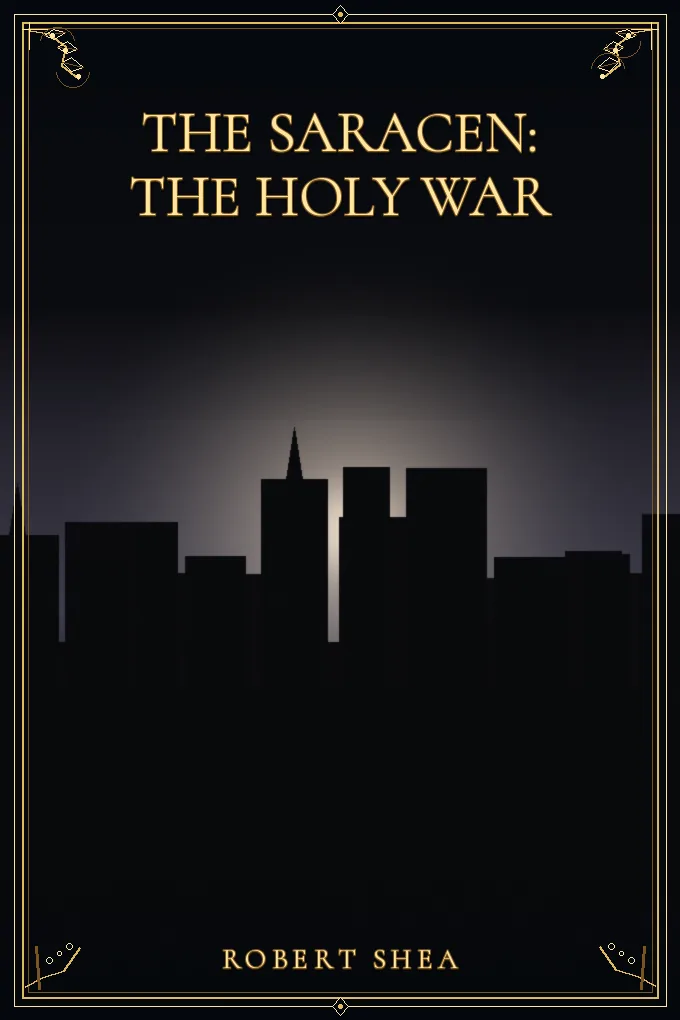
Cover illustration for The Saracen: The Holy War
Context Illustration Reading 1/81 · 5 lines
English subtitles · tap any word to listen 1 / 5
"I am sorry to lose Sordello," said Charles.
"A despicable man, but often useful."
The rocks covered Manfred's body completely now.
Only the edges of the yellow banner were still showing.
Those who had placed their stones stood around in groups to watch the cairn grow.
0:00 / 0:00
Speed 0.75x
AI-generated narration by OpenAI · Slow US English
LEARNER DICTIONARY
Archivist
/ˈɑːrkɪvɪst/
Editorial verification pending

A keeper or guardian of historical records and memories.

The Saracen: The Holy War

Chapter XXIX · Chapter 29

Chapter 29 of The Saracen: The Holy War is here in full — 405 sentences across 81 reading sections, with audio for every sentence and word.

Reading 1/81 · 5 reading units · Lines 1–5

Line 1
"I am sorry to lose Sordello," said Charles.
Line 2
"A despicable man, but often useful."
/ə dɪˈspɪkəbəl mæn bʌt ˈɔːfən ˈjuːsfəl/
Line 3
The rocks covered Manfred's body completely now.
Line 4
Only the edges of the yellow banner were still showing.
/ˈoʊnli ðə ˈedʒəz ʌv ðə ˈjeloʊ ˈbænər wɜːr stɪl ˈʃoʊɪŋ/
Line 5
Those who had placed their stones stood around in groups to watch the cairn grow.
/ðoʊz huː hæd pleɪst ðer stoʊnz stʊd ərˈaʊnd ɪn ɡruːps tuː wɑːtʃ ðə kern ɡroʊ/

Learner Dictionary

These definitions explain words found in the current reading and keep every example grounded in its original sentence.

Oxford-style entry order: headword, part of speech, US IPA, concise definition, contextual example, and audio.

banner noun US /ˈbænər/

long strip of cloth or paper used for decoration or advertising

From this reading “Only the edges of the yellow banner were still showing.”

cairn noun US /kern/

a mound of stones piled up as a memorial or to mark a boundary or path

From this reading “Those who had placed their stones stood around in groups to watch the cairn grow.”

despicable adjective US /dɪˈspɪkəbəl/

morally reprehensible

From this reading “"A despicable man, but often useful."”

edges noun US /ˈedʒəz/

plural of “edge” — the boundary of a surface

From this reading “Only the edges of the yellow banner were still showing.”

groups noun US /ɡruːps/

plural of “group” — any number of entities (members) considered as a unit

From this reading “Those who had placed their stones stood around in groups to watch the cairn grow.”

showing noun US /ˈʃoʊɪŋ/

the display of a motion picture

From this reading “Only the edges of the yellow banner were still showing.”

stones noun US /stoʊnz/

plural of “stone” — a lump or mass of hard consolidated mineral matter

From this reading “Those who had placed their stones stood around in groups to watch the cairn grow.”

useful adjective US /ˈjuːsfəl/

being of use or service

From this reading “"A despicable man, but often useful."”

All words in this reading · 42

Every word in these five lines is listed here, and every one of them can be played on its own.

Dictionary details are shown only when verified; these are not licensed Oxford entries.

AdeterminerUS /ə/

used before a singular noun to mean one of a group, when it is not a particular one

From this reading "A despicable man, but often useful."

amauxiliary verbUS /æm/

the form of “be” used with “I”

From this reading "I am sorry to lose Sordello," said Charles.

aroundprepositionUS /ərˈaʊnd/

surrounding, or on every side of, something

From this reading Those who had placed their stones stood around in groups to watch the cairn grow.

bannernounUS /ˈbænər/

long strip of cloth or paper used for decoration or advertising

From this reading Only the edges of the yellow banner were still showing.

bodynounUS /ˈbɑːdi/

the entire physical structure of an organism (an animal, plant, or human being)

From this reading The rocks covered Manfred's body completely now.

butconjunctionUS /bʌt/

used to introduce something that contrasts with what came before

From this reading "A despicable man, but often useful."

cairnnounUS /kern/

a mound of stones piled up as a memorial or to mark a boundary or path

From this reading Those who had placed their stones stood around in groups to watch the cairn grow.

CharlesnounUS /tʃɑːrlz/

King of France from 1560 to 1574 whose reign was dominated by his mother Catherine de Medicis (1550-1574)

From this reading "I am sorry to lose Sordello," said Charles.

completelyadverbUS /kəmˈpliːtli/

to a complete degree or to the full or entire extent (“whole” is often used informally for “wholly”)

From this reading The rocks covered Manfred's body completely now.

coveredadjectiveUS /ˈkʌvərd/

overlaid or spread or topped with or enclosed within something; sometimes used as a combining form

From this reading The rocks covered Manfred's body completely now.

despicableadjectiveUS /dɪˈspɪkəbəl/

morally reprehensible

From this reading "A despicable man, but often useful."

edgesnounUS /ˈedʒəz/

plural of “edge” — the boundary of a surface

From this reading Only the edges of the yellow banner were still showing.

groupsnounUS /ɡruːps/

plural of “group” — any number of entities (members) considered as a unit

From this reading Those who had placed their stones stood around in groups to watch the cairn grow.

growverbUS /ɡroʊ/

pass into a condition gradually, take on a specific property or attribute; become

From this reading Those who had placed their stones stood around in groups to watch the cairn grow.

hadauxiliary verbUS /hæd/

the past form of “have”, used to form the past perfect

From this reading Those who had placed their stones stood around in groups to watch the cairn grow.

IpronounUS /aɪ/

the person speaking or writing, as the subject of the verb

From this reading "I am sorry to lose Sordello," said Charles.

inprepositionUS /ɪn/

inside something, or within a place, period, or state

From this reading Those who had placed their stones stood around in groups to watch the cairn grow.

loseverbUS /luːz/

fail to keep or to maintain; cease to have, either physically or in an abstract sense

From this reading "I am sorry to lose Sordello," said Charles.

mannounUS /mæn/

an adult person who is male (as opposed to a woman)

From this reading "A despicable man, but often useful."

Manfred's

Dictionary entry pending editorial verification. Tap Listen to hear the word.

From this reading The rocks covered Manfred's body completely now.

nowadverbUS /naʊ/

in the historical present; at this point in the narration of a series of past events

From this reading The rocks covered Manfred's body completely now.

ofprepositionUS /ʌv/

belonging to, or connected with, somebody or something

From this reading Only the edges of the yellow banner were still showing.

oftenadverbUS /ˈɔːfən/

many times at short intervals

From this reading "A despicable man, but often useful."

OnlyadverbUS /ˈoʊnli/

and nothing more

From this reading Only the edges of the yellow banner were still showing.

placedadjectiveUS /pleɪst/

situated in a particular spot or position

From this reading Those who had placed their stones stood around in groups to watch the cairn grow.

rocksnounUS /rɑːks/

plural of “rock” — a lump or mass of hard consolidated mineral matter

From this reading The rocks covered Manfred's body completely now.

saidadjectiveUS /sed/

being the one previously mentioned or spoken of

From this reading "I am sorry to lose Sordello," said Charles.

showingnounUS /ˈʃoʊɪŋ/

the display of a motion picture

From this reading Only the edges of the yellow banner were still showing.

Sordello

Dictionary entry pending editorial verification. Tap Listen to hear the word.

From this reading "I am sorry to lose Sordello," said Charles.

sorryadjectiveUS /ˈsɑːri/

feeling or expressing regret or sorrow or a sense of loss over something done or undone

From this reading "I am sorry to lose Sordello," said Charles.

stilladjectiveUS /stɪl/

not in physical motion

From this reading Only the edges of the yellow banner were still showing.

stonesnounUS /stoʊnz/

plural of “stone” — a lump or mass of hard consolidated mineral matter

From this reading Those who had placed their stones stood around in groups to watch the cairn grow.

stoodverbUS /stʊd/

Maintained an upright posture.

From this reading Those who had placed their stones stood around in groups to watch the cairn grow.

ThedeterminerUS /ðə/

used before a noun that is already known, already mentioned, or the only one of its kind

From this reading The rocks covered Manfred's body completely now.

theirdeterminerUS /ðer/

belonging to the people or things already mentioned

From this reading Those who had placed their stones stood around in groups to watch the cairn grow.

ThosedeterminerUS /ðoʊz/

the plural of “that”: the people or things further away, or already known

From this reading Those who had placed their stones stood around in groups to watch the cairn grow.

toparticleUS /tuː/

used before the base form of a verb to make the infinitive

From this reading "I am sorry to lose Sordello," said Charles.

usefuladjectiveUS /ˈjuːsfəl/

being of use or service

From this reading "A despicable man, but often useful."

watchverbUS /wɑːtʃ/

look attentively

From this reading Those who had placed their stones stood around in groups to watch the cairn grow.

wereauxiliary verbUS /wɜːr/

the past form of “be” used with you, we, they, or a plural noun

From this reading Only the edges of the yellow banner were still showing.

whopronounUS /huː/

which person or people

From this reading Those who had placed their stones stood around in groups to watch the cairn grow.

yellowadjectiveUS /ˈjeloʊ/

of the color intermediate between green and orange in the color spectrum; of something resembling the color of an egg yolk

From this reading Only the edges of the yellow banner were still showing.

Chapter 29 of The Saracen: The Holy War by Robert Shea holds 405 sentences, grouped into 81 reading sections of at most 5 sentences. The text is the source edition, unabridged, and the chapter records which sentences cover which part of the work so that nothing is dropped. Every word can be tapped for its pronunciation and dictionary entry.

What does chapter 29 of The Saracen: The Holy War contain?

Chapter 29 holds 405 sentences of The Saracen: The Holy War, unabridged, divided into 81 reading sections.

This page carries chapter 29 of The Saracen: The Holy War by Robert Shea exactly as it stands in the source edition, without abridgement. It runs to 405 sentences, grouped into 81 sections of at most 5 sentences so that a reader can take the chapter in steady, finishable pieces. The chapter also stores a coverage record mapping every one of its sentences to a part of the work, which is how the edition demonstrates that no line was dropped.

How do I study chapter 29 of The Saracen: The Holy War?

Work through the 81 sections in order, replaying any sentence and tapping unfamiliar words for their entries.

Each of the 81 sections in this chapter is short enough to read once, hear once, and then re-read with the vocabulary in view. Tapping a word plays it alone and opens its dictionary entry with IPA, part of speech and meaning, so the reader is never forced to guess a pronunciation from spelling. Working section by section keeps a long chapter from becoming an undifferentiated wall of text, which is the usual reason a reader abandons a work of this period.

Can chapter 29 be read aloud to me?

Yes — every sentence and every individual word in chapter 29 can be played aloud in United States English.

Audio covers the whole chapter: any sentence can be played, and any single word within it can be played on its own. The voice uses United States English. For a work of this period that matters, because spelling is an unreliable guide to pronunciation for vocabulary that has fallen out of daily use, and a learner who guesses wrong tends to keep the error. Hearing the word in its own sentence, and then alone, settles it.

Questions about reading The Saracen: The Holy War

Common questions about reading The Saracen: The Holy War by Robert Shea on this page, its source edition and its audio.

Is this the complete text of The Saracen: The Holy War?

Yes. All 11789 sentences of Project Gutenberg eBook #28516 are kept, with a record of which sentences cover which part.

Which edition of The Saracen: The Holy War is used?

Project Gutenberg eBook #28516, unabridged. The Project Gutenberg header, footer and licence are removed.

How long does The Saracen: The Holy War take to read?

About 600 minutes of reading across 2358 sections of 5 sentences each, at an unhurried pace.

How to read The Saracen: The Holy War section by section

How to work through The Saracen: The Holy War section by section, using the audio and the tap-to-define vocabulary.

  1. Open a chapter

    Choose one of the 29 chapters of The Saracen: The Holy War to begin.

  2. Read one section

    Each section holds 5 sentences; read it once through.

  3. Listen and tap

    Play the section aloud, then tap any unfamiliar word for its entry.

Vocabulary met early in The Saracen: The Holy War

Words and structures a reader meets early in The Saracen: The Holy War, each tappable for pronunciation and meaning.

Daoud
A word that appears in the opening chapter of The Saracen: The Holy War; the reader can tap it to hear it and see its dictionary entry.
Slung
A word that appears in the opening chapter of The Saracen: The Holy War; the reader can tap it to hear it and see its dictionary entry.
Across
A word that appears in the opening chapter of The Saracen: The Holy War; the reader can tap it to hear it and see its dictionary entry.
Curving
A word that appears in the opening chapter of The Saracen: The Holy War; the reader can tap it to hear it and see its dictionary entry.