Complete classic literature • Five-line readings • Clear US narration
VELMORA ACADEMY
Academy of Archival Languages & Memory Studies
Menu Close
The Second Latchkey
The Second Latchkey

Chapter XIV · Chapter 14

Chapter 14 of The Second Latchkey is here in full — 226 sentences across 46 reading sections, with audio for every sentence and word.

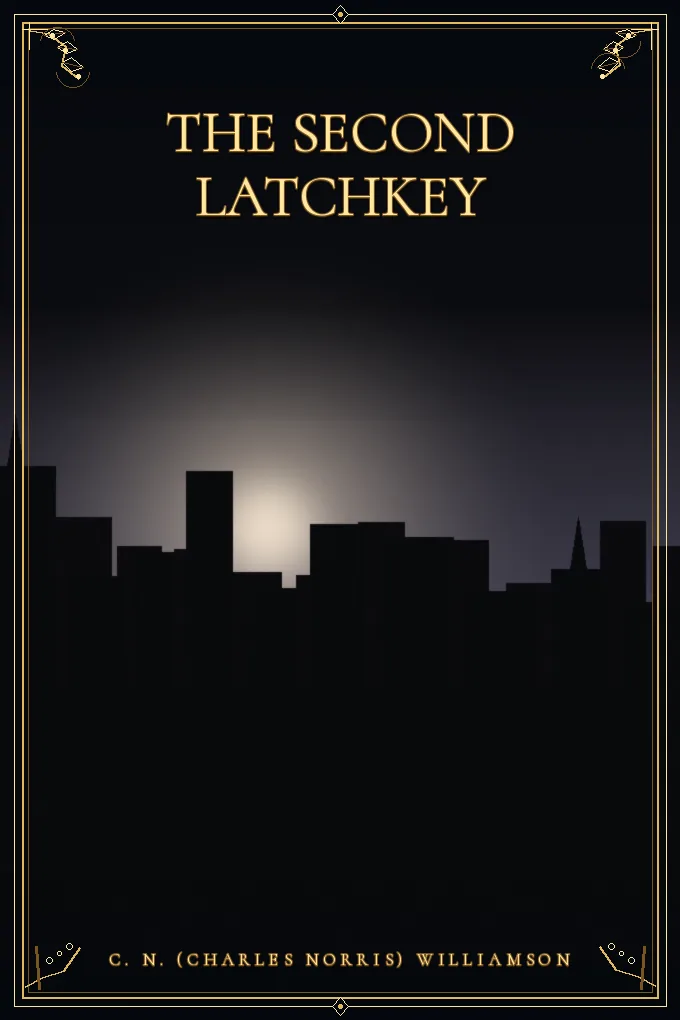
Cover illustration for The Second Latchkey
Context Illustration Reading 1/45 · 5 lines
English subtitles · tap any word to listen 1 / 5
NELSON SMITH AT HOME The Countess de Santiago took her defeat like a soldier.
But her line both of attack and defence was of the sapping-and-mining order.
Once she had cared as deeply as it was in her to care for the man known to London as "Nelson Smith."
He was of the type which calls forth intense feeling in others.
Men liked him immensely or disliked him extremely.
0:00 / 0:00
Speed 0.75x
AI-generated narration by OpenAI · Slow US English
LEARNER DICTIONARY
Archivist
/ˈɑːrkɪvɪst/
Editorial verification pending

A keeper or guardian of historical records and memories.

The Second Latchkey

Chapter XIV · Chapter 14

Chapter 14 of The Second Latchkey is here in full — 226 sentences across 46 reading sections, with audio for every sentence and word.

Reading 1/45 · 5 reading units · Lines 1–5

Line 1
NELSON SMITH AT HOME The Countess de Santiago took her defeat like a soldier.
/ˈnelsən smɪθ æt hoʊm ðə ˈkaʊntəs diː ˌsæntiˈɑːɡoʊ tʊk hɜːr dɪˈfiːt laɪk ə ˈsoʊldʒər/
Line 2
But her line both of attack and defence was of the sapping-and-mining order.
Line 3
Once she had cared as deeply as it was in her to care for the man known to London as "Nelson Smith."
/wʌns ʃiː hæd kerd æz ˈdiːpli æz ɪt wɑːz ɪn hɜːr tuː ker fɔːr ðə mæn noʊn tuː ˈlʌndən æz ˈnelsən smɪθ/
Line 4
He was of the type which calls forth intense feeling in others.
Line 5
Men liked him immensely or disliked him extremely.
/men laɪkt hɪm ˌɪˈmensli ɔːr dɪˈslaɪkt hɪm ekˈstriːmli/

Learner Dictionary

These definitions explain words found in the current reading and keep every example grounded in its original sentence.

Oxford-style entry order: headword, part of speech, US IPA, concise definition, contextual example, and audio.

defeat noun US /dɪˈfiːt/

an unsuccessful ending to a struggle or contest

From this reading “NELSON SMITH AT HOME The Countess de Santiago took her defeat like a soldier.”

defence noun US /dɪˈfens/

(psychiatry) an unconscious process that tries to reduce the anxiety associated with instinctive desires

From this reading “But her line both of attack and defence was of the sapping-and-mining order.”

disliked adjective US /dɪˈslaɪkt/

regarded with aversion

From this reading “Men liked him immensely or disliked him extremely.”

immensely adverb US /ˌɪˈmensli/

to an exceedingly great extent or degree

From this reading “Men liked him immensely or disliked him extremely.”

intense adjective US /ˌɪnˈtens/

possessing or displaying a distinctive feature to a heightened degree

From this reading “He was of the type which calls forth intense feeling in others.”

nelson noun US /ˈnelsən/

English admiral who defeated the French fleets of Napoleon but was mortally wounded at Trafalgar (1758-1805)

From this reading “NELSON SMITH AT HOME The Countess de Santiago took her defeat like a soldier.”

Santiago noun US /ˌsæntiˈɑːɡoʊ/

city in the northern Dominican Republic

From this reading “NELSON SMITH AT HOME The Countess de Santiago took her defeat like a soldier.”

type noun US /taɪp/

a subdivision of a particular kind of thing

From this reading “He was of the type which calls forth intense feeling in others.”

All words in this reading · 53

Every word in these five lines is listed here, and every one of them can be played on its own.

Dictionary details are shown only when verified; these are not licensed Oxford entries.

adeterminerUS /ə/

used before a singular noun to mean one of a group, when it is not a particular one

From this reading NELSON SMITH AT HOME The Countess de Santiago took her defeat like a soldier.

andconjunctionUS /ənd/

used to join words or parts of a sentence that go together

From this reading But her line both of attack and defence was of the sapping-and-mining order.

asconjunctionUS /æz/

at the same time that; because; in the way that

From this reading Once she had cared as deeply as it was in her to care for the man known to London as "Nelson Smith."

ATprepositionUS /æt/

in or near a particular place or position

From this reading NELSON SMITH AT HOME The Countess de Santiago took her defeat like a soldier.

attacknounUS /əˈtæk/

(military) an offensive against an enemy (using weapons)

From this reading But her line both of attack and defence was of the sapping-and-mining order.

bothdeterminerUS /boʊθ/

the two together, not just one

From this reading But her line both of attack and defence was of the sapping-and-mining order.

ButconjunctionUS /bʌt/

used to introduce something that contrasts with what came before

From this reading But her line both of attack and defence was of the sapping-and-mining order.

callsnounUS /kɔːlz/

plural of “call” — a telephone connection

From this reading He was of the type which calls forth intense feeling in others.

carenounUS /ker/

the work of providing treatment for or attending to someone or something

From this reading Once she had cared as deeply as it was in her to care for the man known to London as "Nelson Smith."

caredverbUS /kerd/

past form of “care” — feel concern or interest

From this reading Once she had cared as deeply as it was in her to care for the man known to London as "Nelson Smith."

CountessnounUS /ˈkaʊntəs/

female equivalent of a count or earl

From this reading NELSON SMITH AT HOME The Countess de Santiago took her defeat like a soldier.

denounUS /diː/

a Mid-Atlantic state; one of the original 13 colonies

From this reading NELSON SMITH AT HOME The Countess de Santiago took her defeat like a soldier.

deeplyadverbUS /ˈdiːpli/

to a great depth psychologically or emotionally

From this reading Once she had cared as deeply as it was in her to care for the man known to London as "Nelson Smith."

defeatnounUS /dɪˈfiːt/

an unsuccessful ending to a struggle or contest

From this reading NELSON SMITH AT HOME The Countess de Santiago took her defeat like a soldier.

defencenounUS /dɪˈfens/

(psychiatry) an unconscious process that tries to reduce the anxiety associated with instinctive desires

From this reading But her line both of attack and defence was of the sapping-and-mining order.

dislikedadjectiveUS /dɪˈslaɪkt/

regarded with aversion

From this reading Men liked him immensely or disliked him extremely.

extremelyadverbUS /ekˈstriːmli/

to a high degree or extent; favorably or with much respect

From this reading Men liked him immensely or disliked him extremely.

feelingnounUS /ˈfiːlɪŋ/

the experiencing of affective and emotional states

From this reading He was of the type which calls forth intense feeling in others.

forprepositionUS /fɔːr/

intended to be given to, or used by, somebody

From this reading Once she had cared as deeply as it was in her to care for the man known to London as "Nelson Smith."

forthadverbUS /fɔːrθ/

from a particular thing or place or position (“forth” is obsolete)

From this reading He was of the type which calls forth intense feeling in others.

hadauxiliary verbUS /hæd/

the past form of “have”, used to form the past perfect

From this reading Once she had cared as deeply as it was in her to care for the man known to London as "Nelson Smith."

HepronounUS /hiː/

a man, boy, or male animal already mentioned, as the subject

From this reading He was of the type which calls forth intense feeling in others.

herdeterminerUS /hɜːr/

belonging to a woman, girl, or female animal already mentioned

From this reading NELSON SMITH AT HOME The Countess de Santiago took her defeat like a soldier.

himpronounUS /hɪm/

the male already mentioned, as the object of a verb or preposition

From this reading Men liked him immensely or disliked him extremely.

HOMEnounUS /hoʊm/

where you live at a particular time

From this reading NELSON SMITH AT HOME The Countess de Santiago took her defeat like a soldier.

immenselyadverbUS /ˌɪˈmensli/

to an exceedingly great extent or degree

From this reading Men liked him immensely or disliked him extremely.

inprepositionUS /ɪn/

inside something, or within a place, period, or state

From this reading Once she had cared as deeply as it was in her to care for the man known to London as "Nelson Smith."

intenseadjectiveUS /ˌɪnˈtens/

possessing or displaying a distinctive feature to a heightened degree

From this reading He was of the type which calls forth intense feeling in others.

itpronounUS /ɪt/

a thing, animal, or idea already mentioned

From this reading Once she had cared as deeply as it was in her to care for the man known to London as "Nelson Smith."

knownadjectiveUS /noʊn/

apprehended with certainty

From this reading Once she had cared as deeply as it was in her to care for the man known to London as "Nelson Smith."

likeverbUS /laɪk/

prefer or wish to do something

From this reading NELSON SMITH AT HOME The Countess de Santiago took her defeat like a soldier.

likedadjectiveUS /laɪkt/

found pleasant or attractive; often used as a combining form

From this reading Men liked him immensely or disliked him extremely.

linenounUS /laɪn/

a formation of people or things one beside another

From this reading But her line both of attack and defence was of the sapping-and-mining order.

LondonnounUS /ˈlʌndən/

the capital and largest city of England; located on the Thames in southeastern England; financial and industrial and cultural center

From this reading Once she had cared as deeply as it was in her to care for the man known to London as "Nelson Smith."

mannounUS /mæn/

an adult person who is male (as opposed to a woman)

From this reading Once she had cared as deeply as it was in her to care for the man known to London as "Nelson Smith."

MennounUS /men/

the force of workers available

From this reading Men liked him immensely or disliked him extremely.

NELSONnounUS /ˈnelsən/

English admiral who defeated the French fleets of Napoleon but was mortally wounded at Trafalgar (1758-1805)

From this reading NELSON SMITH AT HOME The Countess de Santiago took her defeat like a soldier.

ofprepositionUS /ʌv/

belonging to, or connected with, somebody or something

From this reading But her line both of attack and defence was of the sapping-and-mining order.

OnceadverbUS /wʌns/

on one occasion

From this reading Once she had cared as deeply as it was in her to care for the man known to London as "Nelson Smith."

orconjunctionUS /ɔːr/

used to join alternatives or possibilities

From this reading Men liked him immensely or disliked him extremely.

ordernounUS /ˈɔːrdər/

(often plural) a command given by a superior (e.g., a military or law enforcement officer) that must be obeyed

From this reading But her line both of attack and defence was of the sapping-and-mining order.

others

Dictionary entry pending editorial verification. Tap Listen to hear the word.

From this reading He was of the type which calls forth intense feeling in others.

SantiagonounUS /ˌsæntiˈɑːɡoʊ/

city in the northern Dominican Republic

From this reading NELSON SMITH AT HOME The Countess de Santiago took her defeat like a soldier.

sapping-and-mining

Dictionary entry pending editorial verification. Tap Listen to hear the word.

From this reading But her line both of attack and defence was of the sapping-and-mining order.

shepronounUS /ʃiː/

a woman, girl, or female animal already mentioned, as the subject

From this reading Once she had cared as deeply as it was in her to care for the man known to London as "Nelson Smith."

SMITHnounUS /smɪθ/

Rhodesian statesman who declared independence of Zimbabwe from Great Britain (born in 1919)

From this reading NELSON SMITH AT HOME The Countess de Santiago took her defeat like a soldier.

soldiernounUS /ˈsoʊldʒər/

an enlisted man or woman who serves in an army

From this reading NELSON SMITH AT HOME The Countess de Santiago took her defeat like a soldier.

ThedeterminerUS /ðə/

used before a noun that is already known, already mentioned, or the only one of its kind

From this reading NELSON SMITH AT HOME The Countess de Santiago took her defeat like a soldier.

toparticleUS /tuː/

used before the base form of a verb to make the infinitive

From this reading Once she had cared as deeply as it was in her to care for the man known to London as "Nelson Smith."

tookverbUS /tʊk/

inflected form of “take” — carry out

From this reading NELSON SMITH AT HOME The Countess de Santiago took her defeat like a soldier.

typenounUS /taɪp/

a subdivision of a particular kind of thing

From this reading He was of the type which calls forth intense feeling in others.

wasauxiliary verbUS /wɑːz/

the past form of “be” used with I, he, she, it, or a singular noun

From this reading But her line both of attack and defence was of the sapping-and-mining order.

whichpronounUS /wɪtʃ/

used to introduce a clause giving more about a thing just mentioned

From this reading He was of the type which calls forth intense feeling in others.

Chapter 14 of The Second Latchkey by C. N. (Charles Norris) Williamson holds 226 sentences, grouped into 46 reading sections of at most 5 sentences. The text is the source edition, unabridged, and the chapter records which sentences cover which part of the work so that nothing is dropped. Every word can be tapped for its pronunciation and dictionary entry.

What does chapter 14 of The Second Latchkey contain?

Chapter 14 holds 226 sentences of The Second Latchkey, unabridged, divided into 46 reading sections.

This page carries chapter 14 of The Second Latchkey by C. N. (Charles Norris) Williamson exactly as it stands in the source edition, without abridgement. It runs to 226 sentences, grouped into 46 sections of at most 5 sentences so that a reader can take the chapter in steady, finishable pieces. The chapter also stores a coverage record mapping every one of its sentences to a part of the work, which is how the edition demonstrates that no line was dropped.

How do I study chapter 14 of The Second Latchkey?

Work through the 46 sections in order, replaying any sentence and tapping unfamiliar words for their entries.

Each of the 46 sections in this chapter is short enough to read once, hear once, and then re-read with the vocabulary in view. Tapping a word plays it alone and opens its dictionary entry with IPA, part of speech and meaning, so the reader is never forced to guess a pronunciation from spelling. Working section by section keeps a long chapter from becoming an undifferentiated wall of text, which is the usual reason a reader abandons a work of this period.

Can chapter 14 be read aloud to me?

Yes — every sentence and every individual word in chapter 14 can be played aloud in United States English.

Audio covers the whole chapter: any sentence can be played, and any single word within it can be played on its own. The voice uses United States English. For a work of this period that matters, because spelling is an unreliable guide to pronunciation for vocabulary that has fallen out of daily use, and a learner who guesses wrong tends to keep the error. Hearing the word in its own sentence, and then alone, settles it.

Questions about reading The Second Latchkey

Common questions about reading The Second Latchkey by C. N. (Charles Norris) Williamson on this page, its source edition and its audio.

Is this the complete text of The Second Latchkey?

Yes. All 5565 sentences of Project Gutenberg eBook #18470 are kept, with a record of which sentences cover which part.

Which edition of The Second Latchkey is used?

Project Gutenberg eBook #18470, unabridged. The Project Gutenberg header, footer and licence are removed.

How long does The Second Latchkey take to read?

About 463 minutes of reading across 1113 sections of 5 sentences each, at an unhurried pace.

How to read The Second Latchkey section by section

How to work through The Second Latchkey section by section, using the audio and the tap-to-define vocabulary.

  1. Open a chapter

    Choose one of the 25 chapters of The Second Latchkey to begin.

  2. Read one section

    Each section holds 5 sentences; read it once through.

  3. Listen and tap

    Play the section aloud, then tap any unfamiliar word for its entry.

Vocabulary met early in The Second Latchkey

Words and structures a reader meets early in The Second Latchkey, each tappable for pronunciation and meaning.

Annesley
A word that appears in the opening chapter of The Second Latchkey; the reader can tap it to hear it and see its dictionary entry.
Glanced
A word that appears in the opening chapter of The Second Latchkey; the reader can tap it to hear it and see its dictionary entry.
Aflame
A word that appears in the opening chapter of The Second Latchkey; the reader can tap it to hear it and see its dictionary entry.
Fanned
A word that appears in the opening chapter of The Second Latchkey; the reader can tap it to hear it and see its dictionary entry.